

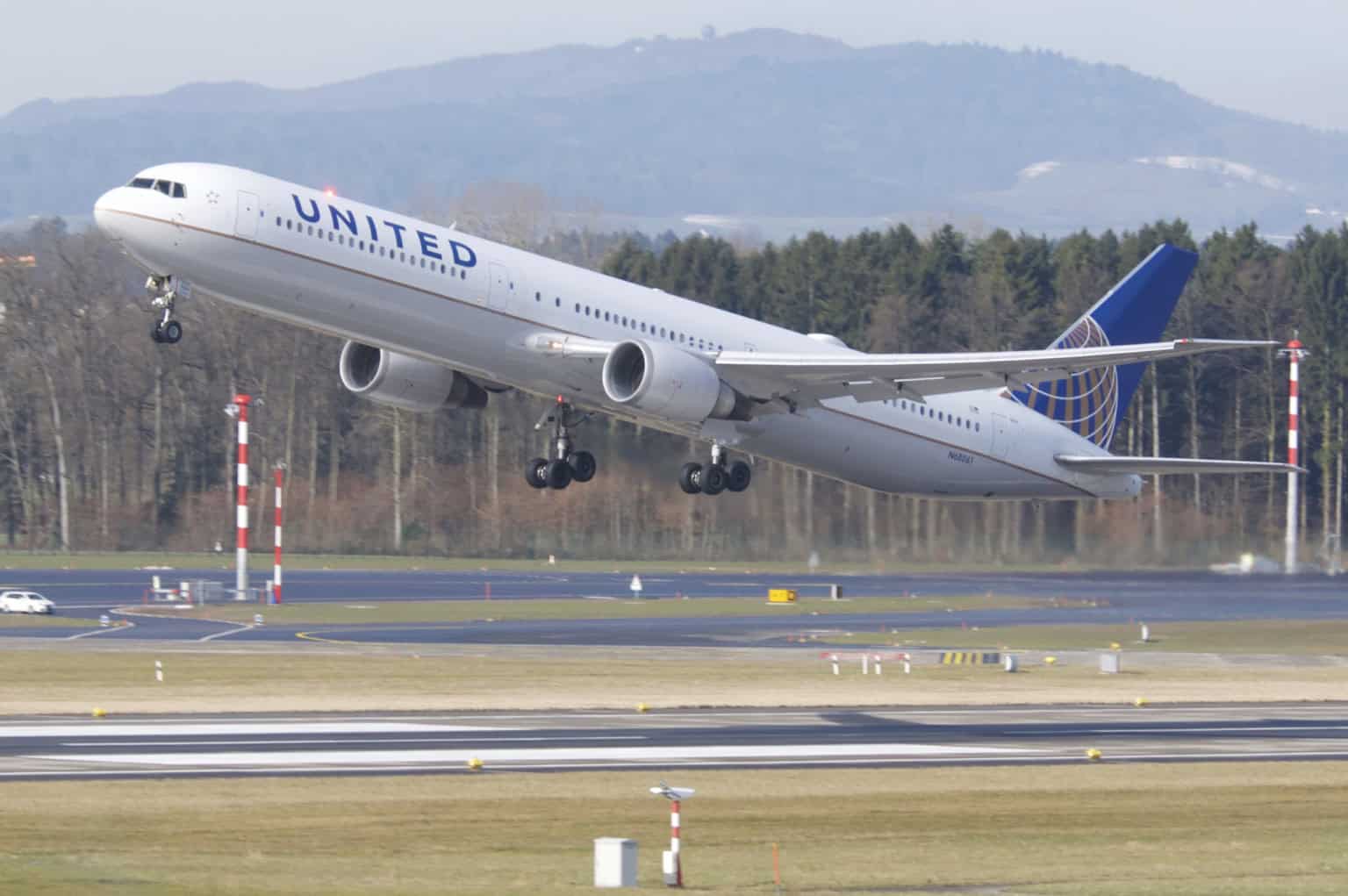
A United Airlines Boeing 767-400ER lost both its autopilot and autothrottle at once while crossing the Atlantic on August 4, 2026, forcing the crew to hand-fly the widebody and divert to Dublin. Flight UA169 was headed from Venice to Newark when the systems dropped out roughly three hours into the trip.
The aircraft, registered N76054 and about 25 years old, landed safely in Dublin with no injuries reported. It stayed grounded overnight for a maintenance inspection before returning to service.
What happened in the cockpit
The 767 had climbed to 34,000 feet over France shortly after leaving Venice. About three hours later, over the open Atlantic, the autopilot and autothrottle disengaged at the same time, according to AirLive, which first reported the diversion.
The crew declared a PAN-PAN, the internationally recognized call for an urgent situation that does not yet threaten the aircraft or its occupants, and hand-flew the jet toward land. Both systems reportedly came back on their own before landing, but the crew continued to Dublin rather than press on toward Newark.
On autopilot-equipped airliners, the autothrottle and autopilot both draw on the same air data and flight-management inputs, so a single upstream fault can knock out both at once even though they control different things: one holds heading and altitude, the other manages engine thrust. Neither United nor an aviation authority has published a cause, and no airworthiness directive or fleet-wide bulletin has followed.
PAN-PAN, not MAYDAY
A PAN-PAN call tells air traffic control a crew needs priority handling for a genuine problem, short of the immediate danger a MAYDAY signals. It still puts emergency services on standby, which is why Dublin’s fire crews met the aircraft on the taxiway.
Why Dublin, and why this keeps happening
Dublin sits close to the eastern edge of the North Atlantic tracks that carry most Europe-to-North America traffic, making it one of the first practical places to put a widebody down once a crew turns back over open water. Shannon, further west, serves the same role. Between them, the two airports absorb a steady stream of precautionary transatlantic diversions.
Flying for hours without autothrottle is workable but tiring, since pilots must manage thrust manually on top of hand-flying, so crews who regain automation mid-ocean often still choose to land and have the aircraft checked rather than continue on manual backup for the rest of a long-haul sector.
Reality check
A precautionary PAN-PAN diversion with no injuries and a quick return to service is a routine, well-rehearsed outcome, not evidence of a wider problem with the aircraft type. The specific fault has not been made public, and nothing points to an age-related or fleet-wide issue at this stage.
United has not detailed what caused the fault or said whether it plans any follow-up inspections of other aircraft in its 767 fleet. The airline confirmed the diversion and the overnight maintenance stop but has not issued a fuller statement.
Get the Newsletter
The latest aviation news and stories sent to your inbox.
About the Author

Tim is the owner and lead editor of AeroCorner since 2019, overseeing aviation content covering aircraft, airlines, airports, and the broader aviation industry. Through years of researching, writing, editing, and publishing aviation-focused content, he has developed extensive practical knowledge of commercial aviation and air travel. Based in Asia and a frequent traveler himself, Tim also brings firsthand passenger experience to AeroCorner’s coverage. Outside of publishing, he has also explored aviation firsthand through hands-on flight training in New Zealand.