

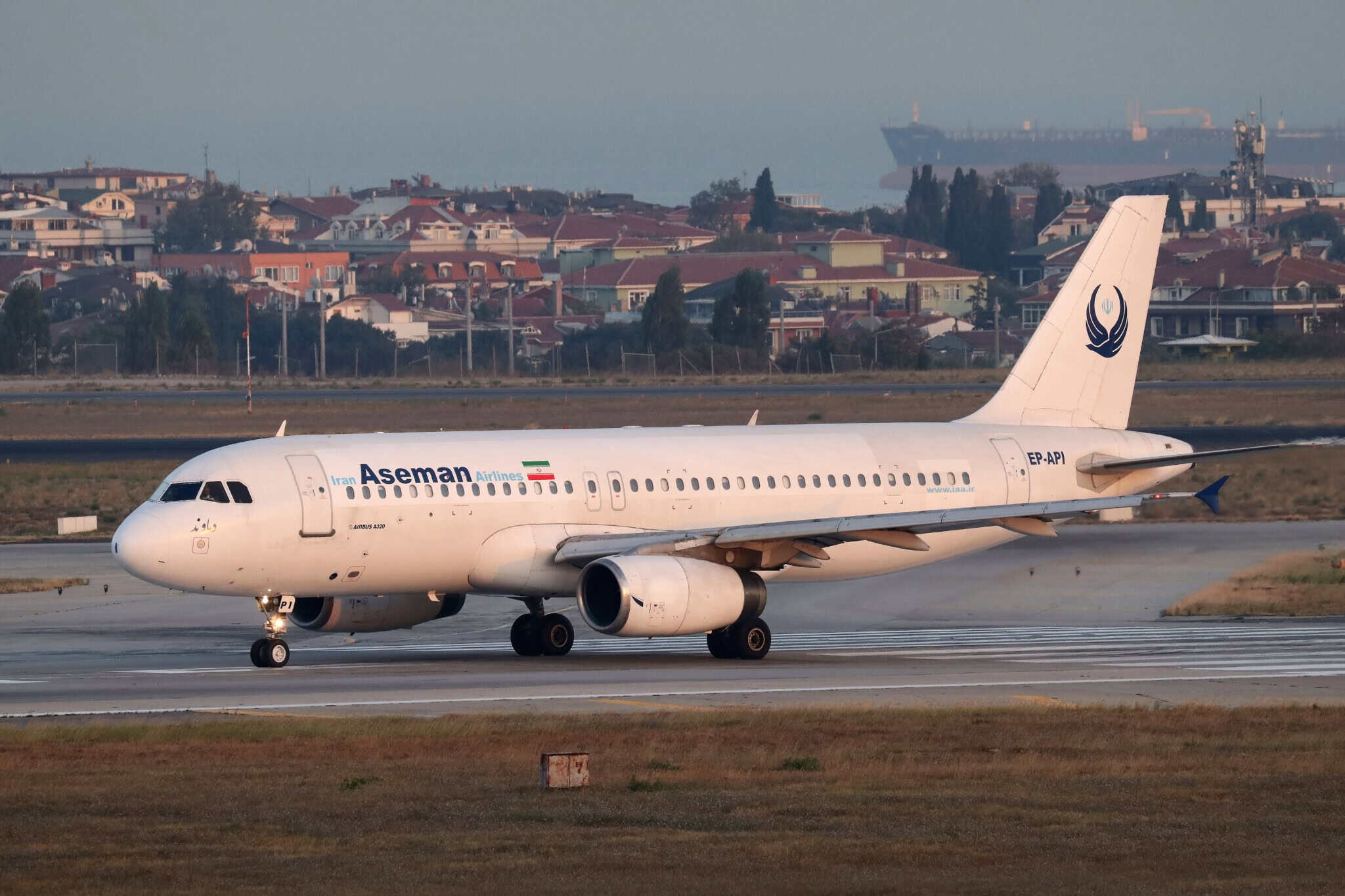
On September 8, 2026, the UK government laid legislation barring Iranian cargo aircraft from landing in the United Kingdom, and the US Treasury designated 36 aviation targets in Iran and three other countries on the same day. The two actions are separate instruments aimed at the same sector.
The British measure is narrower than early coverage suggested. Read against its own definitions, it does not touch Iranian passenger flying at all.
What the UK Rule Actually Says
The Iran (Sanctions) (Amendment) Regulations 2026, laid as SI 2026/983, insert a new Part 5A into the existing Iran sanctions framework. Its operative line is short: an Iranian aircraft must not land in the United Kingdom. The regulations come into force on September 29, 2026.
The weight sits in the definition. The regulations define an “Iranian aircraft” as one used exclusively for the provision of air cargo services that is either registered in Iran, or owned, chartered or operated by a designated person or a person connected with Iran.
An aircraft carrying passengers is therefore outside the prohibition as drafted. The ban is a freight measure, and describing it as a blanket bar on Iranian aircraft overstates what the text does.
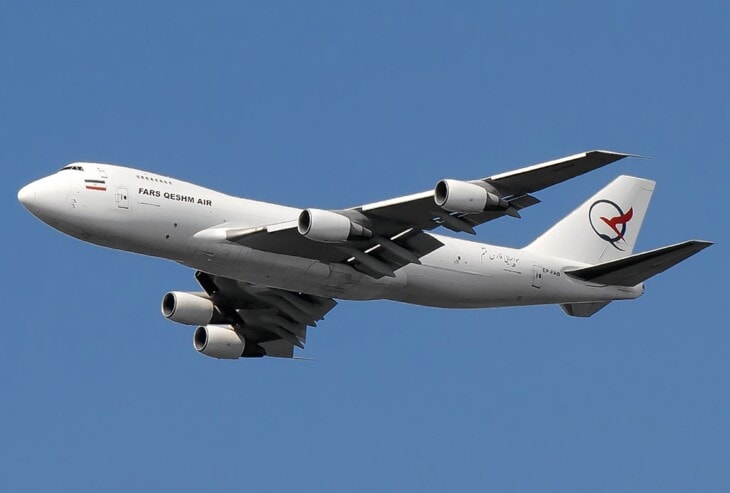
Enforcement runs through machinery that already exists. The Secretary of State may direct the Civil Aviation Authority to refuse or revoke permissions granted under articles 250 and 252 of the Air Navigation Order, and airport operators may refuse a landing outright or order an aircraft to take off again.
Three exceptions survive. An aircraft may land if not landing would endanger those on board or the aircraft itself, and technical stops for non-traffic purposes remain protected under Article 5 of the Chicago Convention and under the International Air Services Transit Agreement.
Read the definition, not the headline
The prohibition applies only to aircraft used exclusively for air cargo services. Passenger operations are not covered by regulation 36A, and safety diversions and non-traffic technical stops are explicitly excepted. Several outlets reported the measure as a ban on all Iranian aircraft.
The Larger Action Came From Washington
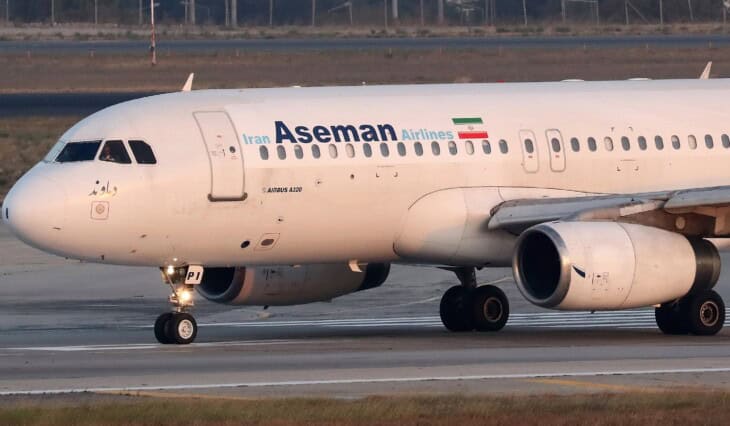
The US Treasury’s Office of Foreign Assets Control designated 27 Iranian airlines in a single action, among them Iran Aseman Airlines, Qeshm Air, Zagros Airlines, Taban Airlines and Saha Airlines. Nine further individuals and companies outside Iran were designated alongside them, under Executive Orders 13224 and 13902.
Treasury also set out how Mahan Air, sanctioned by the US since 2011, acquired widebody aircraft despite that. It said the carrier took delivery of at least three Boeing 777s in the summer of 2026, routed through intermediaries in the United Arab Emirates and Oman.
Two of the named intermediaries are ECT Aviation Support LLC, based in the UAE, and Sky Phoenix, based in Türkiye. This is the same pattern behind an earlier action against the sales agents that kept Mahan Air selling capacity abroad.
OFAC also suspended General License J-1, the authorization that had permitted the reexport of certain civil aircraft to Iran on temporary sojourn. Two wind-down licenses were issued to let existing transactions unwind.
Which of the Two Actually Bites
A landing ban is a border measure. It stops a specific aircraft at a specific airport and gives the CAA and airport operators an explicit instrument to act on, which is useful for one-off freight charters rather than scheduled networks.
A Treasury designation reaches much further. It follows the airline into every jurisdiction whose banks, lessors, insurers and parts brokers care about access to the US financial system, which in commercial aviation is effectively all of them.
That is why the sourcing detail in the Treasury statement matters more than the aircraft count. Iranian carriers have kept aging fleets moving for years by buying through third countries, and each designation is aimed at closing one of those channels rather than at the airlines themselves.
Enforcement is the open question. Sanctions on aircraft and their operators have repeatedly ended up contested in national courts, as the long dispute over a sanctioned freighter stranded in Toronto showed, and the practical effect of the UK ban will not be visible until after it takes force on September 29.
Sources and references used for research and fact-checking.
- UK Government (legislation.gov.uk), The Iran (Sanctions) (Amendment) Regulations 2026 (SI 2026/983)
- UK Foreign, Commonwealth & Development Office, Written Ministerial Statement: Iran Sanctions, 8 September 2026
- US Department of the Treasury, Treasury Grounds Iranian Airlines with Sweeping Sanctions Action
- US Department of the Treasury (OFAC), Iran-related Designations; Updates to Iran-related General Licenses, 8 September 2026
- US Department of State, Operation Economic Outcast Grounds Iran's Aviation Sector
Get the Newsletter
The latest aviation news and stories sent to your inbox.
About the Author

Tim is the owner and lead editor of AeroCorner since 2019, overseeing aviation content covering aircraft, airlines, airports, and the broader aviation industry. Through years of researching, writing, editing, and publishing aviation-focused content, he has developed extensive practical knowledge of commercial aviation and air travel. Based in Asia and a frequent traveler himself, Tim also brings firsthand passenger experience to AeroCorner’s coverage. Outside of publishing, he has also explored aviation firsthand through hands-on flight training in New Zealand.