

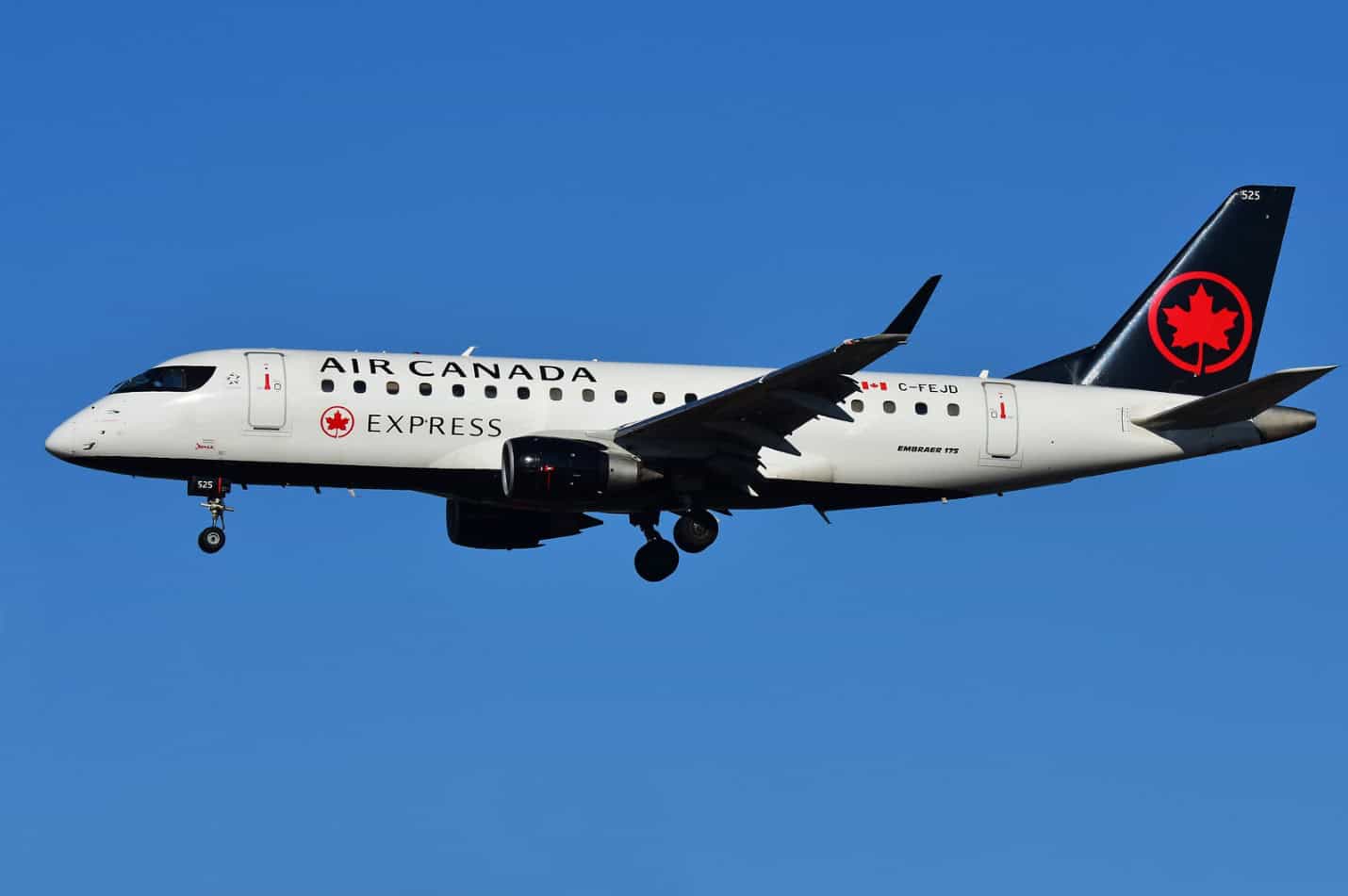
On September 5, 2026, the Canadian Flight Attendant Union said 99 percent of its voting members had backed a strike mandate at Jazz Aviation, the regional carrier that operates most Air Canada Express flights. The roughly 1,000 flight attendants have worked without a contract since January 1, 2026.
A walkout is not imminent, because several federal bargaining steps stand in the way first.
What the vote means
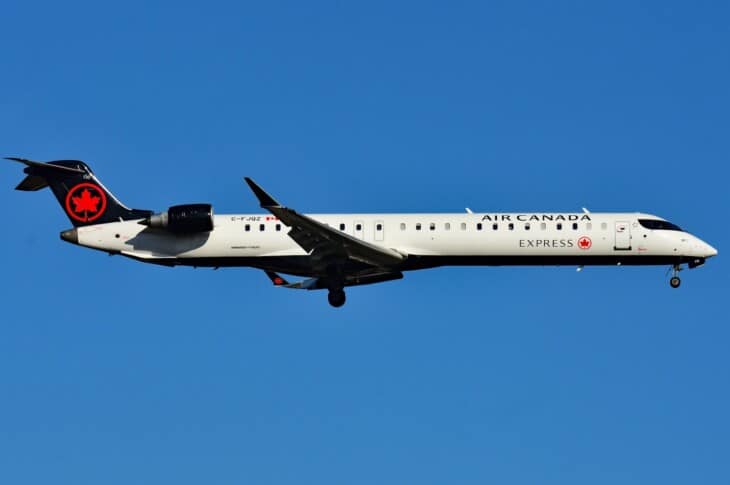
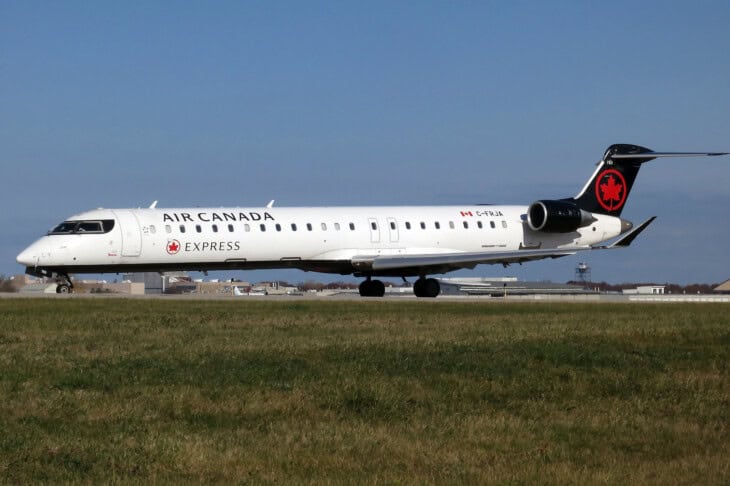
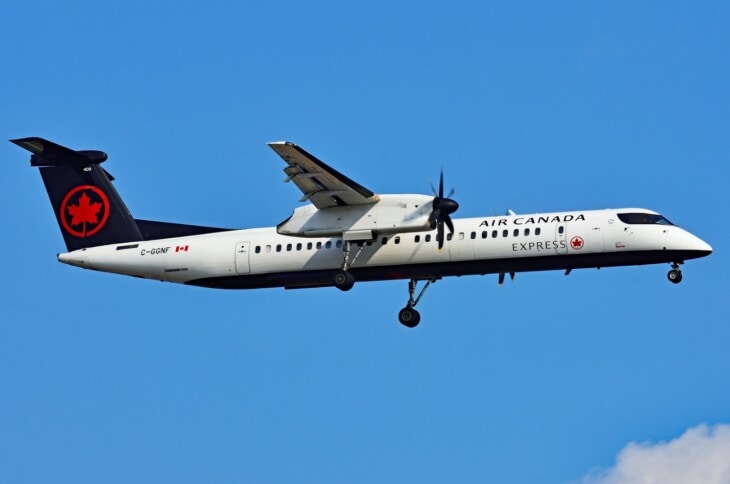
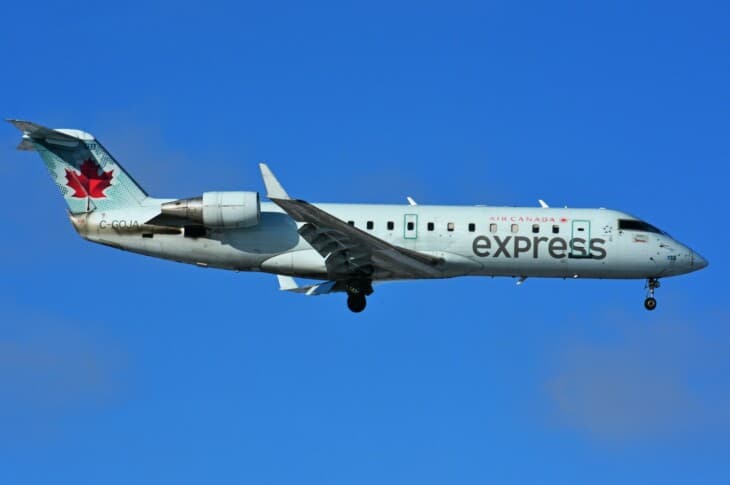
Jazz Aviation is based in Halifax and owned by Chorus Aviation, not by Air Canada. It flies regional routes on Air Canada’s behalf under the Air Canada Express brand, using Bombardier CRJ900 jets and Dash 8-400 turboprops.
Talks began in November 2025 and continued with a mediator, but the two sides remain apart on wages and on pay for work done on the ground. Jazz said the negotiations had “reached an impasse” and that it would seek a conciliation officer, according to BNN Bloomberg.
The union wants members paid for time spent on pre-flight checks, briefings and boarding, and wants them formally recognized as safety professionals. “We want our members fairly compensated for the work they do,” union president Marsha Walters said, according to The Canadian Press.
A strike mandate is a bargaining tool, not a walkout date. Under the Canada Labour Code, a federally regulated airline and its union must complete a conciliation period and then a 21-day cooling-off period before either side can legally strike or lock out, with 72 hours notice required after that.
That process puts any Air Canada Express disruption weeks away at the earliest. CBC News reported that voting closed on Friday and that Jazz flights are operating normally.
Why unpaid ground work keeps driving these disputes
Compensation for time on the ground has become the defining issue in Canadian airline labour. Flight attendants are traditionally paid only from the moment the aircraft door closes, so boarding, delays and turnarounds are effectively unpaid until the cabin door shuts.
That practice drew national attention in August 2025, when about 10,000 Air Canada mainline flight attendants, represented by a different union, went on strike for three days and defied a federal back-to-work order. Their eventual agreement introduced ground pay for at least one hour per flight, starting at half the hourly wage.
WestJet cabin crew reached a deal after a brief strike in August 2026, and Jazz’s own dispatchers narrowly avoided a walkout earlier in the year. Each settlement raises the benchmark for the next group at the table.
Jazz flight attendants fly shorter regional segments with more legs per day than their mainline counterparts. That means they spend a large share of their working time in exactly the unpaid boarding-and-turnaround window the dispute is about.
Air Canada Express carries a meaningful share of Air Canada’s domestic feed, so a strike months from now would fall on regional routes and smaller cities first. For now, the vote gives the union leverage as conciliation begins.
A mandate is not a strike date
The 99 percent vote authorizes the union to call a strike later. It does not set one. Jazz Aviation flying continues normally, and no legal work stoppage can happen until the federal conciliation and cooling-off steps are complete.
Sources and references used for research and fact-checking.
Get the Newsletter
The latest aviation news and stories sent to your inbox.
About the Author

Tim is the owner and lead editor of AeroCorner since 2019, overseeing aviation content covering aircraft, airlines, airports, and the broader aviation industry. Through years of researching, writing, editing, and publishing aviation-focused content, he has developed extensive practical knowledge of commercial aviation and air travel. Based in Asia and a frequent traveler himself, Tim also brings firsthand passenger experience to AeroCorner’s coverage. Outside of publishing, he has also explored aviation firsthand through hands-on flight training in New Zealand.