

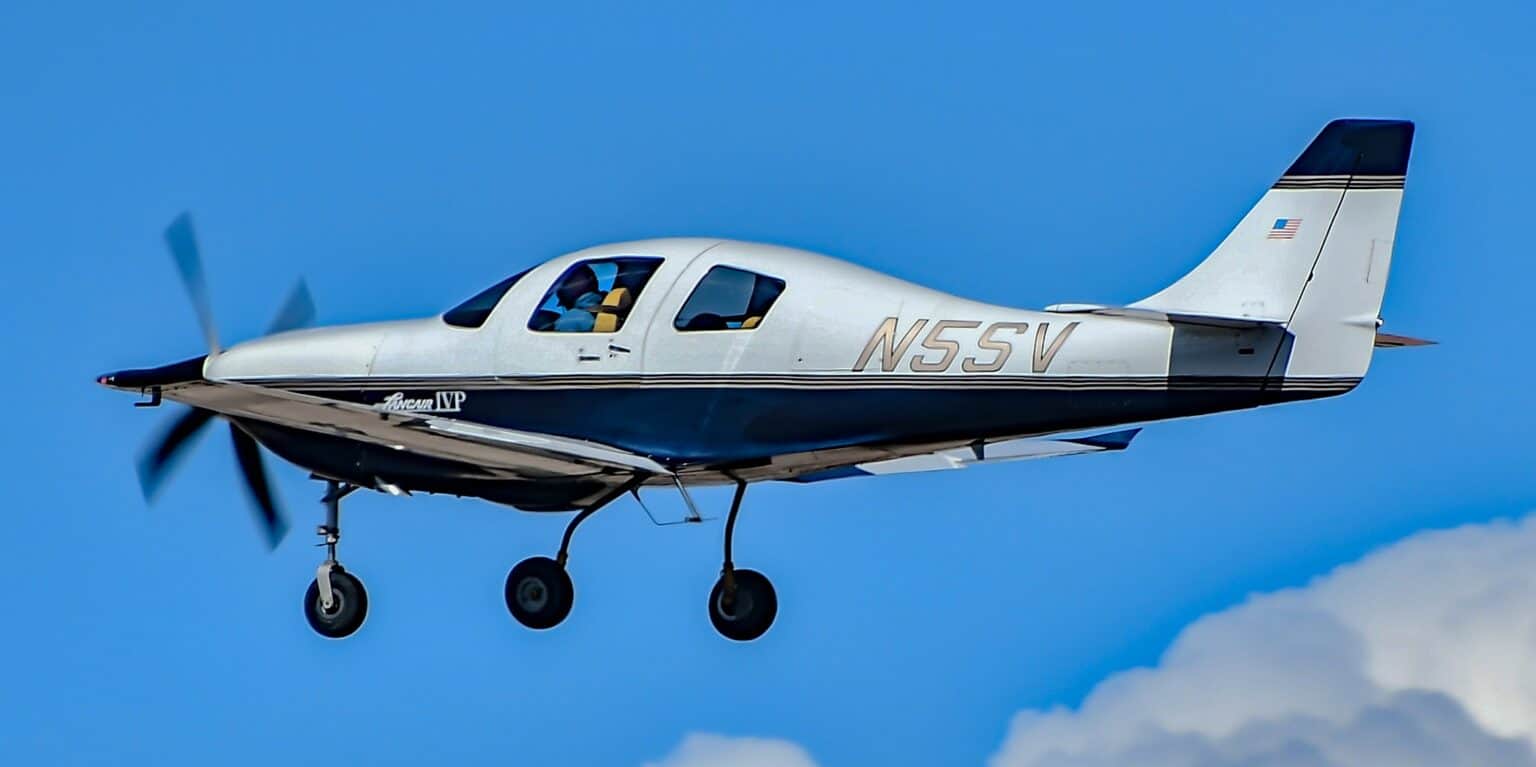
The pilot of Lancair IV-P N5SV was killed on Wednesday, October 7, 2026, when the single-engine plane crashed near Hicks Airfield in northwest Fort Worth, Texas. The FAA said the crash happened around 9:50 a.m. local time and that the pilot was the only person on board.
The National Transportation Safety Board is leading the investigation. A spokesperson for the agency said preliminary information indicates the airplane had engine issues and turned back toward the airport.
What happened near Hicks Airfield
The plane came down near West Bonds Ranch Road and Thatcher Road, southeast of the airfield, according to CBS News Texas. It reported that the wreck was burned out just off the road, that power lines were down in the grass, and that firefighters quickly put out a small grass fire.
Fort Worth Fire Department spokesman Craig Trojacek told FOX 4 that the plane did not hit any homes and that there were no other injuries. Fort Worth police closed Bonds Ranch Road between Willow Springs Road and Business 287 while crews worked the scene.
Flight-tracking data summarized by the Aviation Safety Network shows the Lancair taking off from Runway 14 at about 9:52 a.m. Its last recorded position, roughly 30 seconds after it left the ground, was in a descending left turn near the crash site. That data is unofficial and has not been confirmed by the NTSB.
The pilot, a man, had not been named at the time of writing. The Fort Worth Report, which carried the NTSB’s comment, said an investigator was expected to arrive on October 8, with a preliminary report due within 30 days.
The aircraft: a pressurized kit plane
FAA registry records list N5SV as an experimental amateur-built Lancair IV-P, serial number LIV-375, built in 2000 by Amigo Air Enterprises from a Lancair kit. It is registered to Plane Metrics LLC of Fort Worth and carries a Continental IO-550-series piston engine.
The Lancair IV-P is a high-performance kit-built aircraft: a four-seat, pressurized, retractable-gear single designed to cruise at about 335 mph (539 km/h) at 24,000 feet. Around 250 IV-Ps were completed and flying by 2011, a year before kit production ended.
Amateur-built status means the plane was assembled outside a certified factory production line. It flies on a special airworthiness certificate in the experimental category rather than a standard one.
What is not known yet
The pilot’s name, what went wrong with the engine, how high the plane got and whether the turn back toward the airport played a part have not been established. The NTSB has not drawn any conclusions, and its preliminary report is expected within 30 days.
Why a turn back after takeoff is so risky
An engine problem just after takeoff leaves a pilot with little height, low speed and seconds to decide. An FAA training aid on engine failure during takeoff says research shows a higher chance of survival when the pilot continues straight ahead instead of turning back.
The same FAA guidance notes that a return to the runway actually takes more than 180 degrees of turn once the turning radius is counted. A steep turn at low altitude and low airspeed can end in a stall and spin.
The FAA aid urges pilots to brief an engine-failure plan before every departure, including obstructions such as power lines. In July, a Piper Cherokee that lost its engine after takeoff landed on Huntington Beach.
An airfield with no control tower
Hicks Airfield (T67) sits about 14 nautical miles northwest of downtown Fort Worth and has a single asphalt runway, 14/32, measuring 3,740 by 60 feet. FAA airport records list it as privately owned by the Hicks Airfield Pilots Association and open to public use.
The field has no control tower and no published instrument approaches. Pilots coordinate among themselves by announcing their positions on a common traffic frequency, a common setup at small general aviation airports.
The Dallas Morning News noted that this is the second fatal crash near the airfield in less than a year. On October 12, 2025, a Beechcraft King Air C90 that had departed Fort Worth Alliance Airport crashed into parked tractor-trailers near Hicks, killing the pilot and his father.
The two accidents involved different aircraft types. So far, the NTSB’s only public comment on Wednesday’s crash concerns the engine, not the airfield.
Sources and references used for research and fact-checking.
Get the Newsletter
The latest aviation news and stories sent to your inbox.
About the Author
Tim is the owner and lead editor of AeroCorner since 2019, overseeing aviation content covering aircraft, airlines, airports, and the broader aviation industry. Through years of researching, writing, editing, and publishing aviation-focused content, he has developed extensive practical knowledge of commercial aviation and air travel. Based in Asia and a frequent traveler himself, Tim also brings firsthand passenger experience to AeroCorner’s coverage. Outside of publishing, he has also explored aviation firsthand through hands-on flight training in New Zealand.