

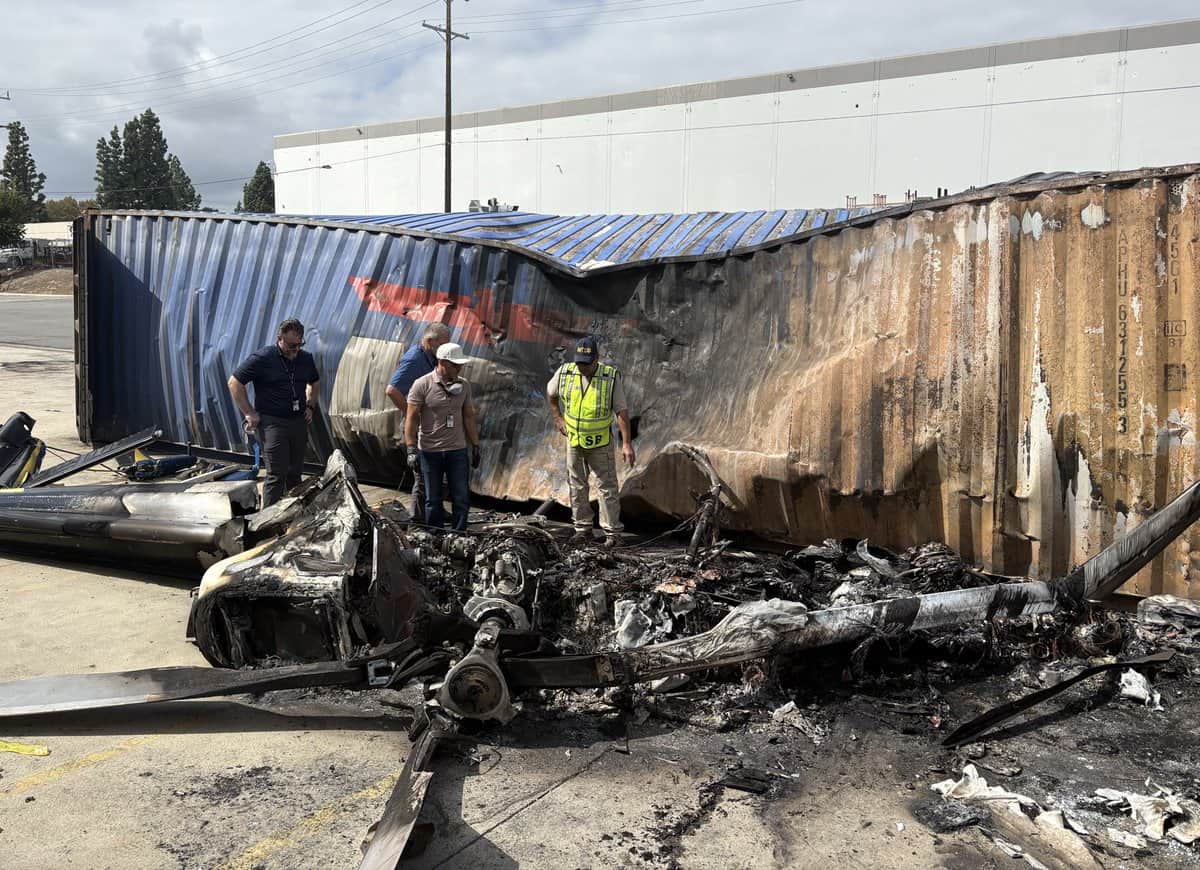
N358TV, the AS350 B2 helicopter that flew as NewsChopper4 for NBC4 Los Angeles and Telemundo 52, crashed in Chatsworth, California, just before 7 p.m. on Tuesday, September 15, 2026. The crash killed reporter Eliana Moreno, pilot George Marciniw and a 29-year-old man on the ground, Edy Gutierrez Mejia.
The helicopter was covering a Los Angeles Metro bus collision less than a quarter mile away that had already killed two people. The National Transportation Safety Board is leading the investigation, and the Federal Aviation Administration is taking part.
What is known about the crash
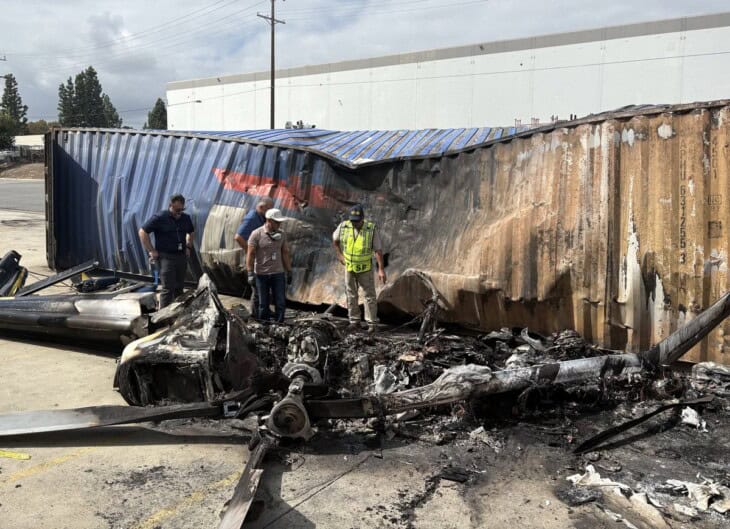
The helicopter came down between two commercial buildings in the 9100 block of North Mason Avenue, in the San Fernando Valley about 25 miles (40 km) northwest of downtown Los Angeles. The fire that followed damaged four cars and two storage containers, NBC Los Angeles reported.
At least one more person on the ground was taken to a hospital. Local reports differ on whether one or two people were hurt, and their conditions have not been released.
Both people on board worked for Angel City Air, the company that flies the station’s news helicopter. Moreno had been with the company since 2010. In a statement, NBC4 and Telemundo 52 said they were “deeply saddened” and extended condolences to the families and colleagues of those who died.
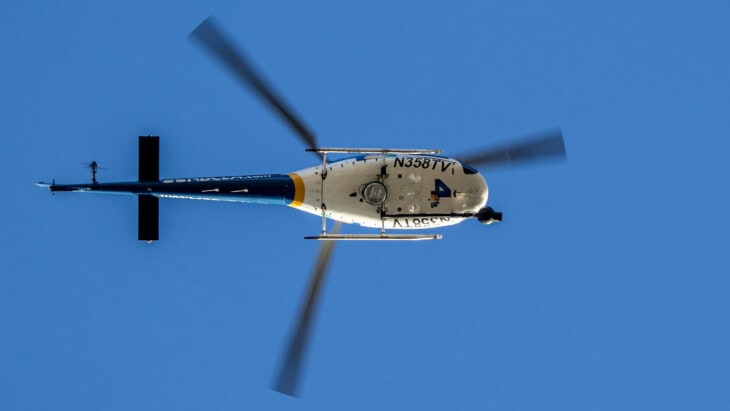
FAA registry records show N358TV as a 2004 Eurocopter AS350 B2, serial number 3788, with a Turbomeca Arriel series turboshaft engine. It is registered to Tiny Bubbles Aviation Inc. of Pacoima, California.
Why the broadcast audio matters
NTSB investigator-in-charge Fabian Salazar began examining the wreckage on Wednesday. He called the audio from the live broadcast one of the most important pieces of evidence gathered so far, according to reporting from his briefing.
“We are clearly hearing sounds that are consistent with the engine changing its speed,” Salazar said. Investigators also hear tones that are likely advisories to the pilot. The recording will go to the NTSB’s recorder laboratory for sound spectrum analysis.
The NTSB has not said whether the helicopter carried any onboard recorder, which is why a live feed from the cabin is so valuable. Sound spectrum analysis can pull engine and rotor frequencies out of a recording and show how they changed second by second.
What has not been established
The NTSB has not said the engine failed. Salazar said the helicopter’s altitude, the crash sequence and whether it was flying in or out of ground effect are all still under investigation, and he stressed he was not drawing conclusions.
Investigators will also go through the maintenance records, the weather, the pilot’s training, and security camera video from nearby businesses. The wreckage will be moved to a secure facility. The NTSB is asking anyone with video of the crash to send it to [email protected].
How a helicopter handles a loss of engine power
Asked in general terms about engine failures, Salazar said helicopter pilots are trained to enter autorotation. In that maneuver, air flowing up through the rotor keeps it turning, so the pilot can glide down and land without engine power.
The timing is tight. The FAA’s Helicopter Flying Handbook says the pilot must lower the collective immediately after an engine failure. If rotor speed decays too far, the blades can stall and the helicopter can lose rotor lift entirely.
Speed and height matter too. The handbook notes that autorotations from very low or very high airspeeds are more critical, and each type has a height/velocity diagram marking the combinations where a safe landing is unlikely. News crews often work in slow orbits or a steady hover over a scene, so the helicopter’s speed and height before the descent will matter to the investigation.
Los Angeles has lost a news helicopter crew before. On August 1, 1977, a KNBC Bell 206 flown by Francis Gary Powers, the former U-2 pilot, ran out of fuel and crashed near Encino, killing Powers and cameraman George Spears.
What comes next
The NTSB expects to publish a preliminary report in about 30 days. It will set out facts, not a cause, and the final report with a probable cause could take up to 18 months.
The AS350 family, sold in North America as the AStar, is a staple of US news and police flying. The FAA finalized updated tail rotor rules for the family this summer, but no link between any directive and this crash has been reported.
Sources and references used for research and fact-checking.
- NTSB, NTSB is investigating the Sept. 15 crash of a Eurocopter AS 350 B2 helicopter in Chatsworth, California (NTSB Newsroom on X)
- NTSB, Investigator-in-charge Fabian Salazar begins on-scene examination (NTSB Newsroom on X)
- FAA, Aircraft Inquiry: N358TV
- FAA, Helicopter Flying Handbook (FAA-H-8083-21B), Chapter 11: Helicopter Emergencies
- NBC4 Los Angeles, NBC4 and Telemundo 52 statement on Chatsworth helicopter crash
Get the Newsletter
The latest aviation news and stories sent to your inbox.
About the Author

Tim is the owner and lead editor of AeroCorner since 2019, overseeing aviation content covering aircraft, airlines, airports, and the broader aviation industry. Through years of researching, writing, editing, and publishing aviation-focused content, he has developed extensive practical knowledge of commercial aviation and air travel. Based in Asia and a frequent traveler himself, Tim also brings firsthand passenger experience to AeroCorner’s coverage. Outside of publishing, he has also explored aviation firsthand through hands-on flight training in New Zealand.