

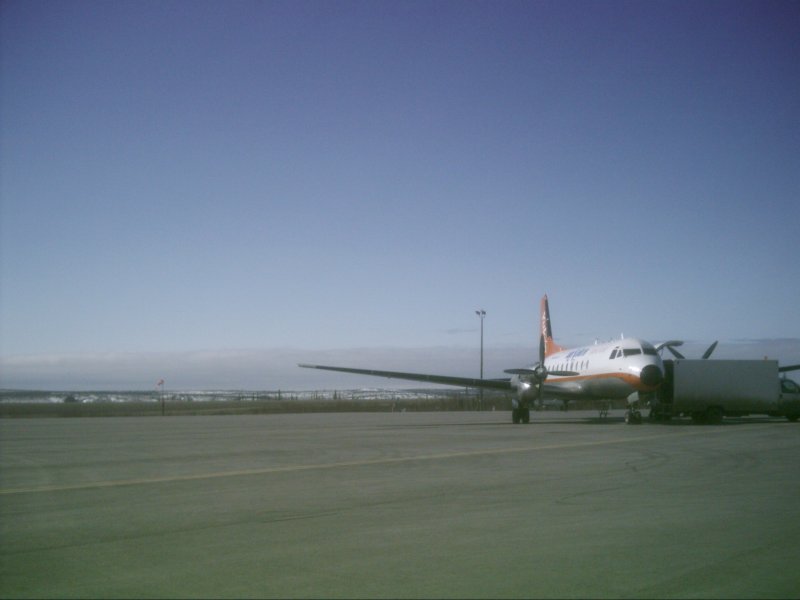
Canada is pressing ahead with a plan to extend the runway at Inuvik (Mike Zubko) Airport in the Northwest Territories from 6,000 feet to 9,000 feet. The roughly C$230 million project, paid for by the Department of National Defence, is meant to let the Royal Canadian Air Force operate a wider range of military aircraft from the site for NORAD air defence missions.
Progress on the work was reported in late August by FlightGlobal. The embankment for the new runway section is finished, but paving has slipped to the end of 2027, several years later than the original target.
The delay is a ground problem. Territorial officials have said the permafrost and fill under the extension shifted by up to a foot over one season, and crews have to let it settle before laying asphalt. Vince McKay, the territory’s infrastructure minister, said the department is “waiting for an opportunity for that ground to settle as much as it can before they start doing a lot of the paving.”
Separately, Transport Canada announced on August 10, 2026, up to $49.5 million from the new $1 billion Arctic Infrastructure Fund to repave the existing runway and rebuild the airport access road in asphalt, in partnership with the territorial government. That work is due to start this fall. Transport Minister Steven MacKinnon said it would “support operational readiness, and advance Canada’s defence, security and sovereignty objectives in the North.”
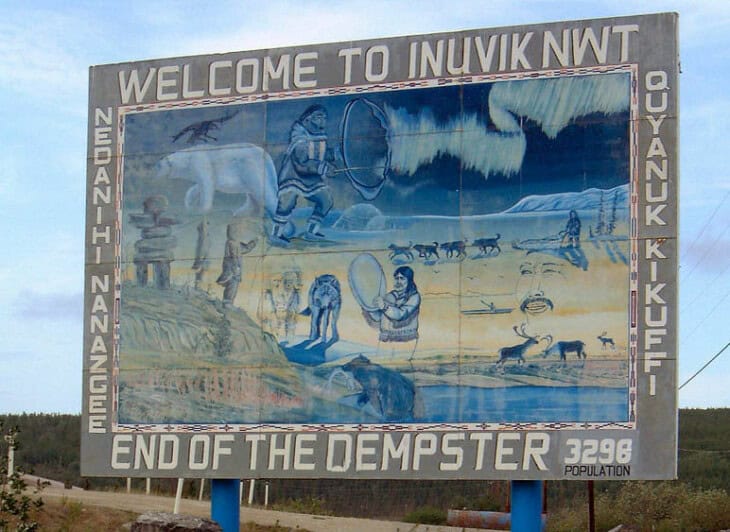
Why a Small Northern Airport Matters to NORAD
Inuvik sits above the Arctic Circle and is one of four Canadian NORAD Region forward operating locations, along with Yellowknife, Iqaluit and Goose Bay. These are austere northern airfields that fighter jets deploy to on short notice when aircraft need to be pushed closer to the top of the continent.
That mission has been busy. CF-18s deployed to Inuvik in 2022 during a spike in Russian activity near Alaska, and through 2026 Canadian and US fighters have repeatedly intercepted Russian patrol aircraft in the air defence identification zones off both countries.
Runway length decides what can use a strip and how heavy it can be. A 6,000-foot runway limits both the aircraft types and the fuel they can carry out. At 9,000 feet, Inuvik can handle heavier jets at useful weights, including the F-35 fighters Canada is buying and A330 tanker transports. The tankers matter most, because fighters cannot cover Arctic distances without airborne refuelling.
The project in brief
Inuvik’s runway goes from 6,000 to 9,000 feet under a C$230 million Department of National Defence project, plus new lighting, navigation aids and a military landing system. It is one of four RCAF forward operating locations for NORAD. Paving is now expected to finish at the end of 2027.
A Slow Build in Hard Ground
The extension has been years in the making. It was first expected around 2024, then pushed back as the permafrost work proved harder than planned. Building runways on frozen, unstable soil is slow because the surface cannot be paved while it is still moving.
Inuvik is one piece of a larger effort. Canada’s NORAD modernization plan includes a multibillion-dollar program to upgrade all four forward operating locations for the F-35, alongside a wider defence buildup covering new radars, drones and large military aircraft.
Reality check
The runway extension itself is already built. The hold-up is paving on permafrost, and completion has moved to the end of 2027, roughly three years later than first planned. The $49.5 million announced this month is for the existing runway and the access road, not the extension.
Sources and references used for research and fact-checking.
Get the Newsletter
The latest aviation news and stories sent to your inbox.
About the Author

Tim is the owner and lead editor of AeroCorner since 2019, overseeing aviation content covering aircraft, airlines, airports, and the broader aviation industry. Through years of researching, writing, editing, and publishing aviation-focused content, he has developed extensive practical knowledge of commercial aviation and air travel. Based in Asia and a frequent traveler himself, Tim also brings firsthand passenger experience to AeroCorner’s coverage. Outside of publishing, he has also explored aviation firsthand through hands-on flight training in New Zealand.