

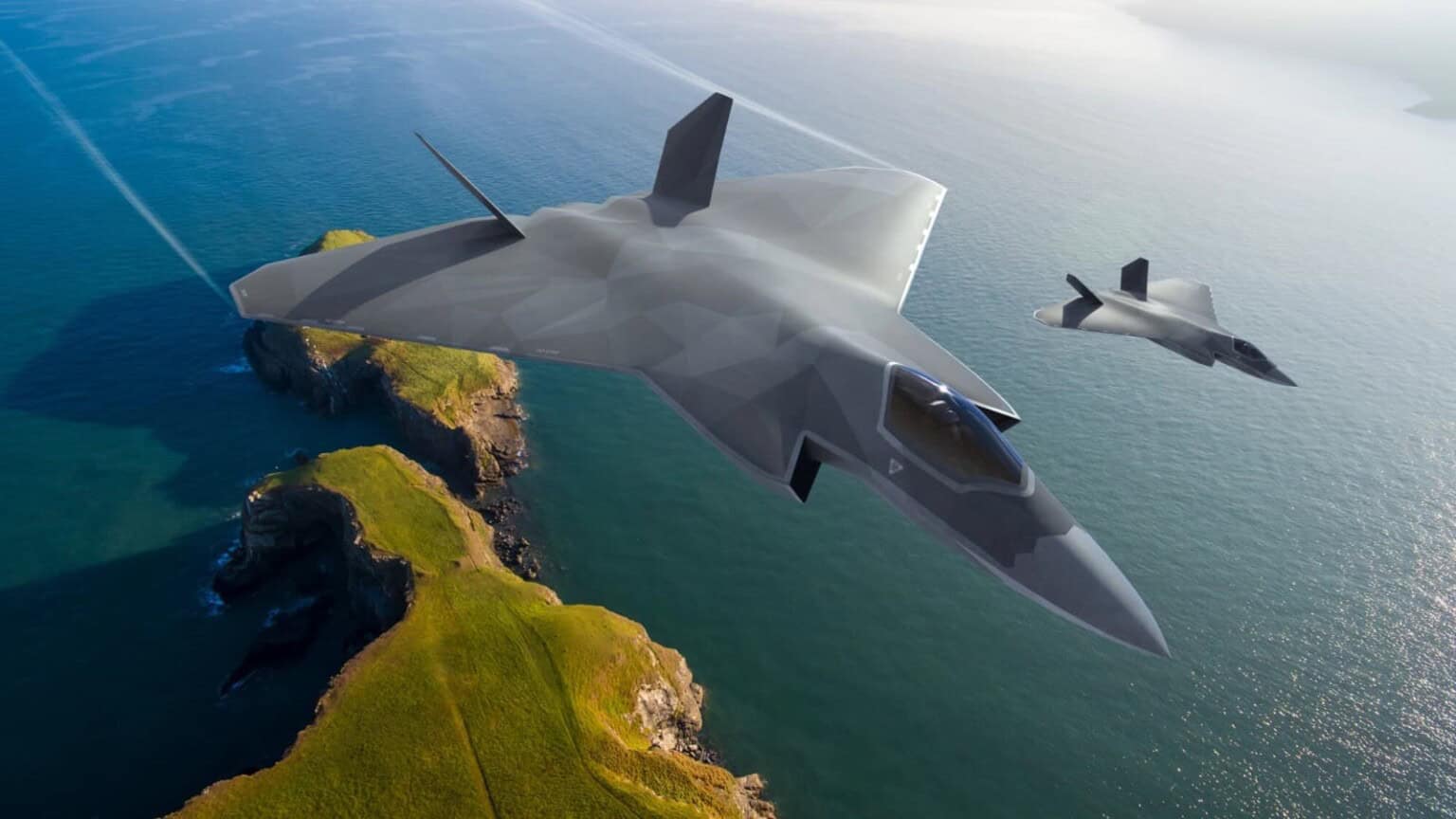
On July 21, 2026, defence ministers from the United Kingdom, Italy, Japan and Canada announced that Canada would join the Global Combat Air Programme as its first observer nation. The move gives Ottawa formal access to the trilateral effort to build a sixth-generation stealth fighter for service from around 2035.
The decision was set out in a quadrilateral joint statement published by Canada’s Department of National Defence, timed to the week of the Farnborough International Airshow. It makes Canada the first country granted any status in GCAP since the UK, Italy and Japan launched the program in 2022.
What observer status actually means
According to the joint statement, the ministers of Italy, Japan and the UK welcomed Canada’s participation as an observer, and all four governments welcomed the opportunities it opens up. Canada gains what officials described as privileged access to capability development, industrial cooperation and the program’s long-term delivery plans.
Observer status is not full membership. The three founding nations still hold the workshare, the design authority and the decision-making that come with funding the aircraft. An observer gets an inside view and a route toward deeper involvement, without yet committing to the industrial and financial obligations of a partner.
A first for the program
Canada is the first country to be granted any formal role in GCAP since the UK, Italy and Japan created the trilateral program in 2022. Every earlier expansion talk had stayed informal until now.
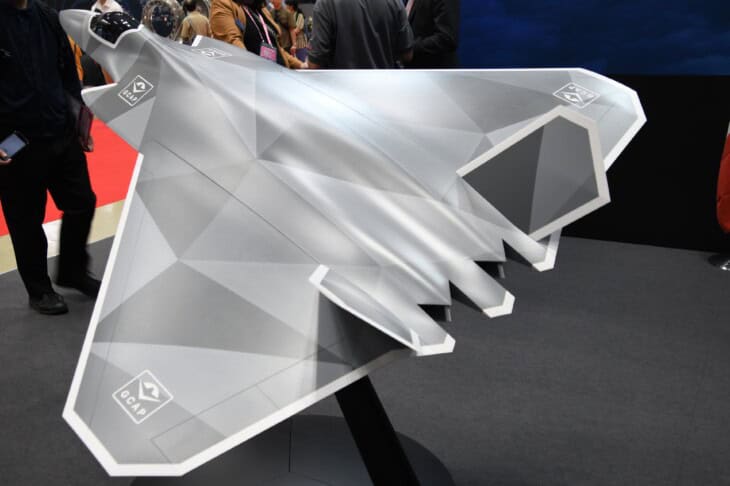
The distinction matters because GCAP is one of only two Western sixth-generation fighter efforts, alongside the United States. It is meant to replace the Eurofighter Typhoon in Europe and Japan’s F-2, and it is being marketed as an exportable sixth-generation fighter at a time when few such aircraft exist.
A program under pressure to grow
Canada’s arrival lands amid an open push, led largely by Italy, to widen GCAP further. Italian ministers have said they are open to additional participants, and both Germany and Saudi Arabia have been named as possible future partners.
That expansion is not settled. Leonardo’s chief executive has acknowledged that bringing in German industry would create “complications” given existing workshare agreements, and any new partner requires the agreement of all three founding nations. The appeal is money and scale: more partners spread the enormous development cost across more budgets.
Reality check
Germany and Saudi Arabia are being discussed, not signed. Canada itself is an observer, not a full member. The founding trio still controls the program, and expansion talk should be read as intent rather than agreed fact.
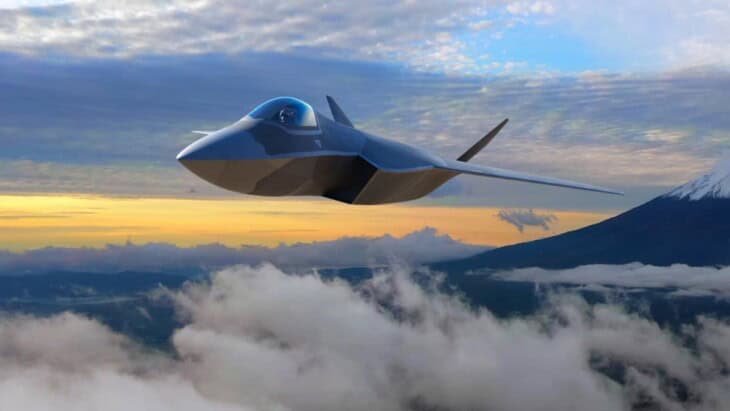
The engineering is moving in parallel. BAE Systems said its combat air demonstrator is now around 75 percent complete and on track to fly in 2027, and in July the BAE Systems-led industrial venture EdgeWing secured a 4.6 billion pound contract for an 18-month design phase.
That work sits alongside progress on the aircraft’s powerplant, covered in our report on GCAP’s engine demonstrator. With the design maturing and a first partner nation now inside the tent, the program is trying to prove it can scale without slipping its 2035 target.
Sources and references used for research and fact-checking.
Get the Newsletter
The latest aviation news and stories sent to your inbox.
About the Author

Tim is the owner and lead editor of AeroCorner since 2019, overseeing aviation content covering aircraft, airlines, airports, and the broader aviation industry. Through years of researching, writing, editing, and publishing aviation-focused content, he has developed extensive practical knowledge of commercial aviation and air travel. Based in Asia and a frequent traveler himself, Tim also brings firsthand passenger experience to AeroCorner’s coverage. Outside of publishing, he has also explored aviation firsthand through hands-on flight training in New Zealand.