

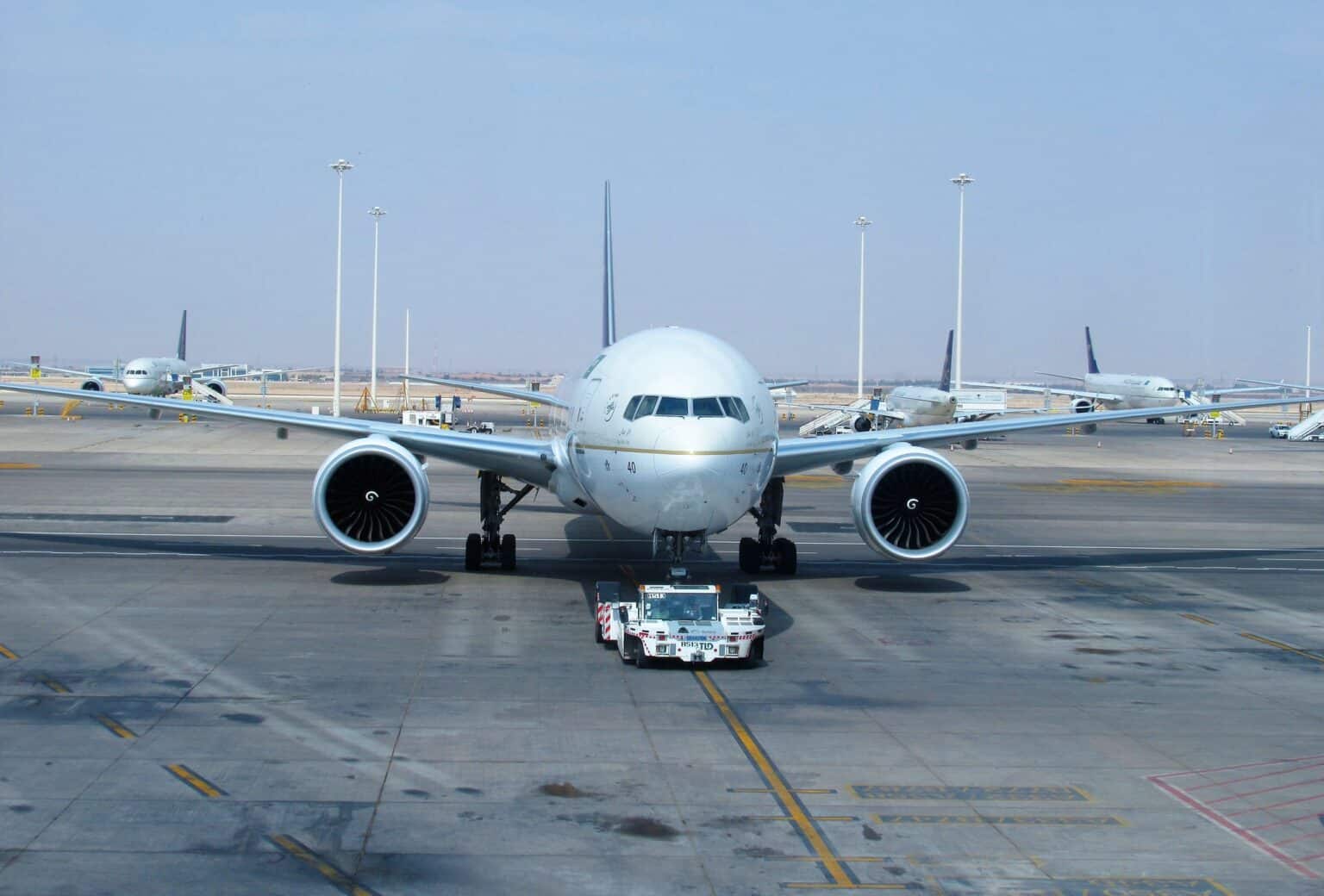
The notice that keeps Riyadh’s King Khalid International Airport (RUH) closed runs out at 21:00 UTC on Saturday, October 17, 2026, which is midnight in Riyadh. As of Saturday morning in Riyadh, AeroCorner found no announcement from Saudi Arabia’s General Authority of Civil Aviation (GACA) on whether flights will resume when it lapses.
Airlines are not waiting to find out. Air India, Air India Express, IndiGo and Akasa Air have already canceled their Saudi flights to dates between October 20 and October 24, and Australia raised its Saudi Arabia travel advice to its highest level, “do not travel.”
What the closure notice says
The current notice, NOTAM A3604/26, was published on October 12 and keeps the airport closed until 21:00 UTC on October 17 as a precautionary measure, Aerospace Global News reported. That is 5 p.m. EDT on Saturday for readers in the US.
The US Embassy in Riyadh repeated the date in its October 16 security alert, saying GACA had extended the suspension of operations at King Khalid through October 17. The same alert said Jeddah’s King Abdulaziz International and Dammam’s King Fahd International airports are operating, with some delays and cancellations.
A NOTAM’s end time is a ceiling, not a reopening date. The authority that issued it can replace it with a new notice before it lapses, and this closure has been extended at least twice since it began on October 10, most recently by the October 12 notice.
An open runway also does not put flights back on the board. Each airline decides for itself when to return, and several have already canceled flights for days after the notice runs out.
Indian airlines cancel past the deadline
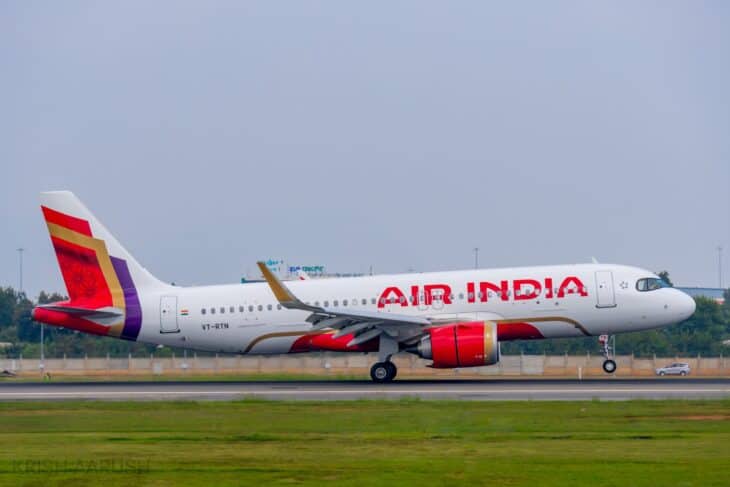
IndiGo and Akasa had canceled their Saudi flights until October 17, matching the notice. On October 15 and 16 India’s carriers moved their dates out again, and the cancellations also cover Jeddah, which is open.

| Airline | Saudi cities canceled | Canceled until |
|---|---|---|
| Air India | Riyadh, Dammam, Jeddah | October 20 |
| Air India Express | Riyadh, Dammam, Jeddah | October 20 |
| IndiGo | Riyadh, Jeddah, Dammam, Madinah | October 24 (inclusive) |
| Akasa Air | Riyadh | October 24 |
| Akasa Air | Jeddah | October 21 |
Air India said it is offering affected passengers a full refund and is “continuously assessing the situation to ensure the safe resumption of operations.” Akasa offers a refund within seven days or a free change, and Air India Express offers free rescheduling or a full refund.
The first pauses were far smaller. When Air India turned AI2243 back to Delhi on October 8, the four airlines had canceled only Riyadh, and only to October 9 or 10.
India’s embassy in Riyadh issued a fresh advisory on October 16, PTI reported. It told travelers, Umrah pilgrims included, to allow for the flight disruptions, and suggested that Indians who must leave urgently consider going through Bahrain, Kuwait or Qatar, visas permitting.
Some flights to India are still running. Saudia is flying scheduled services to India from Dammam, Jeddah’s main airport and Madinah, flynas runs Dammam to Lucknow, and flyadeal has announced Dammam to Mumbai flights for October 17 and 18, according to the advisory.
Australia moves Saudi Arabia to “do not travel”
Australia’s Smartraveller service raised Saudi Arabia to “do not travel” in an update dated October 16, citing a “volatile security situation.” It tells Australians to postpone planned trips, including travel for religious purposes, and not to travel to King Khalid International Airport.
For Australians who choose to fly from other Saudi airports, the advice is to reconfirm the flight before leaving for the airport and to keep time there short. It also suggests car, train or bus as alternatives, including to the hubs in the UAE and Qatar.
“Do not travel” is the top of Smartraveller’s four levels, and the service warns that a traveler’s insurance policy might be void at that level. Australians who remain are told to be ready to shelter in place at short notice.
The US and Britain have stopped short of that. The US advisory for Saudi Arabia is at Level 3, “reconsider travel,” although US government employees there need special authorization to use any Saudi airport. Britain’s foreign office tells its citizens to stay away from King Khalid until it is secure and to consider leaving by land.
Why the airport is shut
The Houthis have carried out 20 attacks on King Khalid International since October 1, the Saudi-led coalition’s spokesman, Maj. Gen. Turki Al-Maliki, said at a press conference on October 15, Arab News reported.
He said attacks on airports across the kingdom, including Abha, had killed 19 people and injured 364. The deadliest came on October 10, when a strike on the Riyadh airport killed at least 12 people.
Until GACA says the airport is open and the airline confirms the flight, no Riyadh booking should be treated as firm. The US Embassy and Smartraveller give the same instruction: check with the airline before leaving for any Saudi airport.
Sources and references used for research and fact-checking.
- U.S. Embassy & Consulates in Saudi Arabia, Security Alert: U.S. Mission to Saudi Arabia, October 16, 2026
- Smartraveller (Australian Government, DFAT), Saudi Arabia travel advice
- Air India, #TravelAdvisory on Saudi Arabia flights (X post)
- Akasa Air, #TravelUpdate: October 15, 2026, 20:00 IST (X post)
- IndiGo, Travel Advisory on Saudi Arabia (X profile, latest post)
- UK Foreign, Commonwealth & Development Office, Saudi Arabia travel advice
- U.S. Embassy & Consulates in Saudi Arabia, Travel Advisory: Saudi Arabia, Level 3: Reconsider Travel
Get the Newsletter
The latest aviation news and stories sent to your inbox.
About the Author

AeroCorner News is the aviation news desk of AeroCorner.com. It covers accidents and incidents, safety rulings, airline and airport disruption, and new aircraft. It works from primary sources such as the NTSB, FAA, EASA and the manufacturers' own announcements.