

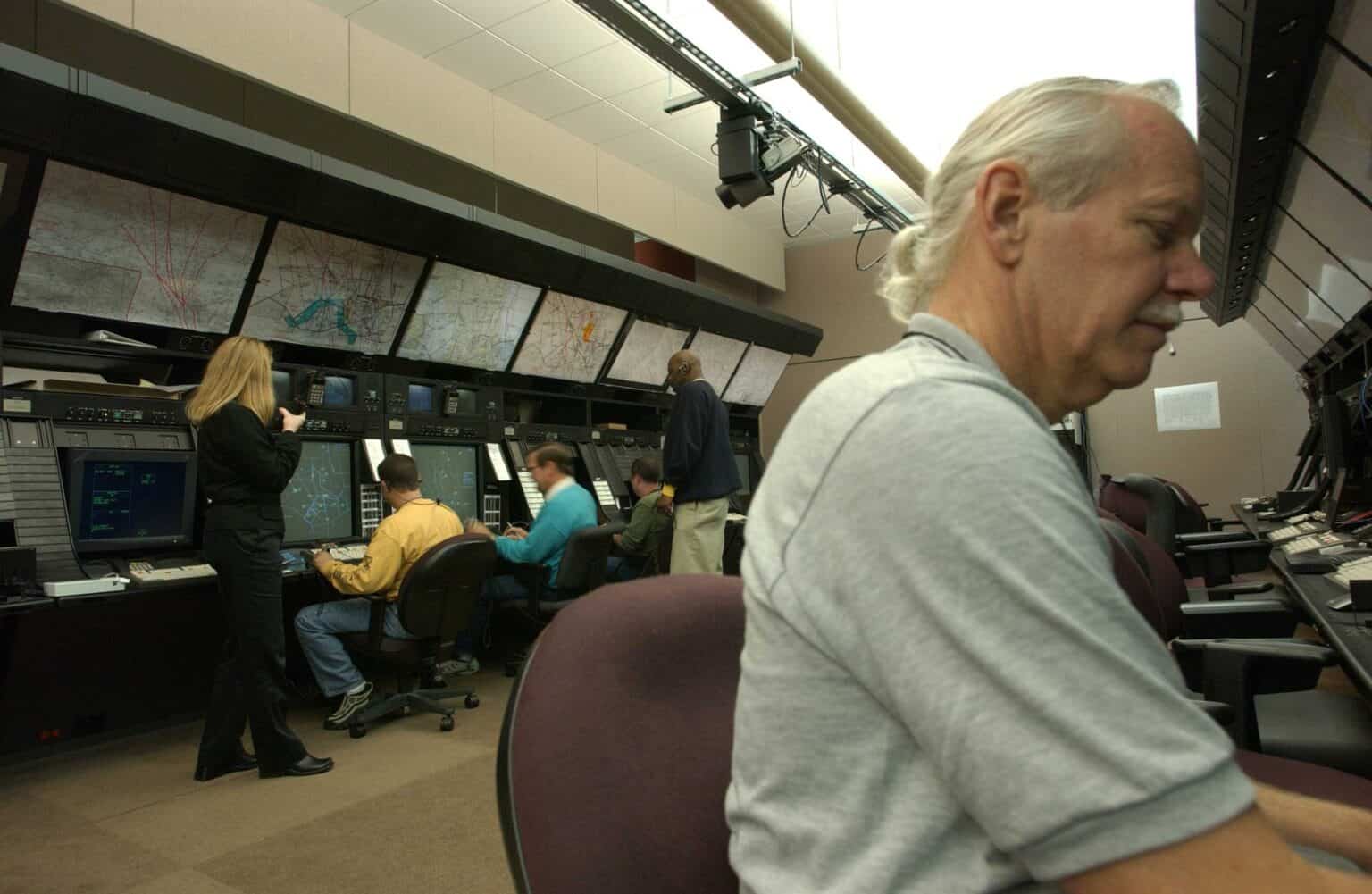
On October 16, 2026, Transportation Secretary Sean Duffy announced that the FAA and the National Air Traffic Controllers Association (NATCA) had reached a deal giving air traffic controllers a 2.8% pay increase. In return, facilities will track controllers’ time, build shifts around forecast traffic and steer reassignments toward the worst-staffed sites.
The raise takes effect October 18 and is retroactive to the beginning of the year, according to the department’s release.
A raise Congress had already paid for
The 2.8% is not new money. The spending law signed on April 30, 2026, which Government Executive notes ended a 76-day Homeland Security shutdown, set aside $140 million for a 3.8% raise in 2026 for controllers and the supervisors and managers who manage air traffic.
The catch was in Section 548 of that law. It lets the FAA administrator pay the raise only to the extent he determines, “in his sole discretion,” that improvements in workforce scheduling, staffing utilization or other operational efficiencies have been achieved.
Until now, controllers had received only the governmentwide 1% raise, leaving 2.8 points of the 3.8% on the table. FAA Administrator Bryan Bedford told a House appropriations panel in September that he would pay the rest if staffing-efficiency gains could be found, “But we have not been able to,” Government Executive reported.
Senators Tammy Duckworth and Dick Durbin had called those conditions “not a high bar” in a September 4 letter that accused the agency of holding the money “hostage.”
The release does not mention any further step in Congress. The money was appropriated in April and stays available until September 30, 2027, and the law itself sets the backdating: once the administrator signs off, the raise applies from the first pay period after January 1, 2026.
The three changes controllers accepted
Time tracking. Air traffic facilities will adopt the “badge in” and “badge out” system most federal employees already use. The FAA says managers need that data to track training and safety needs.
Shifts built on demand. Local managers and union representatives will write shift guidelines from forecast workload and operational requirements, to maximize coverage during peak traffic hours.
Reassignments aimed at the worst gaps. Controller transfers will now focus on where staffing needs are most severe. The FAA says earlier changes to the process sent significantly more controllers to facilities with minimal shortages.
Duffy said the changes would “get controllers where they are needed most.” NATCA President Nick Daniels said in the same release that “fair compensation and better working conditions are essential to sustaining a strong, experienced air traffic controller workforce.”
His statement did not describe the work-rule terms.
What the release does not say
It gives no start date for badge tracking or the new shift guidelines at each facility, does not say how badge data will be used beyond tracking training and safety needs, and does not name the facilities that will receive reassigned controllers.
Why the FAA wanted these terms
Bedford has pointed to one statistic in particular. He told the House panel that the average time a controller spends actively working traffic has fallen from more than five hours per shift 15 years ago to roughly four today.
He added that the agency cannot say what fills the rest of the shift “because we don’t punch time cards, per se.” Badge data gives managers a record of that time, and the shift guidelines answer his other complaint, quoted by Government Executive, about having “lots of staff around when there’s very limited traffic to control.”
Time on site is already a flashpoint. In August the FAA moved to fire two LaGuardia controllers who left work early after finishing their duties, which Government Executive described as a common practice across the agency.
The October 16 release does not mention that case.
The reassignment change targets the controller staffing crisis directly. The FAA’s May 15 workforce plan counted about 11,000 certified controllers in April 2026 against a target of 12,563, with another 4,000 in training, and said a new hire can take more than two years to certify.
The gaps are uneven. Citing the plan’s facility data as of September 2025, the senators’ letter put Chicago O’Hare tower at 61 certified controllers against a target of 88, and Bedford told lawmakers New York is the hardest place in the system to staff.
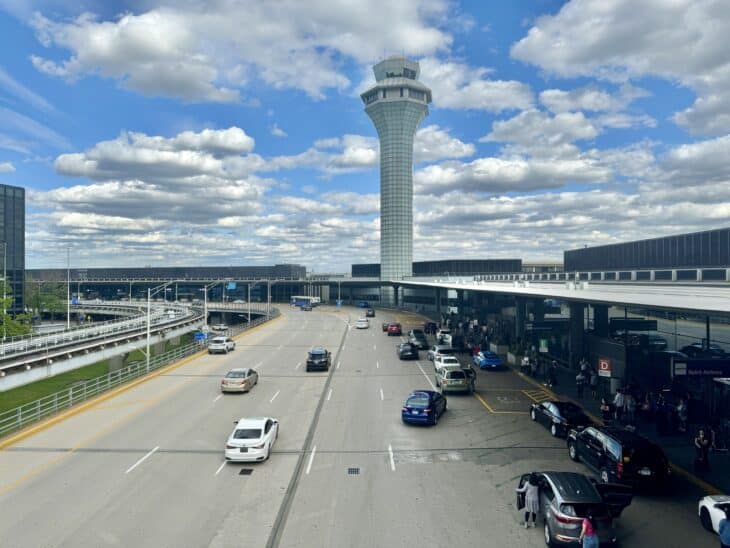

That is where travelers feel it. When a short-staffed facility loses more people on a shift, traffic into its airspace can be slowed, as Northeast controller call-outs showed in August.
How the raise compares
The 3.8% total matches the 2026 raise for the military and for selected federal law enforcement personnel, while most civilian federal employees got 1%, FedSmith reported when the pay order was finalized.
At the September hearing, Bedford noted that controllers had also received a “contractual” 1.6% raise, which Government Executive read as a reference to their union contract. Rep. Jim Clyburn replied that, as he read the law, the 3.8% was meant to put controllers “on par with law enforcement.”
Sources and references used for research and fact-checking.
- U.S. Department of Transportation / FAA, Trump's Transportation Department, Air Traffic Controller Union Announce 2.8% Pay Increase Deal
- U.S. Government Publishing Office, Public Law 119-86 (H.R. 7147), Homeland Security and Further Additional Continuing Appropriations Act, 2026
- FAA, FAA Releases Bold, New Air Traffic Controller Hiring Plan
- Sens. Tammy Duckworth and Dick Durbin, Letter to FAA Administrator Bedford re ATC pay increase
Get the Newsletter
The latest aviation news and stories sent to your inbox.
About the Author

AeroCorner News is the aviation news desk of AeroCorner.com. It covers accidents and incidents, safety rulings, airline and airport disruption, and new aircraft. It works from primary sources such as the NTSB, FAA, EASA and the manufacturers' own announcements.