

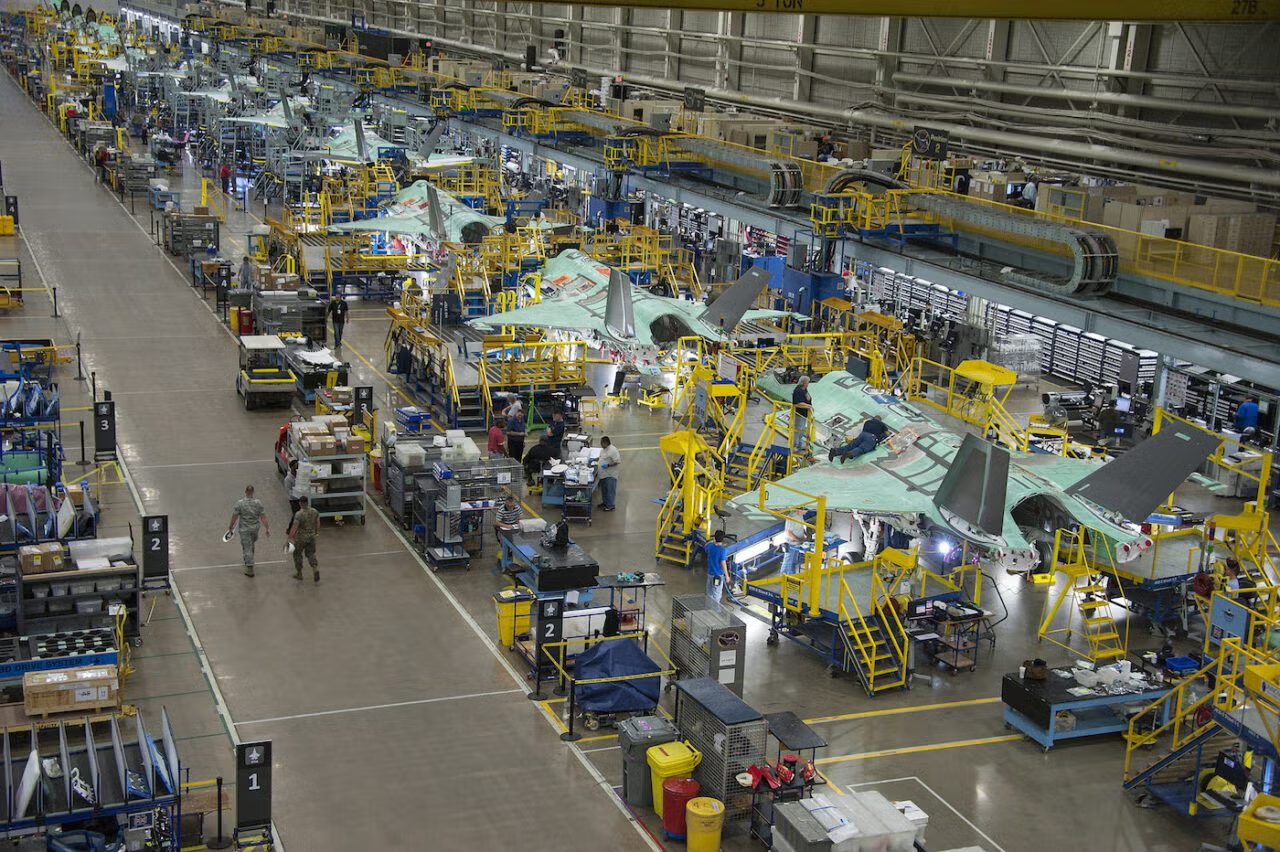
Lockheed Martin can sustain F-35 production at 156 aircraft a year for the foreseeable future, CEO Jim Taiclet told investors on the company’s July 23 second-quarter 2026 earnings call. That confidence holds even though a $21.4 billion request for 85 more F-35s in the Pentagon’s proposed fiscal 2027 budget depends on a contested reconciliation bill in Congress.
A Line Kept Running by Allied Demand
Lockheed has delivered more than 1,340 F-35 Lightning IIs to more than 20 operators across North America, Europe, the Middle East and the Indo-Pacific, Army Recognition reported. That broad customer base, not any single year’s US defense budget, is what keeps the 156-a-year build rate steady.
The jets come out of Lockheed’s Aeronautics division, which posted a $760 million operating profit in the second quarter of 2026. That reversed a $98 million loss from a year earlier, when the unit absorbed a charge on a separate classified program.
Steady Now, After a Rocky Stretch
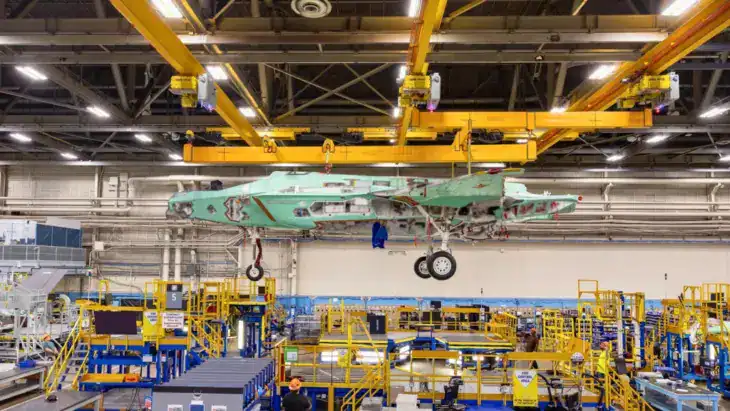
The reassurance matters because F-35 deliveries slipped in 2023 and 2024, after software problems with the jet’s Technology Refresh 3 upgrade forced Lockheed to pause handoffs and store finished aircraft at its Fort Worth plant.
Lockheed has since resumed delivering TR-3-equipped jets, though the broader Block 4 upgrade package they enable remains delayed to at least 2031, according to a Government Accountability Office review.
The Fiscal 2027 Number Is Softer Than It Looks
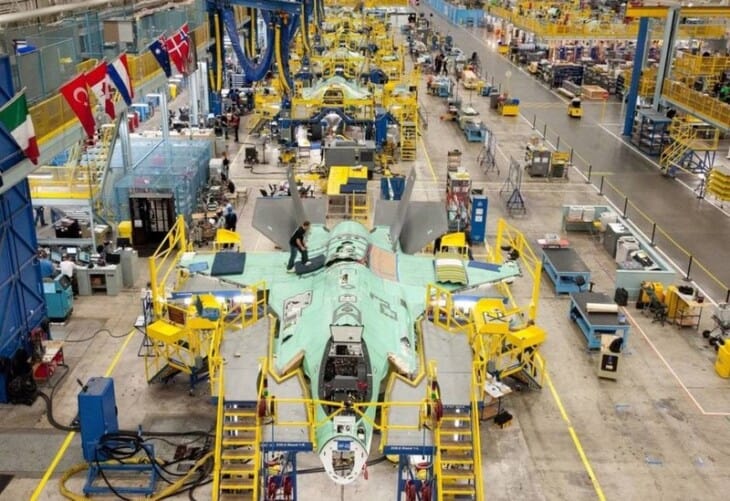
Of the 156 jets Lockheed builds each year, the US military’s share depends on Congress. The Pentagon’s proposed fiscal 2027 budget requests 85 F-35s, split into 38 F-35As, 37 F-35Cs and 10 F-35Bs, at a program cost of roughly $21.4 billion.
But only 32 of those 85 aircraft are funded through the regular discretionary budget, Military Times reported. The other 53 depend on a second reconciliation bill that House Speaker Mike Johnson has already called a tough sell to his own caucus.
Reality check
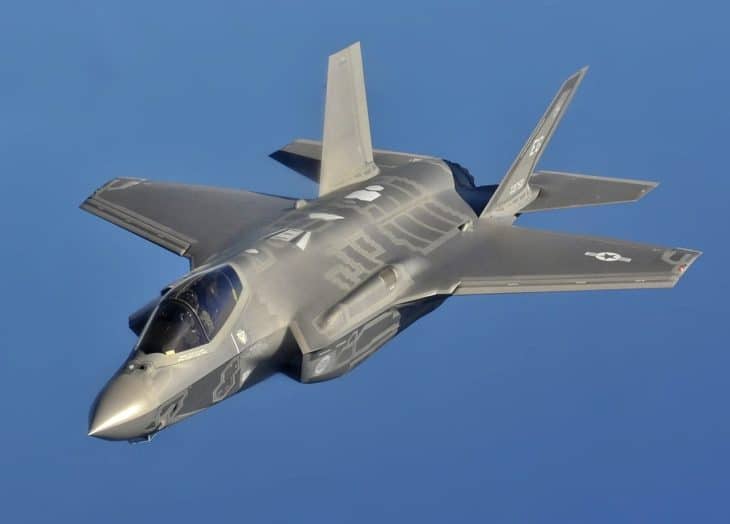
If the reconciliation bill fails, the confirmed US F-35 buy could fall to 32 aircraft, below fiscal 2026’s baseline of 47. Lockheed’s 156-a-year rate would then lean even harder on foreign military sales to fill the gap.
That international cushion is real. F-35 partners from the United Kingdom and Italy to Japan and Israel are still adding jets, and the Air Force’s planned successor, Boeing’s F-47, will not fly a production aircraft until 2028 at the earliest. That leaves the F-35 as the only stealth fighter the Pentagon can buy in volume for years.
Each jet is not cheap. The Marine Corps F-35B that crashed short of the runway at MCAS Miramar in July, for one, was a roughly $109 million aircraft, the kind of unit cost that makes steady volume production, rather than sudden surges, the industry’s preferred way to hold prices down.
Sources and references used for research and fact-checking.
Get the Newsletter
The latest aviation news and stories sent to your inbox.
About the Author

Tim is the owner and lead editor of AeroCorner since 2019, overseeing aviation content covering aircraft, airlines, airports, and the broader aviation industry. Through years of researching, writing, editing, and publishing aviation-focused content, he has developed extensive practical knowledge of commercial aviation and air travel. Based in Asia and a frequent traveler himself, Tim also brings firsthand passenger experience to AeroCorner’s coverage. Outside of publishing, he has also explored aviation firsthand through hands-on flight training in New Zealand.