

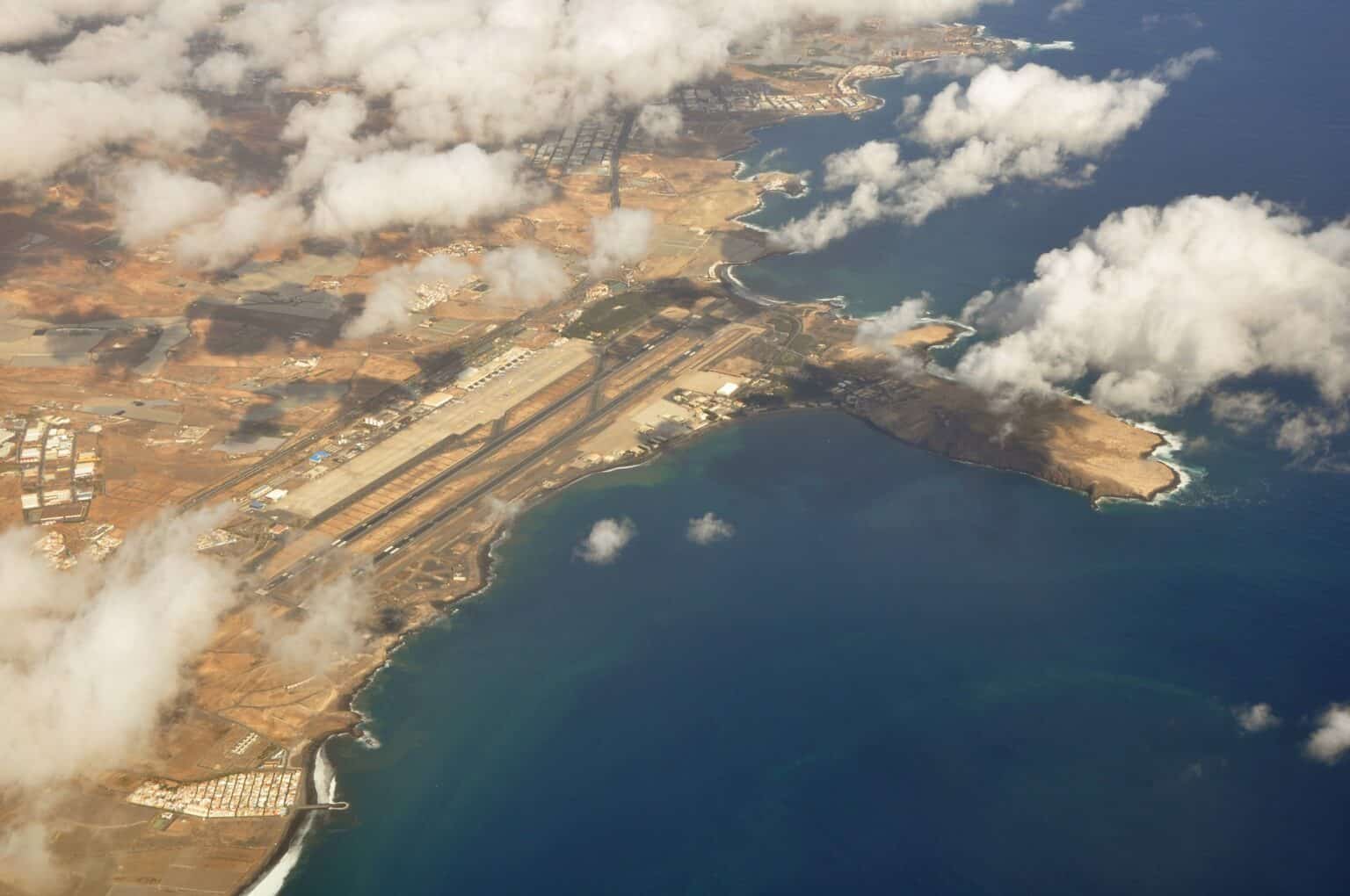
A fault in the radio navigation aids used for landing at Gran Canaria Airport forced eight flights to divert to other Canary Islands on Thursday, November 12, 2026. Airport operator Aena said aircraft were flying satellite-based approaches instead, and that the diversions hit airlines whose aircraft do not use that system.
In a post on X quoted by RTVC, Aena said it was working with ENAIRE, Spain’s air navigation service provider, to fix the problem “lo antes posible” (as soon as possible), and that safety was “prioridad siempre” (always the priority).
What happened at Gando
Air traffic controllers quoted by Canarias7 said the distance measuring equipment (DME) paired with the instrument landing system on runway 03L had been out of service “since first thing in the morning”.
By early afternoon Aena had counted seven diverted aircraft, according to Canarias7. Aena later put the total at eight in figures given to Europa Press and reported by Atlántico Hoy.
Some of the flights went to Tenerife South and one to Fuerteventura, La Gaceta de Canarias reported. Aena has not published the full list of airlines or flight numbers.
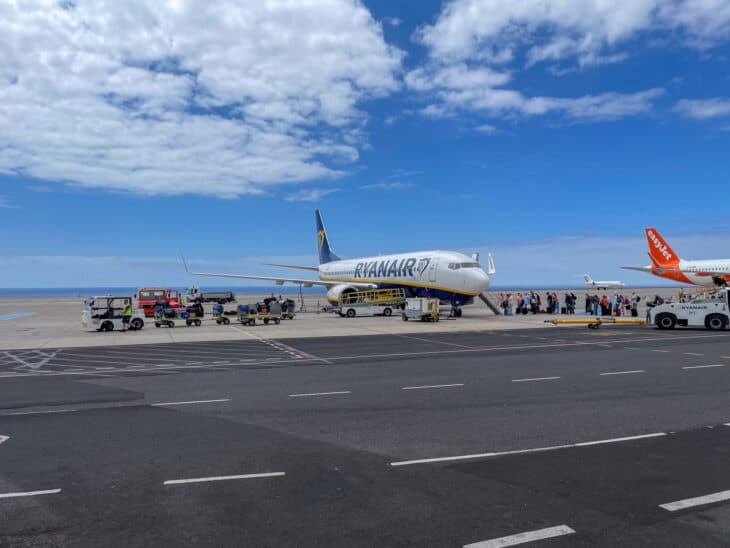

One that is known is a Vueling flight from Granada due at 12:50. Canarias7 reported that after a first landing attempt the crew diverted to Fuerteventura Airport, where passengers were kept on board while the captain waited for clearance to return.
The incident was still open in the afternoon, Libertad Digital reported. Canarian Weekly later reported that aviation notices recorded the runway 03L instrument landing system back in normal operation.
Still unknown
Aena has not said which component failed or why, and it has not named the airlines or flights that diverted beyond the totals it gave local media. The DME detail comes from controllers quoted by Canarias7, not from an Aena statement.
Why a satellite approach was not enough for everyone
An instrument landing system guides a jet down to the runway on radio beams sent from transmitters beside it, with the DME giving the crew a running distance to the runway. It relies on receivers that airliners have carried for decades.
A satellite-based RNP approach works differently. The aircraft computes its own position from GNSS signals and flies a coded path, so it needs certified navigation equipment, and the airline needs crews trained and cleared to use it.
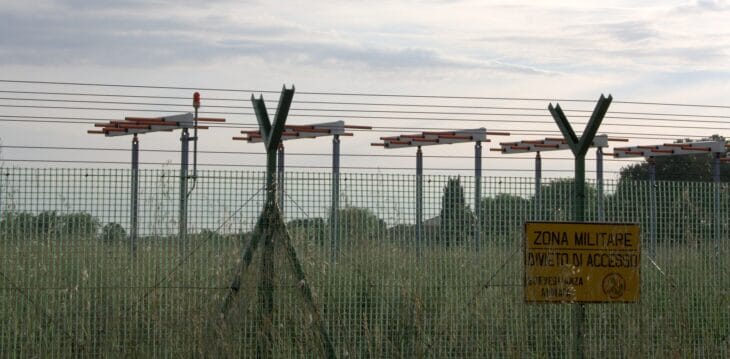

Controllers told Canarias7 that an RNP procedure was the only approach left on Thursday, and that some airlines lack the equipment or have no pilots qualified for it. Aena said it was those airlines whose flights diverted.
In Europe, the EGNOS augmentation system sharpens GPS accuracy for these approaches, much as WAAS does for GPS in the United States.
A backup that was already missing
The airport had less redundancy than usual. ENAIRE’s AIP supplement SUP 108/26 lists the LPC DVOR/DME, a VOR beacon at Gran Canaria, as unavailable until June 11, 2027 (estimated) while the system is replaced.
That notice also takes the ILS X and VOR approaches to runway 03L out of use and says several arrival routes need GNSS. Controllers quoted by Canarias7 said the VOR has been out since April.
ENAIRE has also been moving Gran Canaria toward satellite navigation on purpose. In September 2024 it brought in its HERMES redesign, which uses RNP procedures and complies early with EU Regulation 2018/1048, with an implementation deadline of 2030.
Thursday showed the limit of that transition: when the ground aids fail, satellite procedures serve only the aircraft and crews equipped and approved for them.
The stakes are high at Gando, as the airport is widely known. It shares its site with the Spanish Air Force’s Gando Air Base about 12 miles (19 km) south of Las Palmas. It was the busiest airport in the Canaries in 2025, with 15,826,553 passengers, up 4%, according to Aena.
Its two parallel runways, 03L/21R and 03R/21L, are each about 10,170 feet (3,100 m) long. Passengers on an affected flight should check its status with their airline.
Sources and references used for research and fact-checking.
Get the Newsletter
The latest aviation news and stories sent to your inbox.
About the Author

AeroCorner News is the aviation news desk of AeroCorner.com. It covers accidents and incidents, safety rulings, airline and airport disruption, and new aircraft. It works from primary sources such as the NTSB, FAA, EASA and the manufacturers' own announcements.