

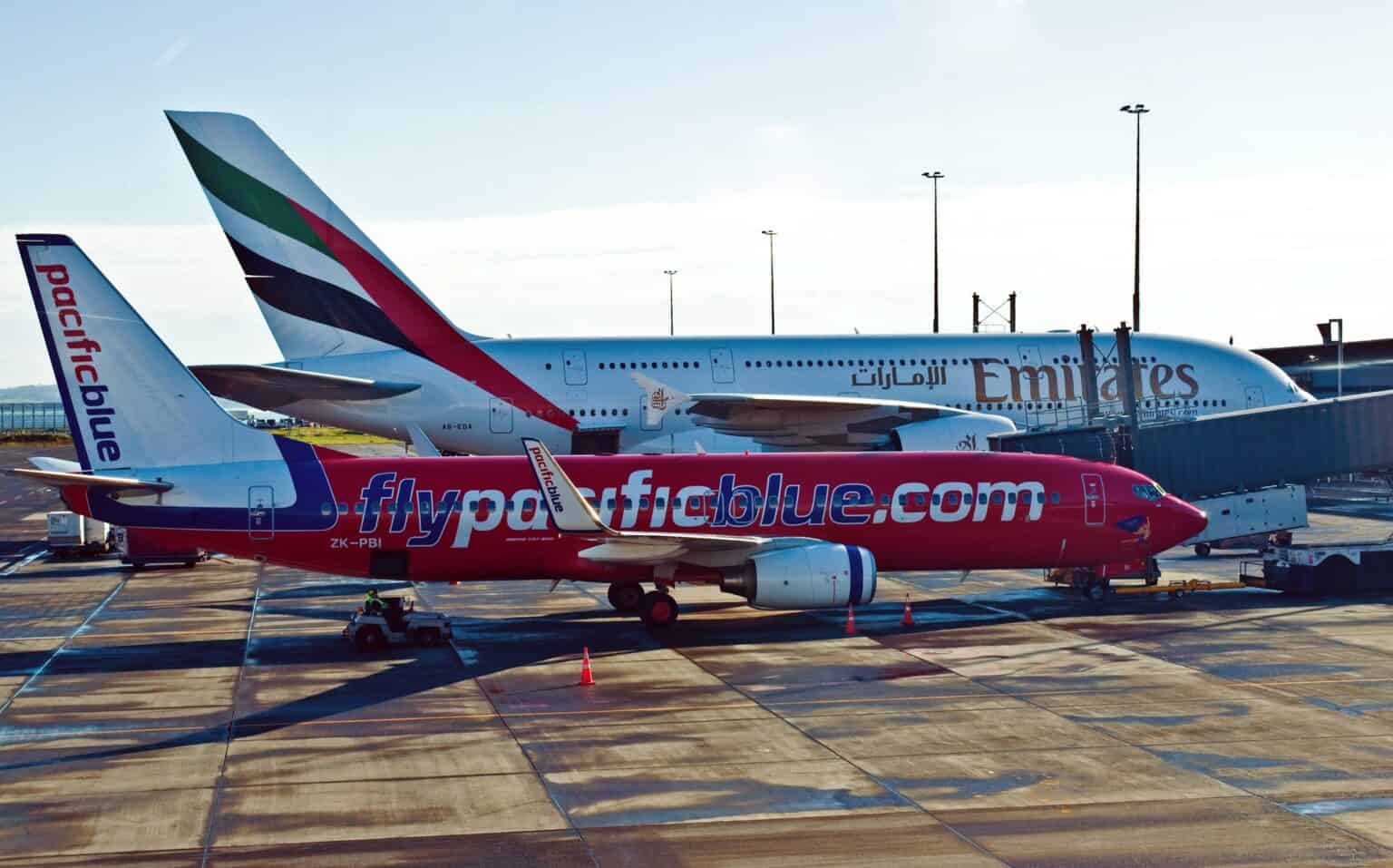
Auckland Airport has warned that tens of thousands of travelers could see flights canceled or diverted later this month, after the E tū union served notice of two 24-hour strikes by the airport’s own firefighters and emergency responders. The walkouts are set to begin at 6 a.m. local time on Tuesday, November 24, and Friday, November 27, 2026.
The notice covers all 69 members of the Airport Emergency Services team, the airport’s chief operations officer, Chloe Surridge, said. Without them, she said, the airport would not have the people it needs to keep flights operating.
What the airport and the union say
In comments reported by the NZ Herald, Surridge said the airport must have qualified rescue and firefighting staff on hand at all times for flights to run. If the strikes go ahead as notified, she said, flights “may need to be cancelled or diverted,” hitting travelers as well as airlines, freight operators and exporters.
Both domestic and international flights could be affected. The airport is working through contingency options and asked passengers to check with their airlines for the latest on their flights, RNZ reported.
The dispute is over pay and over compensation for overseas training. E tū assistant national secretary Mat Danaher said the workers want pay that reflects the physical and psychological demands of a job in which, as he put it, “these are the people who run towards it” when something goes wrong on the airfield.
According to the union, the airport’s live-fire training facility has closed, so firefighters now fly to Singapore for five days each year to meet Civil Aviation Authority requirements. From next year that becomes two five-day trips a year, and E tū says the airport does not properly compensate the crews for the time away from their families.
Danaher also pointed to the company’s results, saying Auckland Airport made NZ$309 million in underlying profit last year and paid out NZ$224.9 million in dividends. Surridge said the airport remains committed to reaching “a fair and reasonable agreement” and urged the union to keep bargaining so the disruption can be avoided.
Both sides say they still want a deal before the dates. “This could be resolved tomorrow if they make a reasonable offer,” Danaher said.
Why a fire crew walkout can stop an airport
Airport firefighters are not a background service that can simply pause. Under New Zealand’s Civil Aviation Rules Part 139, the operator of a certificated airport must provide rescue and firefighting cover during any regular passenger flight by an aircraft with more than 30 seats, and during any scheduled flight to or from another country.
At Auckland International Airport, that means cover for every scheduled international flight and every domestic airline flight above 30 seats. The required level of cover, the airport’s rescue and firefighting category, is set by the largest aircraft that regularly uses it, and it fixes how much extinguishing agent and how many rescue vehicles the airport must have ready.
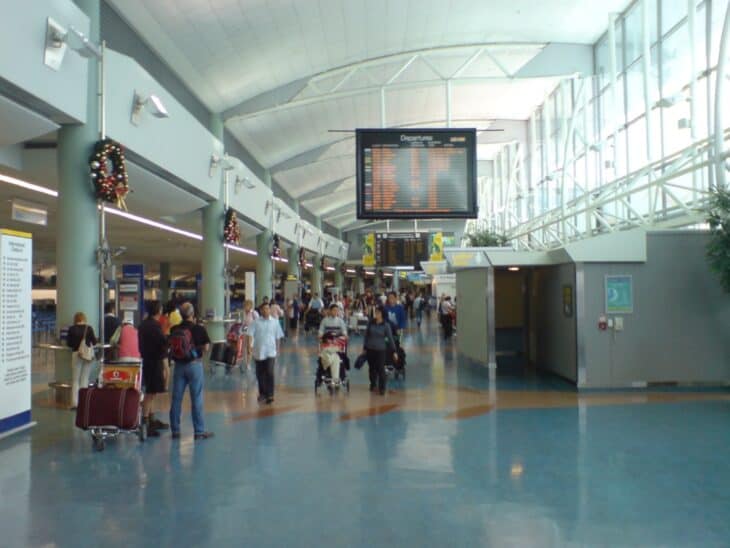

The rules do allow an airport to run a lower category when only smaller aircraft are using it, provided the procedure is written into its approved exposition and published through the aeronautical information service first. Even a reduced service still needs trained crews on duty, which is why a notice covering every member of the team is the airport’s central worry.
Airports elsewhere face the same pressure point: a small, specialized workforce whose absence can ground far more people than its size suggests. Canada’s Jazz Aviation dispatchers dispute earlier this year turned on the same arithmetic.
The last time Auckland’s fire crews struck
Auckland has been here before, on a much smaller scale. On April 26, 2006, the airport’s rescue fire service held a two-hour strike as part of pay talks involving the EPMU union, the airport said in a statement at the time.
That time the airport brought in outside rescue fire contractors and former staff and kept a slightly reduced level of cover. All domestic flights and most international ones ran normally, but four international flights on larger aircraft, from Malaysia Airlines, Cathay Pacific, Garuda Indonesia and Singapore Airlines, had their arrivals held until the strike ended.
This notice is far bigger: two stoppages of 24 hours each, rather than one of two hours. The airport’s statements so far do not detail its contingency options, or say whether a reduced category of cover is among them.
What travelers should do
Anyone flying into or out of Auckland on November 24 or 25, or November 27 or 28, should watch for updates from their airline, since a stoppage starting at 6 a.m. runs into the following morning. The airport’s advice so far is to check directly with the airline rather than wait for an airport-wide announcement.
As of November 11, 2026, no settlement had been reported and the strike notice stood.
Sources and references used for research and fact-checking.
Get the Newsletter
The latest aviation news and stories sent to your inbox.
About the Author

AeroCorner News is the aviation news desk of AeroCorner.com. It covers accidents and incidents, safety rulings, airline and airport disruption, and new aircraft. It works from primary sources such as the NTSB, FAA, EASA and the manufacturers' own announcements.