

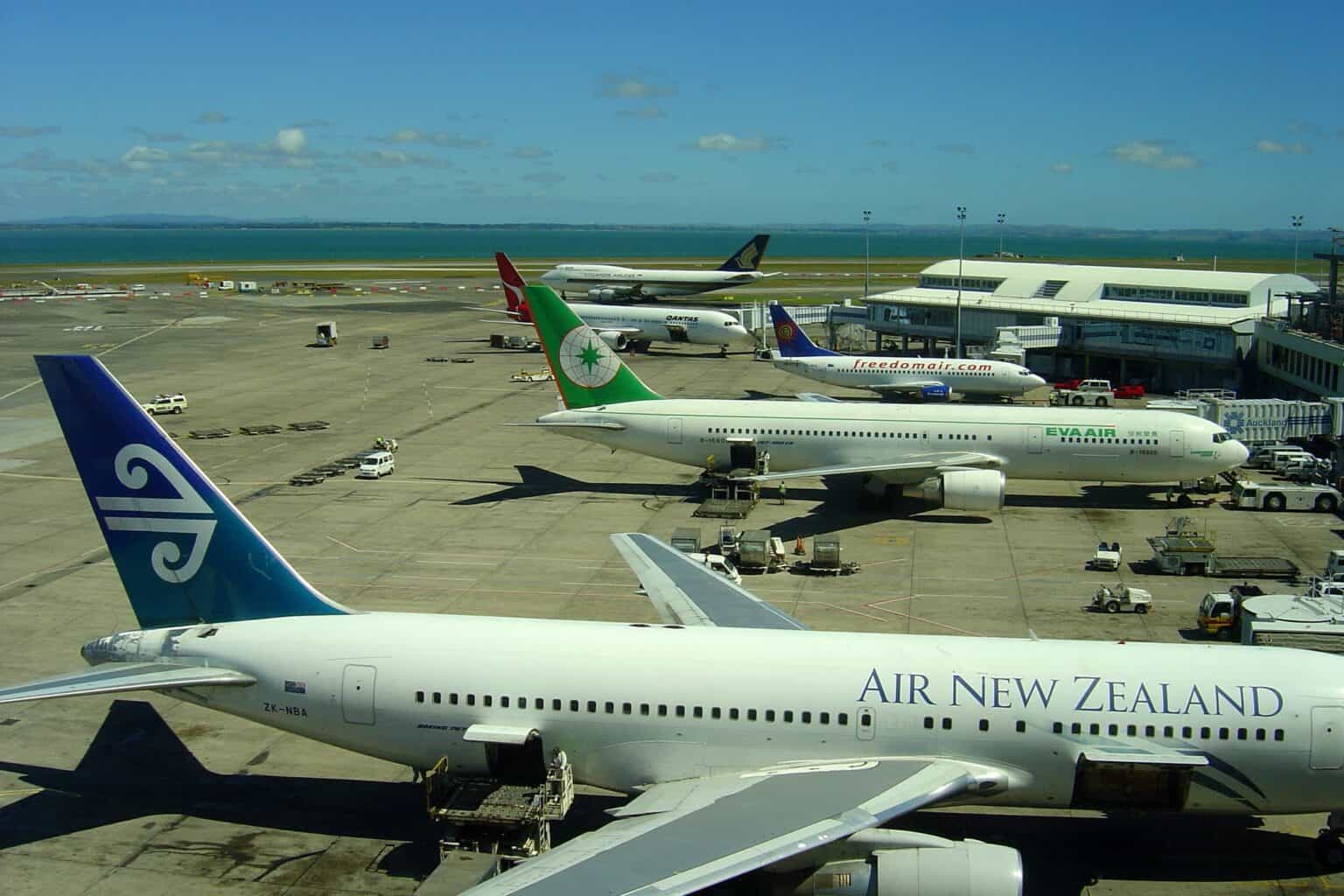
The two 24-hour strikes that threatened flights at Auckland Airport later this month will not go ahead. On Friday, November 13, 2026, New Zealand time, the E tū union withdrew its strike notice for the airport’s Airport Emergency Services team, citing an improved offer from Auckland Airport.
The walkouts had been set for Tuesday, November 24, and Friday, November 27. With the notice withdrawn, flights will operate as normal on both days, the union said.
What changed
The notice covered all 69 members of the team, the airport’s firefighters and emergency responders. When it was served, the airport warned that flights might have to be canceled or diverted, as we reported in our earlier strike coverage on November 11.
E tū assistant national secretary Mat Danaher said the union withdrew the notice so it could take the improved offer back to members. They will consider it next week and vote on it at union meetings, the union said.
“As always, reaching a resolution without the need to take industrial action is the preferred path for everyone involved,” Danaher said. Neither side has made the terms of the offer public.
Auckland Airport’s chief operations officer, Chloe Surridge, said the two sides had made progress in talks and that the team’s members would vote on the outcome early next week. She called the withdrawal “great news” for the thousands of travelers booked on the strike dates. “People can now travel as planned,” she said.
The airport and the union both remain committed to working together in good faith toward a fair agreement for the team, the statement added. The airport’s priority had been to avoid disruption for travelers and the New Zealand aviation sector, Surridge told RNZ.
What the dispute was about
The workers had been pushing for pay that reflects their specialist role and for fair compensation for overseas training. Because the airport’s live-fire training facility has closed, its firefighters travel to Singapore for five days a year to meet Civil Aviation Authority requirements, and from next year that becomes two five-day trips, the NZ Herald reported.
Danaher had also pointed to Auckland Airport’s finances, saying it made NZ$309 million in underlying profit last year and paid NZ$224.9 million in dividends. Whether the improved offer addresses the training trips, the pay claim or both has not been disclosed.
Why 69 people could have stopped an airport
An airport cannot simply run without its fire crews. Under rule 139.111 of New Zealand’s Civil Aviation Rules, a certificated airport must have rescue and firefighting cover in place during regular passenger flights by aircraft with more than 30 seats, and during any regular flight to or from another country.
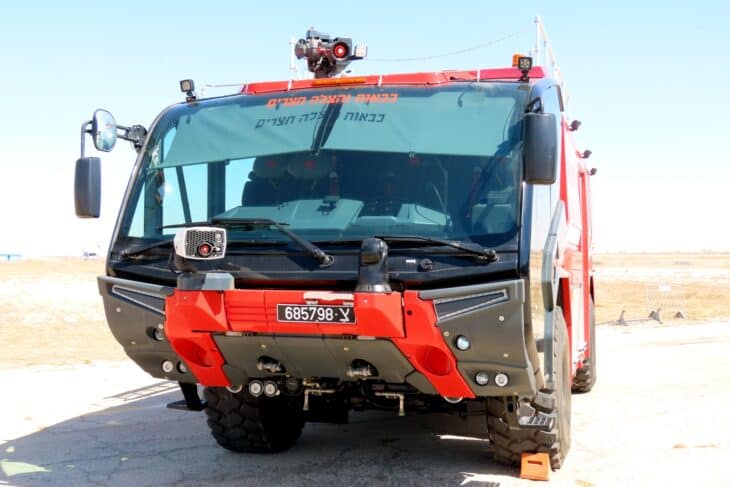

At Auckland International Airport, that means cover for every scheduled international flight and every domestic airline flight with more than 30 seats. The rules allow a lower level of cover only when the airport is limited to smaller aircraft, and only through procedures in its approved exposition that are published in advance.
The same rules explain why training sits at the heart of the dispute. Part 139 requires an airport’s rescue and firefighting personnel to be trained, competent with their equipment and kept current through recurrent training and regular practice, so the trips are not optional for the crews or the airport.
Small specialist groups have this kind of leverage across aviation. In Canada, the 57-member union in the Jazz Aviation dispatchers dispute could have grounded hundreds of daily flights before a tentative agreement in July headed off a strike.
What happens next
The members’ vote early next week is the next step. Neither the airport nor the union has said what would follow if members reject the offer.
For now, travelers booked through Auckland on November 24 and 27 do not need to change their plans. As of November 13, 2026, no new strike notice had been reported.
Sources and references used for research and fact-checking.
Get the Newsletter
The latest aviation news and stories sent to your inbox.
About the Author

AeroCorner News is the aviation news desk of AeroCorner.com. It covers accidents and incidents, safety rulings, airline and airport disruption, and new aircraft. It works from primary sources such as the NTSB, FAA, EASA and the manufacturers' own announcements.