

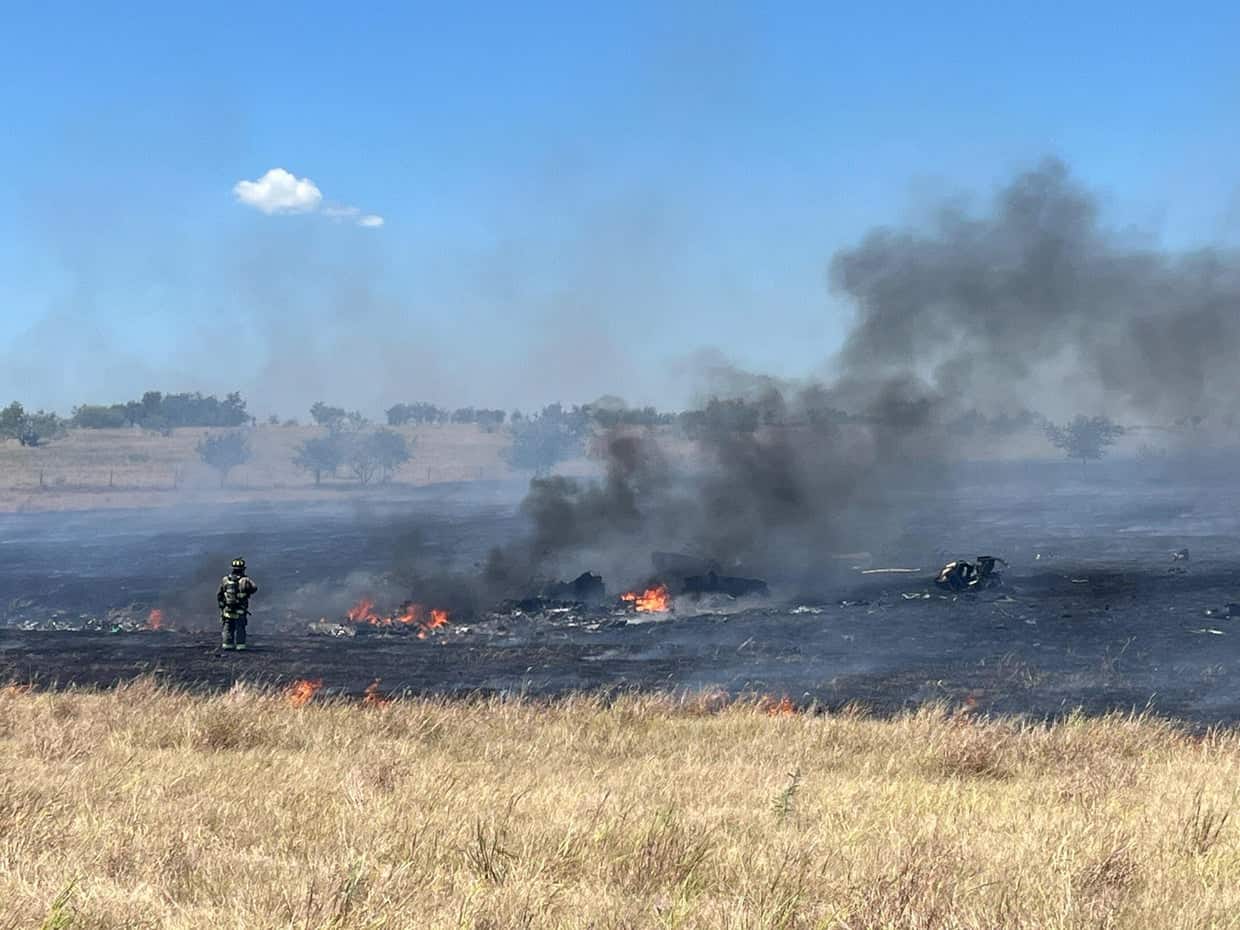
A Fort Hood-based AH-64 Apache attack helicopter crashed in a field near Salado, Texas on August 12, 2026, killing both crew members aboard. The crash ignited a grass fire large enough to force nearby evacuations.
What happened
The Apache went down shortly after 1:30 p.m. local time during what a military official described as a routine training flight, according to Newsweek. Salado sits roughly 50 miles north of Austin, a short flight from Fort Hood’s home airfield.
The helicopter struck an open field rather than any homes or structures. Bell County Sheriff’s Office spokesman Cliff Coleman told reporters, “You could tell it was a violent crash.”
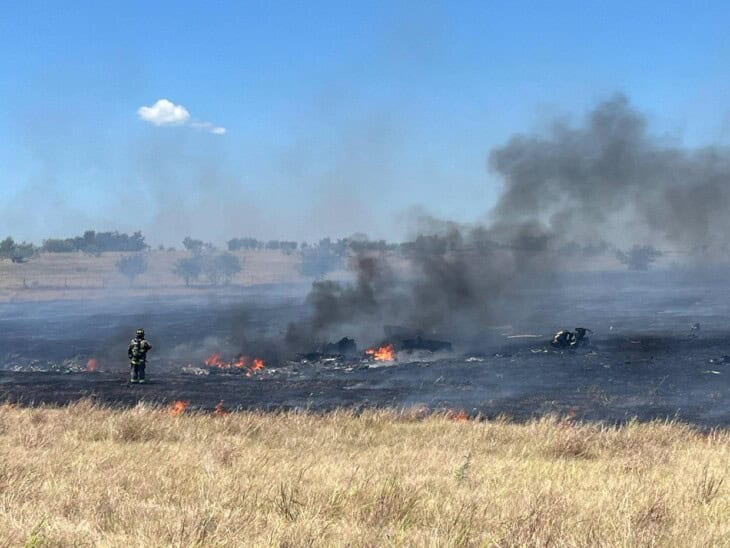
The impact sparked a wildfire that firefighting tankers worked to contain with aerial retardant drops. By evening, the fire had burned roughly 155 acres and was about 85 percent contained, and nearby residents who had been evacuated were allowed to return.
Two crew members lost
Both soldiers aboard the Apache were pronounced dead at the scene. The Army is withholding their names until 24 hours after next of kin are notified, standard practice following a service member’s death.
The aircraft belonged to the 1st Cavalry Division, headquartered at Fort Hood near Killeen. Brig. Gen. Ethan Diven, the division’s acting commanding general, said in a statement that the immediate priority was “securing the site and supporting the initial response efforts.”
How the Army investigates its own crashes
A commercial airliner crash in the US falls to the NTSB, which eventually publishes a full public docket of evidence and a probable cause. A military mishap like this one runs on a different track entirely.
The Army opens two parallel investigations after a fatal aviation accident. A confidential safety investigation, typically run through the Army Combat Readiness Center, exists purely to find root causes and prevent a repeat, and its findings are shielded from release so witnesses speak candidly.
A separate collateral investigation runs alongside it, and that one can eventually be released publicly or used in legal and administrative proceedings. That split process is why a definitive public cause for a military crash often takes far longer to emerge than an NTSB finding.
Cause not yet determined
Officials have not identified what caused the crash. The Army has not said whether this was a mechanical failure, a maintenance issue, or pilot error, and a cause is unlikely to be confirmed for months.

The Boeing-built AH-64 has been the Army’s primary attack helicopter for four decades, flown by a tandem crew with the pilot seated behind the copilot-gunner. It remains one of the world’s most widely exported attack helicopters, in service with more than a dozen allied air forces.
Wednesday’s crash adds to a list of fatal military helicopter accidents this year, a reminder that high-tempo training flights carry real risk even far from combat. AeroCorner has previously covered the toll such crashes take, including a history of the deadliest helicopter accidents on record.
Sources and references used for research and fact-checking.
Get the Newsletter
The latest aviation news and stories sent to your inbox.
About the Author

Tim is the owner and lead editor of AeroCorner since 2019, overseeing aviation content covering aircraft, airlines, airports, and the broader aviation industry. Through years of researching, writing, editing, and publishing aviation-focused content, he has developed extensive practical knowledge of commercial aviation and air travel. Based in Asia and a frequent traveler himself, Tim also brings firsthand passenger experience to AeroCorner’s coverage. Outside of publishing, he has also explored aviation firsthand through hands-on flight training in New Zealand.