

Owners of single-engine turbine airplanes will be able to inspect them under a manufacturer-recommended program, or one they write themselves and get approved by the FAA, instead of the traditional annual or 100-hour inspection. The FAA published the final rule in the Federal Register on November 10, 2026, and it takes effect on January 11, 2027.
The rule amends 14 CFR 91.409 and touches parts 125, 135, 137 and 145 as well. It also brings unmanned aircraft into the same inspection framework, gives fractional program managers more time to file reliability reports, and rewrites several repair station rules.
What changes in 91.409
Until now, a single-engine turbine airplane under part 91 was limited to an annual, a 100-hour or a progressive inspection, the FAA says. The richer menu in 91.409(f) was closed to it.
That menu has four entries: a program drawn from a part 121 or 135 operator’s continuous airworthiness maintenance program, an approved aircraft inspection program under part 135, the manufacturer’s recommended program, or a program the registered owner or operator writes and the FAA approves.
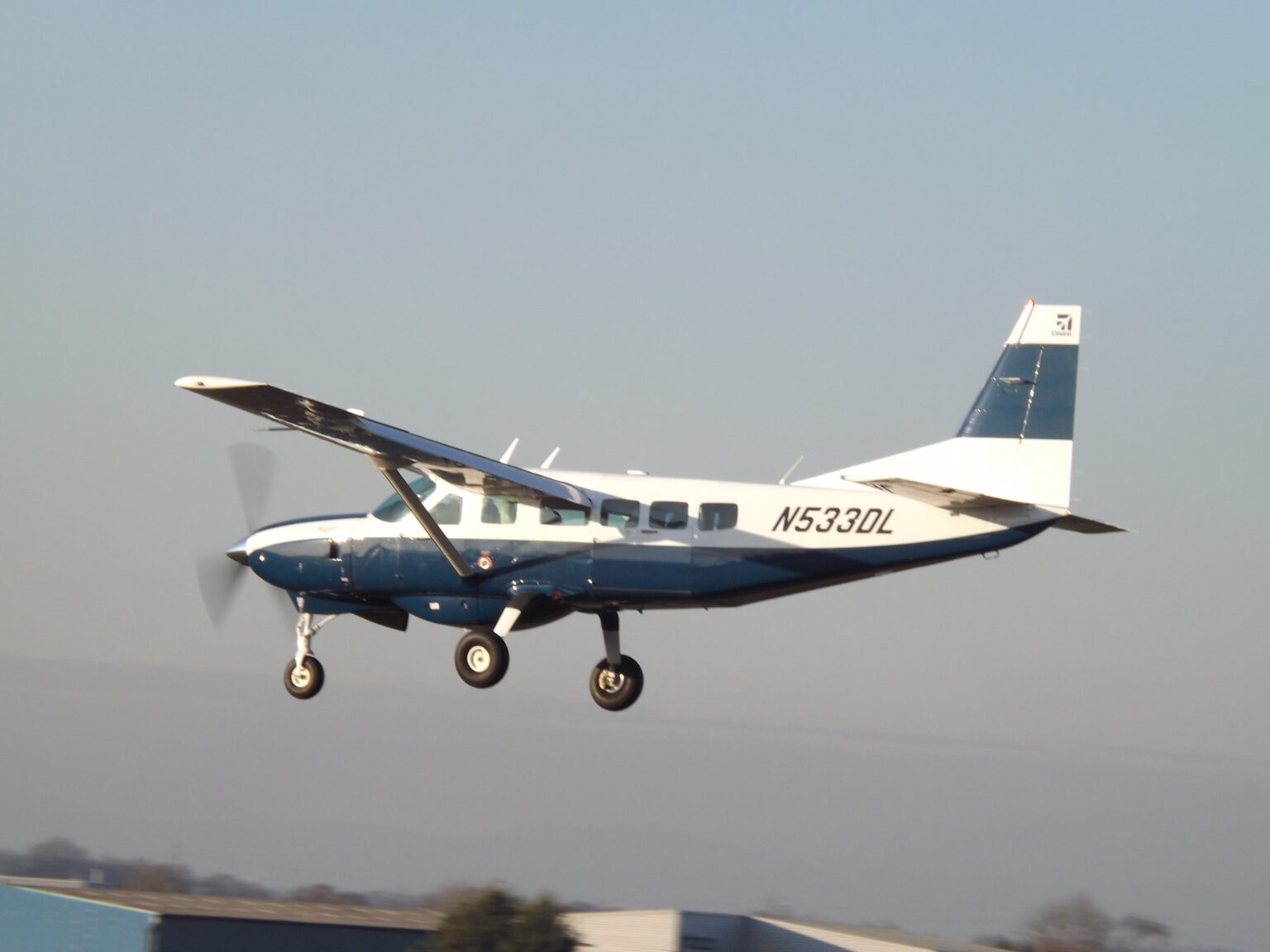
The new 91.409(e)(2) puts single-engine turbine airplanes beside turbine-powered rotorcraft, whose owners may “elect” one of those programs in place of the annual, 100-hour or progressive route. That covers single-engine turboprops such as the Cessna Grand Caravan and the Pilatus PC-12, along with any single-engine jet.
The switch is voluntary. An owner who opts in must record the chosen program in the aircraft’s maintenance records, give a copy to whoever performs the inspections, and still comply with the replacement times for life-limited parts.
A manufacturer program must be the most current version available when the owner selects it. The FAA can order changes to an owner-written program under 91.415.
Why the FAA made the change
Turbine helicopters gained these options in 1989, the rule explains, but single-engine turbine airplanes were left out because they were uncommon at the time. More than 4,500 are now registered in the United States.
The push came from industry. Textron Aviation, which builds the Caravan, petitioned the FAA on September 15, 2016, to bring single-engine turbine airplanes into 91.409(e) and (f), according to the 2024 proposal.
That proposal was published on January 31, 2024, and its comment period closed on May 1, 2024. The FAA received 21 comments, none opposing the part 91, 125, 135 and 137 changes, so it adopted those parts as proposed.
What it means for owners and shops
An annual or 100-hour inspection applies the same broad checklist at fixed intervals. A manufacturer program sets tasks and intervals for the specific model, and can be built with MSG-3, the method manufacturers use to develop scheduled maintenance.
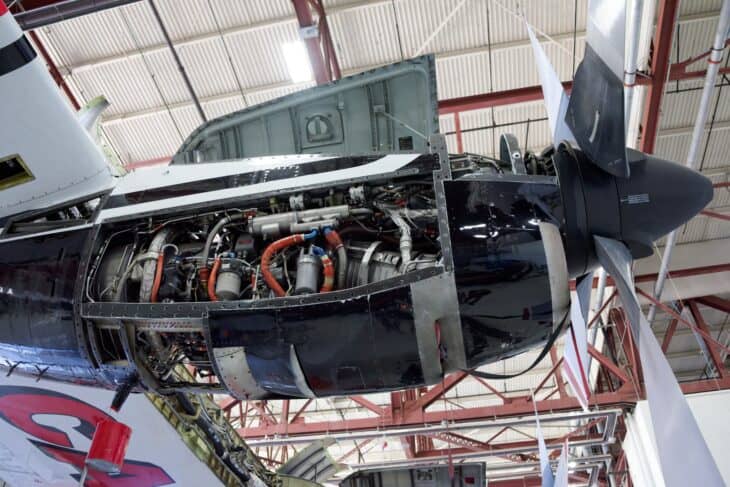
The FAA argues this is safer as well as cheaper. High-use aircraft on 100-hour inspections often develop faults from repeated disassembly and reassembly, it notes, and a less invasive schedule avoids some of that.
One manufacturer told the FAA that an MSG-3 program could save about $9,492 per aircraft (2024 dollars) compared with an annual. The agency puts the total at $57.02 million a year in net savings, annualized over 10 years, assuming every maker of these airplanes offers a program.
That assumption matters. The rule does not require any manufacturer to publish a program, and it does not say which ones have done so. Owners whose manufacturer offers none can still write their own and seek FAA approval.
Charter and flight-training operators gain an extra option too. The 100-hour requirement stays for aircraft carrying people for hire, but under the new 91.409(c) a single-engine turbine airplane on an alternative program is exempt from it, as turbine helicopters already were.
Drones, reporting and repair stations
Unmanned aircraft now sit in 91.409(e)(1) with large and multiengine turbine airplanes, which must be inspected under a 91.409(f) program. The FAA says drone operators under parts 91 and 135 had been working under exemptions and waivers that generally required them to follow the manufacturer’s inspection instructions, so the rule mostly writes existing practice into the regulations.
Drones flown under part 107 were excluded from the proposal. The FAA expects part 135 drone operations to shrink once its separate rulemaking for beyond visual line of sight flights, a new part 108, is finished.
Under 91.1415, fractional ownership program managers get 96 hours instead of 72 to file service difficulty reports, matching airline and charter rules. The FAA says the reports can also be filed electronically.
The rule drops the word “current” from the repair station quality-control requirement on technical data, so stations no longer have to pay for manuals and subscriptions for aircraft they are not working on. The FAA puts the most probable saving at $1,000 to $34,159 per station a year.
| Section | Change |
|---|---|
| 91.409(c), (e), (f) | Single-engine turbine airplanes may elect a 91.409(f) program; unmanned aircraft must use one |
| 91.409(b) | Absorbs the 100-hour or annual requirement for part 137 flights over congested areas |
| 91.403(c), 91.405 | Clarifies alternative compliance with airworthiness limitations and the handling of deferred, inoperative equipment |
| 91.1415 | Service difficulty reports due in 96 hours, not 72 |
| 125.247, 135.411(a)(2) | Clarifies inspection program options and that the part 135 program is a CAMP |
| 145.109, 145.201, 145.211, 145.217 | Technical data and contract maintenance rules for repair stations rewritten |
Sources and references used for research and fact-checking.
- Federal Register / FAA, Inspection Programs for Single-Engine Turbine-Powered Airplanes and Unmanned Aircraft; and Miscellaneous Maintenance-Related Updates (final rule, FR Doc 2026-22953)
- Federal Register / FAA, Inspection Programs for Single-Engine Turbine-Powered Airplanes and Unmanned Aircraft; and Miscellaneous Maintenance-Related Updates (NPRM, FR Doc 2024-00763)
Get the Newsletter
The latest aviation news and stories sent to your inbox.
About the Author

AeroCorner News is the aviation news desk of AeroCorner.com. It covers accidents and incidents, safety rulings, airline and airport disruption, and new aircraft. It works from primary sources such as the NTSB, FAA, EASA and the manufacturers' own announcements.