

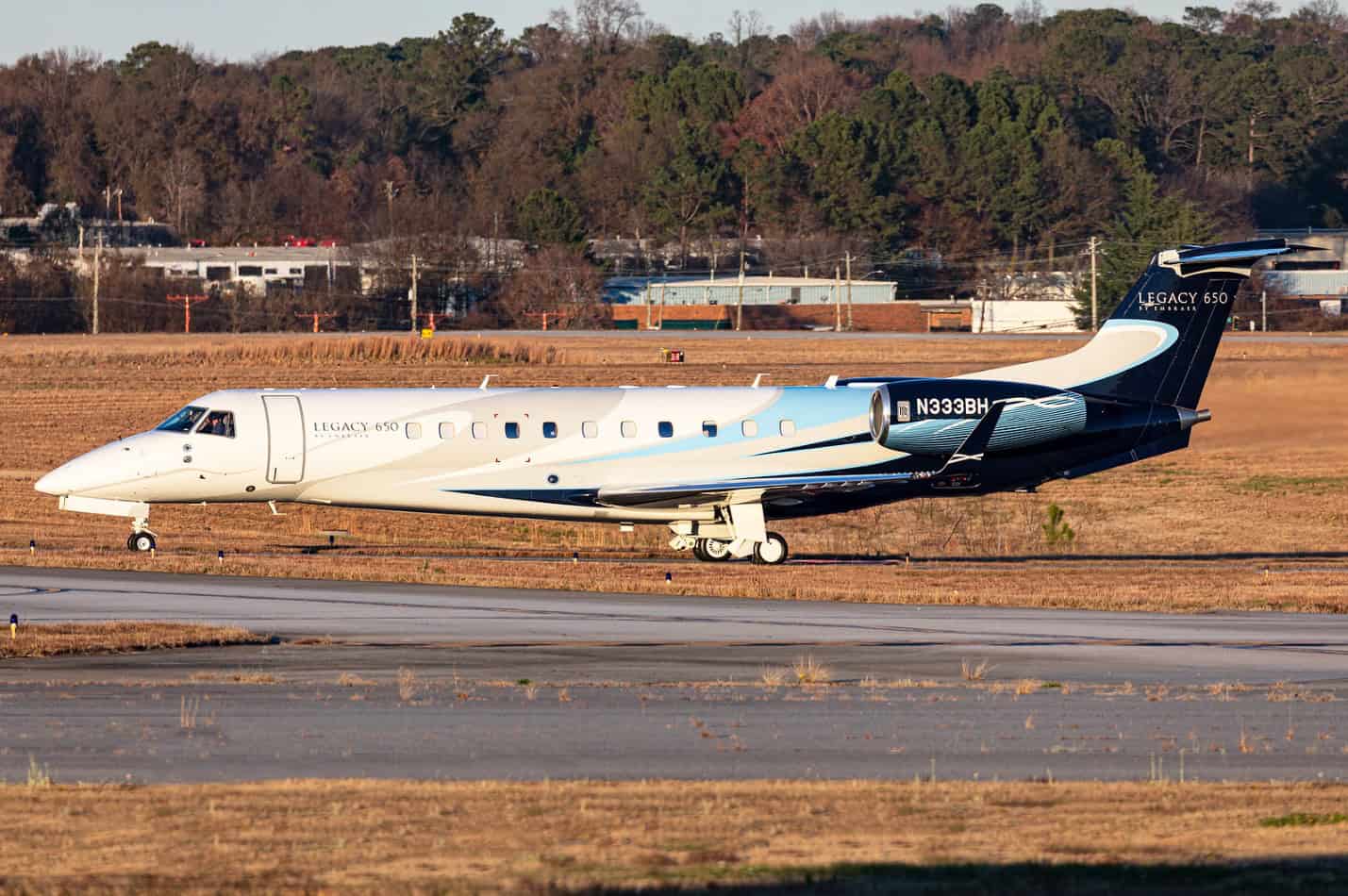
On September 22, 2026 the FAA proposed a $260,868 civil penalty against ExcelAire, LLC of New York and Georgia, accusing the company of conducting unauthorized charter operations. The allegation is unusually stark: the FAA says ExcelAire kept flying paying passengers after it no longer held the certificate that allows it to.
According to the agency, ExcelAire operated two flights for compensation or hire in August 2025. Its air carrier certificate had been surrendered to the FAA two months earlier, in June 2025, by the company’s own director of operations.
That surrender happened because the management had walked out. The FAA says the director of operations, and the rest of the company’s required management personnel, resigned at the same time.
What the Certificate Actually Does
Flying people for money is a different legal activity from flying yourself and your friends. A commercial air charter operator runs under Part 135, and it needs an air carrier or operating certificate plus FAA-issued Operations Specifications that spell out exactly what it is authorized to do.
The certificate is not a license that sits in a drawer. It is tied to named, qualified people, and in the FAA’s own descriptions of comparable cases that means a director of operations, a chief pilot and a director of maintenance, the post holders required under Part 119.
Why the management roles are the safety mechanism
Those three post holders are the humans who own the decisions a passenger never sees: which pilots are trained and current, which aircraft is released to service, whether a flight goes in marginal weather. An operator without them has nobody accountable for those calls, which is why the FAA treats a gap in required management as a safety finding rather than a paperwork lapse.
The FAA also alleges that ExcelAire still lacks the required qualified management personnel to ensure the safety of its operations. Its language on the two flights is blunt, saying the conduct “demonstrates a disregard for the safety of the flying public” and was “careless or reckless so as to endanger the lives and property of others.”
A Campaign, Not a One-Off
Unlicensed charter has been a standing FAA enforcement target. In a separate set of cases the agency proposed penalties totaling $1,228,671 against five companies for illegal charter flights, and the pattern in those cases is close to identical.
PottCo Airlease of Council Bluffs, Iowa, faces $344,672 for 16 paid passenger flights in a twin-engine Cessna Conquest with no air carrier certificate and no Operations Specifications. A second Iowa company, PottCo Tactical Air, faces $301,676 for 43 such flights in the same aircraft type.
Wikert Air of Omaha faces $233,133 for 21 flights in a Pilatus PC-12, Oracle Aviation, also of Omaha, faces $191,536 for nine, and East Shore Aviation of North Charleston, South Carolina faces $157,654. Each of those cases turns on the same two failures: no certificate, and no qualified director of operations, chief pilot or director of maintenance.
The flights in the four cases the FAA dated ran between February 2018 and February 2020, years before the ExcelAire flights. The agency also alleged in those cases that the operators used pilots who had not passed required tests, proficiency checks or training.
Why Passengers Cannot Tell
From the ramp, an illegal charter is indistinguishable from a legal one. The same aircraft type, the same crew uniforms, often the same airports, and a booking process that feels ordinary.
What is missing is the oversight layer behind it, and the ExcelAire allegation is the clearest version of that. The aircraft and the pilots may have been unchanged across June to August 2025. The accountability structure, by the FAA’s account, was not.
ExcelAire Said the Opposite a Year Ago
The company has addressed this ground before, though not in response to this penalty. In September 2025, while ExcelAire was facing three separate lawsuits from charter brokers and an aircraft lessor, Private Jet Card Comparisons published a statement from the company’s Marcos Bell.
“With respect to operational authority, ExcelAire continues to operate in full compliance with FAA Part 135 requirements,” Bell said. “We maintain all FAA-mandated Part 119 management positions and oversight functions, as approved by the FAA.”
That statement was made three months after the date on which the FAA now says the certificate was surrendered and the management resigned. It was a response to litigation, not to an enforcement notice that did not yet exist, so it is not the company’s answer to these allegations. It is the nearest thing on the record.
Proposed, not proven
Every claim here is an FAA allegation attached to a proposed civil penalty, not a finding of fact or a settled fine. A proposed penalty is the opening position in an enforcement process: ExcelAire has 30 days from receiving the notice to respond to the agency, and the amount can change from there. We found no ExcelAire statement specifically answering this penalty.
Sources and references used for research and fact-checking.
Get the Newsletter
The latest aviation news and stories sent to your inbox.
About the Author

Tim is the owner and lead editor of AeroCorner since 2019, overseeing aviation content covering aircraft, airlines, airports, and the broader aviation industry. Through years of researching, writing, editing, and publishing aviation-focused content, he has developed extensive practical knowledge of commercial aviation and air travel. Based in Asia and a frequent traveler himself, Tim also brings firsthand passenger experience to AeroCorner’s coverage. Outside of publishing, he has also explored aviation firsthand through hands-on flight training in New Zealand.