

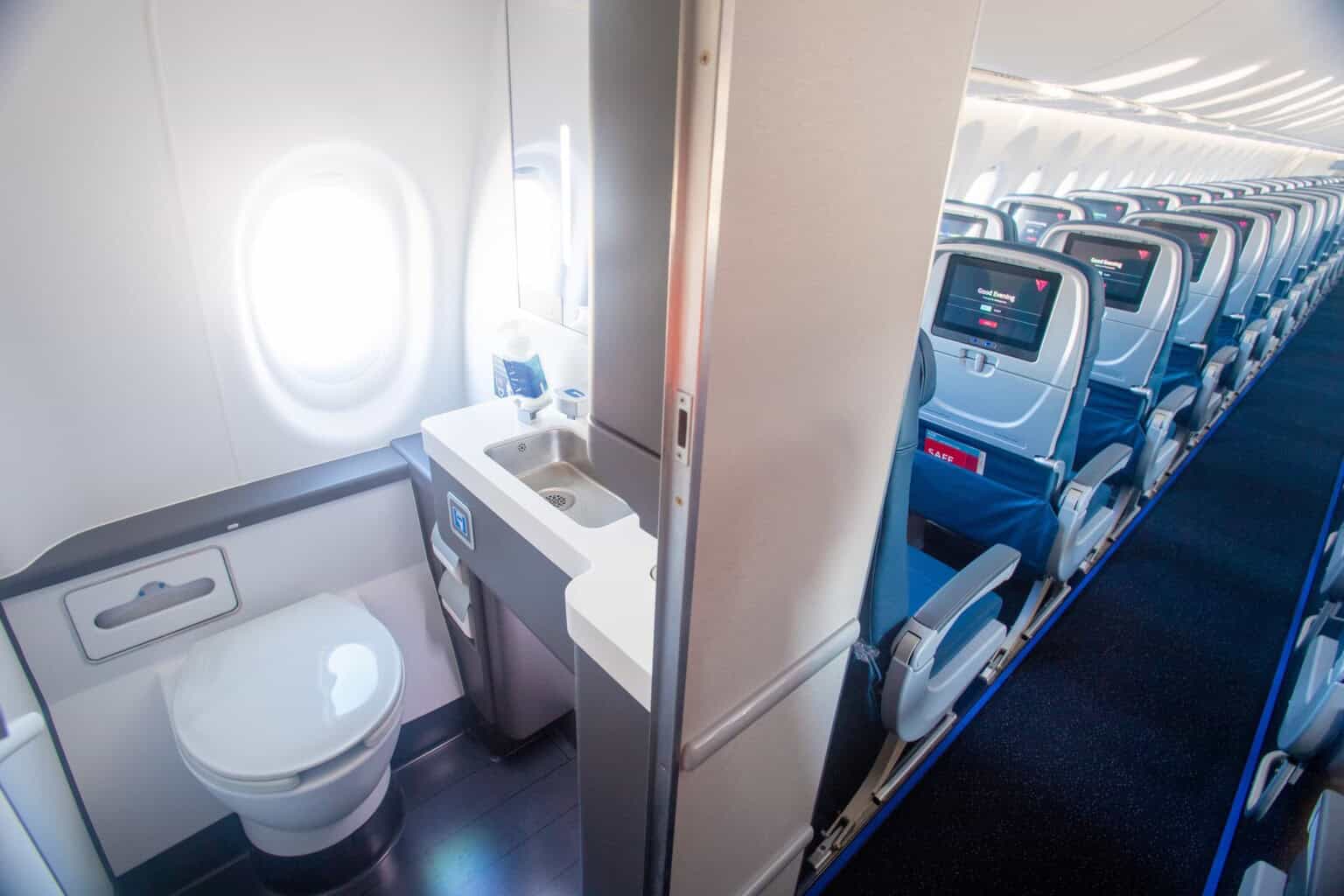
On July 11, 2026, a Delta Air Lines Airbus A220 bound for Anchorage declared an emergency and diverted to Vancouver after cabin crew smelled what seemed to be cigarette smoke in a rear lavatory. Canadian investigators have now traced the odor to a faulty water heater, not a passenger sneaking a smoke.
What happened on Flight 928
Delta flight DL928 left Seattle-Tacoma at around 2:30 p.m. for the roughly three-hour flight to Anchorage, carrying 136 passengers and crew. The aircraft was a four-year-old Airbus A220-300 registered N311DU.
While cruising at 32,000 feet about 120 nautical miles northwest of Vancouver, flight attendants noticed a vape-pen or cigarette-like odor drifting from the aft lavatories. According to the Transportation Safety Board of Canada, the smell intensified and began affecting both crew and passengers seated toward the rear of the cabin.
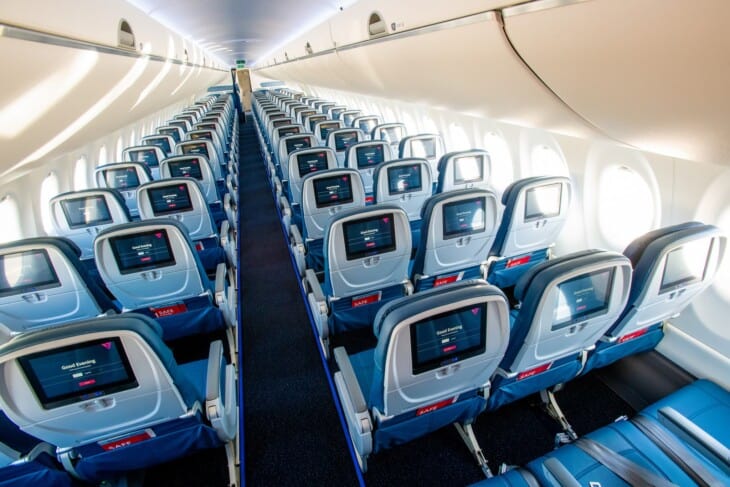
The crew searched the lavatories and found no sign that anyone had been smoking. With the source unidentified, the pilots declared an emergency and turned toward Vancouver International, landing on runway 08L roughly 35 minutes later. No one was hurt.
What investigators found
The Transportation Safety Board of Canada determined that the odor came from the water mixer and heater unit in the left aft lavatory, a rare component fault rather than any smoking. The report says the repair was initially deferred under standard maintenance procedures before the affected part was replaced.
The aircraft was grounded for about 17 hours and then returned to service. The details of the incident surfaced publicly only this week, weeks after the diversion, when the Canadian safety board published its findings.
Why an odor becomes an emergency
On an airliner, an unexplained smell of smoke is treated as a possible fire until proven otherwise. Crews cannot tell from their seats whether a burning odor is a harmless overheating component or the first sign of a fire building behind a panel.
That is why the standard response is not a lengthy investigation but a fast descent to the nearest suitable airport. Fire is one of the few threats that can overwhelm an aircraft in minutes, so checklists for smoke or fumes of unknown origin prioritize getting on the ground over pinpointing the cause in the air.

Vancouver was the logical choice here. It was close, it has long runways, and it offered a controlled place to land while the crew still had time and options. A precautionary diversion like this one is far preferable to pressing on toward Anchorage with an unexplained smell in the cabin.
Reality check
The fact that nobody was smoking is exactly the point. Crews do not wait to confirm the source of an odor before acting, because the one scenario they cannot afford to be wrong about is a real fire. Diverting on what turns out to be a component fault is the system working as intended, not an overreaction.
The episode also shows how ordinary the trigger can be. Water heaters, galley equipment, and cabin electronics can all produce a smell that mimics smoke when a part begins to fail. The July 11 diversion joins a run of recent precautionary landings, including an American 777 that diverted to New York with a gear problem, where crews chose caution over completing the flight.
Sources and references used for research and fact-checking.
Get the Newsletter
The latest aviation news and stories sent to your inbox.
About the Author

Tim is the owner and lead editor of AeroCorner since 2019, overseeing aviation content covering aircraft, airlines, airports, and the broader aviation industry. Through years of researching, writing, editing, and publishing aviation-focused content, he has developed extensive practical knowledge of commercial aviation and air travel. Based in Asia and a frequent traveler himself, Tim also brings firsthand passenger experience to AeroCorner’s coverage. Outside of publishing, he has also explored aviation firsthand through hands-on flight training in New Zealand.