

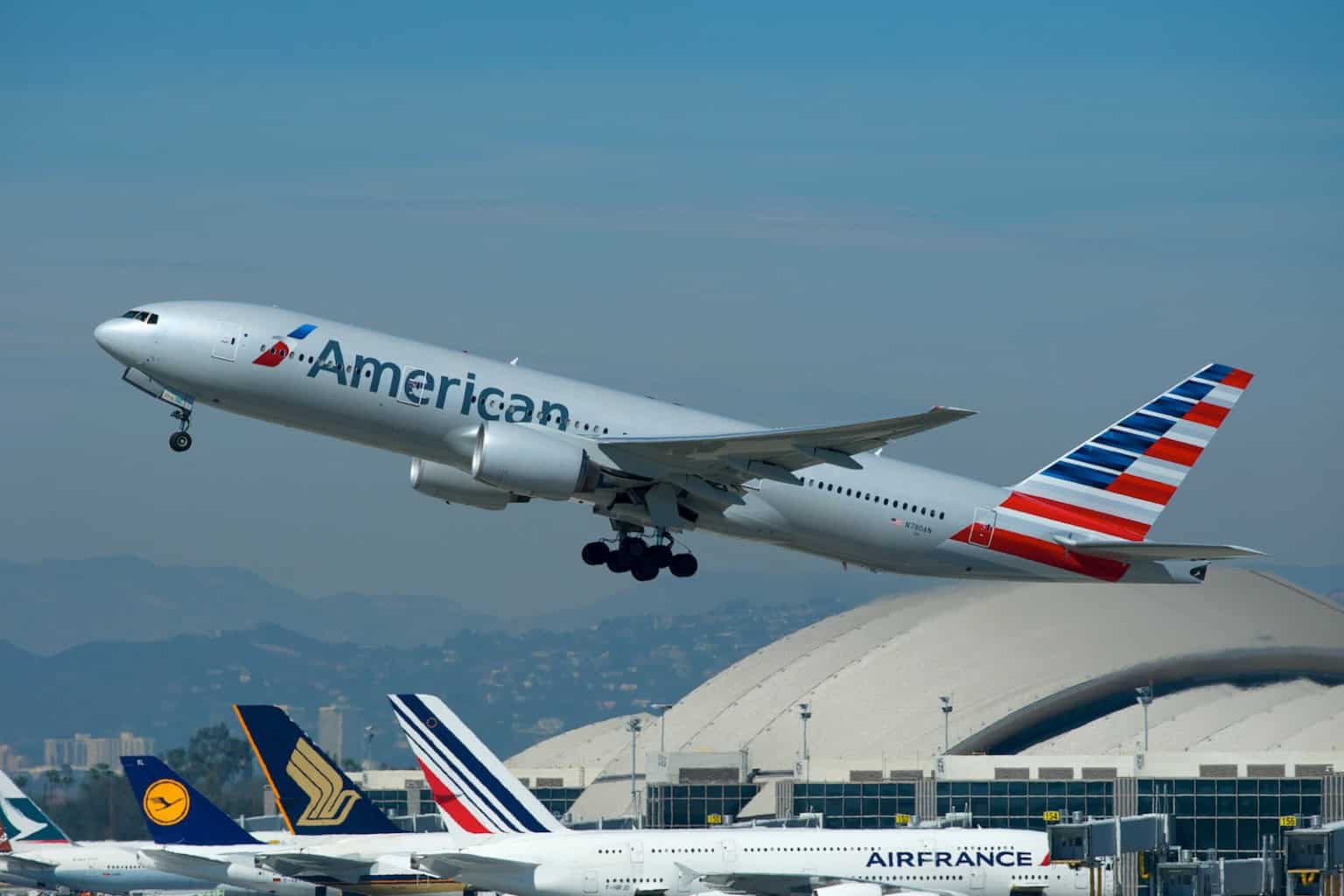
On July 20, 2026, American Airlines Flight AA108 turned back toward New York rather than cross the Atlantic after its landing gear would not retract. The Boeing 777-200ER had departed Boston Logan for London Heathrow, and it landed safely at John F. Kennedy International Airport with no injuries reported.
What happened
According to flight-tracking data and first reporting from aviation outlet AIRLIVE, the widebody pushed back from Boston Logan and climbed away normally before the crew found the gear stuck in the down position. The aircraft involved was registered N772AN.
Instead of continuing east, the crew held the aircraft at a low altitude, around 5,000 feet, and routed south down the coast toward Long Island. It then landed at JFK, which serves as an American Airlines widebody maintenance base.
American dispatched a second 777-200ER, registered N784AN, to carry the passengers and crew back to Boston. The original transatlantic service was then cancelled and travelers were rebooked. Technical teams were inspecting the aircraft at JFK to determine why the gear failed to retract.
Why gear that will not retract ends a long-haul flight
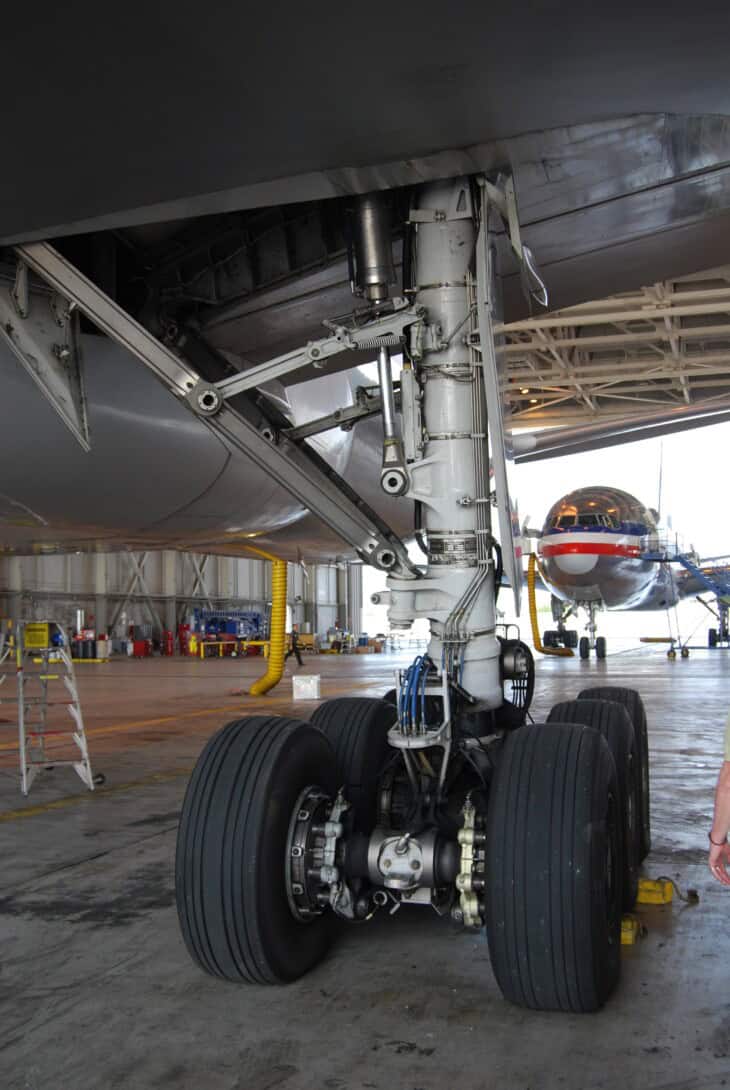
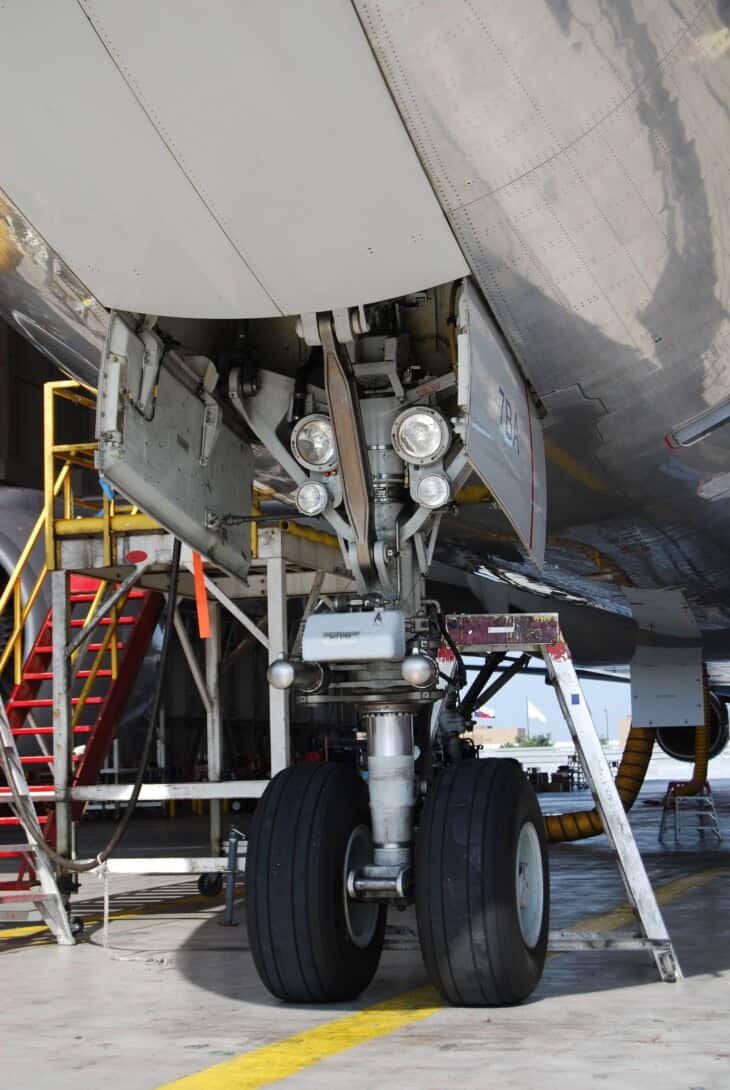
Landing gear left hanging in the airflow is not a safety emergency by itself. The wheels are already down and locked, so the aircraft can land normally. The problem is drag, and drag is what makes an ocean crossing impossible.
Extended gear on a jet the size of a 777 dramatically increases aerodynamic resistance, which forces the engines to burn far more fuel to hold speed and altitude. A flight planned to reach London on a normal, clean-airframe fuel load would run out well short of Europe if it tried to cross with the gear locked down.
The core issue is fuel, not the wheels
With the gear stuck down, extra drag roughly doubles fuel burn at cruise. The aircraft can land safely anywhere, but it can no longer carry enough fuel to reach its planned destination, so the flight has to end early.
That also explains the low altitude and the choice of JFK. A heavy, high-drag widebody stays lower and slower, and the crew steered toward an airport where American has the engineering support to diagnose a landing-gear fault. A 777 can also jettison fuel to reach a safe landing weight if needed, one of the reasons a diversion like this rarely becomes dangerous.
The decision follows the same logic behind any flight diversion: get the aircraft on the ground at a suitable airport rather than press on with a jet that can no longer complete its mission. It is the same calculation crews made in recent weeks, from a Southwest fuel-leak diversion to storm-driven fuel diversions across the US.
The Boeing 777-200ER is a long-range twin built for exactly these Atlantic routes, which is why a retraction fault, rather than the airframe itself, is the limiting factor here. As of publication, American had not issued a detailed public statement and the cause of the fault was still under review.
Reality check
A gear-down diversion looks alarming on a flight tracker, but it is a controlled, well-rehearsed decision. The wheels being down is the safe state for landing. What the crew managed was range and weight, not an in-flight failure of the aircraft’s ability to fly.
Get the Newsletter
The latest aviation news and stories sent to your inbox.
About the Author

Tim is the owner and lead editor of AeroCorner since 2019, overseeing aviation content covering aircraft, airlines, airports, and the broader aviation industry. Through years of researching, writing, editing, and publishing aviation-focused content, he has developed extensive practical knowledge of commercial aviation and air travel. Based in Asia and a frequent traveler himself, Tim also brings firsthand passenger experience to AeroCorner’s coverage. Outside of publishing, he has also explored aviation firsthand through hands-on flight training in New Zealand.