

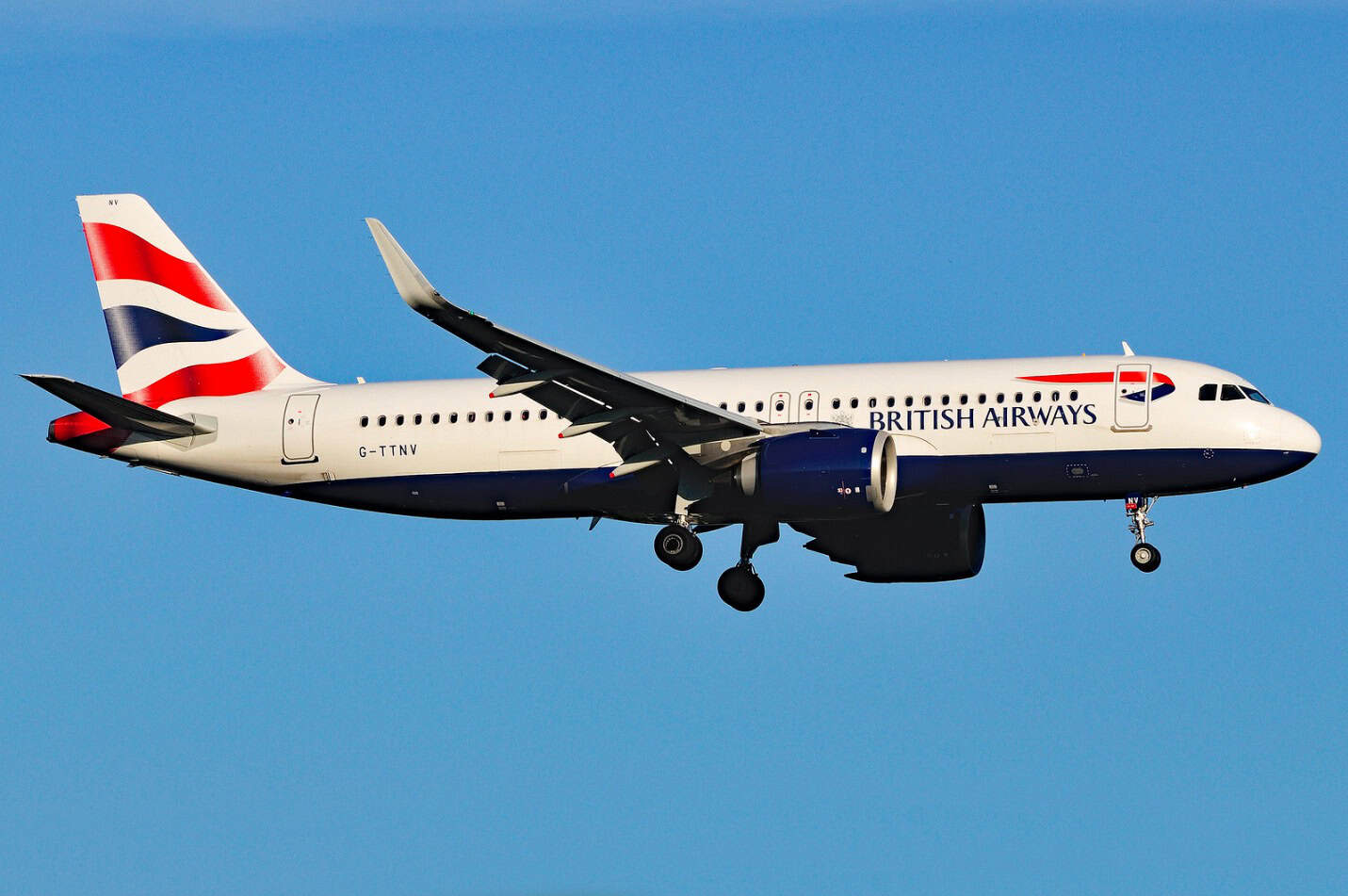
On July 22, 2026, a British Airways Airbus A320neo flying from Rome to London declared an emergency on approach to Heathrow after the crew reported a hydraulic problem affecting the landing gear. The aircraft landed safely with no reported injuries.
The event briefly pushed London Heathrow, one of the busiest two-runway airports in the world, onto single-runway operations while controllers managed the arriving flight. Both British Airways and the airport handled the situation without an accident, but it rippled into the airport’s tightly packed arrival flow.
What Happened
Flight BA547 departed Rome Fiumicino around midday bound for Heathrow, operated by an Airbus A320neo registered G-TTNR. Flight-tracking service AirNav Radar reported that the crew declared an emergency after detecting a hydraulic issue tied to landing gear operation.
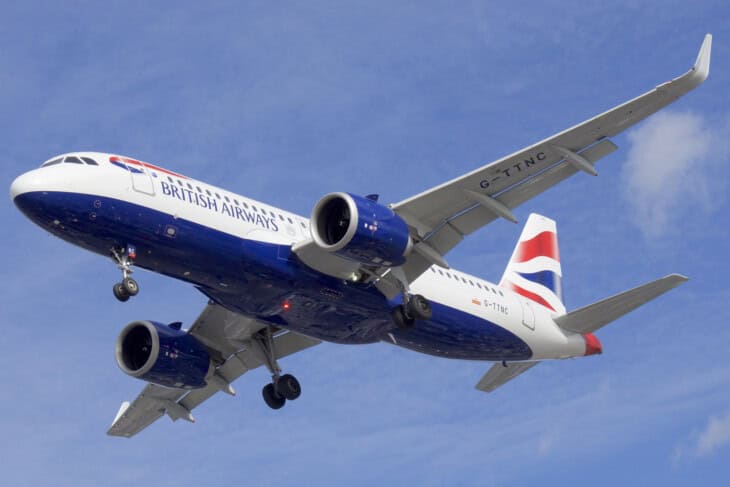
According to early reports and tracking data, the crew broke off the first approach and carried out a go-around, then held near the airport for roughly 20 minutes while working through checklists. The aircraft came back for a second approach and landed without further incident.
The incident was first reported by aviation outlet Airlive. British Airways and Heathrow had not issued detailed public statements on the cause as of publication, so the technical specifics remain preliminary.
Why One Runway Matters
Heathrow runs two parallel runways almost to their limit for most of the day, with little spare capacity. When a flight needs priority handling, controllers can shift all arrivals onto a single runway for a short period, which is what reports say happened here for about 10 minutes.
Even a brief switch to one runway forces holding and knock-on delays at a hub that has almost no slack built in. That is why a single aircraft with a technical fault can affect dozens of other flights, even when it lands safely.
The underlying fault points to the aircraft’s hydraulic systems, which power the landing gear, brakes, and flight controls. Airliners carry multiple independent hydraulic circuits plus a gravity backup for extending the gear, so a single hydraulic anomaly rarely leaves a crew without options. Declaring an emergency mainly guarantees priority handling and standby emergency services on the ground.
A go-around is a standard, precautionary maneuver rather than an emergency in itself. It gives the crew time to run checklists, confirm the gear is down and locked, and set up a clean second approach. British Airways operates a large narrowbody fleet and is in the middle of expanding its A320neo fleet.
Details still preliminary
Altitudes, timings, and the single-runway window come from flight-tracking data and early reporting, not an official British Airways or Heathrow statement. Treat the specifics as provisional until the airline or a regulator confirms them.
Get the Newsletter
The latest aviation news and stories sent to your inbox.
About the Author

Tim is the owner and lead editor of AeroCorner since 2019, overseeing aviation content covering aircraft, airlines, airports, and the broader aviation industry. Through years of researching, writing, editing, and publishing aviation-focused content, he has developed extensive practical knowledge of commercial aviation and air travel. Based in Asia and a frequent traveler himself, Tim also brings firsthand passenger experience to AeroCorner’s coverage. Outside of publishing, he has also explored aviation firsthand through hands-on flight training in New Zealand.