

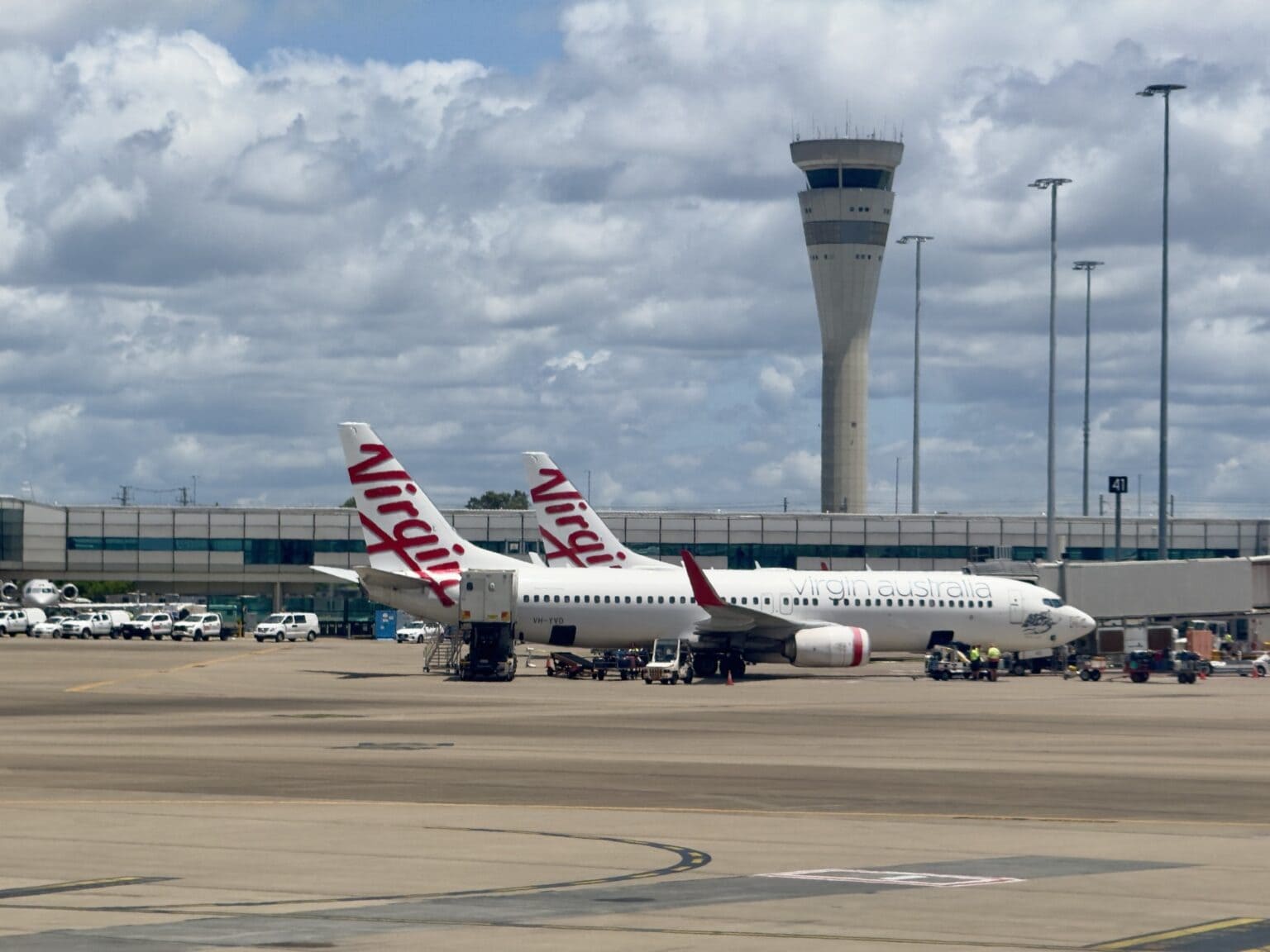
A lightning strike damaged the surface of Brisbane Airport’s western runway on Tuesday, October 27, 2026, as severe thunderstorms and giant hail swept across south-east Queensland. The airport warned passengers to expect “some delays”.
In a post on social media, ABC News reported, the airport also said its eastern runway had “just reopened” following a safety inspection. The western runway was closed for repairs, Rus Tourism News reported, leaving Brisbane Airport on one of its two runways.
What we know about the runway
Brisbane has two parallel runways running north to south. The western one is runway 01L/19R, the newer of the pair, which Airservices Australia says opened on July 12, 2020.
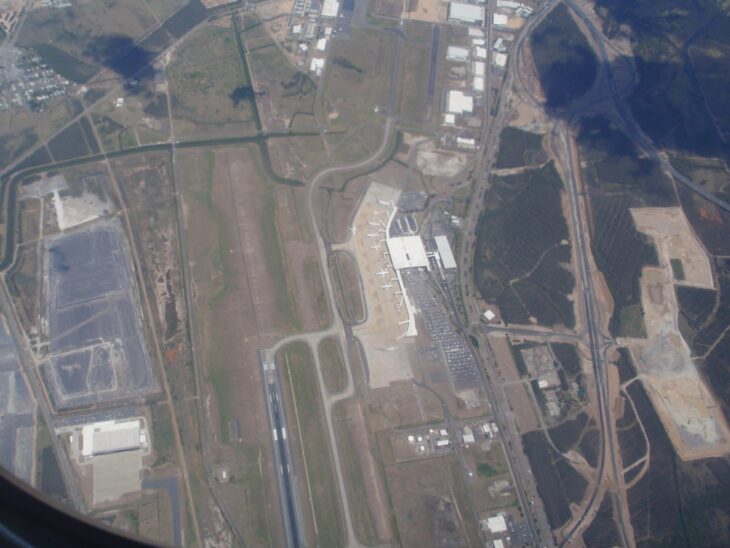
It is listed at 10,827 feet (3,300 m), a little shorter than the 11,680-foot (3,560 m) legacy runway to the east, now designated 01R/19L. The new runway’s first departure was a Virgin Australia flight to Cairns.
The airport has not said, in anything we could find, how large the damage is, how long the repairs will take or when the western runway will reopen. We found no statement from Qantas, Virgin Australia or Jetstar, and no confirmed count of delayed or canceled flights, at the time of writing.
Passengers flying through Brisbane should check their flight’s status with their airline before setting out, which is the airport’s own standing advice during storms.
The storms behind it
According to ABC News, the Bureau of Meteorology had a severe thunderstorm warning out for Logan, parts of Ipswich, the Gold Coast, Brisbane City and the Scenic Rim, warning of damaging, locally destructive winds, heavy rain and large, possibly giant, hail.
Hailstones from about 1.2 to 2.8 inches (3 to 7 cm) across were recorded at Yamanto, Flinders View, Ripley and Mudgeeraba between 2:30 pm and 3:30 pm, the bureau confirmed. The bureau classes anything over 2 inches (5 cm) as giant hail.
How Brisbane Airport handles a storm
Brisbane Airport says it does not close during storms, but lightning changes how the airfield works long before a bolt touches the pavement. Its storm guidance describes two levels of warning lights.
White storm lights mean storm activity within 10 nautical miles, and every crew goes on alert. Blue lights mean activity within 5 nautical miles, and airline crew, ground staff and airport workers must leave the tarmac at once.


At that point aircraft can still land and take off, but baggage handling, catering, refueling, cleaning and maintenance stop. So a departing flight can be ready to go and still wait for its bags or its fuel until the lights change.
The airport adds that storms along the main arrival and departure paths can slow or divert aircraft, and that delays at a connecting hub such as Sydney can flow on to Brisbane.
Losing a runway compounds that. Air traffic controllers at Airservices Australia normally run Brisbane’s parallel runways together, and with the western strip shut, every arrival and departure has to share the eastern one.
What lightning does to a runway
A runway is a wide, flat target in open ground, and a direct strike can leave holes in the pavement. Broken surface has to be found, inspected and patched before aircraft use the runway again.
Other airports show the range. In July 2020, a strike left a hole about 3 feet by 3 feet and 3 inches deep near a runway at Pittsburgh International, CBS Pittsburgh reported, and the runway reopened the next morning.
In June 2014, lightning punched three holes in a runway at Fort Lauderdale-Hollywood International, and crews filled them and reopened it after a little more than an hour, according to CBS Miami.
Lightning can also disrupt an airport without touching a runway. In August, a strike knocked out air traffic control at London Luton, and two jets declared fuel emergencies.
Airliners are designed to absorb a strike, which is why planes struck by lightning usually fly on. On the ground, it is the people, the pavement and the systems around them that a storm can put out of action.
Sources and references used for research and fact-checking.
Get the Newsletter
The latest aviation news and stories sent to your inbox.
About the Author

AeroCorner News is the aviation news desk of AeroCorner.com. It covers accidents and incidents, safety rulings, airline and airport disruption, and new aircraft. It works from primary sources such as the NTSB, FAA, EASA and the manufacturers' own announcements.