

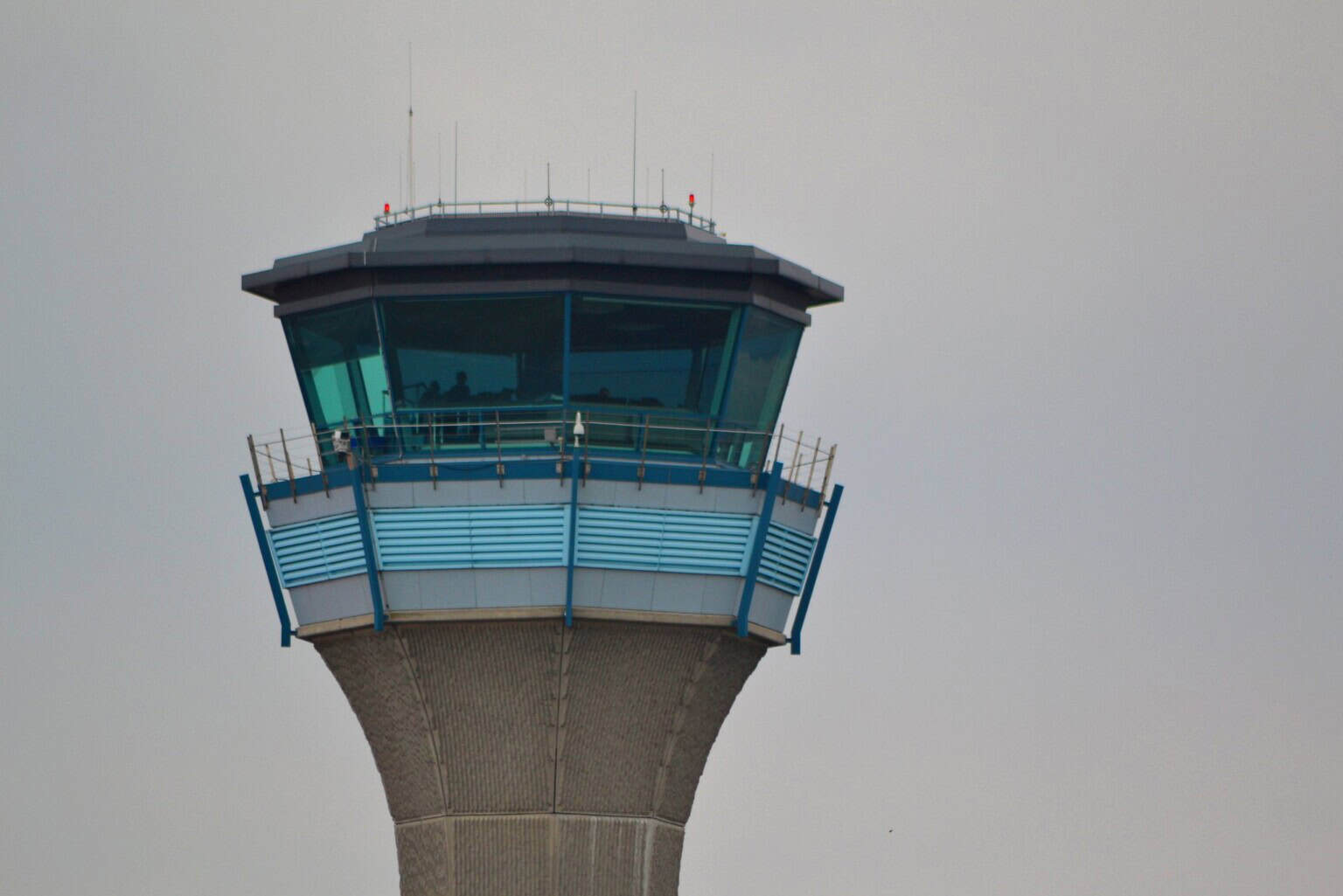
On the evening of August 27, 2026, a lightning strike disabled air traffic control equipment at London Luton Airport, stopping all arrivals and departures for about 95 minutes. Operations were suspended between 5:40pm and 7:15pm BST, and around 30 flights were cancelled or diverted while the equipment was repaired.
Severe storms across the south east
The strike came during a band of severe thunderstorms that swept south-east England, with flash flooding reported on local roads and on the airport approach. An airport spokesperson said flights had “resumed following an earlier suspension of operations caused by a lightning strike affecting air traffic control equipment.”
NATS, the UK air navigation service provider, said severe thunderstorms had caused significant disruption to flights at both Luton and Stansted. Aircraft already inbound to Luton were held or sent elsewhere. Two Wizz Air services were affected directly: flight W95378 from Turin diverted to Gatwick, and W92601 from Prague diverted to Stansted, with other flights routed to East Midlands. One passenger reported being kept on board a parked aircraft for around two hours.
Why holding turned into fuel emergencies
Both Wizz Air flights declared a low-fuel emergency while waiting for a landing option, according to reporting by AIRLIVE. That sounds alarming, but it is a defined procedure rather than a sign of an aircraft about to run dry.
Airliners depart with fuel for the trip, plus a reserve, plus enough to reach a designated alternate airport if the destination becomes unusable. When a destination closes with no warning, inbound aircraft enter holding patterns and start burning fuel that was not in the plan. Crews track the figure closely.
Once the projected landing fuel approaches the point where final reserves could be eaten into, the crew declares an emergency, squawking 7700, to get priority handling and a guaranteed runway. That is the system working as designed. Both Wizz Air jets landed safely at their alternates and were met by ground crews as a precaution.
The wider point is how a single ground failure ripples outward. Aircraft themselves are routinely struck by lightning and shrug it off, but ground radar, radios and power systems are more exposed, and losing one of them can shut an airport in seconds. An unplanned closure then forces the same regional scramble that sent inbound flights elsewhere when a person walked onto the airfield at Manchester earlier this year.
Reality check
The two Wizz Air aircraft were not in danger of running out of fuel. A fuel emergency triggers priority handling well before reserves are exhausted, which is exactly why crews call it early. The genuinely disruptive failure was on the ground.
Luton returned to normal operations later that evening. The airport warned that some flights would still be delayed or cancelled into the night as airlines repositioned aircraft and crews that had ended up in the wrong place.
Get the Newsletter
The latest aviation news and stories sent to your inbox.
About the Author

Tim is the owner and lead editor of AeroCorner since 2019, overseeing aviation content covering aircraft, airlines, airports, and the broader aviation industry. Through years of researching, writing, editing, and publishing aviation-focused content, he has developed extensive practical knowledge of commercial aviation and air travel. Based in Asia and a frequent traveler himself, Tim also brings firsthand passenger experience to AeroCorner’s coverage. Outside of publishing, he has also explored aviation firsthand through hands-on flight training in New Zealand.