

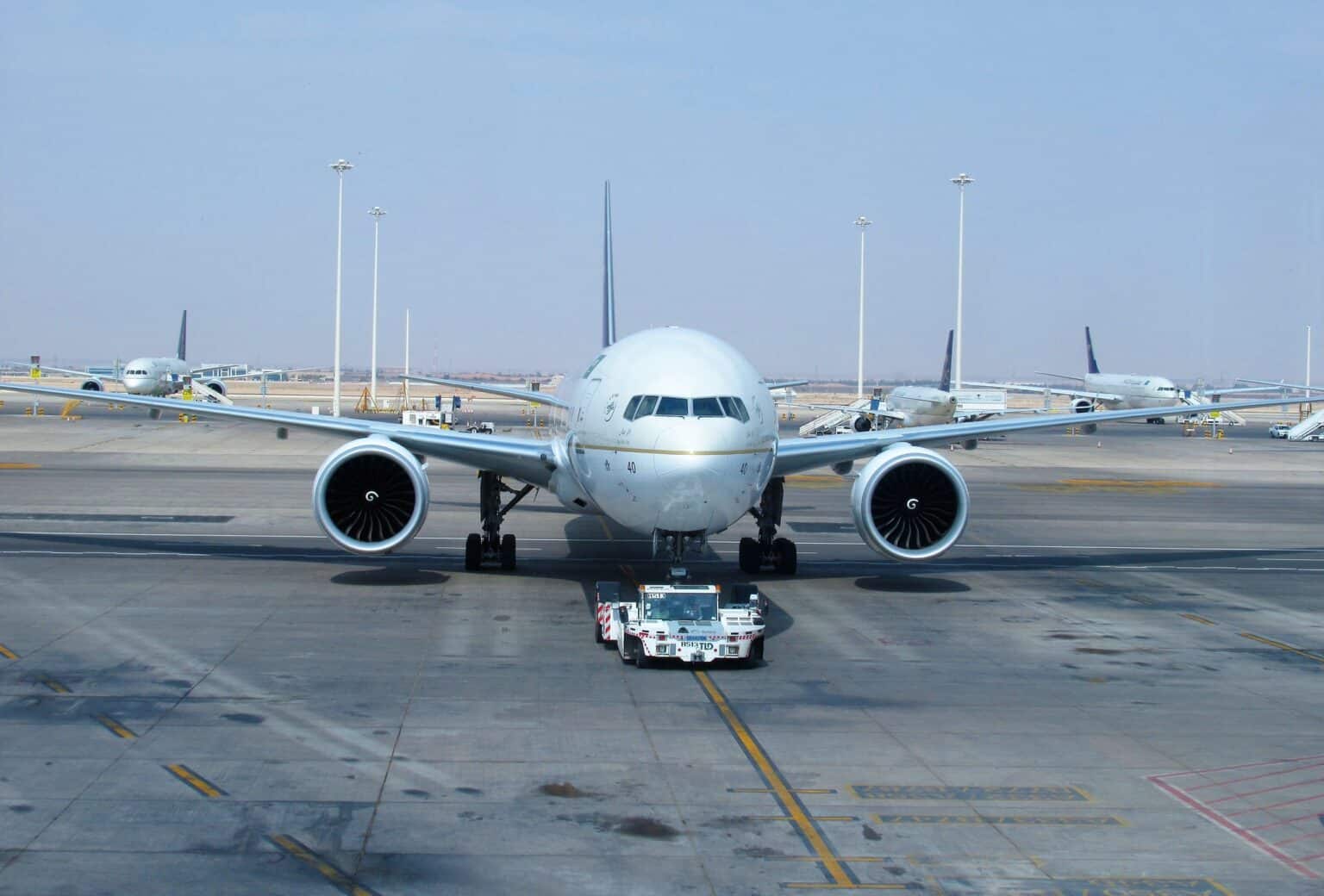
The attack on King Khalid International Airport in Riyadh on the afternoon of Saturday, October 10, 2026, killed 12 people and injured 309, Saudi Arabia’s General Authority of Civil Aviation (GACA) said. Several of the injured remain in critical condition.
The Saudi-led coalition fighting in Yemen blamed the Houthi rebels, called the strike a war crime and said its Joint Forces Command would respond decisively. It was the third attack on the airport in a week.
What Saudi authorities have confirmed
According to GACA, the dead were four Saudi citizens, two Bangladeshis and one person each from the United States, Egypt, Jordan, Syria, Palestine and Sudan. US Secretary of State Marco Rubio acknowledged the American’s death, the Associated Press reported.
GACA said the attack caused property damage and that assessments of its extent were still underway. It suspended operations at the airport pending a full damage assessment and a check that its facilities were safe, Saudi Gazette reported.
Coalition spokesman Maj. Gen. Turki Al-Maliki said the strike targeted a passenger terminal and amounted to a “fully fledged war crime” under international humanitarian law. He said the response would follow the laws and rules of war, according to the coalition statement carried by Saudi Gazette.
No warning before the strike
Saturday’s attack was the deadliest in the kingdom in more than a decade, and Saudi Arabia’s threat warning system issued no alert before it, Reuters reported. An injured traveler told the agency they saw something cross the sky outside before part of the ceiling near a departure gate collapsed.
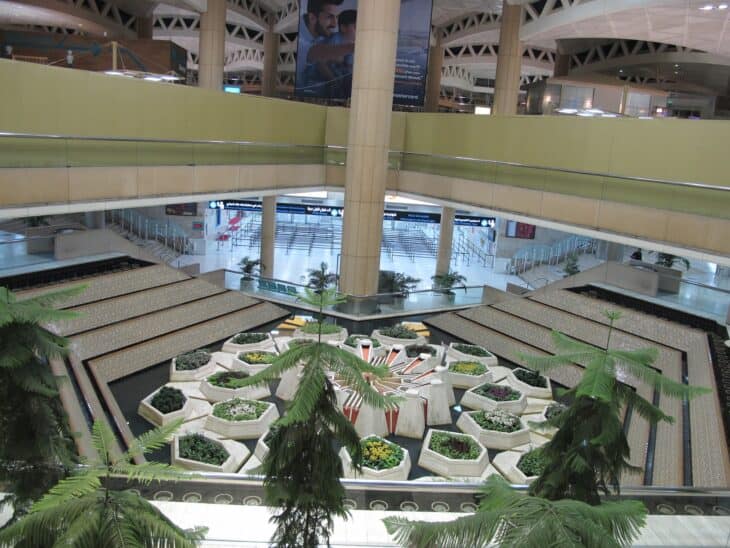

No official account of the weapon used has been published. Hospitals took in casualties by ambulance and helicopter, according to Reuters.
The Houthis had not issued a formal statement on Saturday’s attack when the AP filed. The head of the group’s media office did post on X afterward that it had “shut down Riyadh international airport,” according to Reuters.
Separately, the coalition confirmed on Saturday that a projectile had landed near King Fahd International Airport in Dammam, on the Gulf coast.
A new attack, not a revised toll
The 12 deaths come from Saturday’s strike alone. They are in addition to the casualties from earlier in the week, when GACA reported that attacks on Abha and Riyadh airports had killed three people and injured 36.
On Thursday, October 8, attacks on King Khalid International killed three Saudi citizens, GACA said. With a Sudanese resident killed there on Wednesday, Reuters puts the airport’s toll before Saturday at four dead, along with heavy damage to a parked Saudi airliner.
Saudi authorities said after Thursday’s attacks that operations had resumed and air traffic was back to normal. Saturday’s strike is the one behind the evacuation we covered on October 10, before any casualty figures had been released.
What it means for flights
Flightradar24 data showed every flight to Riyadh diverted or canceled on Saturday, Reuters reported. By 06:24 UTC on Sunday, FlightAware listed 376 cancellations at King Khalid for the day against just seven delays, suggesting few if any flights were operating.
At the time of writing, GACA had not announced when operations would resume. Air India, flydubai, Lufthansa Group and Pakistan International Airlines were among the carriers already suspending Saudi flights for varying periods, according to the AP.
The US Mission in Saudi Arabia “strongly recommends all U.S. citizens avoid this airport and surrounding areas,” and US government employees need special authorization to use it. The UK, Germany, Australia and Canada issued similar warnings.
For US travelers, the open question is Delta’s new Atlanta to Riyadh route, due to start on October 23. “Safety is going to make the call,” CEO Ed Bastian told CNBC on October 9, the day before this attack, and Delta had not announced a decision at the time of writing.
Why a hit on a terminal changes the risk picture
Conflict zone bulletins are written for airlines planning flights. The European Union Aviation Safety Agency’s conflict zone bulletin for Saudi Arabia, revised on October 9, already noted “a greater focus on aviation infrastructure” and the added risk to aircraft on the ground and during takeoff and landing.
Saturday’s strike landed inside a passenger terminal, where the people at risk were not crews but travelers, staff and those seeing them off. The lack of any alert meant there was no chance to clear gates or move people away before impact.
The Houthis have also declared Saudi airspace a military zone and said any aircraft in it is a target, except over Mecca and Medina, Al Jazeera reported. That leaves airlines weighing both ground and airborne risk.
What comes next depends on the coalition’s response, and on whether Washington joins it. “We may. We’re going to look at it,” President Donald Trump told reporters when asked about joining Saudi strikes on the Houthis.
Further escalation would likely keep airlines away from Riyadh for longer. Until GACA says the airport is open again, travelers should confirm with their airline before heading there.
Sources and references used for research and fact-checking.
Get the Newsletter
The latest aviation news and stories sent to your inbox.
About the Author

Tim is the owner and lead editor of AeroCorner since 2019, overseeing aviation content covering aircraft, airlines, airports, and the broader aviation industry. Through years of researching, writing, editing, and publishing aviation-focused content, he has developed extensive practical knowledge of commercial aviation and air travel. Based in Asia and a frequent traveler himself, Tim also brings firsthand passenger experience to AeroCorner’s coverage. Outside of publishing, he has also explored aviation firsthand through hands-on flight training in New Zealand.