

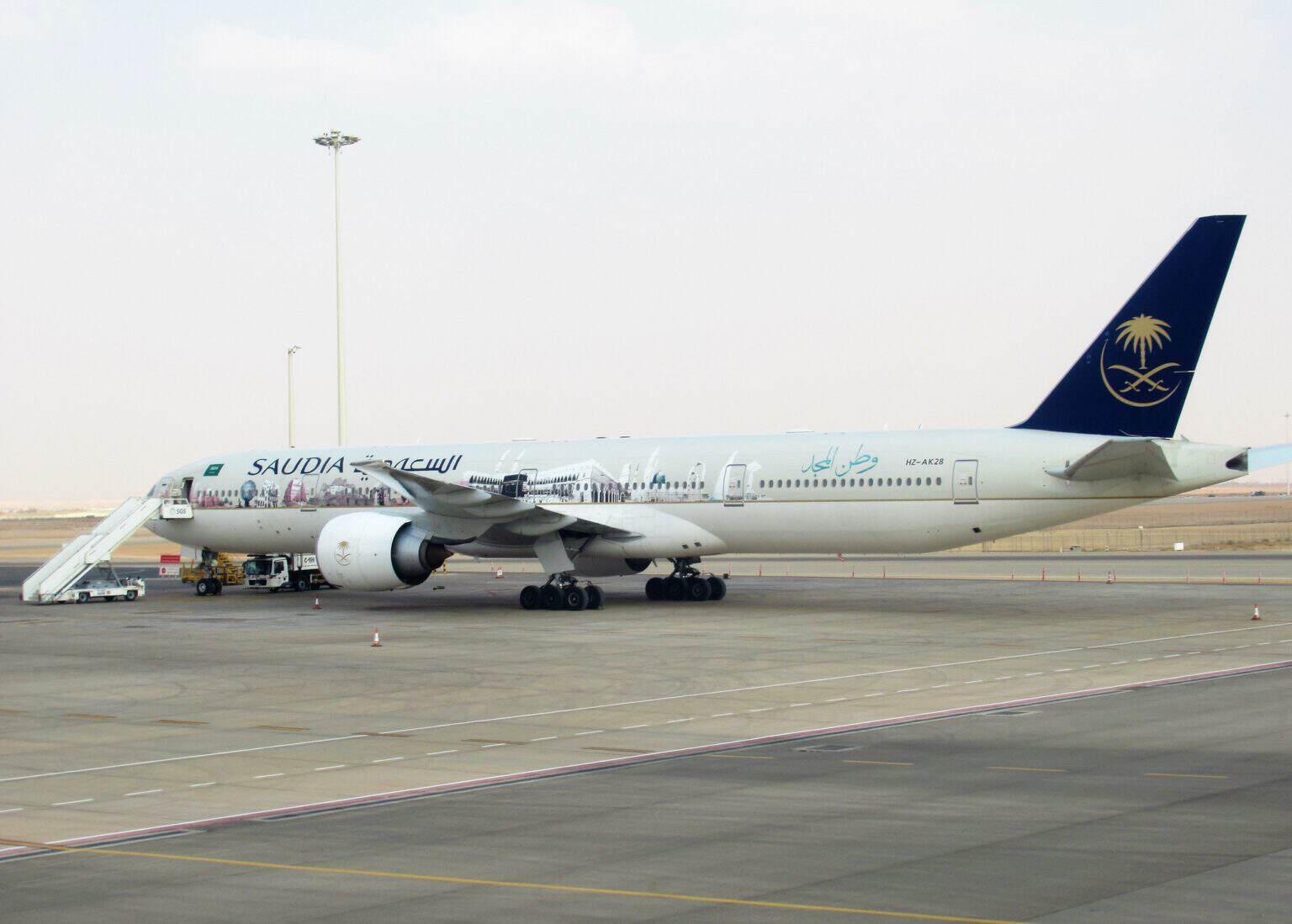
King Khalid International Airport in Riyadh was evacuated on Saturday, October 10, 2026, after what two regional officials described as another attack, the latest in a series of strikes on the Saudi capital’s airport this week. One official said the terminal had been cleared and the other said air traffic had stopped, the Associated Press reported.
By Saturday evening in Riyadh, FlightAware listed 261 cancellations at the airport for the day, split almost evenly between departures and arrivals. Saudia, the national carrier, accounted for 159 of them.
What is known about Saturday’s attack
Details remain thin. The officials who spoke to the AP did so anonymously, no group had claimed the attack by the time of its report, and Saudi Arabia’s government media office did not respond to a request for comment.
A Riyadh resident told the AP he heard at least two loud explosions. Canada’s embassy warned its citizens of “ongoing military activity.”
The airport itself issued a short travel alert telling passengers to confirm with their airline that a flight is operating before heading to the terminal. At the time of writing, no official Saudi statement on damage, injuries or a return to normal operations had been published.
A week of strikes on the same airport
Saturday’s evacuation follows two deadly days. An attack on Wednesday, October 7, killed a Sudanese national at the airport, and the Houthi rebels in Yemen claimed it, according to the AP.
On Thursday, October 8, Saudi Arabia’s General Authority of Civil Aviation said three Saudi nationals were killed at King Khalid International. Al Jazeera reported that one of them was Saudia captain Hamoud Ali Alkalthami, and the airline said one of its jets was damaged on the ground with no passengers aboard.
By Friday, Saudi media reported that operations had resumed and air traffic was back to normal. Saturday’s evacuation undid that within a day.
Which airlines have pulled back, and for how long
Several foreign carriers have pushed their Riyadh suspensions further out rather than resume. Dates have changed more than once this week, so treat each as the latest reported, not final.
| Airline | Riyadh flights paused through | Source |
|---|---|---|
| Etihad Airways | October 12 (Abu Dhabi to Riyadh) | Etihad, via Gulf News |
| Lufthansa | At least October 16 (all Saudi Arabia) | Lufthansa spokesman, via CNBC |
| Air India | October 15 | Airline officials, via India.com |
| Air India Express | October 14 | Airline officials, via India.com |
Etihad canceled its Riyadh rotations from Saturday through Monday and said “the situation remains dynamic and further changes are possible,” Gulf News reported. Air India’s extension, reported by India.com, comes with full refunds for passengers who cancel.
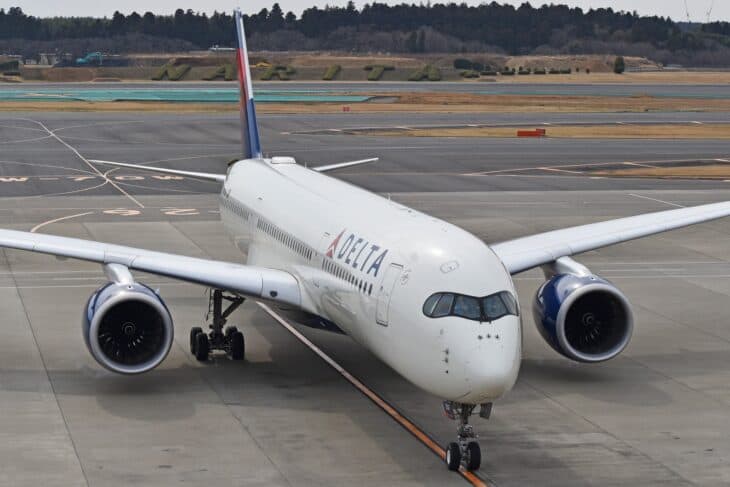
The biggest open question for US travelers is Delta. Its new Atlanta to Riyadh route is due to start on October 23, flying daily for a week and then three times a week.
.jpg)
“Safety is going to make the call,” CEO Ed Bastian told CNBC on Friday, adding that Delta would tell customers its decision soon. At the time of writing, Delta has not changed the launch date.
Why an open airport does not mean airlines come back
An airport authority decides whether its runways and terminals are open. Each airline decides separately whether flying there is an acceptable risk, using its own security assessment, its insurers’ view and guidance from regulators.
For European carriers, the key guidance is the European Union Aviation Safety Agency’s conflict zone bulletin for Saudi Arabia, which it first issued on September 30 and widened on October 9. It tells airlines not to fly through defined parts of the Jeddah flight information region and to use caution across the rest of it, through November 16 unless revised.
The revised bulletin says recent attacks “targeted the Riyadh area, including its airport,” and showed “a greater focus on aviation infrastructure than previously.” It also warns that missile and drone attacks, and the air defenses that answer them, “create an increased risk of misidentification of civil aircraft.”
That last risk is not hypothetical. The hazard is not only a strike on the ground, but an airliner taken for a threat by air defenses on alert, as happened to Ukraine International Airlines Flight 752, shot down near Tehran on January 8, 2020, with 176 people killed.
For anyone booked to or through Riyadh in the coming days, the practical advice is the airport’s own: check with the airline before leaving for the airport, and expect schedules to keep shifting while attacks continue.
Sources and references used for research and fact-checking.
Get the Newsletter
The latest aviation news and stories sent to your inbox.
About the Author

Tim is the owner and lead editor of AeroCorner since 2019, overseeing aviation content covering aircraft, airlines, airports, and the broader aviation industry. Through years of researching, writing, editing, and publishing aviation-focused content, he has developed extensive practical knowledge of commercial aviation and air travel. Based in Asia and a frequent traveler himself, Tim also brings firsthand passenger experience to AeroCorner’s coverage. Outside of publishing, he has also explored aviation firsthand through hands-on flight training in New Zealand.