

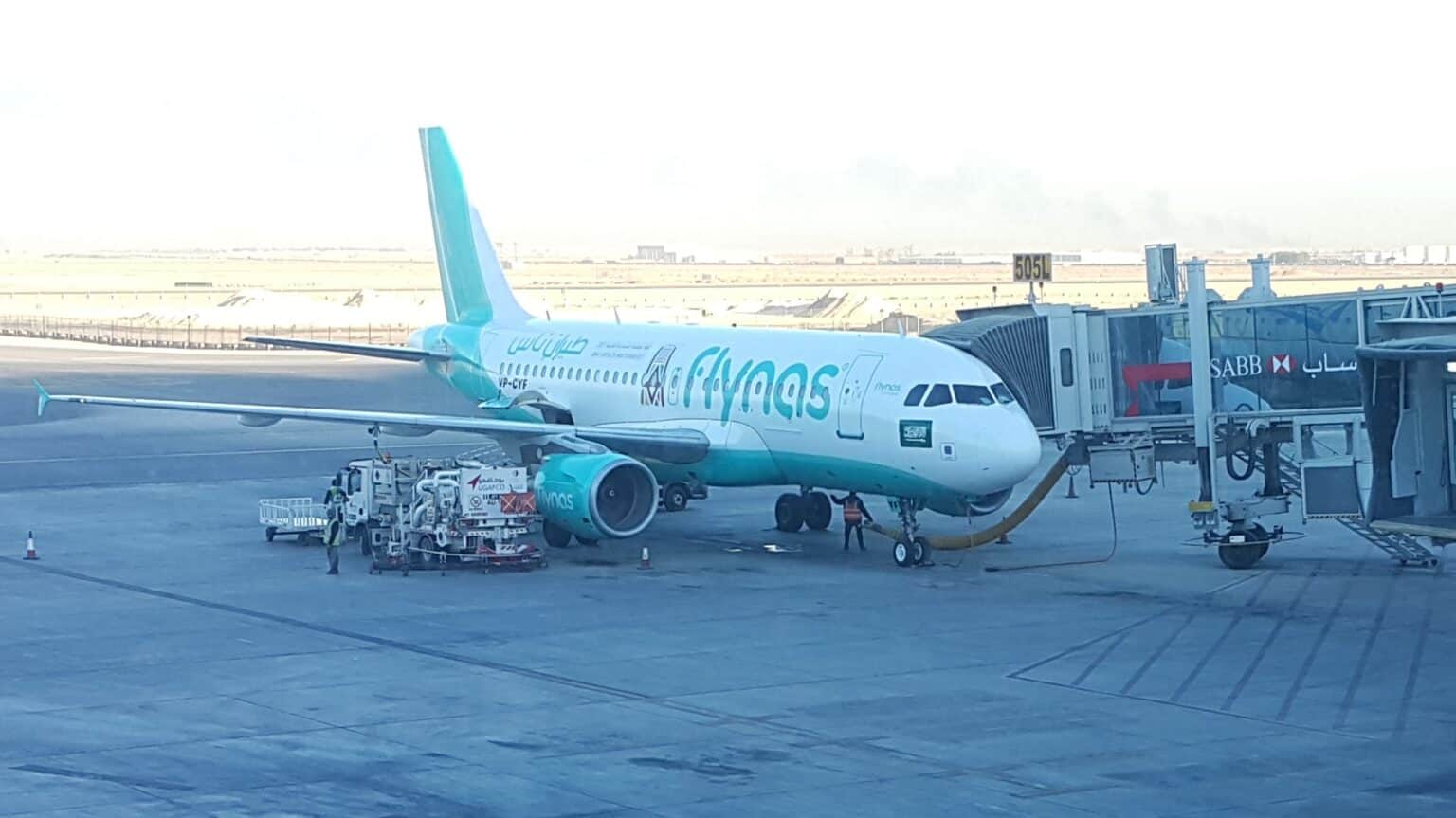
Yemen’s Houthis said they struck King Khalid International Airport in Riyadh on Monday evening, October 5, 2026, in a wave of missile and drone attacks, as loud explosions rattled the Saudi capital. Earlier the same day, a Houthi-run body warned every airline flying in Saudi airspace that it was unsafe.
At the time of writing, Saudi authorities had not confirmed any hit on the airport, any damage, or any cancellations or diversions there.
What the Houthis claimed, and what is confirmed
Houthi military spokesman Yahya Saree said the group ran three operations using ballistic missiles, cruise missiles and drones, Türkiye Today reported. He claimed the first hit its target at King Khalid International and disrupted air traffic there.
Saree said the others targeted an Aramco refinery in Rabigh, plus Abha Airport and the Khamis Mushait military base in the southern Asir region. He called the attacks retaliation for 60 Saudi airstrikes and missile attacks on Yemen over the previous 24 hours.
What is confirmed is narrower. AFP reporting carried by The New Arab says loud explosions rattled Riyadh on Monday evening, but none of the reports we reviewed documents damage at the airport or any disrupted flight.
The claims have run ahead of the evidence before. On October 4, coalition spokesman Turki al-Maliki called a Houthi claim of an attack on an Aramco facility near Riyadh “misleading,” Al Jazeera reported.
This is not the first scare at Riyadh’s airport. On September 19, a fuel tank burned at a depot beside King Khalid International after overnight air raid alerts, and flight tracking showed severe disruption that day.
The warning to airlines
The airline warning came from the Houthis’ Humanitarian Operations Coordination Center and was published by their Saba news agency. It told “all airlines operating in Saudi Arabia’s airspace” that the airspace was unsafe and would “become a theater of military operations,” TASS reported.
Saree echoed it in Monday evening’s statement, exempting only the airspace over Mecca and Medina. The warning came as Saudi-backed Yemeni government forces launched a major offensive aimed at retaking Sanaa, the Houthi-held capital.
A threat from an armed group does not close any airspace. Saudi authorities decide what is open, and EASA’s latest bulletin credits Saudi Arabia with managing its airspace effectively, using tactical deconfliction and emergency air traffic control measures known as ESCAT.
What regulators already advise
Europe’s regulator had already moved before Monday. EASA’s Conflict Zone Information Bulletin CZIB-2026-09, issued September 30 and valid until November 16, covers the Jeddah flight information region, the airspace of Saudi Arabia.
It tells operators not to fly at any altitude in a defined block of that airspace, bounded by the waypoints RIBOK, BOSUT, ISLAM, DEKLO, OBSAM and SILPA and the edge of the region. Across the rest of Saudi airspace, they should exercise caution and be ready for short-notice instructions from Saudi authorities.
EASA’s reasoning matches this week’s pattern. It says the Houthis sharply increased the frequency and reach of their attacks in September, repeatedly targeting aviation-related infrastructure and showing they can strike as deep as the Riyadh, Tabuk and Yanbu areas.
EASA does not describe airliners as targets. The risks it lists are a civil aircraft being misidentified by air defenses, missiles and drones overflying routes, interceptions, and falling debris.
In the US, the FAA’s published list of country prohibitions and security notices has no Saudi Arabia entry. Its Yemen entry, SFAR 115, bars US operators from the Sanaa flight information region.
What it means for travelers
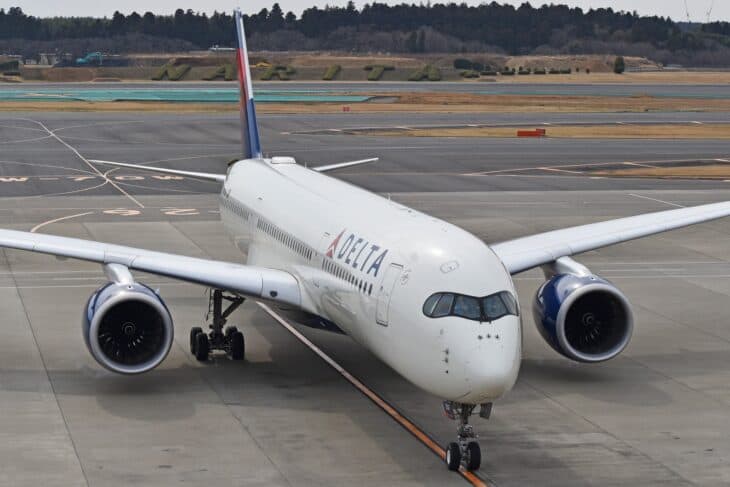
For US travelers, the most visible test is close. Delta has scheduled its new Atlanta to Riyadh nonstop to begin on October 23, flying daily through October 30 and three times a week after that on the Airbus A350-900.
Delta calls it the first nonstop service between the US and Riyadh by a US airline. Anyone booked through Riyadh in the coming weeks should check their flight status directly with the airline before leaving home, because EASA warns that Saudi authorities may issue instructions at short notice.
.jpg)
Sources and references used for research and fact-checking.
Get the Newsletter
The latest aviation news and stories sent to your inbox.
About the Author

Tim is the owner and lead editor of AeroCorner since 2019, overseeing aviation content covering aircraft, airlines, airports, and the broader aviation industry. Through years of researching, writing, editing, and publishing aviation-focused content, he has developed extensive practical knowledge of commercial aviation and air travel. Based in Asia and a frequent traveler himself, Tim also brings firsthand passenger experience to AeroCorner’s coverage. Outside of publishing, he has also explored aviation firsthand through hands-on flight training in New Zealand.