

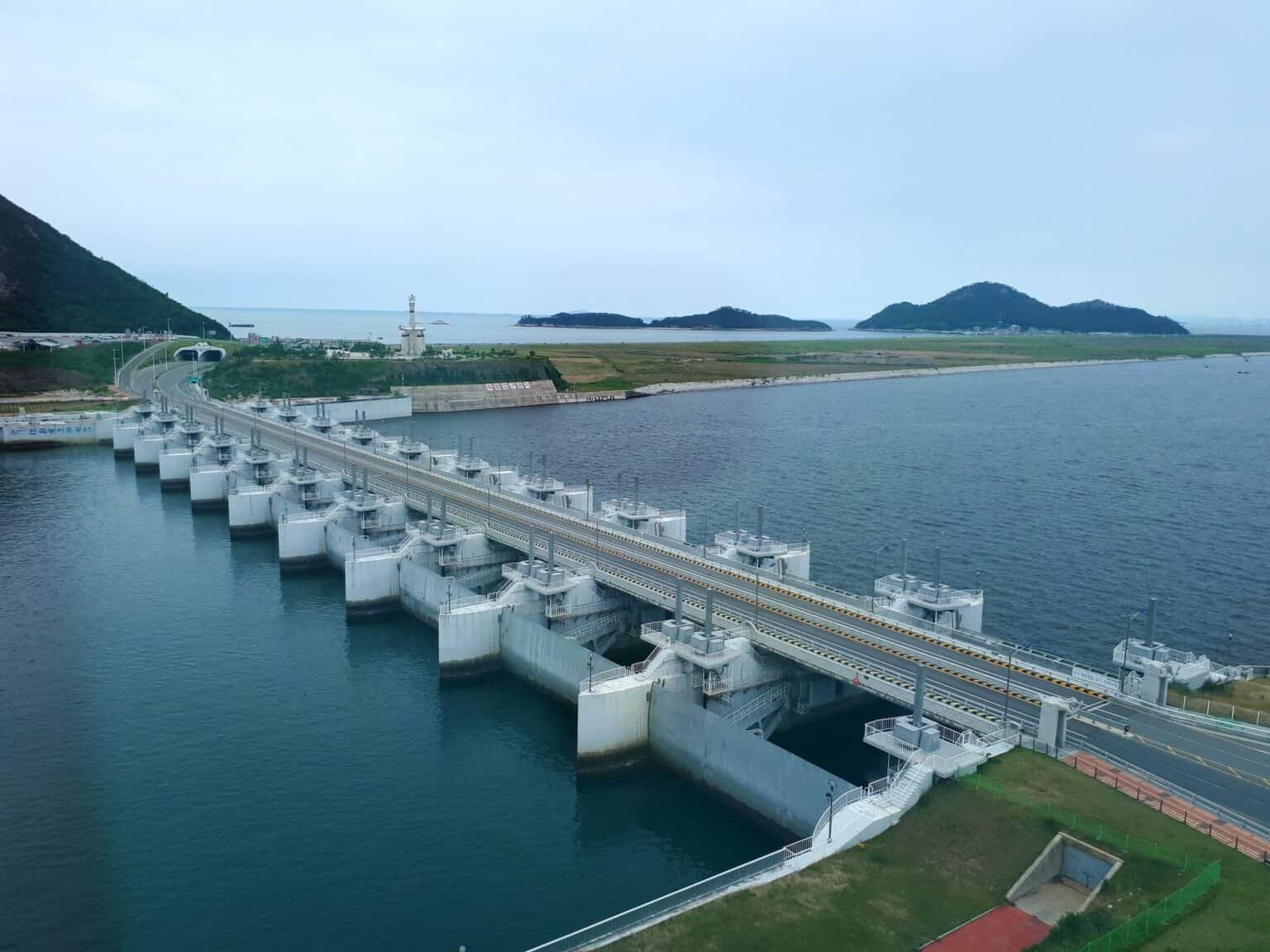
On November 18, 2026, the Seoul High Court upheld the cancellation of the master plan for Saemangeum International Airport, a new airport South Korea wants to build on the Sura tidal flat in the Saemangeum reclamation area of North Jeolla Province. The court found that the Ministry of Land, Infrastructure and Transport (MOLIT) chose the site without assessing the risk of bird strikes.
It is the government’s second loss in the case. The ministry has not yet said whether it will take it to the Supreme Court.
What the appeals court decided
Administrative Division 4-2 of the Seoul High Court, presided over by Judge Lee Gwang-man, dismissed the ministry’s appeal against a September 2025 ruling by the Seoul Administrative Court, Aju News reported. The cancellation therefore stands in full.
The plaintiffs’ win was narrower than it sounds: of the nearly 1,300 citizens who sued, the courts accepted standing for only three, residents of a designated airport noise zone, and the other claims were dismissed. Segye Ilbo reported that those plaintiffs’ own appeal was dismissed as well.
The ministry, North Jeolla Province and Korea Airports Corporation argued that the three could not challenge the plan over harms other than noise. The court disagreed and reviewed the plan’s legal defects as a whole.
Why the court said the site selection was flawed
The core finding is about timing: according to Newspim, the 2019 feasibility study that narrowed 13 candidate sites to Saemangeum did not evaluate bird-strike risk at any of them. A later strategic environmental assessment did look at birds, but the court found its results never fed back into the choice of site.
The judges also faulted how the ministry measured the risk once it did. It limited its assessment to a 5 km (3-mile) radius and concluded the risk was low mainly from the operating record of neighboring Gunsan Airport, a conclusion the court called overly definitive.
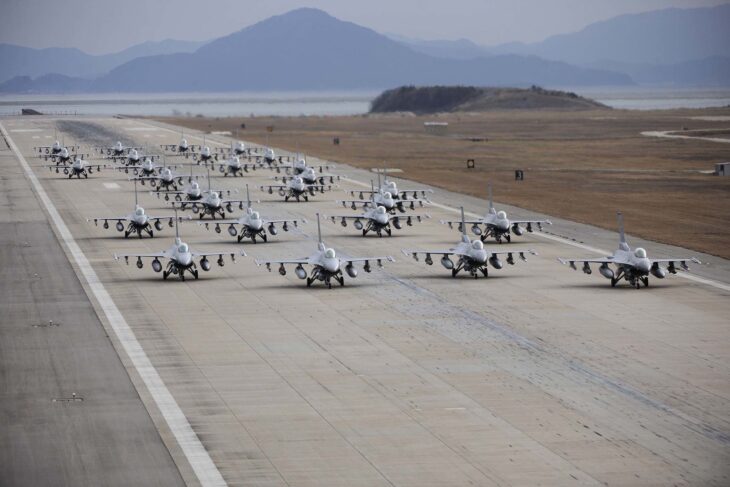
That neighbor matters. The planned site lies about 0.8 miles (1.35 km) west of Gunsan Airport’s runway, according to Seoul Economic Daily, and Gunsan’s airfield is shared with Kunsan Air Base, home of the US Air Force’s 8th Fighter Wing.
The court said the ministry’s own screening model rated bird-strike risk at the site far above other Korean airports. The site lies on the East Asian-Australasian Flyway used by migratory shorebirds, and more than 31 legally protected bird species occur nearby.
The Seocheon tidal flats, a UNESCO World Natural Heritage site, lie about 4 miles (7 km) away. The court found the plan had not properly reviewed what the airport would do to birds there.
The judges accepted that North Jeolla needs economic development and that the airport has a purpose. But they held that the ministry gave development benefits more weight than safety and the environment, and that aviation safety must count for more because a single bird strike can kill many people.
The Jeju Air crash hangs over the case
Bird strikes stopped being an abstract planning issue in South Korea on December 29, 2024. That morning Jeju Air flight 7C2216, a Boeing 737-800 from Bangkok, crashed at Muan International Airport, killing 179 of the 181 people on board.
Investigators found feathers and blood from Baikal teal, a migratory duck, in both engines.
The first-instance court cited the Muan crash in its September 2025 ruling, The Korea Times reported. That ruling cited projections of up to 45 bird strikes a year within 8 miles (13 km) of Saemangeum, against three at Incheon International Airport.
Bird strikes are common worldwide and rarely fatal, and airports manage them with habitat control, radar and wildlife teams. The ways airports deter birds work best when the site is chosen with them in mind, which is the step the court said was skipped.
What happens next
MOLIT said it will study the full judgment before deciding its response, including a possible appeal to the Supreme Court. North Jeolla Province expressed regret and said it will analyze the ruling with the ministry, including whether to appeal.
The coalition opposing the airport urged the government to drop the case and halt the project, Kyunghyang Shinmun reported. The Supreme Court rules only on how the law was applied, not on the facts, and observers quoted by the paper said the findings on the bird-strike assessment would be hard to overturn.
The project, budgeted at 826.8 billion won, covers a runway and passenger and cargo terminals on about 3.4 million square meters (840 acres). It was aimed at completion in 2028 and opening in 2029, a schedule Korean media now describe as uncertain.
If the ruling becomes final, the ministry would likely have to draw up a new master plan or revisit the site. Airport expansion fights often end in court, as with Gatwick’s second runway, but this one turns on a safety question South Korea has been confronting since Muan.
2019
Site chosen. Saemangeum is picked from 13 candidate sites and exempted from a preliminary feasibility study.
June 2022
Master plan published. MOLIT announces the airport’s basic plan.
September 2022
Lawsuit filed. Citizens backed by an anti-airport coalition sue to cancel the plan.
December 29, 2024
Jeju Air crash. Flight 7C2216 crashes at Muan after both engines ingest birds.
September 11, 2025
First ruling. The Seoul Administrative Court cancels the master plan.
March 2026
Stay refused. The Seoul High Court rejects the plaintiffs’ request to suspend the plan while the appeal runs.
November 18, 2026
Appeal dismissed. The Seoul High Court upholds the cancellation.
Get the Newsletter
The latest aviation news and stories sent to your inbox.
About the Author

AeroCorner News is the aviation news desk of AeroCorner.com. It covers accidents and incidents, safety rulings, airline and airport disruption, and new aircraft. It works from primary sources such as the NTSB, FAA, EASA and the manufacturers' own announcements.