

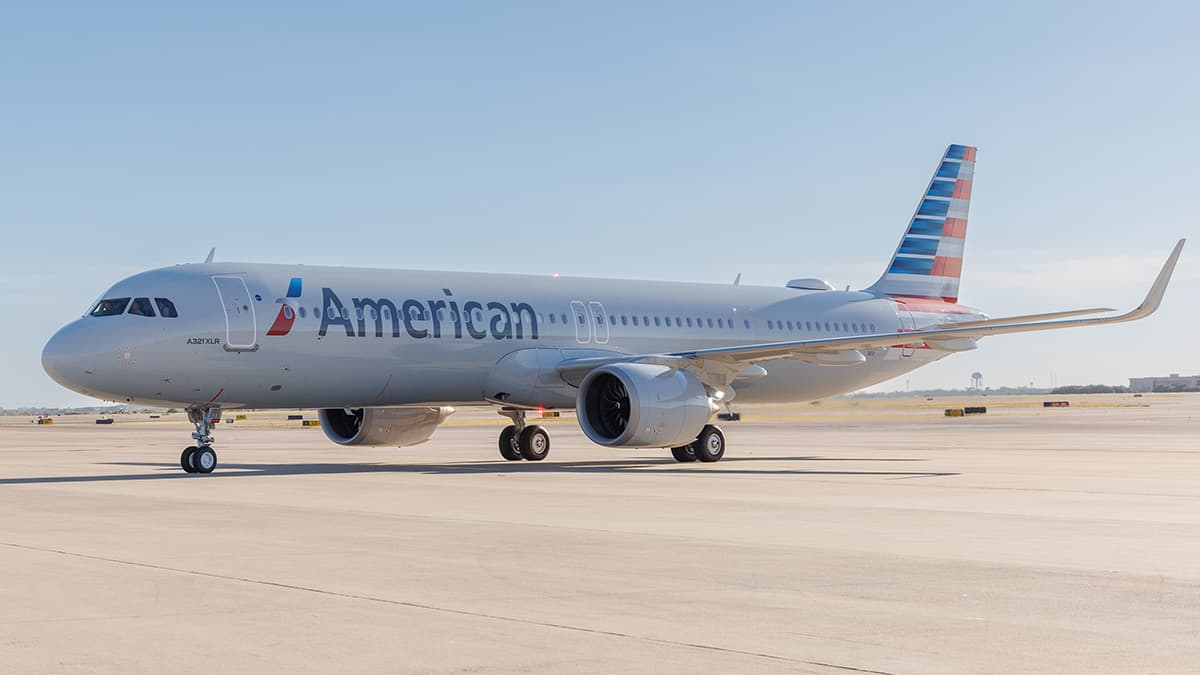
For months, the passengers sitting in American Airlines’ newest business-class suites could look at the sliding privacy door beside them but were not allowed to close it. That is reportedly about to change. Around July 18, 2026, aviation observers reported that the Federal Aviation Administration had certified the Flagship Suite doors on American’s Airbus A321XLR fleet, clearing the airline to begin activating a feature that had stayed locked open since the aircraft entered service.
A door that was built in but could not be used
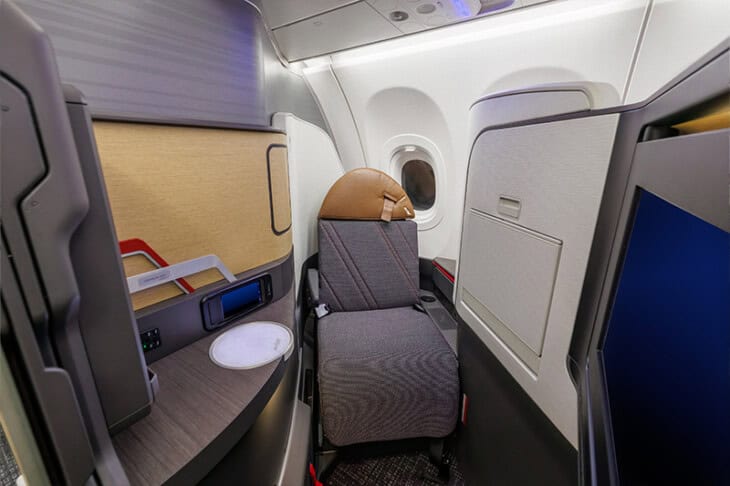
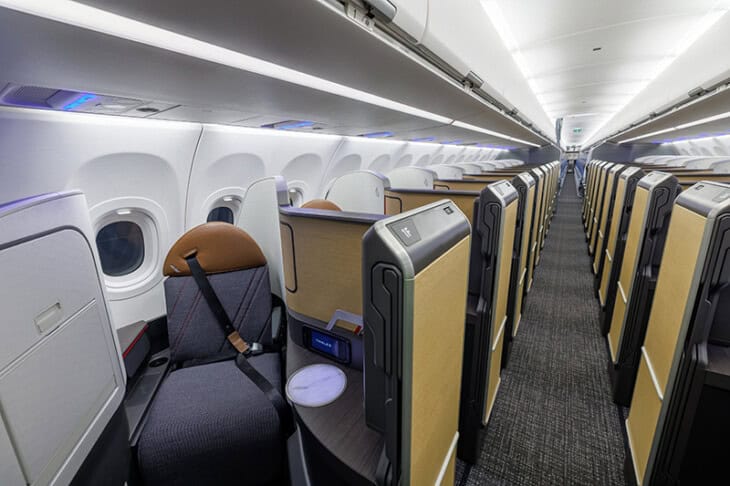
The A321XLR is American’s long-range single-aisle jet, and its front cabin carries the Flagship Suite: a business-class seat with direct aisle access, a lie-flat bed, and a sliding door for privacy. The doors were physically installed from the start, but American was required to keep them fixed in the open position because the configuration had not yet been certified. In December 2025, as the type entered service, the airline offered affected premium passengers 5,000 miles as a goodwill gesture for a marquee feature they could not actually use.
American has taken five of the 40 A321XLRs it has on order. According to the reporting, activation of the doors will be phased across the fleet between now and the fall rather than switched on all at once, beginning with the aircraft registered N302NY, which was delivered on June 26, 2026. The rollout depends on each aircraft being brought into the certified configuration, so the timeline is gradual by design.
Why a seat door needs the FAA’s sign-off
A privacy door might look like a comfort feature, but to a regulator it is part of the cabin, and the cabin has to pass emergency-evacuation rules. Certification standards require that a full aircraft can be evacuated within 90 seconds using only half of its exits, and anything that could slow that escape has to be shown not to. A suite door has to default open, or be easy to override, so that it can never trap a passenger or block movement toward an exit, whether or not the aircraft still has power. It also cannot interfere with cabin crew sightlines or with reaching a seat during the flight.
Enclosed business-class suites with doors are common on widebodies but are still relatively new on narrow single-aisle jets, where the cabin is tighter and the geometry is different. Each new layout has to be demonstrated and approved on its own, which is why the hardware can be installed and flying long before passengers are allowed to slide it shut. This is the same certification logic that governs everything from a new aircraft type to a cabin change, an idea AeroCorner explains in its guide to the FAA type certificate, and it is part of why airlines increasingly compete on the seats themselves.
Reality check: reported, not yet officially announced
This certification was reported by aviation observers rather than confirmed in an FAA or American Airlines press release, and accounts differed slightly on the exact date. American had not commented at the time of the reports. Treat the rollout timeline as provisional until the airline confirms it.
For American, the fix removes an awkward gap between what it advertised and what passengers experienced on board. For the wider industry, it is a small but telling example of how a premium cabin feature can be designed, built, installed, and marketed while still waiting on the safety approval that decides when it can finally be switched on.
Sources and references used for research and fact-checking.
Get the Newsletter
The latest aviation news and stories sent to your inbox.
About the Author
Tim is the owner and lead editor of AeroCorner since 2019, overseeing aviation content covering aircraft, airlines, airports, and the broader aviation industry. Through years of researching, writing, editing, and publishing aviation-focused content, he has developed extensive practical knowledge of commercial aviation and air travel. Based in Asia and a frequent traveler himself, Tim also brings firsthand passenger experience to AeroCorner’s coverage. Outside of publishing, he has also explored aviation firsthand through hands-on flight training in New Zealand.