

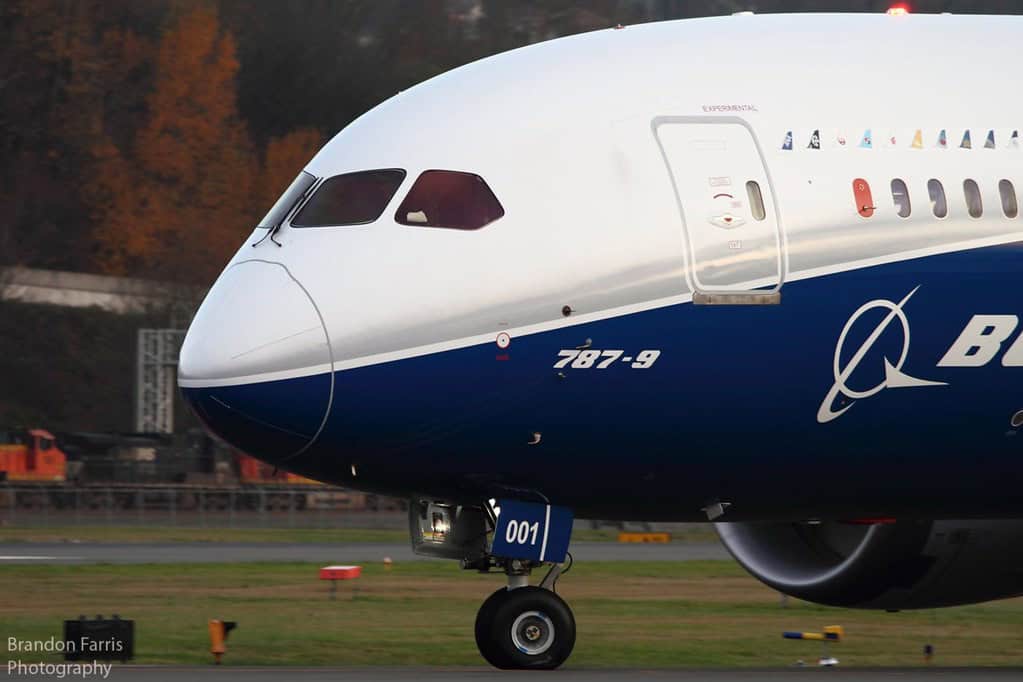
On July 21, 2026, at the Farnborough International Airshow, leasing giant AerCap placed a firm order for 15 more Boeing 787-9 Dreamliners. Boeing said the deal takes the world’s largest 787 owner toward a portfolio of roughly 140 of the widebody jets.
The order
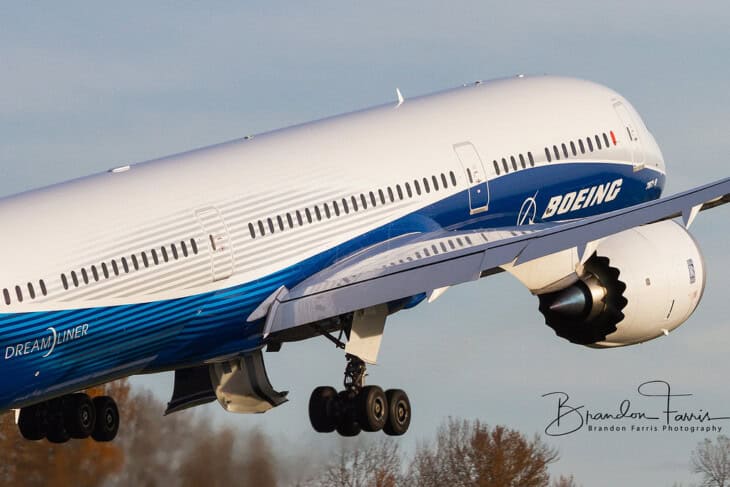
The 15 aircraft are the 787-9 variant, powered by GE Aerospace GEnx-1B engines, with deliveries running through 2033. According to Boeing, the agreement also carries substitution rights that let AerCap switch orders to the larger 787-10 if its airline customers want the extra capacity.
AerCap chief executive Aengus Kelly said the type “has consistently demonstrated strong operating economics and exceptional performance across a wide range of route networks.” Stephanie Pope, president and chief executive of Boeing Commercial Airplanes, said Boeing looked forward to supporting AerCap and its customers “as they open and sustain new long-haul routes.”
The order was one of several Boeing widebody commitments unveiled during the show, following a busy opening reported in our coverage of Boeing’s Farnborough day one and a run of fresh 787 demand that included a Philippine Airlines widebody order.
A record 787 book
After this deal, AerCap owns and manages about 140 Boeing 787 aircraft, more than any other lessor. That single portfolio is larger than the entire 787 fleet of most airlines.
Why a leasing company orders airliners
AerCap does not fly passengers. It buys aircraft and leases them to airlines around the world, which is why a lessor order looks different from an airline order even though both add to Boeing’s backlog.
Big lessors order jets speculatively, without a specific airline attached to every frame. They are effectively buying scarce delivery slots years in advance, then placing the finished aircraft with carriers that need capacity but do not want to commit their own balance sheets to a decade-long order.
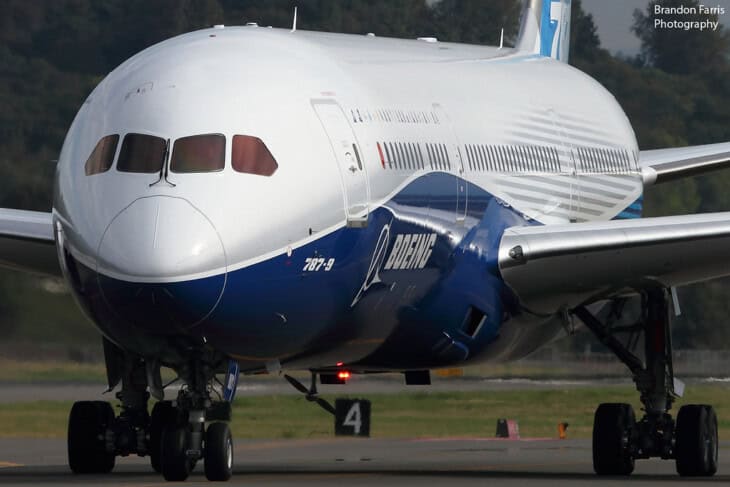
The model has grown to dominate the industry. Leasing companies now own or manage roughly half of the world’s commercial fleet, and a single order from a top lessor like AerCap can shape a manufacturer’s production plans as much as a mid-size airline’s.
That is where the substitution rights matter. Because the 787-9 and the stretched 787-10 share the same family, AerCap can wait to see which size its customers demand before locking in each delivery. It is a hedge against changing route economics, not a second order.
Reality check
A lessor order is firm demand for Boeing, but the aircraft still need airline homes. The 15 frames will only enter service once AerCap places them on lease, so this is a slot-securing move as much as a fleet announcement.
For Boeing, the timing helps. The 787 line has a long order backlog and constrained output, so a lessor willing to take frames through 2033 gives the manufacturer a stable, creditworthy customer for slots deep into the next decade. For AerCap, it is a bet that long-haul demand keeps favoring efficient twins.
Sources and references used for research and fact-checking.
Get the Newsletter
The latest aviation news and stories sent to your inbox.
About the Author

Tim is the owner and lead editor of AeroCorner since 2019, overseeing aviation content covering aircraft, airlines, airports, and the broader aviation industry. Through years of researching, writing, editing, and publishing aviation-focused content, he has developed extensive practical knowledge of commercial aviation and air travel. Based in Asia and a frequent traveler himself, Tim also brings firsthand passenger experience to AeroCorner’s coverage. Outside of publishing, he has also explored aviation firsthand through hands-on flight training in New Zealand.