

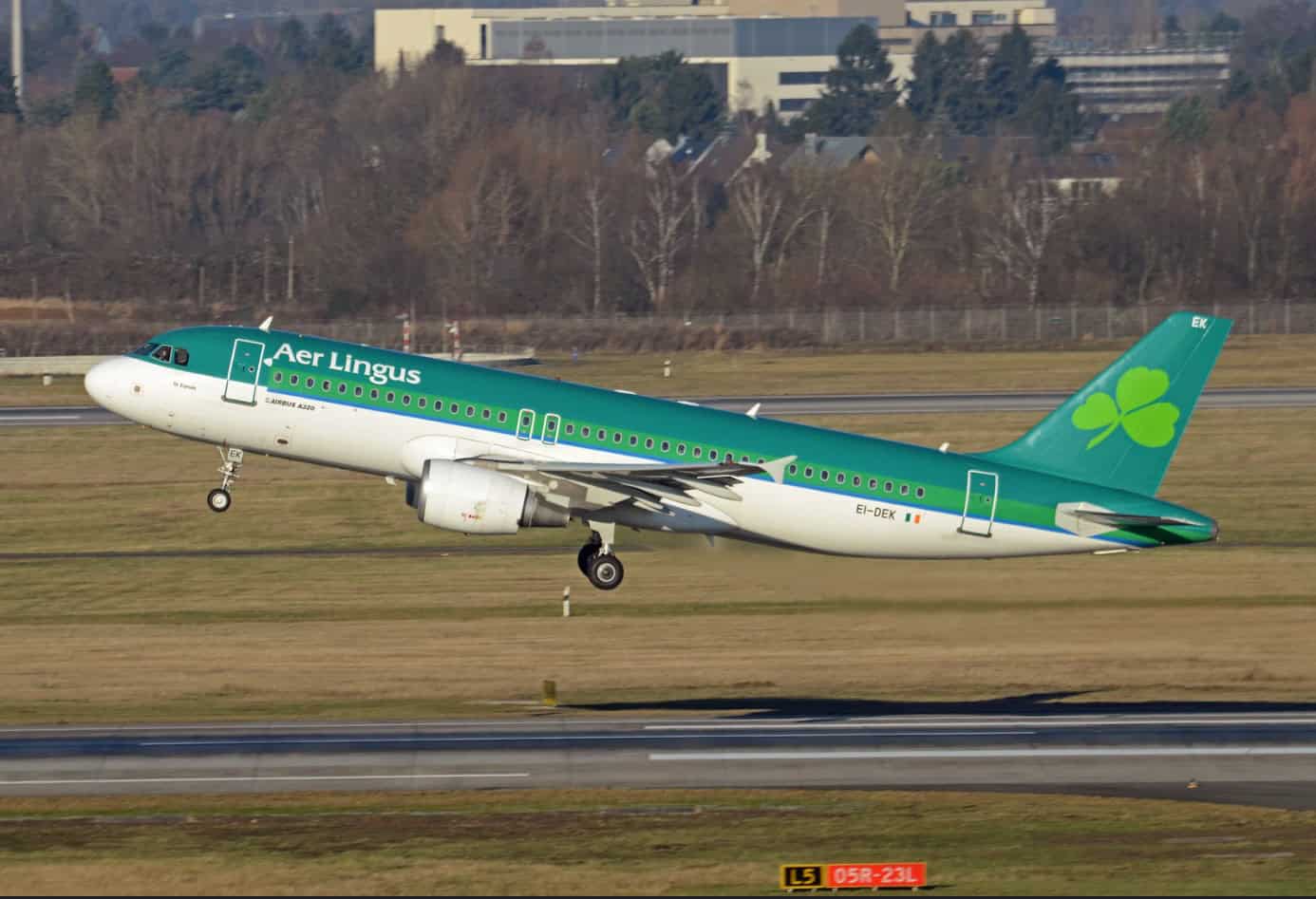
On July 16, 2026, Aer Lingus told staff and unions that it plans to cut up to 500 jobs and reduce its flying by about 6 percent, closing three United States routes from Dublin and pulling several other services back to summer only. The Irish flag carrier framed the move as a cost-cutting response to rising fuel prices and a wave of new transatlantic competition, and said the changes will roll out from late September 2026 into the summer of 2027.
What Aer Lingus is cutting
Three long-haul US routes will end outright. According to Aer Lingus, Dublin to Denver stops after September 28, Dublin to Minneapolis-St. Paul after October 24, and Dublin to Las Vegas after December 3. Dublin to Seattle survives but drops to a summer-only schedule after October 24.
The airline is also trimming short-haul flying. Dublin to Split in Croatia ends after September 29, while Frankfurt, Hamburg and Malta move to summer-only operation from early November. Affected passengers will be offered rebooking or refunds, the carrier said.
Below is how the main US wind-downs are scheduled.
Sept 28, 2026
Dublin to Denver ends. Aer Lingus said the route’s load factor had slipped from 73.7 percent in 2024 to 63.9 percent in 2025.
Oct 24, 2026
Dublin to Minneapolis ends. The service had run below 50 percent full over recent months. Dublin to Seattle also moves to summer-only from this date.
Dec 3, 2026
Dublin to Las Vegas ends. The last of the three US routes to close, completing the transatlantic trim before winter.
Summer 2027
Fleet use falls. Aer Lingus expects to use two fewer A330s and four fewer A320s at the summer peak as the smaller network takes hold.
The 6 percent capacity reduction is what drives the job losses. Aer Lingus said up to 500 roles are at risk: about 290 in head office functions, 140 cabin crew and 70 pilots. The company said it will consult employees and their representatives before any positions are cut.
Why a flag carrier is shrinking
Aer Lingus blamed a mix of higher costs and intensifying competition. Parent group IAG has pointed to elevated fuel prices, tied in part to instability in the Middle East, adding roughly 2 billion euros to its annual fuel bill. Aer Lingus itself reported a first-quarter 2026 operating loss of about 103 million euros, and cited a sharp jump in transatlantic seats flown by rival carriers.
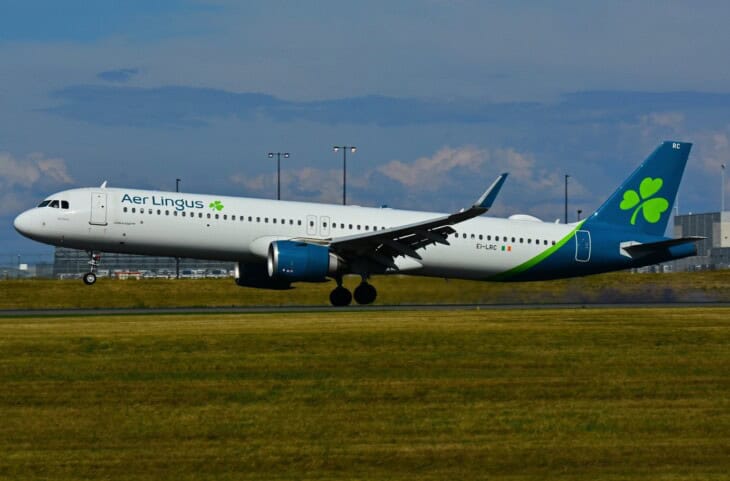
That last point is the heart of the story. When several airlines add North Atlantic capacity at once, the extra seats have to be filled, and the usual way to fill them is lower fares. Lower fares thin out the margin on every seat, so a route that looked healthy at 75 percent full can turn unprofitable at 64 percent even though the plane is still more than half booked. The economics of who pays what for a seat are covered in our explainer on airline ticket pricing.
Reality check
Closing a route is rarely about a single bad month. It is about whether the aircraft could earn more somewhere else. Aer Lingus is redeploying capacity away from thin, seasonal US markets toward routes it expects to defend more profitably, which is a normal, if painful, part of network planning.
Fuel is the other pressure, and it is one airlines cannot fully hedge away. When the price of jet fuel climbs, carriers either raise fares or fly less, and Aer Lingus is doing both. IAG chief executive Luis Gallego has said airlines need to lift fares to offset higher fuel costs. How much fuel a flight burns, and why airlines watch the price so closely, is explained in our piece on the airline fuel decision.
Aer Lingus chief executive Lynne Embleton said an efficient cost base and continued investment in the customer experience would let the airline “fulfil its ambition to be the airline of choice connecting Europe with North America” while supporting future growth. The plan still has to move through union consultation, so the final scale of the job cuts is not yet settled.
Sources and references used for research and fact-checking.
Get the Newsletter
The latest aviation news and stories sent to your inbox.
About the Author

Tim is the owner and lead editor of AeroCorner since 2019, overseeing aviation content covering aircraft, airlines, airports, and the broader aviation industry. Through years of researching, writing, editing, and publishing aviation-focused content, he has developed extensive practical knowledge of commercial aviation and air travel. Based in Asia and a frequent traveler himself, Tim also brings firsthand passenger experience to AeroCorner’s coverage. Outside of publishing, he has also explored aviation firsthand through hands-on flight training in New Zealand.