Military Propellor Planes
Supermarine Spitfire
ICAO: SPIT
Home of the Spitfire and Britain’s legendary fighters
AeroCorner features profiles for 5 Supermarine aircraft. This includes 3 Fighter Jets and 2 Military Propellor Planes. Each profile includes performance data, photo galleries, dimensions, and operational history.
Supermarine was a British aircraft manufacturer best known for creating the legendary Spitfire fighter. Originally focused on seaplanes, the company evolved into a key military producer during World War II. Its aircraft became symbols of British engineering excellence and played a vital role in defending the United Kingdom.

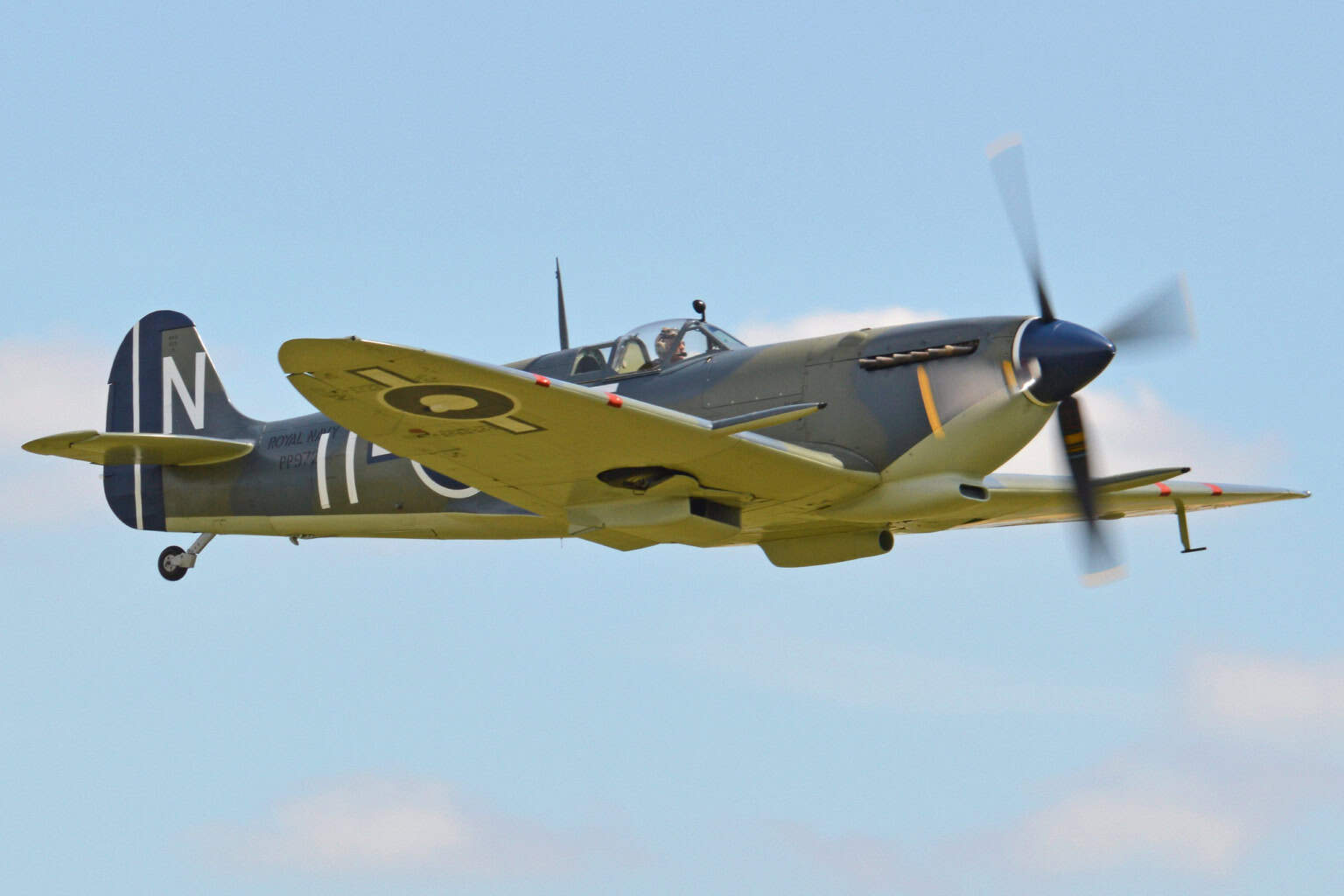
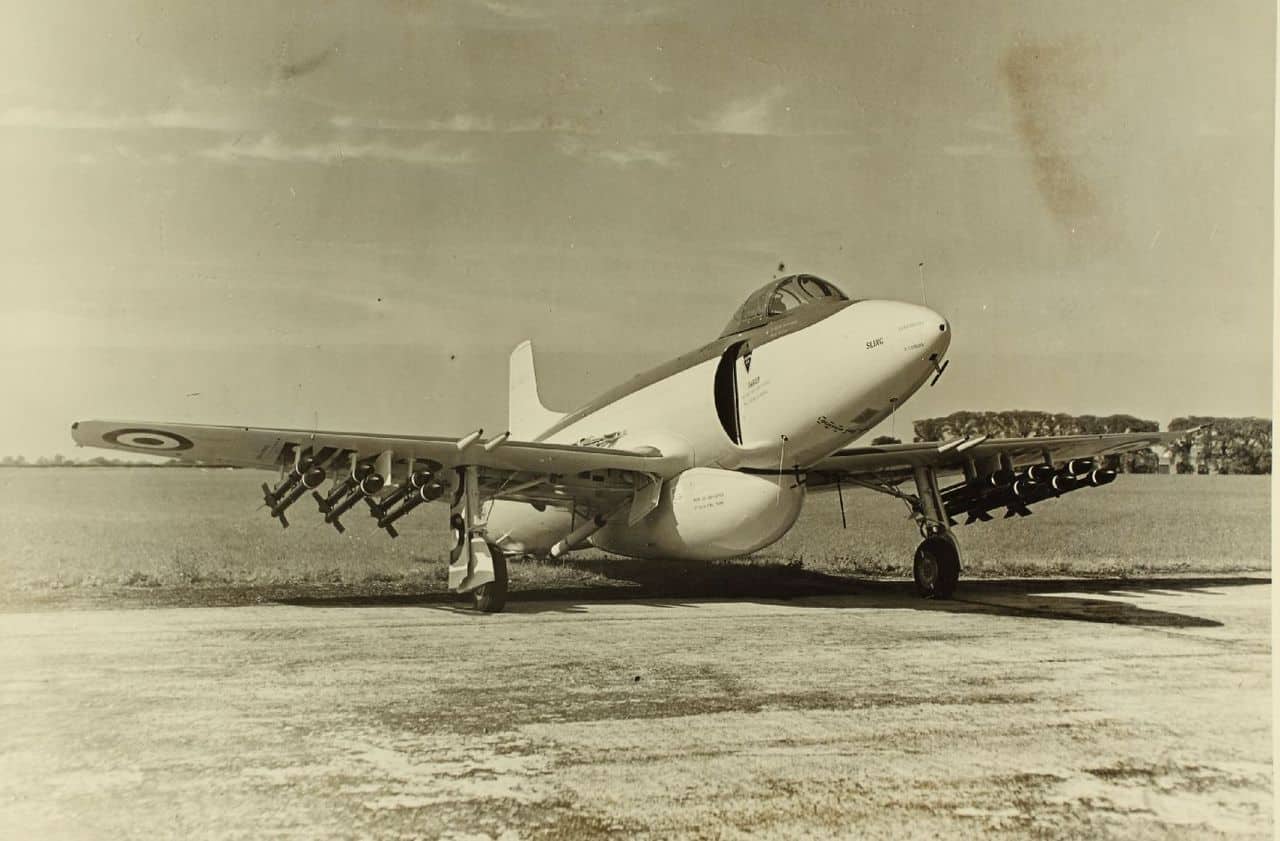
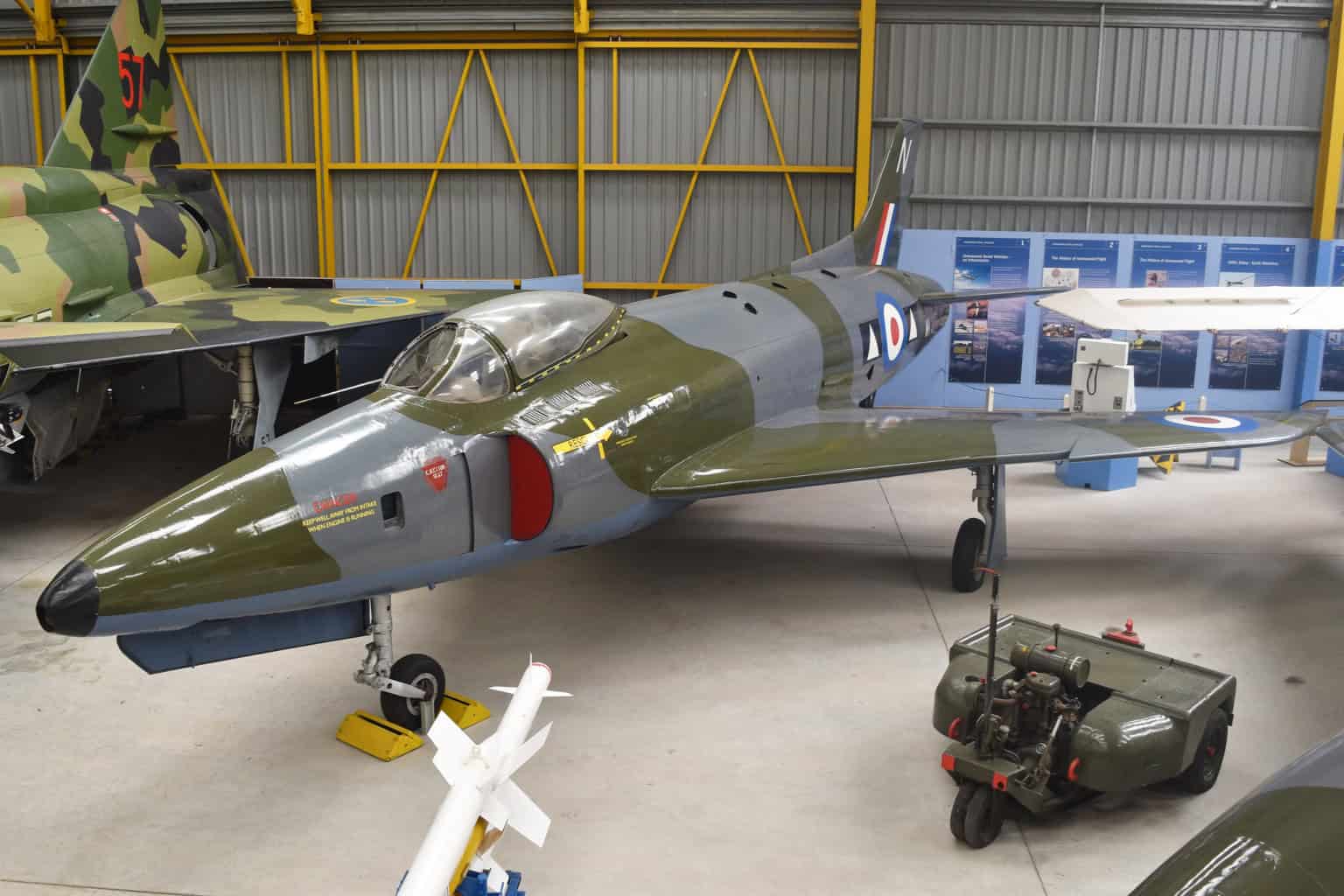
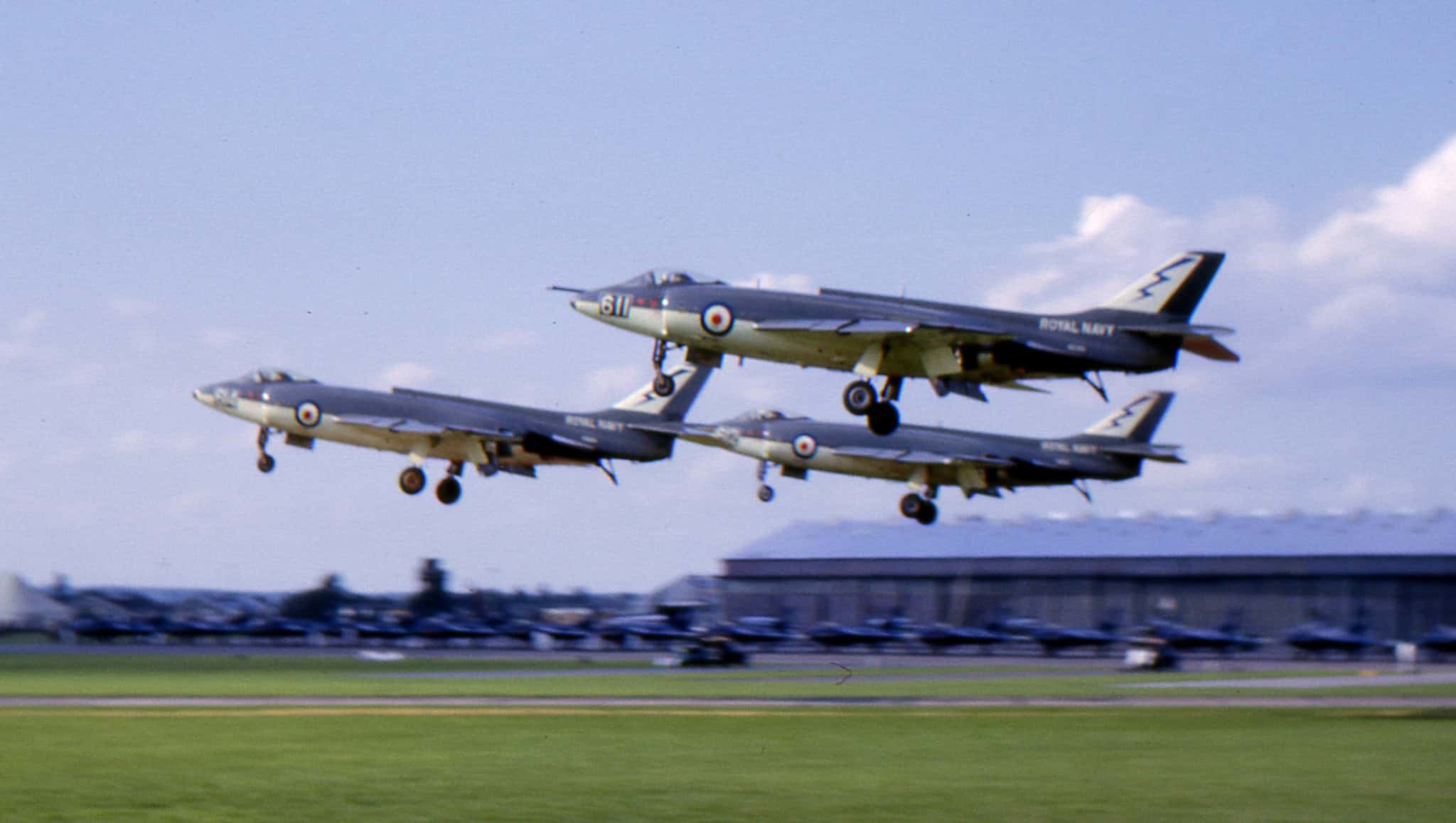
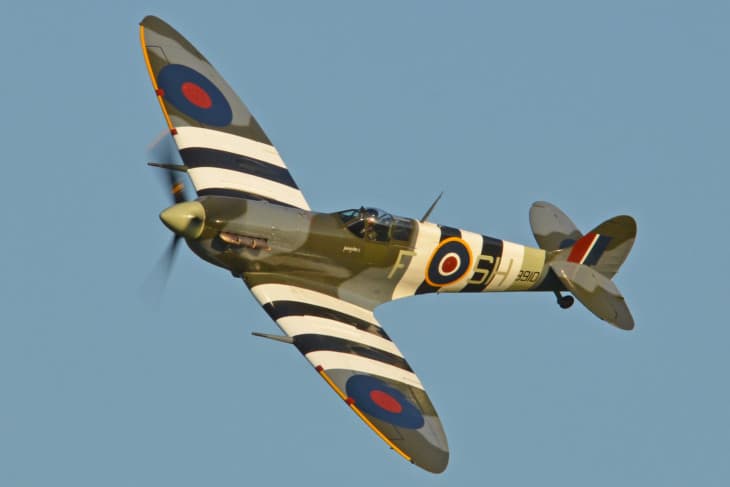
Supermarine was founded in 1913 by Noël Pemberton Billing as the Pemberton-Billing Ltd. company. Initially specializing in seaplane construction, it gained prominence with Schneider Trophy racers. Under designer R.J. Mitchell, Supermarine developed advanced high-speed aircraft that laid the foundation for its future wartime success.
After Mitchell’s death, Supermarine continued Spitfire development through numerous variants. The company later produced jet aircraft but eventually merged into the Vickers-Armstrongs aviation division. Through subsequent restructuring, Supermarine’s lineage now forms part of BAE Systems, continuing its technological legacy in modern aerospace development.
Supermarine was headquartered in Southampton, England, with major factories in Woolston and later Itchen. Wartime bombing required additional shadow factories throughout southern England, supporting large-scale aircraft production during Britain’s urgent rearmament and subsequent war effort.
Supermarine aircraft were built primarily at Woolston and Itchen, with additional production handled at Castle Bromwich and other shadow sites. These dispersed factories allowed continuous output of fighters despite Luftwaffe attacks targeting key British industrial facilities during World War II.
Before becoming famous for fighters, Supermarine produced seaplanes, flying boats, racing aircraft, and research prototypes. The company’s innovative Schneider Trophy racers directly influenced its later high-performance military aircraft designs, establishing a strong engineering foundation for the Spitfire program.
During World War II, Supermarine employed tens of thousands of workers across multiple sites. The company rapidly expanded its workforce to meet wartime demand, becoming one of the United Kingdom’s most important aviation employers of the era.
Supermarine became part of Vickers-Armstrongs in 1928, later incorporated into British Aircraft Corporation (BAC). Following national mergers and reorganizations, the company’s heritage ultimately became part of BAE Systems, Britain’s leading aerospace and defense manufacturer.
The most influential figure was R.J. Mitchell, chief designer of the Spitfire and earlier racing seaplanes. His aerodynamic expertise and design vision shaped Supermarine’s rise from a small manufacturer into one of Britain’s most important aircraft producers.
Exact historical valuation varies, but by 1940 Supermarine had become one of Britain’s most valuable aviation assets due to Spitfire contracts. Its output played a strategic national role, supported by significant government funding and large-scale wartime procurement.
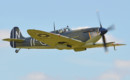
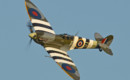
Introduced in 1938, the Spitfire became Britain’s most iconic fighter. Its advanced aerodynamics, elliptical wings, and adaptability allowed continuous improvement. The aircraft served in every major theater and became a symbol of British resilience throughout the war.
Supermarine won the prestigious Schneider Trophy multiple times with cutting-edge racing seaplanes. These aircraft directly influenced high-speed aerodynamic research and engine integration that later shaped the Spitfire’s design philosophy and performance characteristics.
German air raids destroyed Supermarine’s main Woolston plant, forcing rapid dispersal of production. This event marked a critical challenge for British aircraft manufacturing, but the company quickly adapted, ensuring Spitfire output continued during the Battle of Britain.
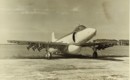
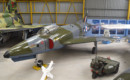
After the war, Supermarine produced early British jets such as the Attacker and Swift. Although these designs saw limited success, they represented the company’s effort to transition into the emerging jet age before eventual mergers absorbed the brand.