Military Propellor Planes
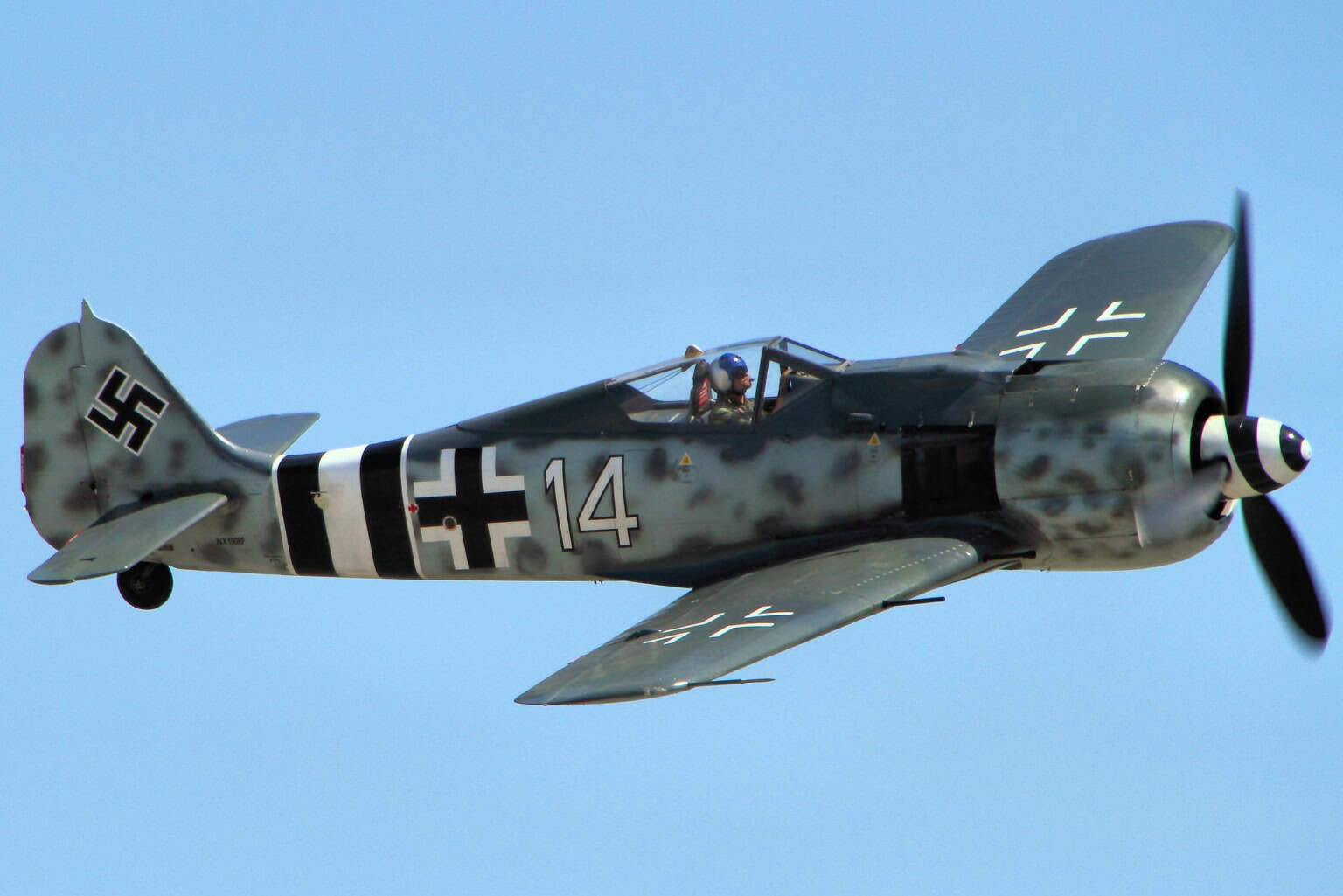
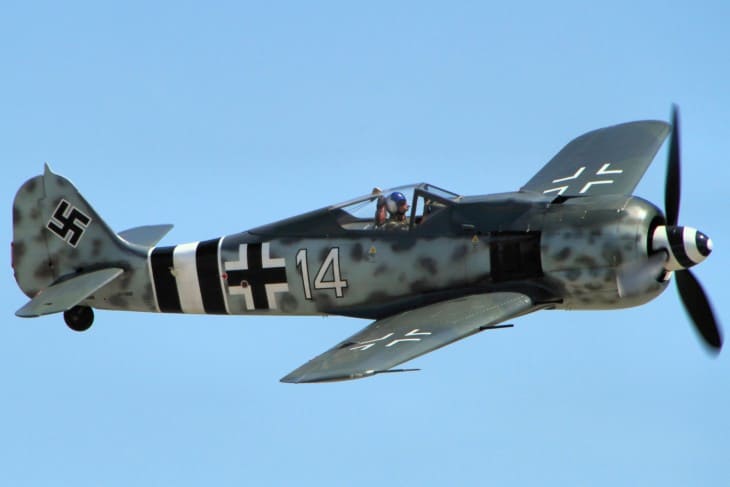
Focke-Wulf Fw 190
ICAO: FW190
Creators of Germany’s most influential WWII frontline aircraft

AeroCorner features profiles for 4 Focke-Wulf aircraft. This includes 4 Military Propellor Planes. Each profile includes performance data, photo galleries, dimensions, and operational history.
Focke-Wulf was a major German aircraft manufacturer known for producing high-performance military aircraft during the 1930s and World War II. The company earned global recognition for its engineering quality, especially through the Fw 190 fighter, which became one of Germany’s most effective and versatile combat aircraft.
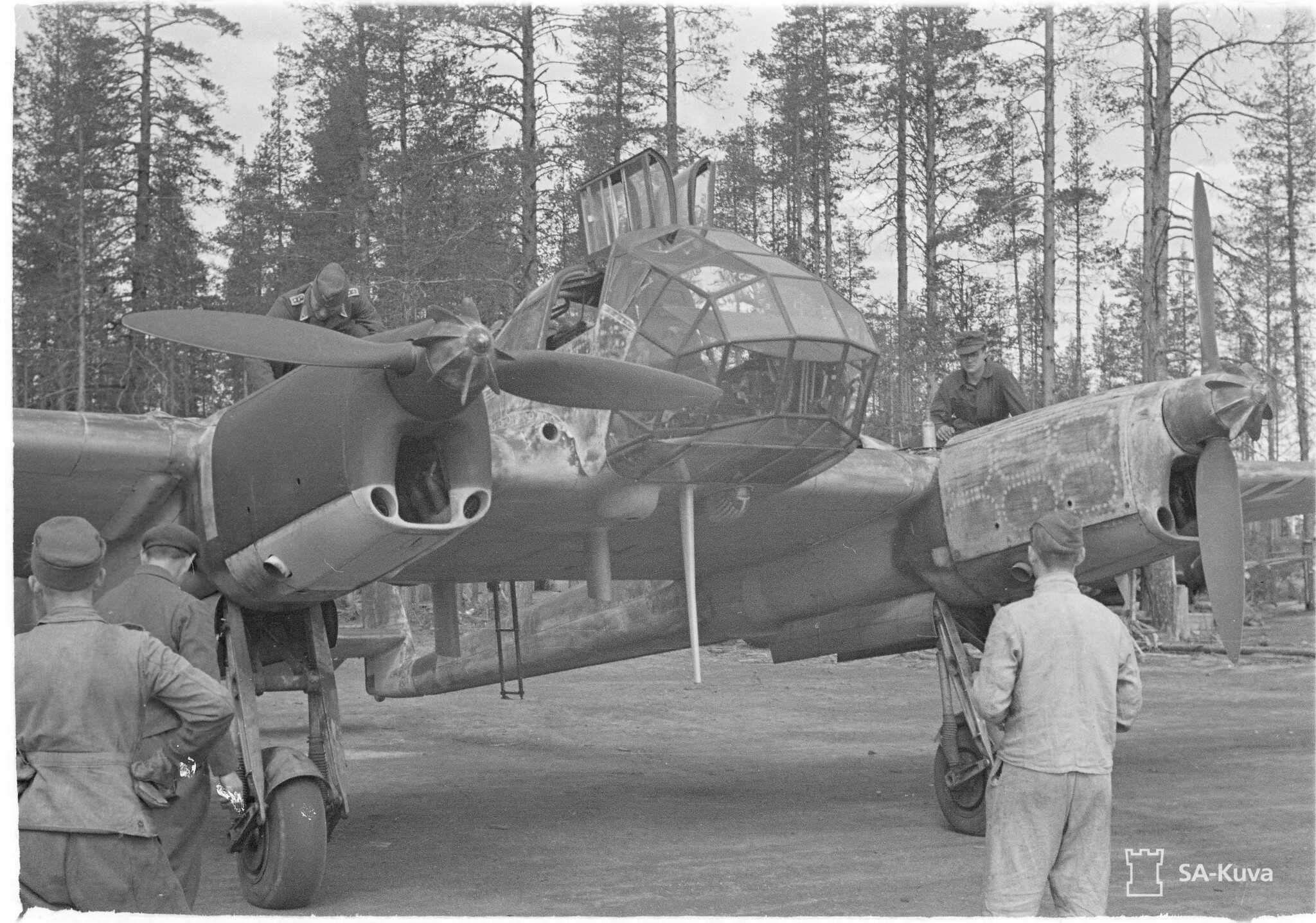
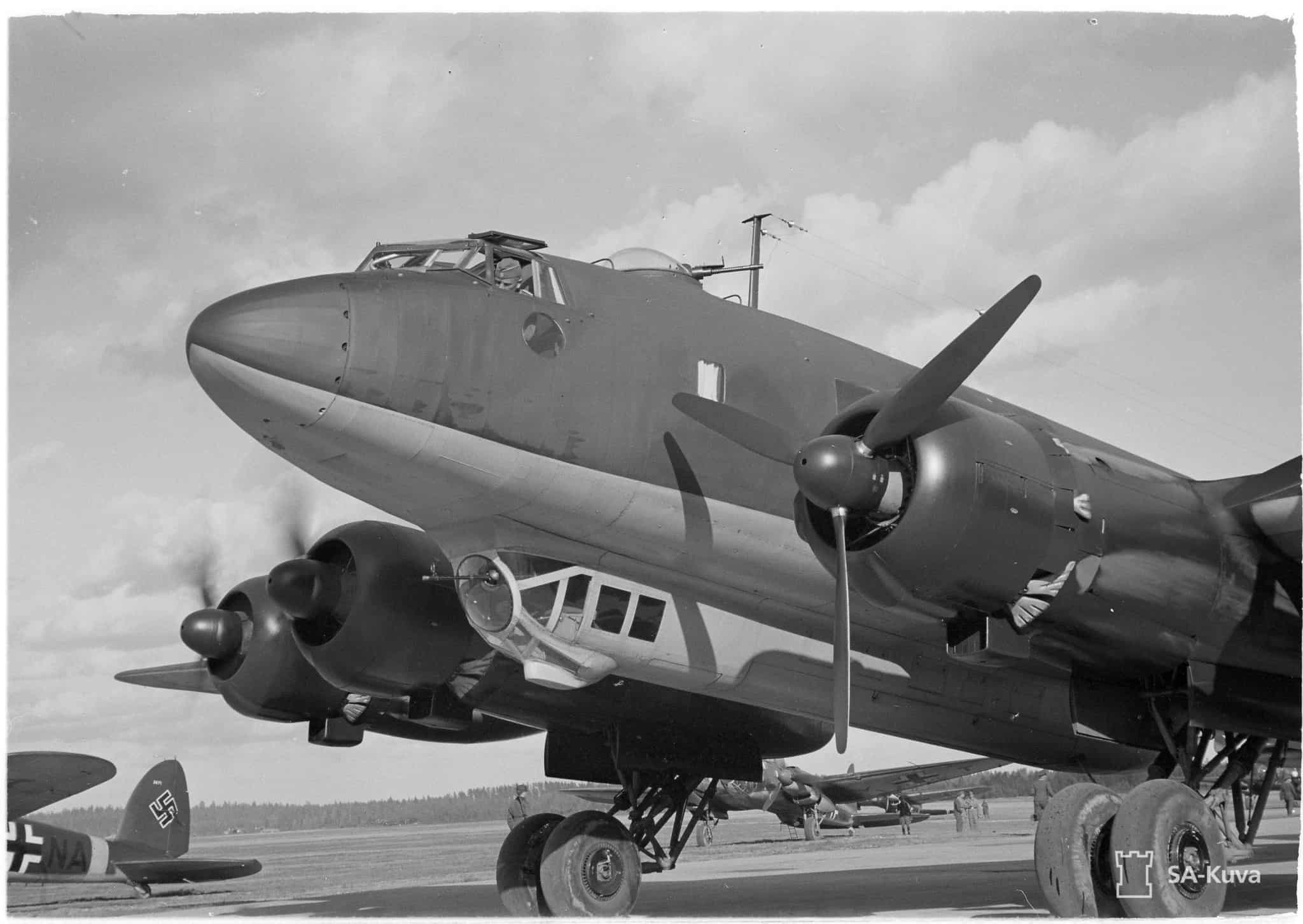
Focke-Wulf was founded in 1923 in Bremen by Henrich Focke, Georg Wulf, and Werner Naumann. Initially focused on small civilian aircraft, the company expanded sharply during the 1930s as Germany rearmed. Its engineering breakthroughs and military contracts made it one of the Luftwaffe’s most important suppliers.
After World War II, the company was dissolved under Allied restrictions. Former Focke-Wulf facilities and design teams eventually merged into Weserflug and later Messerschmitt-Bölkow-Blohm (MBB). Through subsequent mergers, Focke-Wulf’s legacy continues today within Airbus, which absorbed MBB’s aerospace operations in the late 20th century.
Focke-Wulf was headquartered in Bremen, Germany, which served as its primary design and production center. Additional facilities were located in Marienburg, Cottbus, and other cities as wartime production expanded, forming a distributed manufacturing network that supported high Luftwaffe aircraft demand.
Major manufacturing took place in Bremen, with additional production at Marienburg, Cottbus, and several satellite plants across Germany. Late in the war, some aircraft assembly was moved to dispersed or underground facilities to protect production from Allied bombing raids targeting German aviation infrastructure.
The company also produced experimental aircraft, advanced prototypes, and early helicopter designs. Focke-Wulf collaborated on several cutting-edge research projects, such as the Focke-Achgelis Fa 223 helicopter, showcasing its wide range of engineering capabilities beyond conventional military aircraft.
At its wartime height, Focke-Wulf employed tens of thousands of workers across its factories. Labor shortages later in the war led to forced labor being used in several production sites, reflecting broader practices within the German wartime industrial system.
The most influential figure was Kurt Tank, the company’s chief designer. His leadership shaped Focke-Wulf’s most successful wartime aircraft and helped define the company’s engineering direction during its peak national importance.
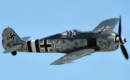
Introduced in 1941, the Fw 190 became a formidable Luftwaffe fighter, excelling in speed, durability, and firepower. It rivaled or surpassed Allied fighters in early combat and evolved into numerous variants, including ground-attack and high-altitude interceptors.

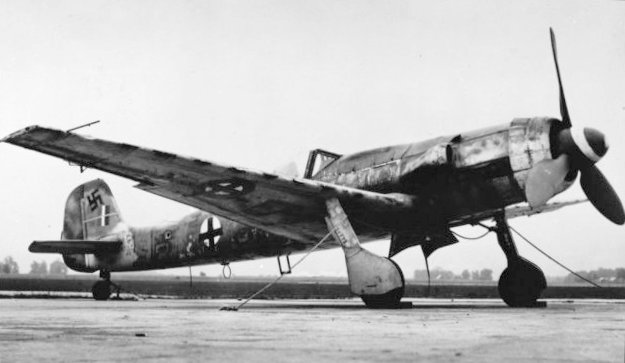
Focke-Wulf’s Ta 152 was one of the fastest piston-engine fighters of the war, designed for high-altitude interception. Though produced in limited numbers, it demonstrated the company’s ability to create cutting-edge aircraft under severe wartime conditions.
As the war progressed, labor shortages led to widespread use of forced labor in several Focke-Wulf plants. This remains one of the most significant and controversial aspects of its wartime operations, reflecting broader practices across German aviation companies.
After the war, military aircraft production was banned in Germany, resulting in Focke-Wulf’s dissolution. Its engineering teams and facilities were later absorbed into larger aerospace groups, eventually forming part of the lineage that leads to today’s Airbus.