

Table of Contents
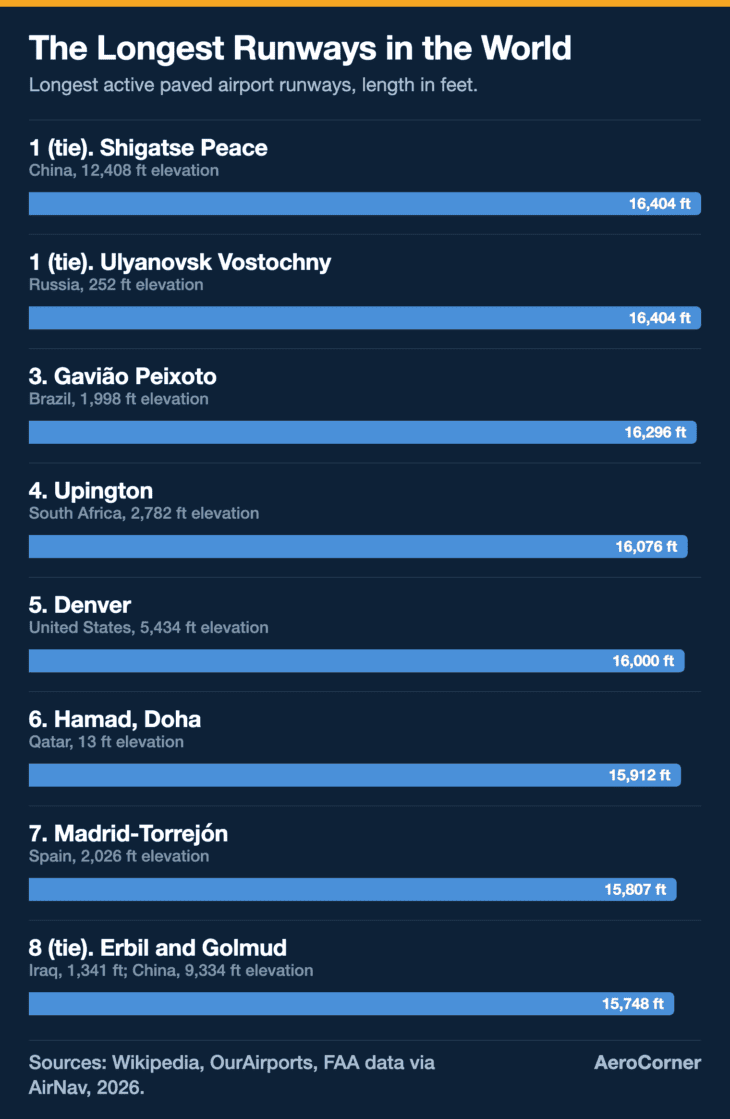
The longest active paved airport runways in the world are a tie: Shigatse Peace Airport in Tibet and Ulyanovsk Vostochny Airport in Russia, each listed at 16,404 feet (5,000 m). That is just over 3 miles of pavement.
Most top-10 lists still name Qamdo Bamda Airport in Tibet at 18,045 feet (5,500 m). That runway is listed as closed, and the airport’s current one is 14,764 feet (4,500 m), which does not make this top 10.
This ranking uses listed runway length as of November 2026, counting paved runways at airports. Lakebed runways are longer still, and they get their own section below.
| Rank | Airport | Country | Length | Elevation |
|---|---|---|---|---|
| 1 (tie) | Shigatse Peace | China | 16,404 ft (5,000 m) | 12,408 ft |
| 1 (tie) | Ulyanovsk Vostochny | Russia | 16,404 ft (5,000 m) | 252 ft |
| 3 | Gavião Peixoto (Embraer) | Brazil | 16,296 ft (4,967 m) | 1,998 ft |
| 4 | Upington | South Africa | 16,076 ft (4,900 m) | 2,782 ft |
| 5 | Denver International | United States | 16,000 ft (4,877 m) | 5,434 ft |
| 6 | Hamad International, Doha | Qatar | 15,912 ft (4,850 m) | 13 ft |
| 7 | Madrid-Torrejón | Spain | 15,807 ft (4,818 m) | 2,026 ft |
| 8 (tie) | Erbil International | Iraq | 15,748 ft (4,800 m) | 1,341 ft |
| 8 (tie) | Golmud | China | 15,748 ft (4,800 m) | 9,334 ft |
| 10 | Robert Gabriel Mugabe International, Harare | Zimbabwe | 15,502 ft (4,725 m) | 4,887 ft |
How this ranking works
We rank active paved runways at airports by listed length, starting from Wikipedia’s list and cross-checking the OurAirports open database. Denver is checked against FAA data. We could not check every figure against an official chart, especially for China and Russia, so those are published values, not measurements of our own. Where sources conflict, the entry says so.
Our interactive ranking of airports by longest runway runs to 100 airports with a map. It draws on a different dataset, so its order and figures differ from this list.
1 (tie). Shigatse Peace Airport, China: 16,404 feet
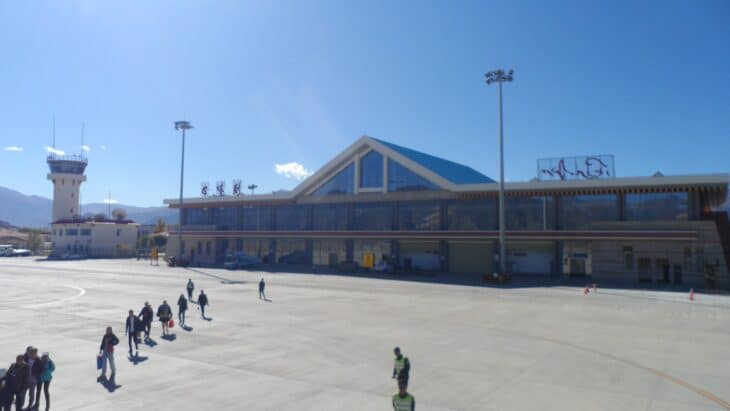

Shigatse sits at 12,408 feet in Tibet, which is the classic reason for a very long runway. Thin air gives a wing less lift, so aircraft need more speed and more distance to get airborne.
It is a dual-use site. Construction began in 1968 and it served only the military until a 2010 expansion, opening to civilian flights on October 30 of that year. For the full calculation behind any runway’s length, see how long a runway needs to be.
1 (tie). Ulyanovsk Vostochny Airport, Russia: 16,404 feet
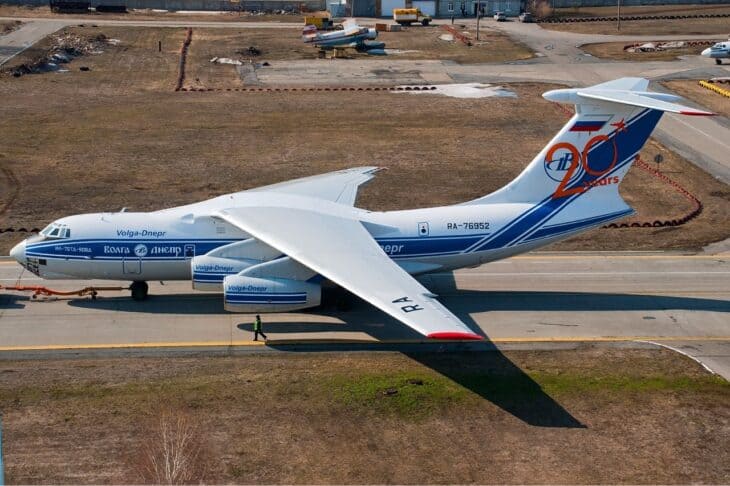

Ulyanovsk matches Shigatse to the foot at an elevation of just 252 feet, so thin air explains nothing here. It was founded in 1983 as a test site, and a very long taxiway connects it to the Aviastar aircraft plant.
Listed widths run from 323 feet to about 345 feet (105 m), and Wikipedia calls it the widest runway in the world. Today it is mainly a cargo airport.
Same length, 12,156 feet apart
The two longest paved runways on Earth are the same length for different reasons. One is fighting thin air in Tibet. The other sits near sea level and exists to serve an aircraft factory.
3. Gavião Peixoto, Brazil: 16,296 feet
Embraer opened its plant here in October 2001 for final assembly and testing, and built this 4,967-meter runway for it. Brazilian press and Wikipedia call it the longest runway in the Americas, ahead of Denver by 296 feet.
This entry carries one data conflict. OurAirports lists the same runway at only 9,843 feet, an outlier against the other sources we read, so we kept the widely reported length.
4. Upington Airport, South Africa: 16,076 feet
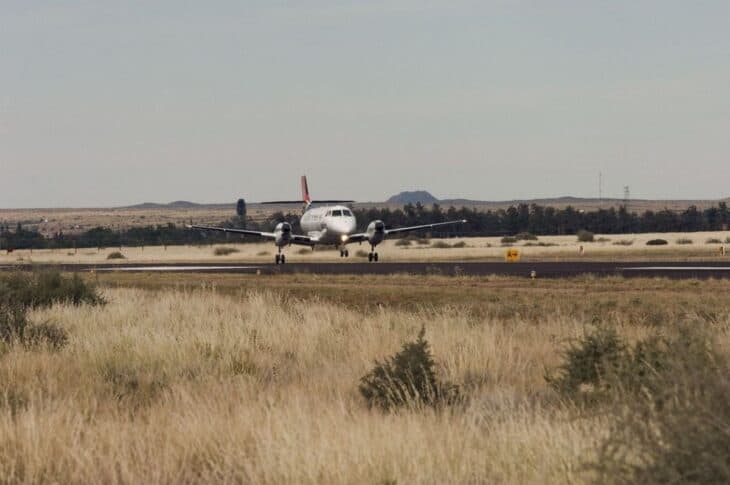

Upington’s runway was built so a fully loaded Boeing 747 could leave for Europe without stopping. Its elevation of 2,782 feet and extremely hot summers both add to the distance a heavy jet needs.
A February 2026 statement from a local Democratic Alliance councillor said the long runway had been shut for over a month, with reopening expected in September 2026. We could not confirm from the airport operator whether it has reopened.
Travel sites often call Upington a NASA Space Shuttle emergency site. We could not find a NASA document that says so, so treat that one as unconfirmed.
5. Denver International Airport, United States: 16,000 feet
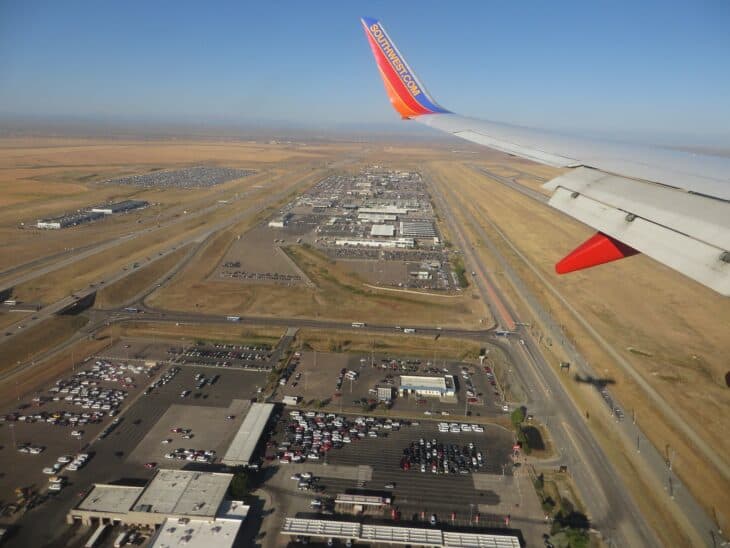
Runway 16R/34L at Denver International is the longest public-use runway in North America, at 16,000 by 200 feet of grooved concrete. It opened in September 2003 and runs 4,000 feet longer than the airport’s other runways.
At 5,434 feet of elevation, that extra length lets a fully laden Airbus A380 take off in hot-and-high conditions. It also leads our list of the longest runways in the US, and it is the best-documented figure on this page.
6. Hamad International Airport, Qatar: 15,912 feet
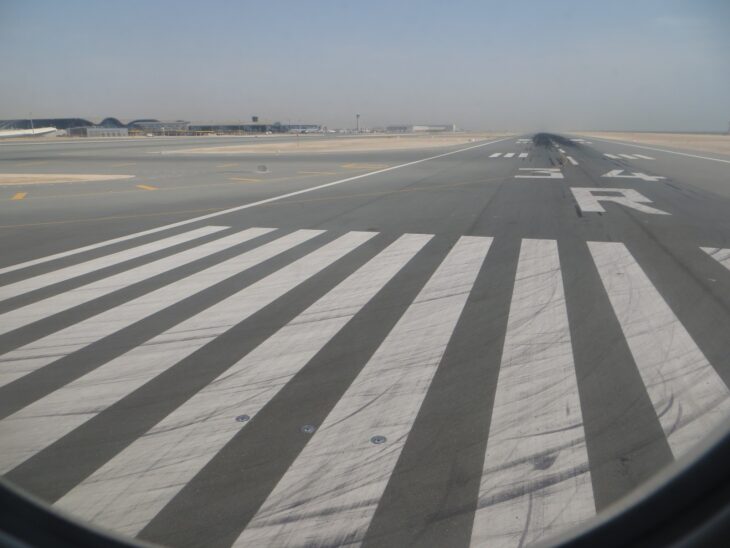

Hamad’s Runway 16L/34R in Doha is 4,850 meters long and sits just 13 feet above sea level. The airport was promoted before its 2014 opening as having the world’s longest commercial runway at sea level, a claim made in the Qatari press rather than an independent record.
At 13 feet, altitude plays no part in that length. Its second runway is no small strip either, at 4,250 meters (13,944 feet).
7. Madrid-Torrejón, Spain: 15,807 feet
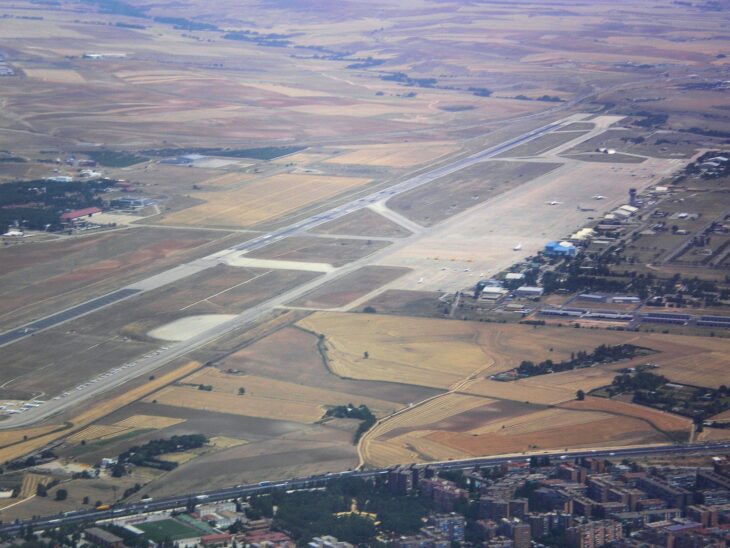

Torrejón is owned by the Spanish Air and Space Force, and its 4,818-meter asphalt runway serves an air base first. Apart from Ulyanovsk, it is the only European entry in this top 10.
8 (tie). Erbil International Airport, Iraq: 15,748 feet
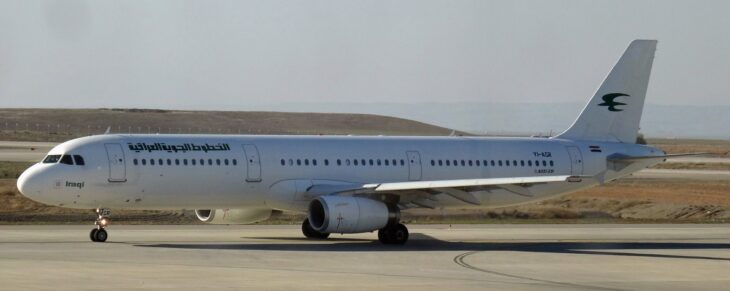

Erbil’s airport opened on July 5, 2005, as a US$550 million replacement beside the old field, whose runway was 2,800 meters. The new concrete runway is 4,800 by 75 meters, at an elevation of just 1,341 feet.
8 (tie). Golmud Airport, China: 15,748 feet
Golmud is the quiet entry on this list. It is a dual-use military and civil airport in Qinghai province at 9,334 feet, where thin air again drives the length.
In 2009 it handled 38,479 passengers and ranked 138th of China’s 166 civil airports. It does not appear on Wikipedia’s list of longest runways, though its own Wikipedia entry and OurAirports both give 4,800 meters.
10. Robert Gabriel Mugabe International Airport, Zimbabwe: 15,502 feet
Harare’s Runway 05/23 is 4,725 meters long at an elevation of 4,887 feet. Kinshasa’s N’djili Airport could follow at 4,700 meters (15,420 feet) on Wikipedia’s list, but OurAirports gives only 13,123 feet, so we left it out.
Why the famous 18,045-foot runway is not No. 1
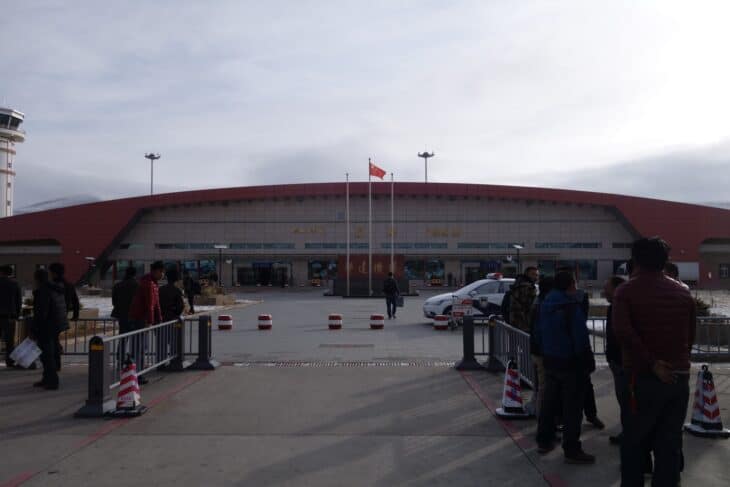

Qamdo Bamda opened in 1995 at 14,219 feet of elevation, and its 18,045-foot runway really was the record. Guinness World Records still lists it as the longest civil runway, at 5.5 km (3.41 miles), and many articles copy that line.
Wikipedia now shows that runway as closed and replaced by a 14,764-foot one, and OurAirports lists only the shorter runway. We found no official notice dating the change, so the replacement rests on those two references. The record is still real history, just not the current answer.
What about Zhukovsky near Moscow?
This is the biggest open question on the list. OPSGROUP reported Zhukovsky’s Runway 12/30 at 5,402 meters (17,723 feet), which would beat every entry here. Wikipedia and OurAirports now list about 4,600 meters (15,092 feet), and we ranked on those current listings, which leave it outside the top 10. We could not find an official document that settles it.
The runways longer than all of these
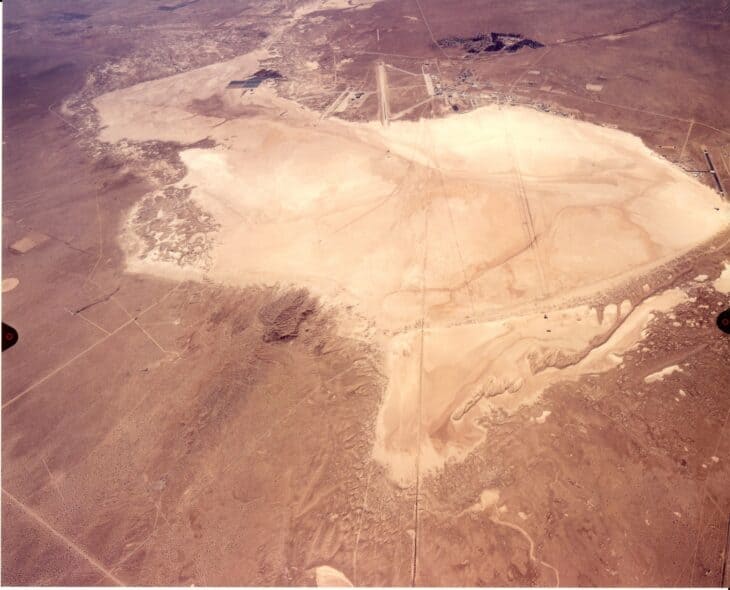

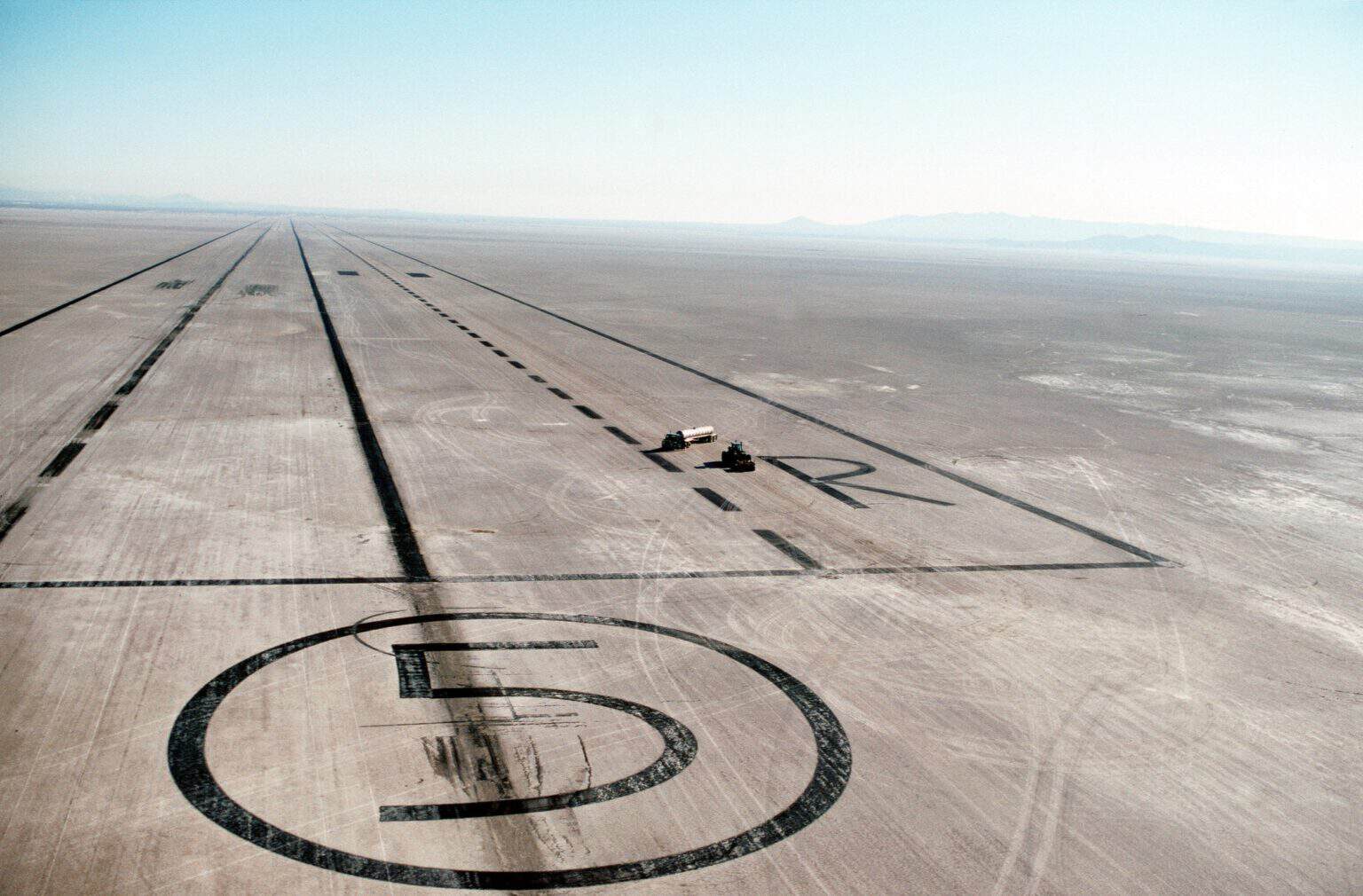
If any marked landing surface counts, the winner is Runway 17/35 on Rogers Dry Lake at Edwards Air Force Base in California. The Air Force lists it at 39,097 by 900 feet, about 7.4 miles (11.9 km), and Guinness names Edwards as the longest military runway at 7.41 miles.
It is a painted line on a dry lakebed, not pavement, and the same Air Force page says 2017 imagery showed it nearly faded away. Edwards’ paved Runway 05R/23L is 15,024 feet, with another 9,588 feet of lakebed available at one end.
White Sands Space Harbor in New Mexico, a former NASA Shuttle training site, has lakebed runways of 35,000 feet (10,668 m). That counts 15,000 usable feet plus 10,000-foot extensions at each end.
Area 51 also comes up in searches. Wikipedia lists a closed paved runway there of roughly 23,000 feet (7,000 m), and flags that length as approximate.
What the list says about why runways get this long
Most runways at large commercial airports run 8,000 to 13,000 feet, so everything here is well beyond normal. The usual explanation is altitude, but only four of these 10 airports sit above 4,800 feet.
The other six sit below 2,800 feet, and their reasons vary: heat, heavy long-haul departures, or flight testing. A runway this long usually tells you what an airport was built to do, not how busy it is. The world’s biggest airports are a different list altogether.
FAQ
Sources and references used for research and fact-checking.
- Wikipedia, List of longest runways
- OurAirports, Open airport and runway data
- AirNav, KDEN Denver International Airport
- Wikipedia, Denver International Airport
- Air Force Test Center, May 19, 2008: The First Flight From the New 12,000-Foot Temporary Runway at Edwards
- Guinness World Records, Longest runway (military)
- Guinness World Records, Longest runway
- Wikipedia, Qamdo Bamda Airport
- Stantec, How long is an airport's runway?
- Wikipedia, Shigatse Peace Airport
- Wikipedia, Ulyanovsk Vostochny Airport
- Wikipedia, Embraer Unidade Gavião Peixoto Airport
- Canal Rural, A pista mais longa das Américas
- Wikipedia, Upington Airport
- Democratic Alliance Northern Cape, DA demands national intervention in Upington International Airport crisis
- Wikipedia, Hamad International Airport
- The Peninsula, New airport makes Qatar a truly global gateway
- Wikipedia, Madrid-Torrejón Airport
- Wikipedia, Erbil International Airport
- Wikipedia, Golmud Airport
- Wikipedia, Robert Gabriel Mugabe International Airport
- OPSGROUP, New Moscow airport: Ramenskoye
- Wikipedia, Zhukovsky International Airport
- Wikipedia, White Sands Space Harbor
- Wikipedia, Juancho E. Yrausquin Airport
Get the Newsletter
The latest aviation news and stories sent to your inbox.
About the Author

Tim is the owner and lead editor of AeroCorner since 2019, overseeing aviation content covering aircraft, airlines, airports, and the broader aviation industry. Through years of researching, writing, editing, and publishing aviation-focused content, he has developed extensive practical knowledge of commercial aviation and air travel. Based in Asia and a frequent traveler himself, Tim also brings firsthand passenger experience to AeroCorner’s coverage. Outside of publishing, he has also explored aviation firsthand through hands-on flight training in New Zealand.