

Table of Contents
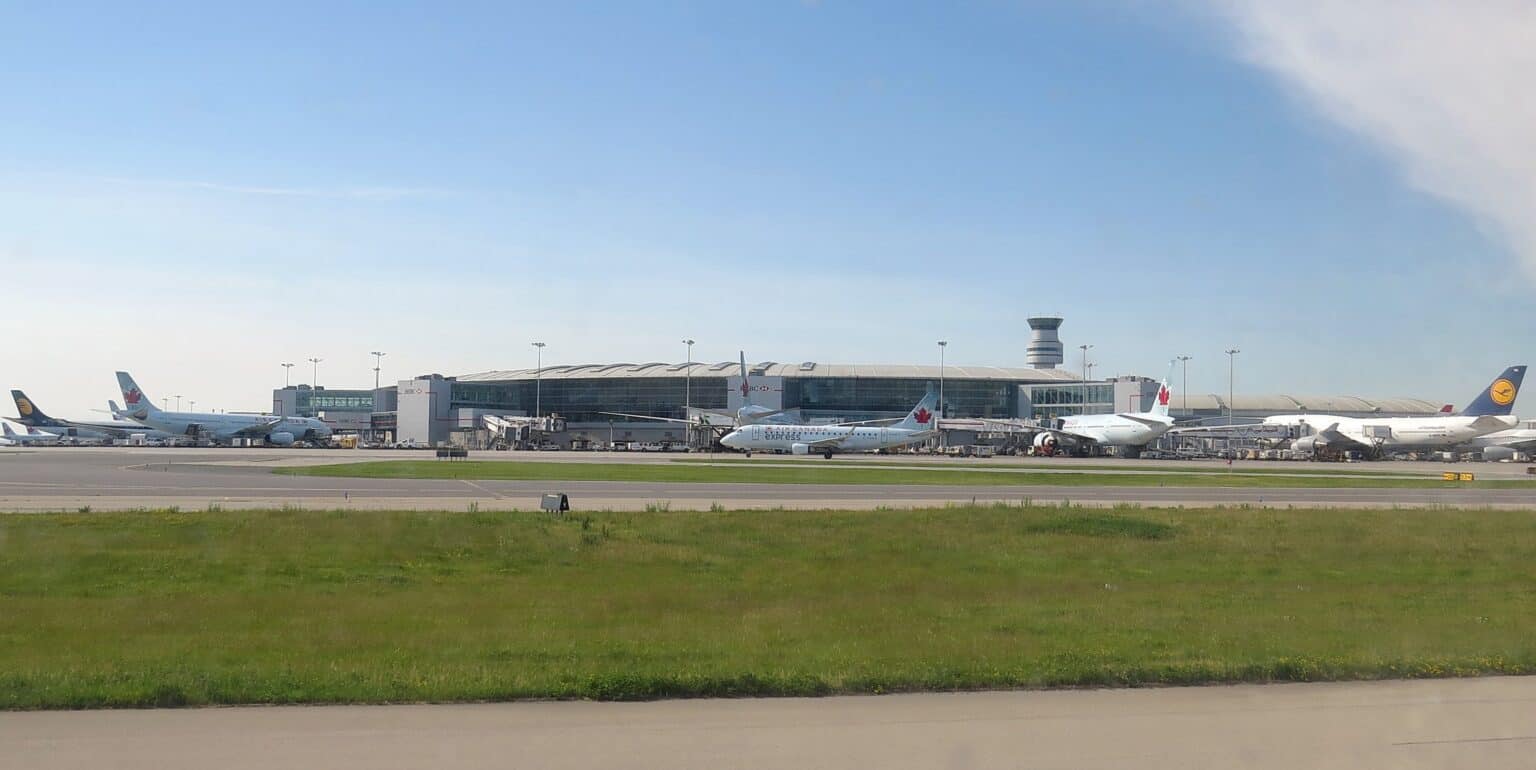
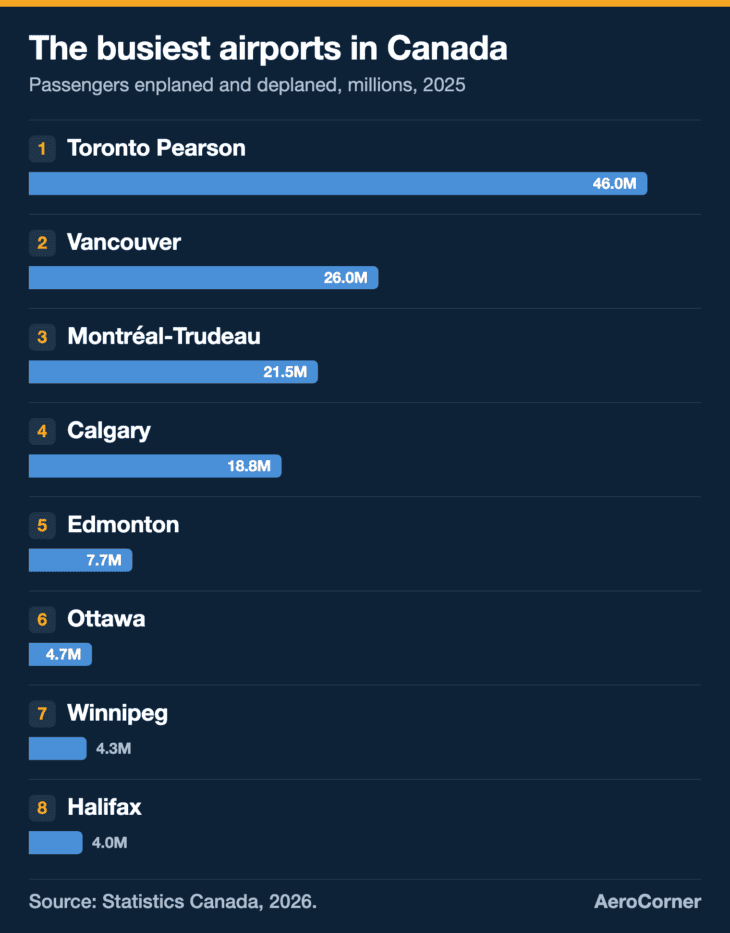
Toronto Pearson is the busiest airport in Canada by a wide margin. Statistics Canada counted 45,998,881 passengers boarding and leaving flights there in 2025, which is 28.9% of every airport passenger in the country and almost as many as Vancouver and Montréal-Trudeau combined.
This list ranks Canada’s 20 busiest airports by those 2025 Statistics Canada counts, the official full-year figures released in July 2026. An AeroCorner analysis of airline schedule data (average of 6 weekly samples, June to November 2026) puts the same four airports at the top by daily departures, in the same order.
Below are all 20 airports, the ones that have grown past their 2019 numbers, the ones still short of them, and the Toronto airport the official table leaves blank.
| Rank | Airport | Province or territory | Passengers 2025 | Change vs 2024 |
|---|---|---|---|---|
| 1 | Toronto Pearson (YYZ) | Ontario | 45,998,881 | +0.4% |
| 2 | Vancouver (YVR) | British Columbia | 26,013,167 | +2.7% |
| 3 | Montréal-Trudeau (YUL) | Quebec | 21,531,258 | -0.4% |
| 4 | Calgary (YYC) | Alberta | 18,803,183 | +2.0% |
| 5 | Edmonton (YEG) | Alberta | 7,658,691 | +1.4% |
| 6 | Ottawa (YOW) | Ontario | 4,732,563 | +5.3% |
| 7 | Winnipeg (YWG) | Manitoba | 4,274,502 | +2.2% |
| 8 | Halifax (YHZ) | Nova Scotia | 4,020,914 | +4.4% |
| 9 | Kelowna (YLW) | British Columbia | 2,244,830 | +8.1% |
| 10 | Victoria (YYJ) | British Columbia | 1,931,201 | +5.7% |
| 11 | Québec City (YQB) | Quebec | 1,764,289 | +5.4% |
| 12 | Saskatoon (YXE) | Saskatchewan | 1,488,223 | +3.3% |
| 13 | St. John’s (YYT) | Newfoundland and Labrador | 1,398,117 | +2.2% |
| 14 | Regina (YQR) | Saskatchewan | 1,093,189 | +2.9% |
| 15 | Abbotsford (YXX) | British Columbia | 1,019,164 | n/a |
| 16 | Thunder Bay (YQT) | Ontario | 717,574 | +6.4% |
| 17 | Moncton (YQM) | New Brunswick | 628,525 | -1.7% |
| 18 | Yellowknife (YZF) | Northwest Territories | 509,828 | +1.9% |
| 19 | Prince George (YXS) | British Columbia | 447,216 | -0.5% |
| 20 | Comox (YQQ) | British Columbia | 440,831 | +11.2% |
How this ranking works
The order is Statistics Canada’s count of passengers enplaned and deplaned in calendar 2025: everyone who boarded or got off a flight at the airport. A passenger who flies out and back is counted twice, once each way. Statistics Canada leaves some airports blank to protect confidential airline data, so an airport with no published figure cannot be ranked. The airports’ own published totals are a little higher than these counts, but they give the same top four in the same order. Our schedule figures count departures only, on routes flown by at least one passenger airline, averaged over one sample week a month from June to November 2026.
1. Toronto Pearson (YYZ)
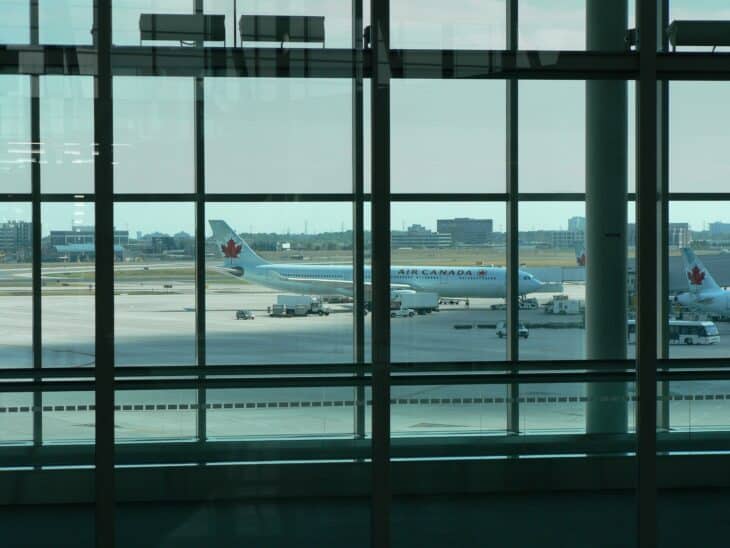

Pearson handled 45,998,881 passengers in 2025, up 0.4% on 2024. It is still 6.5% below its 2019 total of 49,187,804, which makes it the only one of Canada’s four biggest airports that has not yet caught up with its pre-pandemic number.
The Greater Toronto Airports Authority, which runs Pearson, puts its own 2025 total higher, at 47.3 million, up 1.1%. Either way, Pearson is Air Canada’s primary global hub and also a hub for WestJet and Porter Airlines. Our ranking of the world’s busiest airports by passengers shows how far it sits behind the global giants.
Pearson is an international airport first. Of its 2025 passengers, 18,084,311 were on flights to and from countries other than the United States, more than the 16,439,411 on domestic flights and the 11,475,159 on US flights.
Why Toronto is YYZ
Canadian airport codes come from the two-letter codes used for weather and radio stations in the 1930s, with a Y added for stations at an airport. Pearson was built near the town of Malton, and it took Malton’s station code, which is why Toronto is YYZ and not something closer to its name.
2. Vancouver (YVR)
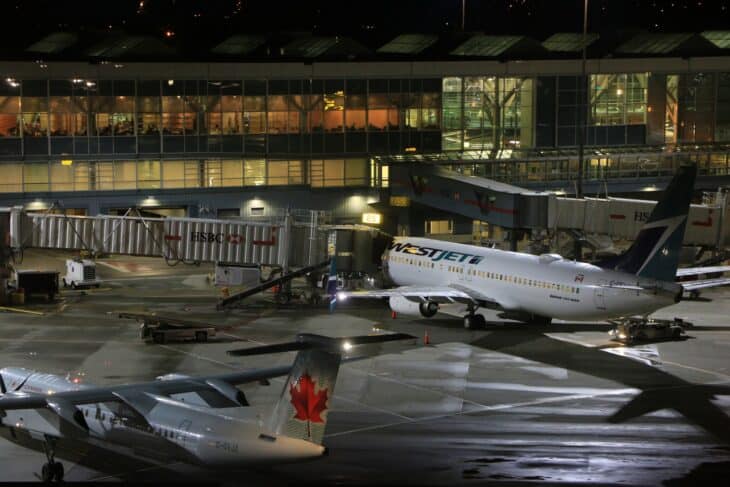

Vancouver handled 26,013,167 passengers in 2025, up 2.7% and the biggest gain among Canada’s four largest airports. It is also 1.1% above its 2019 total.
The airport’s own figure is 26.9 million, an all-time record that beat the 26.3 million set in 2019. Vancouver says Asia-Pacific traffic grew 15.6% in 2025 while US traffic fell 7.1%, the clearest picture anywhere in Canada of the year’s shift away from American routes.
Domestic flights still carry about half of Vancouver’s passengers, 12,832,129 in 2025. It is a hub for both Air Canada and WestJet.
3. Montréal-Trudeau (YUL)
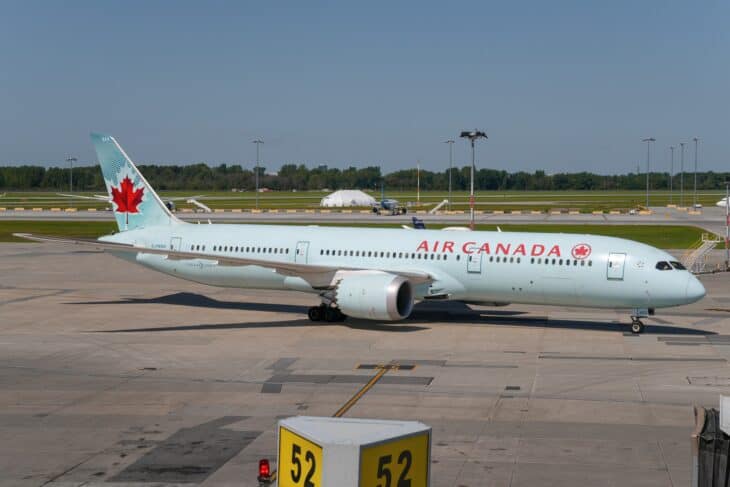

Montréal-Trudeau handled 21,531,258 passengers in 2025, down 0.4% and the only top-four airport to shrink. Even so, it is 10.0% above 2019, the strongest recovery of the big four.
No other big Canadian airport leans so far overseas. 10,556,511 of its passengers, 49.0%, flew to or from countries other than the US, against 6,378,969 domestic passengers. Air Canada, which leads our ranking of North America’s best airlines, has its headquarters in Montréal and runs one of its three hubs here.
Aéroports de Montréal, which runs the airport, puts its own 2025 total at 22.4 million, roughly level with 2024.
4. Calgary (YYC)
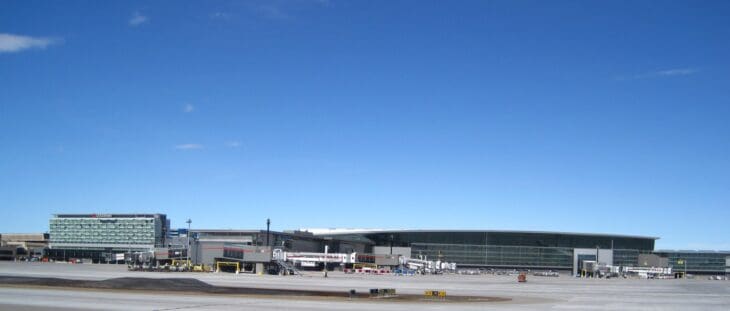

Calgary handled 18,803,183 passengers in 2025, up 2.0% and 9.3% above 2019. The airport’s own count is a record 19.4 million, its fourth year of growth in a row, with service to 108 destinations.
It is the most domestic of the big four. 12,605,805 passengers, two in every three, flew within Canada, almost as many as at Vancouver, an airport with 7 million more passengers in total. Calgary is WestJet’s home hub, which our Air Canada vs WestJet comparison covers in detail.
5. Edmonton (YEG)
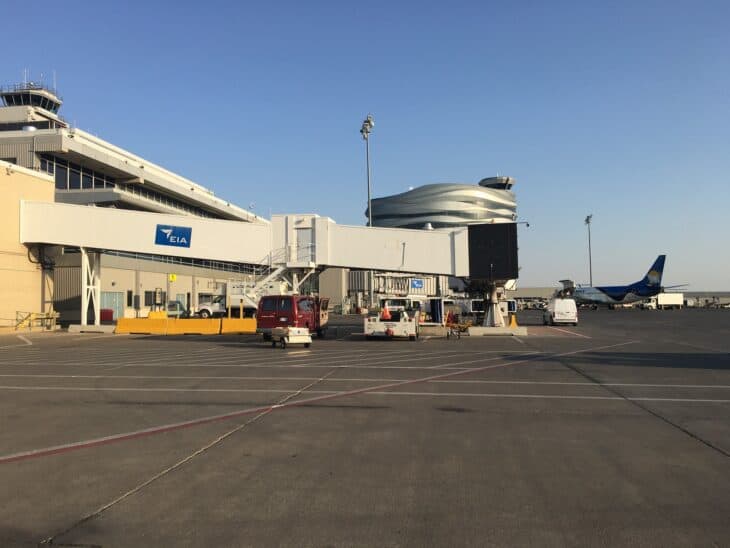
Edmonton handled 7,658,691 passengers in 2025, up 1.4% but still 3.0% below 2019. The drop from fourth to fifth is the steepest step in the ranking: Edmonton carries about 41% of the traffic at Calgary, Alberta’s other big airport.
Domestic flights carried 6,322,811 of its passengers, 82.6% of the total.
6. Ottawa (YOW)
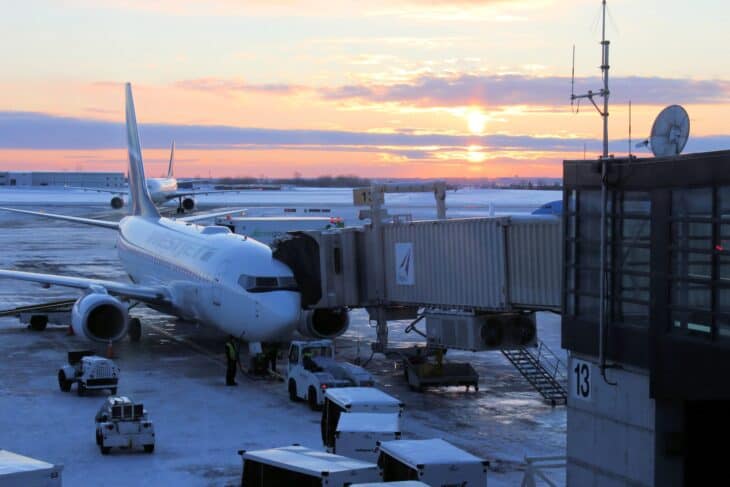

The capital’s airport handled 4,732,563 passengers in 2025. That was up 5.3%, the fastest growth in the top eight, but still 4.8% short of 2019.
Domestic flights carried 74.7% of its passengers, and only 471,138 flew to countries other than the US, a small share for a national capital.
7. Winnipeg (YWG)
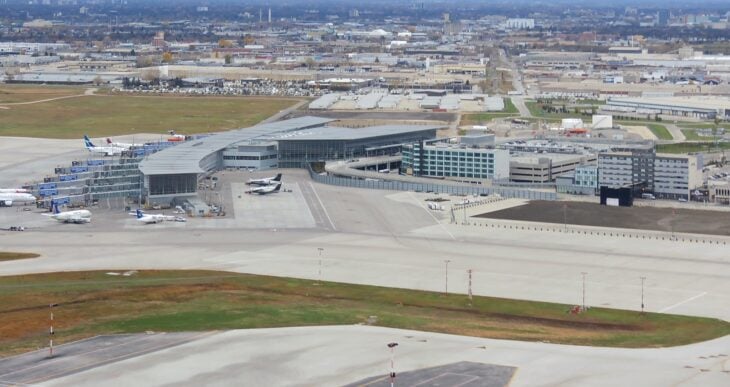
Winnipeg handled 4,274,502 passengers in 2025, up 2.2% and 2.8% below 2019. It is the busiest airport between Ontario and Alberta, and 85.1% of its passengers flew domestic.
8. Halifax (YHZ)
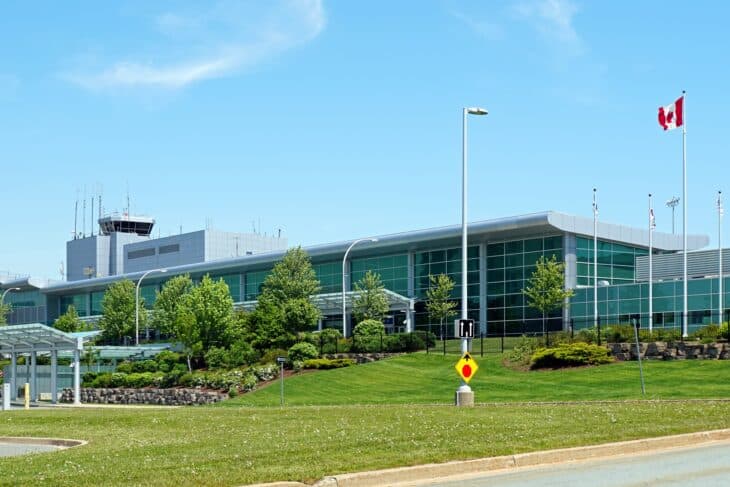

Halifax Stanfield handled 4,020,914 passengers in 2025, up 4.4%, making it the busiest airport in Atlantic Canada by a factor of almost three over St. John’s. It is still 2.6% below 2019.
9. Kelowna (YLW)
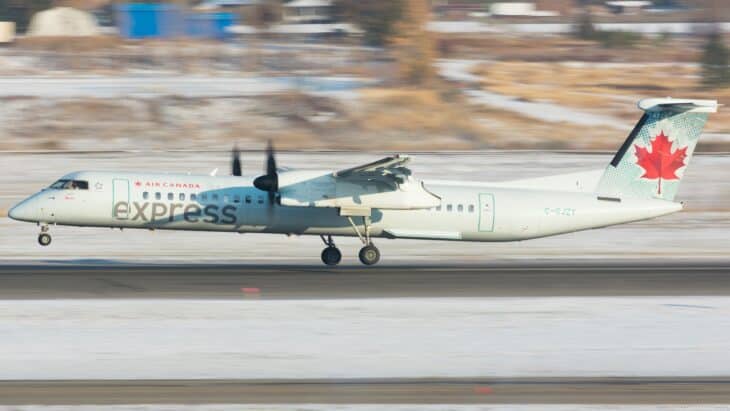

Kelowna is the surprise of the top 10. It handled 2,244,830 passengers in 2025, up 8.1%, and 13.6% more than in 2019, the biggest gain on 2019 of any airport in the top 10.
It serves British Columbia’s Okanagan Valley, and 92.4% of its passengers were on flights within Canada. In 2025 it handled more passengers than Victoria, the provincial capital.
10. Victoria (YYJ)
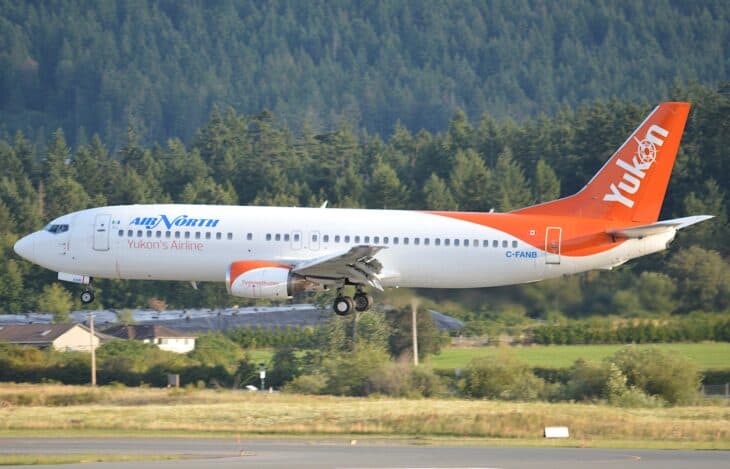

Victoria handled 1,931,201 passengers in 2025, up 5.7% and 4.2% above 2019. Nine in ten of its passengers flew domestic.
11. Québec City (YQB)
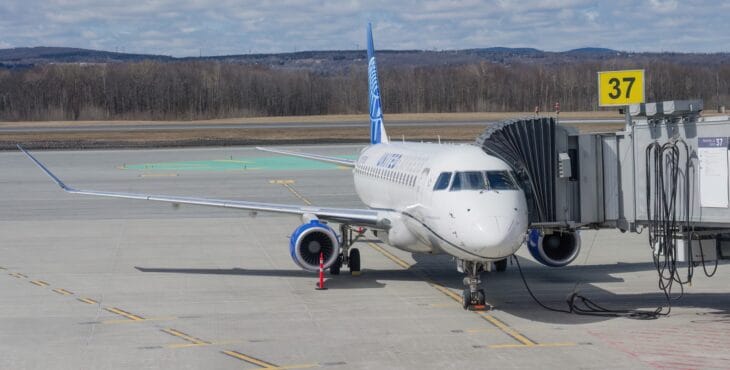

Québec City handled 1,764,289 passengers in 2025, up 5.4%. It is unusual for its size: 509,396 of its passengers flew to countries other than the US, almost twice as many as flew to the US.
12. Saskatoon (YXE)
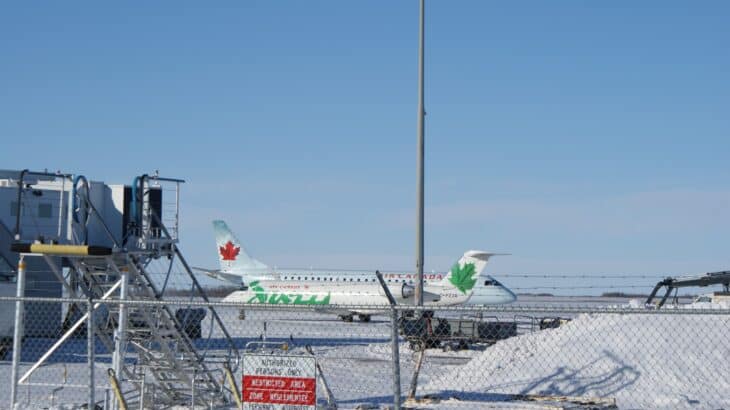

Saskatoon handled 1,488,223 passengers in 2025, up 3.3%, and is just 0.4% above 2019. It is the busier of Saskatchewan’s two main airports, ahead of the provincial capital, Regina.
13. St. John’s (YYT)

St. John’s handled 1,398,117 passengers in 2025, up 2.2% and 2.7% below 2019. It is the busiest airport in Newfoundland and Labrador.
14. Regina (YQR)
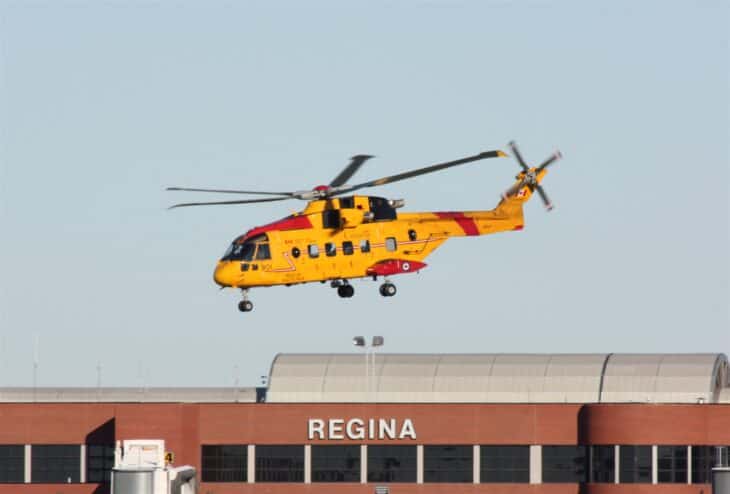

Regina handled 1,093,189 passengers in 2025, up 2.9%. At 6.4% below 2019, it has one of the slowest recoveries in the top 20.
15. Abbotsford (YXX)
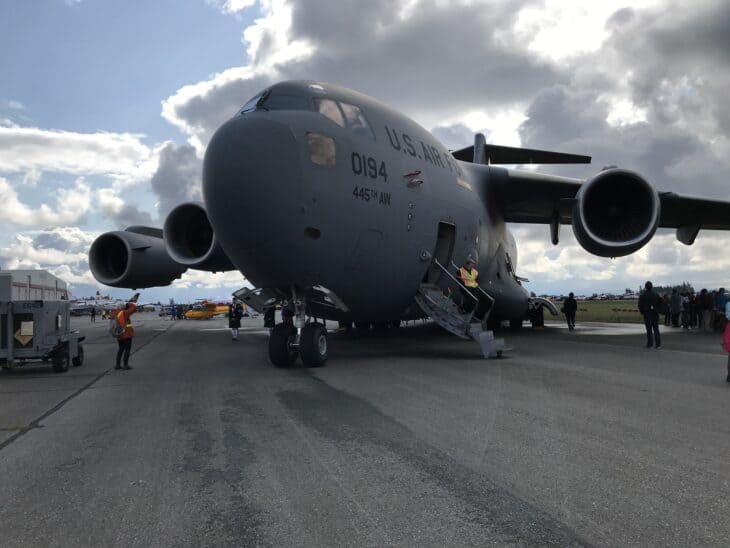

Abbotsford handled 1,019,164 passengers in 2025, 1.8% more than in 2019. Statistics Canada did not publish a 2024 figure for it, so its yearly change cannot be calculated.
It serves the Fraser Valley, east of Vancouver, and is the fourth-busiest airport in British Columbia, after Vancouver, Kelowna and Victoria.
16. Thunder Bay (YQT)
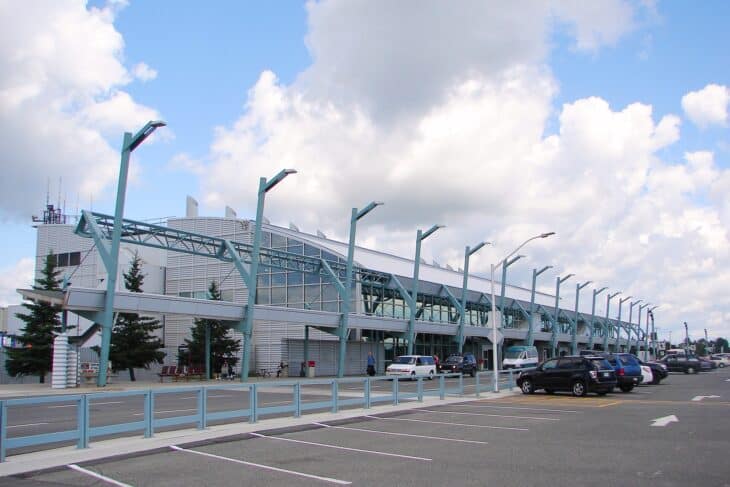

Thunder Bay handled 717,574 passengers in 2025, up 6.4% but 7.2% below 2019. It is the gateway to northwestern Ontario and the busiest Ontario airport outside Toronto Pearson and Ottawa in the published figures.
17. Moncton (YQM)


Moncton handled 628,525 passengers in 2025, down 1.7%, and is the busiest airport in New Brunswick.
18. Yellowknife (YZF)
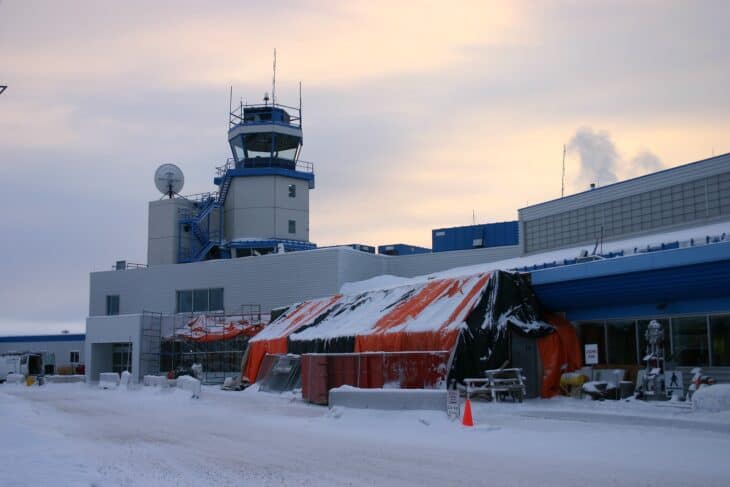
Yellowknife handled 509,828 passengers in 2025, up 1.9% and 3.5% above 2019. It is the only airport in the top 20 north of 60, and almost all of its traffic is domestic.
19. Prince George (YXS)


Prince George handled 447,216 passengers in 2025, down 0.5%. It is the main airport for northern British Columbia.
20. Comox (YQQ)


Comox, on Vancouver Island, handled 440,831 passengers in 2025. Its 11.2% jump was the biggest yearly gain in the top 20, and it stayed just ahead of Fredericton (386,059).
The US slump that reshaped 2025
Canadian airports handled 158,911,901 passengers in 2025, up 1.3% on 2024 but still 97.6% of the 2019 total. The headline hides a sharp split by destination.
Passengers on flights to and from the United States fell 7.9% to 29.4 million, which Statistics Canada links to trade tensions with the US. Domestic travel rose 2.9% and travel to other countries rose 5.1%, and airlines cut US routes and added new ones elsewhere.
That pattern helps explain why Vancouver, with its Asia-Pacific growth, and Calgary, with its domestic weight, grew faster than Toronto and Montréal. The four together handled 70.7% of every airport passenger in Canada.
Counting flights instead of passengers
Our own schedule data gives the same top four. Toronto Pearson averaged about 575 departures a day from June to November 2026, Vancouver about 383, Montréal-Trudeau about 291 and Calgary about 288.
The gap between Montréal and Calgary almost disappears when you count flights. Montréal carried 2.7 million more passengers in 2025, and almost half of them were on international flights, which tend to use bigger aircraft. Two in three Calgary passengers flew domestic. For the same comparison south of the border, see our list of the busiest airports in the US.
The airport that fell out of the top 20
Hamilton, Ontario handled 940,105 passengers in 2019, enough for 16th place on 2025’s list. In 2025 it handled 313,602, a fall of two thirds.
Ultra-low-cost carriers including Swoop picked Hamilton as a base in 2018 to serve the Toronto area cheaply. Swoop stopped flying under its own name in October 2023, when it was folded back into WestJet.
What about Billy Bishop Toronto City?
Toronto’s downtown island airport is missing from this list because Statistics Canada leaves its line blank to protect confidential data, not because it is small. The airport says it served over 2 million passengers in 2024, which would put it in the top 10, between Kelowna and Victoria. Without a published 2025 count it cannot be ranked on the same basis.
FAQ
Sources and references used for research and fact-checking.
- Statistics Canada, Air passenger traffic at Canadian airports, annual (Table 23-10-0253-01)
- Statistics Canada, The Daily, Airport activity changes course in 2025
- Greater Toronto Airports Authority, GTAA Reports 2025 Annual Results
- World Airline News (Vancouver Airport Authority release), YVR breaks all-time cargo and passenger records in 2025
- Aéroports de Montréal, ADM announces its financial results for 2025
- Calgary Airport Authority, YYC Calgary International Airport welcomed 19.4 million passengers in 2025
- Aviation Pros (PortsToronto release), Billy Bishop Toronto City Airport releases 2024 ESG report
- Airports Council International World, World's busiest airports revealed in latest global rankings
- Wikipedia, Toronto Pearson International Airport
- Wikipedia, IATA airport code
- Wikipedia, Air Canada
- Wikipedia, WestJet
- Wikipedia, John C. Munro Hamilton International Airport
- Wikipedia, Swoop (airline)
Get the Newsletter
The latest aviation news and stories sent to your inbox.
About the Author

Tim is the owner and lead editor of AeroCorner since 2019, overseeing aviation content covering aircraft, airlines, airports, and the broader aviation industry. Through years of researching, writing, editing, and publishing aviation-focused content, he has developed extensive practical knowledge of commercial aviation and air travel. Based in Asia and a frequent traveler himself, Tim also brings firsthand passenger experience to AeroCorner’s coverage. Outside of publishing, he has also explored aviation firsthand through hands-on flight training in New Zealand.