

Table of Contents
Rockstar rebuilt Miami’s airport for Grand Theft Auto VI, kept the tower, the train and even the terminal signs, and quietly left out most of what makes the real one matter.
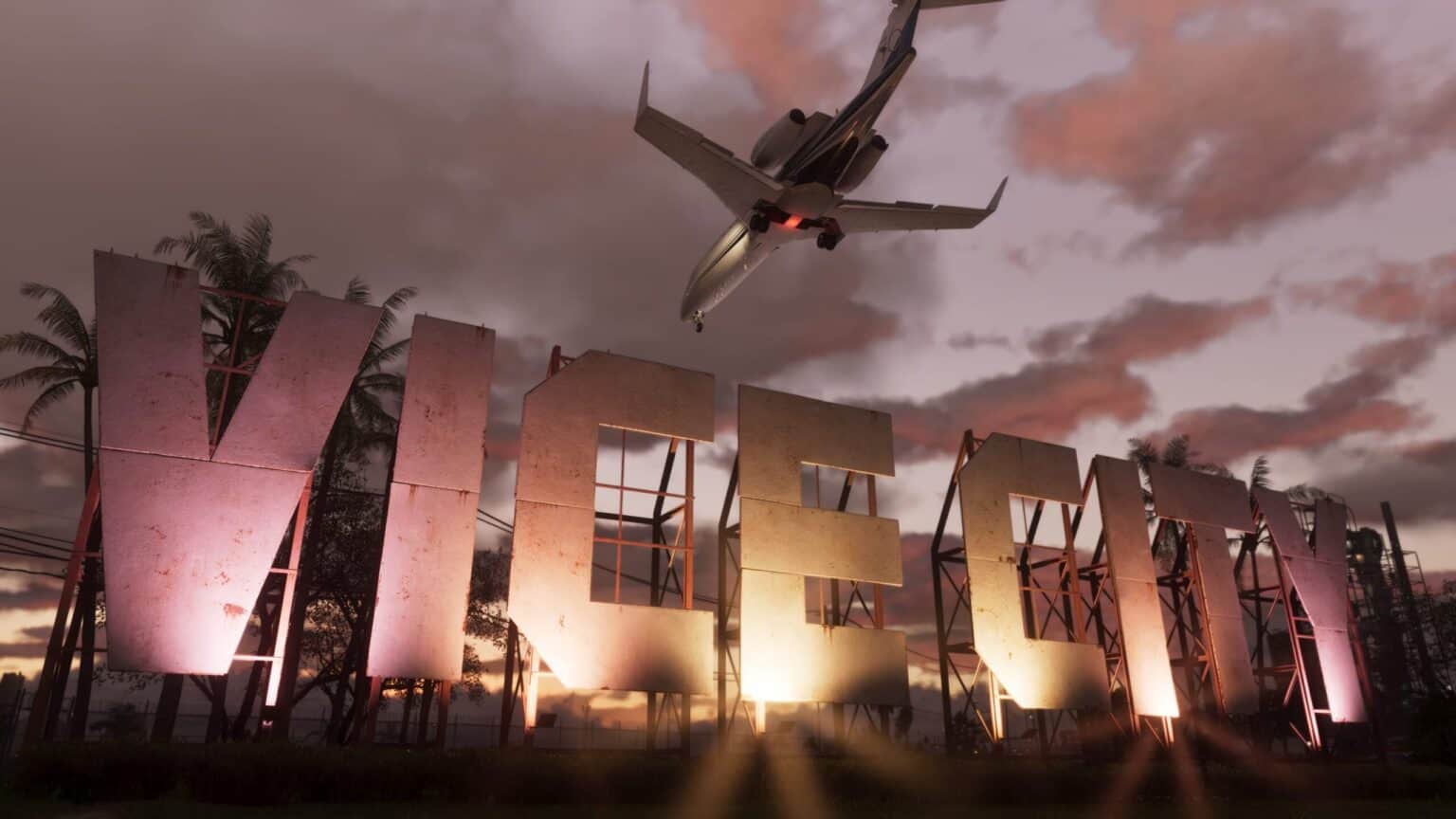
Grand Theft Auto VI came out on November 19, 2026, and its airport, Vice City International (VCIA), has two main runways set in a wedge on the southwest side of the city, according to PC Gamer’s airport guide. The real Miami International Airport (MIA) has four, the longest 13,016 feet (3,967 m).
Miami International handled 55.3 million passengers in 2025 and more international freight than any other US airport. The game keeps its address, its control tower and its people mover, and drops nearly everything else.
Why Vice City International looks like Miami, but smaller
Rockstar has not said which real airport it copied, but the fan reference sites have no doubt. The GTA Wiki calls VCIA “evidently based on Miami International Airport in Florida, in name, location, and design.”
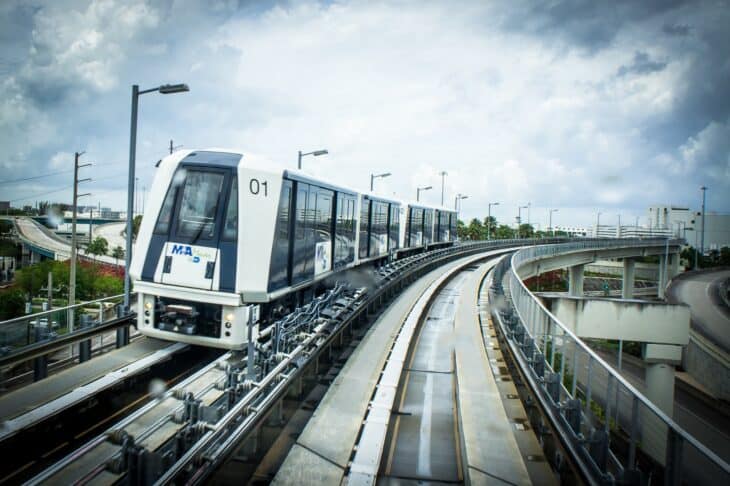
The same wiki matches the control tower seen in the first trailer to MIA’s tower. It also identifies the airport’s automated train as a version of the MIA Mover, the elevated people mover that has linked Miami’s terminals with the city’s rental car and rail hub since September 9, 2011.

The terminal carries the clues too. GTA Vice Guides found a “North Terminal” sign over the entrance doors, and GTA6Walk sends players to gates E3 and E4. At the real MIA, the North Terminal is Concourse D, and Concourse E sits in the Central Terminal.
Shrinking Miami’s airport is an old Rockstar habit. The 2002 game Grand Theft Auto: Vice City called its version Escobar International, and the GTA Wiki notes it borrowed MIA’s location, a logo based on MIA’s and the old FAA control tower.
That 2002 airport even had a freight and cargo terminal. The 2026 launch guides describe no named cargo area at all.
Four runways, six concourses and 92 airlines
The Miami-Dade Aviation Department lists four runways at MIA. Runway 9/27 is 13,016 feet (3,967 m), 8R/26L is 10,506 feet (3,202 m), 12/30 is 9,355 feet (2,851 m) and 8L/26R is 8,600 feet (2,621 m).
Three of them run roughly east to west, which is what the 8 and 9 in their names mean. Runway 12/30 cuts across on a northwest-southeast line, and the airport covers 3,230 acres (1,307 hectares) of land near downtown Miami.
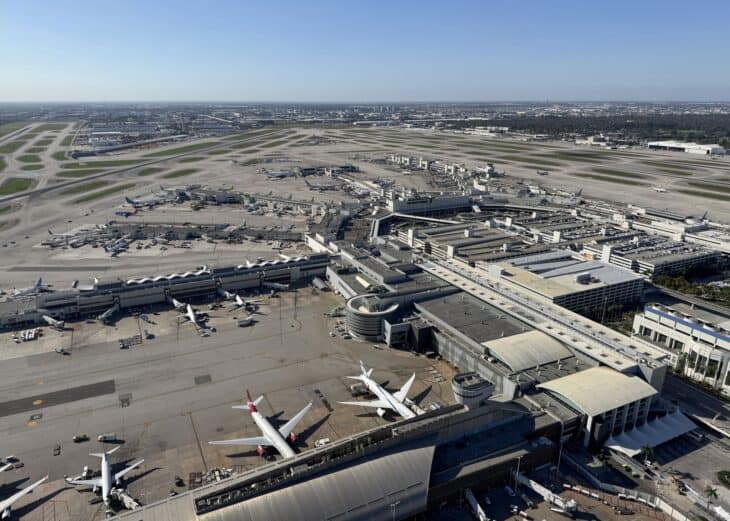

On the passenger side, Miami has three terminals, North, Central and South, with six concourses and 131 gates between them. American Airlines has the 51-gate North Terminal to itself.
The airport’s own figures for 2025 count 55,314,661 passengers, 24,850,064 of them international, and 498,697 commercial aircraft movements. In September 2026 it listed 92 carriers and 164 nonstop destinations, 97 of them abroad.
Vice City International gets one walkable terminal. GTA Vice Guides describes check-in desks, a currency exchange, an ATM, a security line with a prohibited-items board and a jet bridge, with airliners from a fictional carrier called Driftair at the gates.
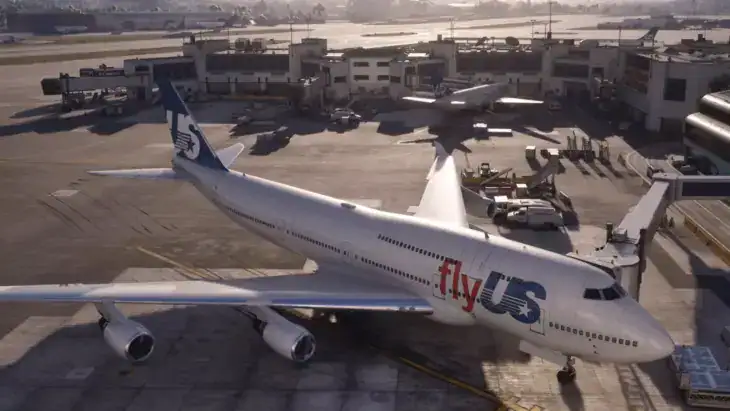
The airliner players steal there is the Botticher 015A, a four-engine airliner PC Gamer lists at VCIA. Its closest real match is the Boeing 747-400, as we set out in our guide to every aircraft in GTA 6 and the real plane behind it.

The cargo airport the game left out
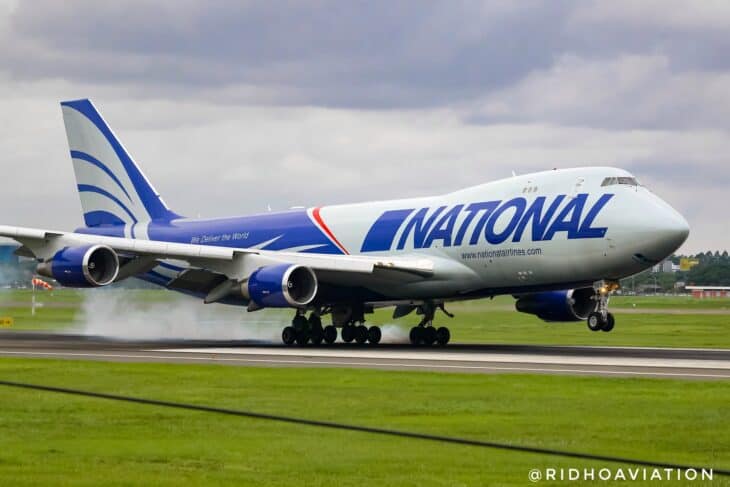
What Rockstar cut is the part that defines the real MIA. Its final 2025 rankings put it first among US airports for international freight and for total freight, with 3,405,322 US tons (3.09 million metric tons) moved in 2025.
Almost 85% of that freight, 2,889,025 tons, was international. Miami is the largest gateway between the United States and Central America, South America and the Caribbean.
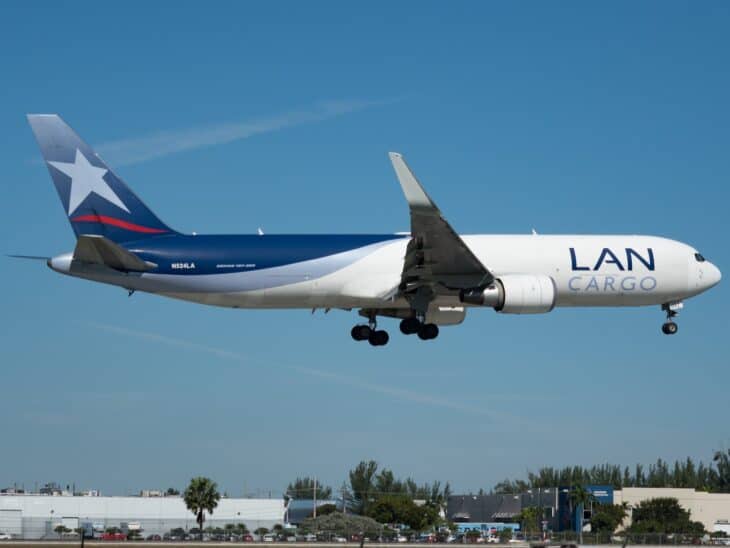

The largest cargo complex sits on the west side of the airport, inside the triangle formed by runways 9/27 and 12/30, where LATAM Cargo, Atlas Air, Amerijet and DHL operate. Those two runways meet at an angle, much like the wedge PC Gamer describes at VCIA.
In the game, freighters are something to steal. GTA6Walk says IGN reached a four-star wanted level by smashing through barriers on the southeast side of the airfield and taking a cargo jet.
The real ones make their own news. On September 6, 2026, an Amazon Boeing 767 freighter overran runway 30 at Miami after touching down about 3,750 feet along the runway, according to the NTSB’s preliminary report.
What is happening at both airports now
In Vice City, the airport is a crime scene by design. GTA6Walk lists four Chapter 4 missions there, including the VCIA Takedown heist, and a bronze trophy called “Catch Me If You Can” for making “an unscheduled departure at VCIA.”
The fan guides still disagree on details. GTA Vice Guides says it has not confirmed whether the trophy needs the plane to leave the ground, so expect the layout notes to keep changing through launch month.
The real airport is still growing. The MIA Mover has carried fans to Inter Miami’s new Nu Stadium since 2026, and MIA served as a main gateway for the 2026 FIFA World Cup matches at Hard Rock Stadium.
New service keeps arriving as well. The airport lists Icelandair starting in October 2026 and new American routes to Milan, Caracas and Cap-Haïtien this year.
Rockstar copied the parts of Miami International a player sees from the curb: the tower, the train, the terminal signs. The part that never fit in a video game is the one that makes MIA the third-busiest freight airport in the world, by its own 2025 ranking.
Sources and references used for research and fact-checking.
- Rockstar Games, Grand Theft Auto VI
- PC Gamer, GTA 6 airport location
- GTA Vice Guides, GTA 6 Vice City Airport: VCIA Layout and Catch Me If You Can
- GTA6Walk, Vice City International Airport
- GTA Wiki, Vice City International Airport
- GTA Wiki, Escobar International Airport
- Miami-Dade Aviation Department, About Miami International Airport
- Wikipedia, Miami International Airport
- Wikipedia, MIA Mover
Get the Newsletter
The latest aviation news and stories sent to your inbox.
About the Author

Tim is the owner and lead editor of AeroCorner since 2019, overseeing aviation content covering aircraft, airlines, airports, and the broader aviation industry. Through years of researching, writing, editing, and publishing aviation-focused content, he has developed extensive practical knowledge of commercial aviation and air travel. Based in Asia and a frequent traveler himself, Tim also brings firsthand passenger experience to AeroCorner’s coverage. Outside of publishing, he has also explored aviation firsthand through hands-on flight training in New Zealand.