


Table of Contents
Most people picture one job when they think about working in aviation: sitting in the front of the airplane. But pilots are a small fraction of the people who make a single flight happen, and many of the others have careers that are just as interesting and often easier to enter.
Aviation runs on air traffic controllers, mechanics, dispatchers, planners, analysts, firefighters, and dozens of other specialists. Some of these jobs pay six figures without a degree. Others reward a science background, a trade skill, or a design eye, and several come with flight benefits from your first day. If flying is still the goal, our guide to the types of pilot jobs covers that path.
This list runs loosely from the best known roles to the ones almost nobody realizes exist, with pay ranges, entry requirements, and a realistic first step for each. Use it to find a career that fits the background you already have, or to see how far aviation as a field reaches beyond the cockpit. It is also a useful reality check if you currently enjoy aviation as a hobby and wonder whether to make it work.
01. Air Traffic Controller

What it is Controllers sequence and separate aircraft from tower cabs, radar rooms, and en route centers, keeping planes apart in the air and on the ground. In the United States most work for the FAA, and median pay is around $137,000 a year. The work is shift-based, including nights, weekends, and holidays.
Why it works It is one of the highest-paying careers you can enter without a bachelor’s degree, and the job is pure real-time problem solving. Our explainer on what controllers actually do walks through a shift in detail.
How to get it Apply through an FAA hiring bid or an approved college program, then pass the aptitude test and medical. You must start Academy training before turning 31 and retire by 56. Expect several months at the FAA Academy in Oklahoma City, then two to three years of facility training before full certification.
02. Aircraft Maintenance Technician
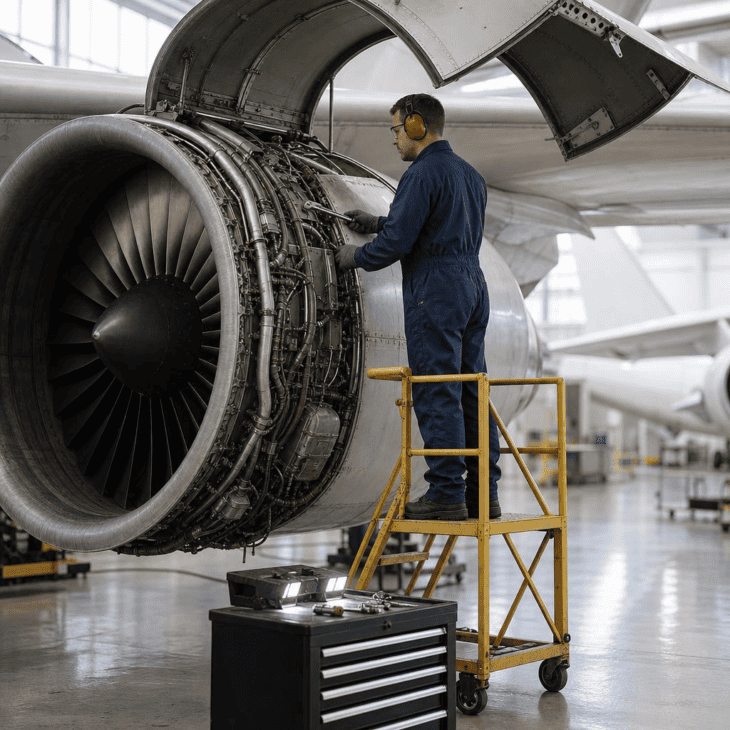
What it is Airframe and powerplant mechanics inspect, repair, and overhaul aircraft, from tire changes and oil servicing to engine swaps and structural work. They work for airlines, repair stations, corporate flight departments, and the military. Median pay is roughly $79,000 and climbs with type experience and overtime.
Why it works Demand is high and rising as a wave of mechanics retires. The FAA certificate travels anywhere in the country, and skilled technicians are rarely short of work.
How to get it Attend an FAA-approved maintenance school for 18 to 24 months, or document 30 months of supervised experience, then pass the written, oral, and practical exams. Military maintenance experience counts toward eligibility. Many employers help new mechanics build toward an Inspection Authorization later.
03. Avionics Technician

What it is Avionics technicians install, test, and troubleshoot the electronic systems on an aircraft: navigation, communication, autopilot, radar, and instrument displays. The work is bench and aircraft diagnostics rather than heavy wrenching. Pay runs similar to airframe mechanics, often a little higher in corporate and completion shops.
Why it works Aircraft get more electronic every year, so the skill set is only becoming more valuable. It suits people who like circuit-level problem solving and clean, precise work.
How to get it Come in through an electronics degree, military avionics training, or a maintenance school with an avionics track. FCC and technician certifications help. Repair stations doing glass-cockpit upgrades are a common first job.
Many of these need a certificate, not a degree
Air traffic control, maintenance, avionics, dispatch, drone operations, and load planning all hire on a licence or a training program rather than a four-year degree, and several still pay well above the national median wage.
04. Aircraft Dispatcher

What it is An airline dispatcher plans each flight’s route, fuel, and altitude, shares legal responsibility for it with the captain, and monitors it from the operations center until it lands. It is a desk job that needs the same weather and performance knowledge a pilot has. Pay ranges widely, from around $50,000 early on to well over $150,000 at a major carrier.
Why it works You get deep into the operational side of flying without leaving the ground, and the schedule is more predictable than a pilot’s. Our profile of the airline dispatcher shows how central the role is.
How to get it Earn the FAA aircraft dispatcher certificate through a five to eight week course, with a minimum age of 23 at certification. Start at a regional or cargo carrier. The knowledge test overlaps heavily with the airline transport pilot exam.
05. Flight Attendant

What it is Flight attendants are on board primarily for safety: evacuations, medical events, fires, and security, with service as the visible part of the job. They work for airlines on domestic and international networks, bidding schedules by seniority. Median pay is about $68,000, with senior international crew earning more.
Why it works The travel is real, the entry bar is a high school diploma plus training, and few jobs put you in a new city every few days. Whether it pays off longer term is worth thinking through, which our piece on becoming a flight attendant does.
How to get it Apply directly to airlines, pass the interview and background checks, then complete three to six weeks of training to earn the FAA Certificate of Demonstrated Proficiency. Reserve status and junior schedules come first. Pay is low in year one and rises quickly with seniority, as our breakdown of flight attendant pay explains.
06. Aerospace Engineer

What it is Aerospace engineers design and test aircraft, spacecraft, engines, and their systems, working for manufacturers, suppliers, research labs, and government. Day to day it is modeling, analysis, testing, and design reviews. Median pay is about $130,000.
Why it works It is the career that actually shapes what flies, and the field spans everything from urban air taxis to deep-space probes. The math and physics are demanding but the problems are genuinely interesting.
How to get it Earn a bachelor’s degree in aerospace or mechanical engineering; internships matter more than grades for a first job. A master’s opens research and specialized roles. A Professional Engineer license helps in some sectors but most manufacturers do not require it.
07. Airport Operations Manager
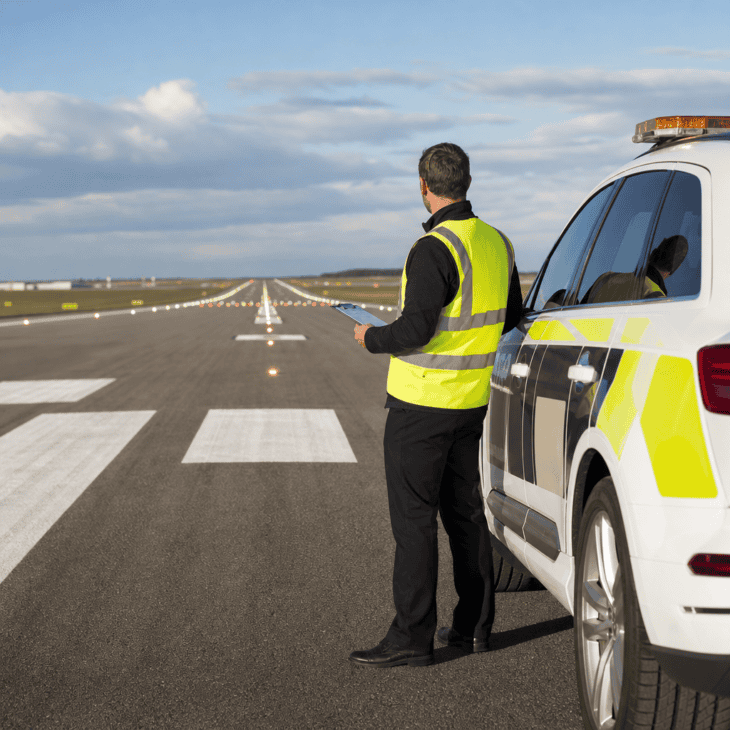
What it is Airport operations staff keep the airfield running and legal: runway inspections, wildlife patrols, snow and emergency coordination, tenant compliance, and the FAA certificate the airport holds. It is outdoor and indoor work on rotating shifts. Pay commonly runs $60,000 to $120,000 depending on airport size.
Why it works No two days match, you are responsible for a whole facility rather than one task, and it is a clear path toward running an airport. It connects to dozens of other airport jobs if you want to move around.
How to get it A bachelor’s in aviation management or a related field is typical, though ramp and operations experience can substitute. The American Association of Airport Executives accreditation is the standard credential. Start at a small or mid-size airport where you touch every part of the operation.
08. Aircraft Rescue and Firefighting

What it is Aircraft rescue and firefighting crews stand by at certificated airports to reach an incident anywhere on the field within about three minutes, using specialized trucks that fight fuel fires with foam. Between alarms they train, inspect, and maintain equipment. Pay tracks municipal firefighting, roughly $45,000 to $75,000 plus overtime.
Why it works It combines structural firefighting with a specialty few firefighters ever train for, and airport departments often run quieter call volumes than city houses. The equipment alone is a draw.
How to get it Become a certified firefighter and EMT first, then add the FAA-required aircraft rescue training. Many airport departments hire experienced municipal firefighters directly. Military firefighting experience transfers well.
09. Aviation Meteorologist

What it is Aviation meteorologists forecast the conditions that matter to flight: winds aloft, turbulence, icing, thunderstorms, fog, and volcanic ash, for airlines, government, and private weather services. The output is briefings and route guidance that dispatchers and pilots act on. Atmospheric scientists earn a median near $84,000.
Why it works It is applied science with an immediate operational payoff, and airline meteorology teams are small and influential. If you like weather and aviation equally, this sits exactly between them.
How to get it Earn a bachelor’s degree in meteorology or atmospheric science that meets federal coursework standards. Internships with airlines or the National Weather Service help. Airline roles usually want a few years of operational forecasting first.
10. Airline Crew Scheduler

What it is Crew schedulers assign pilots and flight attendants to trips and fix the schedule when weather, sickness, or delays break it, all while staying inside federal duty and rest limits. It is fast, rules-heavy work in an operations center on rotating shifts. Pay typically runs $40,000 to $70,000.
Why it works It is a real entry point into airline headquarters with no degree required, and schedulers who understand the contract and the regulations are hard to replace. Many move into crew planning, operations, or management from here.
How to get it Apply to airline crew scheduling or operations roles, which train new hires on their systems. Strong attention to detail and calm under pressure matter more than background. Night and weekend availability helps you get hired.
11. Airline Network and Route Planner

What it is Network planners decide which routes an airline flies, how often, and with which aircraft, balancing demand forecasts, aircraft economics, airport slots, and the competitive map. It is analytical office work with a multi-year horizon. Pay ranges from around $70,000 to well over $130,000 with seniority.
Why it works Few roles have this much leverage over an airline’s shape and profitability, and the decisions are visible every time a new route is announced. It rewards people who like data and strategy together.
How to get it A bachelor’s degree in economics, aviation management, analytics, or a similar field is standard, and many planners start in revenue management or fleet analysis. Modeling skills and comfort with large datasets are expected. Internships at an airline headquarters are the usual way in.
12. Revenue Management Analyst

What it is Revenue management analysts set how many seats an airline sells at each fare and when prices move, using forecasting models to draw the most revenue from every flight. It is quantitative work that runs daily. Pay commonly falls between $60,000 and $110,000.
Why it works It is one of the most measurable jobs in the business, since your decisions show up directly in the numbers. The skills also transfer to hotels, rental cars, and other pricing-heavy industries.
How to get it Bring a degree with a strong quantitative component and comfort with spreadsheets, databases, and statistics. Airlines hire analysts straight out of university into structured programs. A knack for explaining model output to non-analysts speeds promotion.
13. Ramp Agent and Ground Operations
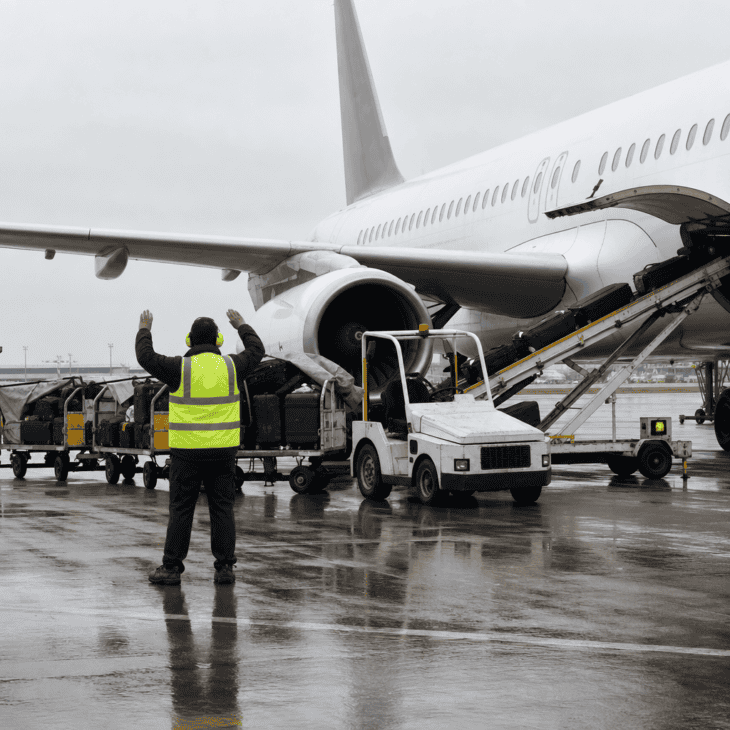
What it is Ramp agents load and unload bags and cargo, marshal aircraft, drive tugs and belt loaders, and turn a flight around in the time between arrival and departure. It is physical outdoor work in every kind of weather. Pay usually runs $16 to $25 an hour, more with seniority and shift premiums.
Why it works It is a genuine no-degree entry into an airline, often with flight benefits from day one, and the ground support equipment is a world of its own. Many station managers and operations leaders started here.
How to get it Apply directly to airlines or ground handling companies, pass a background check and physical, and complete on-the-job training. A clean driving record helps because much of the job is equipment. Show up reliably and you can move into lead, supervisor, and management roles quickly.
14. Aircraft Fueler
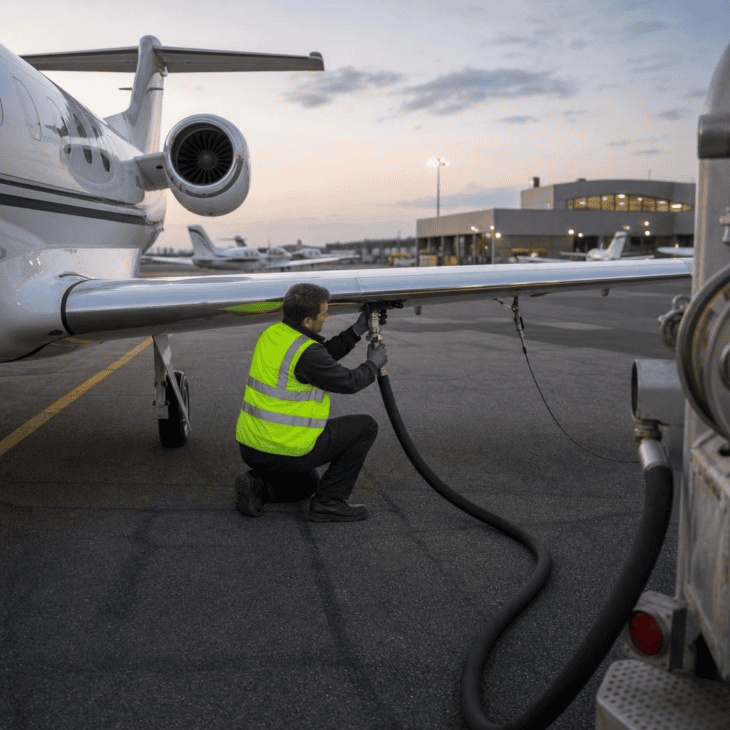
What it is Fuelers and line service technicians fuel aircraft, tow and park them, handle baggage at smaller fields, and look after passengers at fixed base operators. Accuracy matters because fuel quantity and quality are safety items. Pay commonly runs $15 to $22 an hour plus tips at business aviation terminals.
Why it works It is an easy door into aviation with real responsibility fast, and general aviation terminals are relaxed, social places to work. It pairs well with flight training funded by the paycheck.
How to get it Apply at a fixed base operator or an airline fuel provider; most give full training under industry safety programs. A driver’s license and the ability to work outdoors are the main requirements. Night and weekend shifts are common early on.
15. Gate Agent and Customer Service
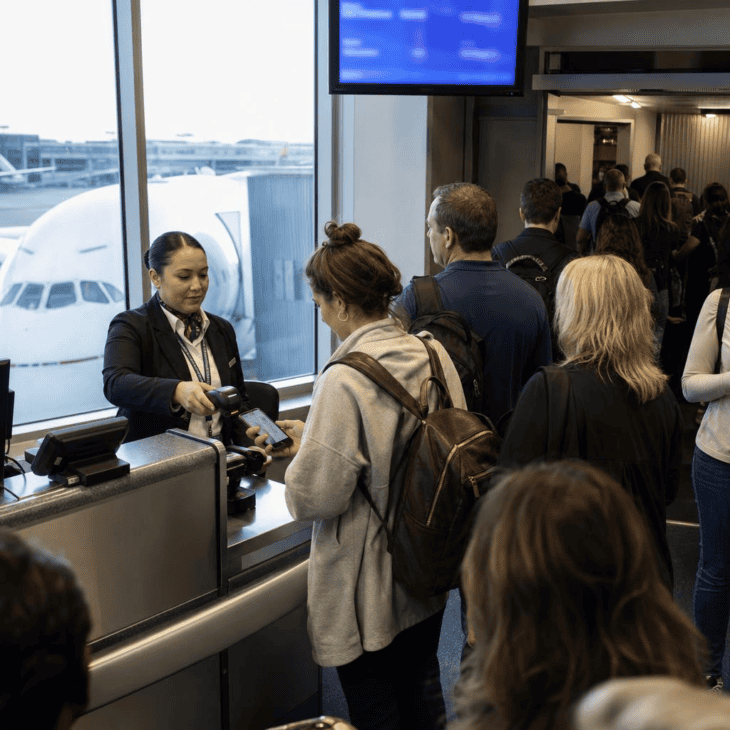
What it is Gate agents board flights, rebook passengers during disruptions, manage upgrades and standby lists, weight-restrict flights, and often send the aircraft off the gate. It is high-pressure people work at a computer and a podium. Airline customer service pay commonly runs $18 to $28 an hour.
Why it works It is a front-row seat to how an airline actually runs, the flight benefits are immediate, and agents who stay calm during irregular operations get noticed. It leads to operations, training, and management tracks.
How to get it Apply directly to airlines, pass the interview and background check, and complete several weeks of training on reservations and boarding systems. Customer service or hospitality experience helps. Expect early mornings, late nights, and holidays by seniority.
16. Load Planner
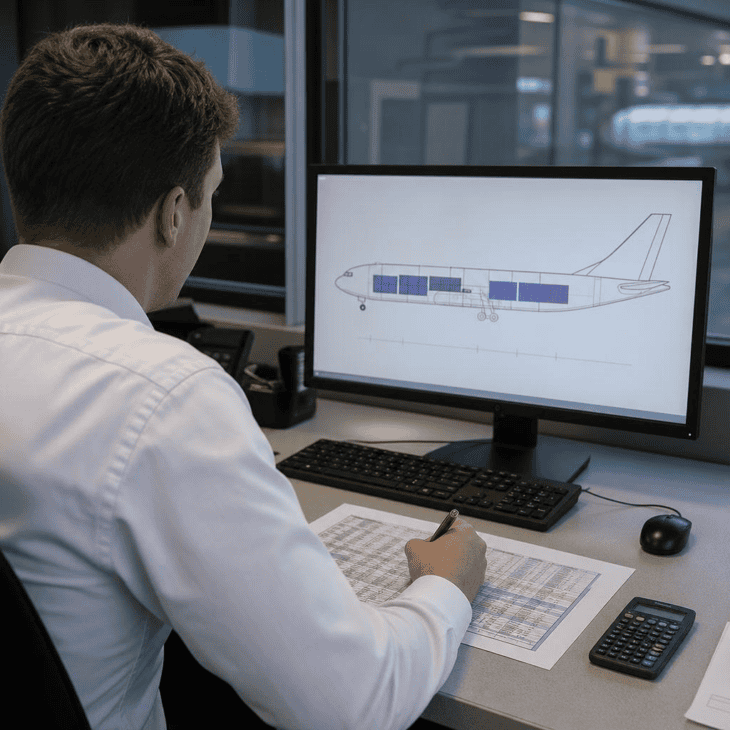
What it is Load planners decide where every bag, container, and pallet goes on an aircraft so it stays inside weight and center-of-gravity limits, then produce the final loadsheet the captain signs. It is precise, deadline-driven work, usually from an operations center. Pay typically runs $45,000 to $70,000.
Why it works It is a technical, safety-critical role you can enter without a degree, and the knowledge of aircraft performance you build is respected across the operation. Cargo airlines especially value experienced planners.
How to get it Airlines and ground handlers train load planners on their aircraft types and software. Ramp or operations experience is a common starting point. Comfort with numbers under time pressure is the core skill.
17. Commercial Drone Operator
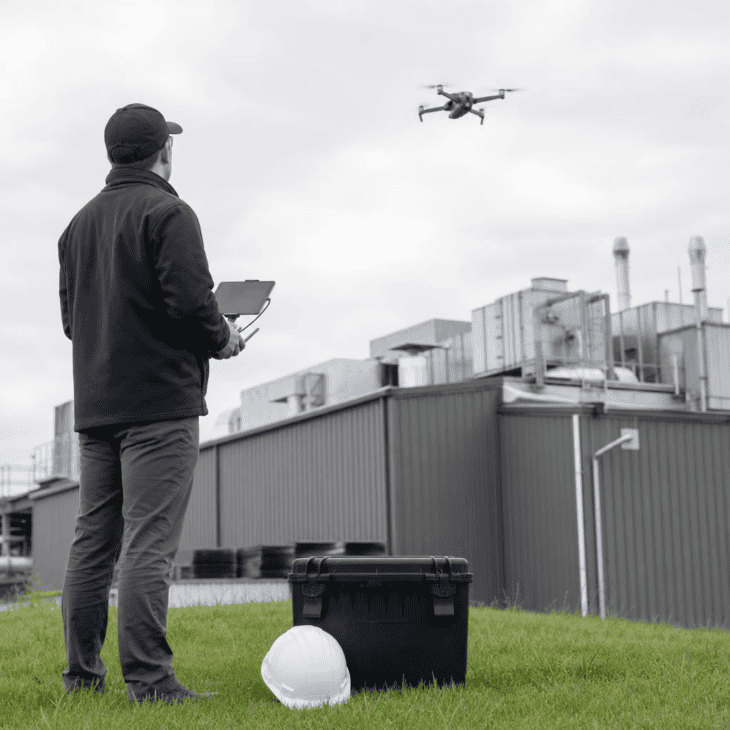
What it is Commercial drone pilots fly for inspection, mapping, survey, film, agriculture, and public safety, often building the data products clients actually buy. Work is a mix of field flying and desk processing. Pay ranges from $20 to $60 an hour freelance, or roughly $50,000 to $90,000 salaried.
Why it works The barrier to entry is a weekend of study and a small test fee, and the range of industries hiring keeps widening. Knowing the types of drones and their uses helps you pick a specialty.
How to get it Pass the FAA Part 107 knowledge test, minimum age 16, to earn a Remote Pilot Certificate. Build a portfolio in one niche such as roof inspections or real estate. Add mapping software skills, since the analysis is often worth more than the flying.
18. Aviation Safety Inspector
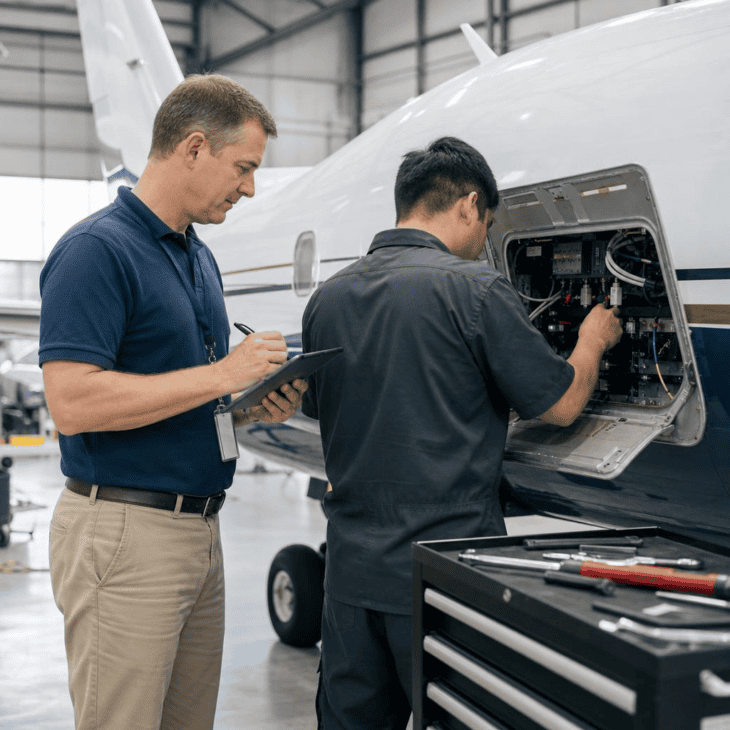
What it is FAA aviation safety inspectors oversee airlines, repair stations, flight schools, and mechanics, auditing procedures, checking maintenance, and investigating problems. It is federal work with travel and a mix of office and field time. Pay follows the federal scale, roughly $70,000 to $130,000.
Why it works You move from doing the work to setting the standard for how everyone does it, with real authority behind your findings. The pension and stability of a federal job come with it.
How to get it Most inspectors come in with an airframe and powerplant certificate or pilot certificates plus years of industry experience. Apply through federal job postings. Military maintenance or operations backgrounds are common and welcome.
Military experience transfers
Military maintenance, air traffic control, firefighting, and operations backgrounds count toward the civilian certificates for several of these careers, and the GI Bill covers many approved aviation training programs.
19. Aircraft Accident Investigator
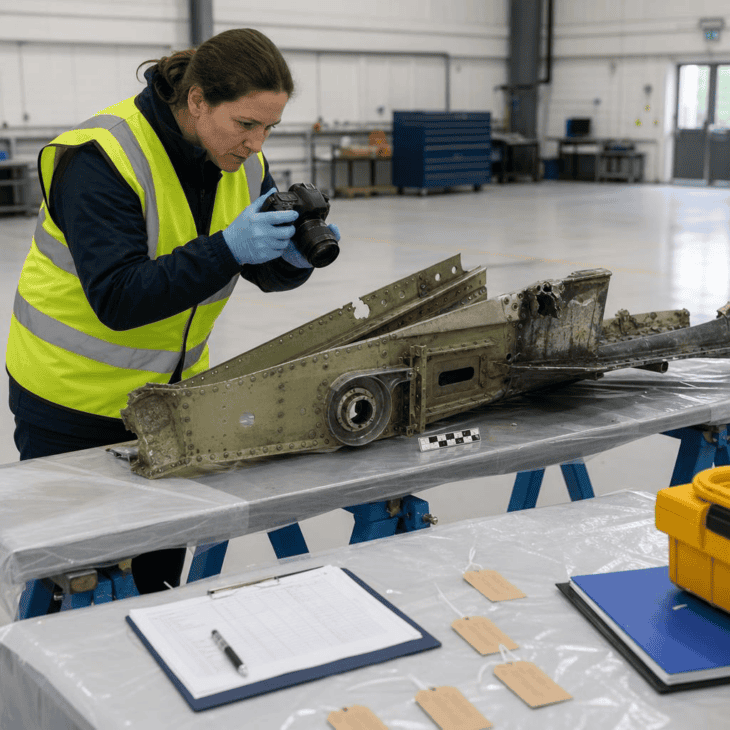
What it is Investigators determine what caused a crash or serious incident and recommend changes to prevent the next one, working for a safety board, a regulator, or a manufacturer. The work combines structure examination, data analysis, and interviews. Federal investigators earn roughly $90,000 to $160,000.
Why it works Few jobs contribute this directly to aviation safety, and the work of the NTSB has reshaped how aircraft are built and flown. It suits methodical people who can hold judgment until the evidence is in.
How to get it Build deep expertise first, as an engineer, pilot, or mechanic, then move into safety and investigation roles. Manufacturers and airlines have internal investigation teams that are a common stepping stone. Federal roles are competitive and usually want an advanced degree or senior operational experience.
20. Non-Destructive Testing Inspector
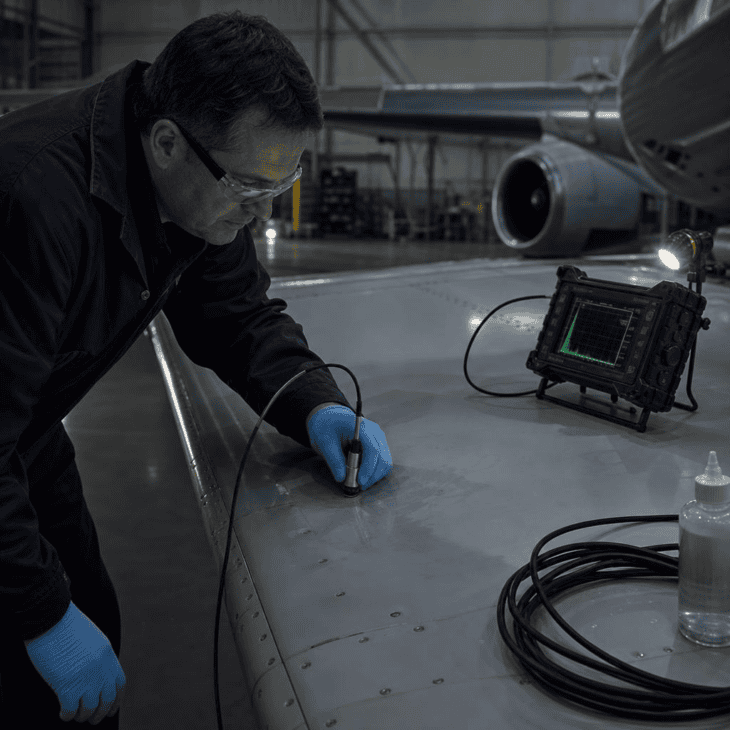
What it is NDT inspectors find cracks, corrosion, and flaws inside aircraft structures and engine parts without taking them apart, using ultrasound, eddy current, X-ray, dye penetrant, and magnetic particle methods. They work for airlines, repair stations, and manufacturers. Pay commonly runs $60,000 to $85,000.
Why it works It is a specialized, certification-driven skill that pays better than general maintenance and stays in demand as fleets age. The work is detailed and largely independent.
How to get it Train through an NDT school or an employer program and certify to industry Level 1 and Level 2 standards in each method. An airframe and powerplant certificate is helpful but not required. Aerospace employers often sponsor the certifications for the right candidate.
21. Aircraft Painter

What it is Aircraft painters strip, prep, mask, and spray airframes, from a full airline repaint to touch-up and corrosion work, inside large climate-controlled hangars. It is skilled, physical work in protective gear. Pay commonly runs $20 to $32 an hour, higher for lead painters and complex designs.
Why it works A finished repaint is one of the most visible jobs in aviation, and good painters who can lay out a clean livery are genuinely scarce. Completion and paint shops offer steady work.
How to get it Start as a paint shop helper doing sanding and masking and learn spraying on the job, or come in from automotive or industrial painting. Attention to surface prep is what separates good painters from fast ones. Larger shops run structured apprenticeships.
22. Aircraft Interior Designer

What it is Aircraft interior designers lay out cabins and design seats, galleys, lighting, and finishes for airlines and private jet completions, balancing looks against weight, durability, and certification rules. It is design work with heavy engineering constraints. Pay commonly runs $60,000 to $100,000.
Why it works It is one of the few creative careers in aviation, and a business jet completion is essentially bespoke interior architecture that flies. The constraints make the problem more interesting, not less.
How to get it Earn a degree in industrial, interior, or transportation design and build a portfolio that shows you can work within tight technical limits. Seat manufacturers, completion centers, and airline cabin teams are the main employers. Materials knowledge, especially flammability rules, is a strong differentiator.
23. Flight Simulator Technician
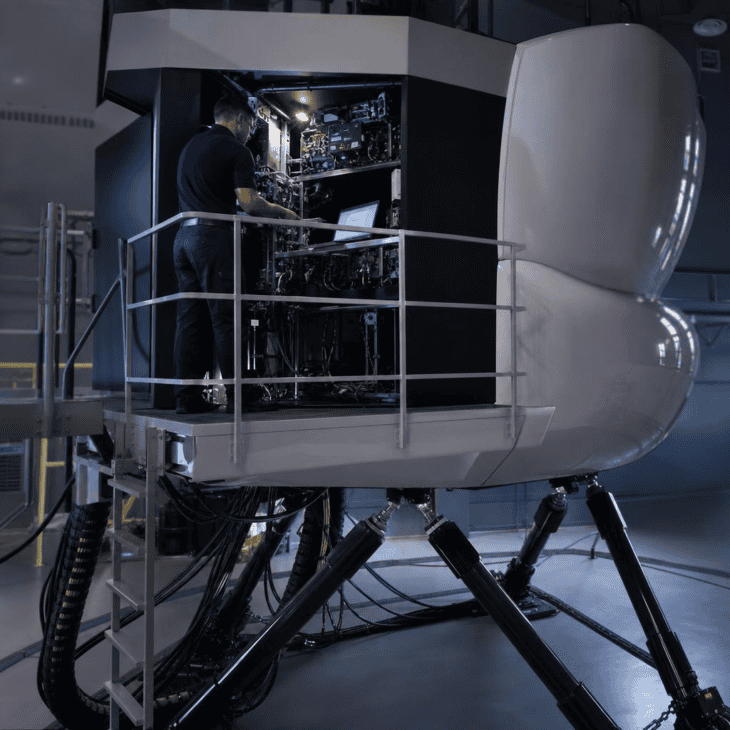
What it is Simulator technicians keep full-flight simulators running and accurate: hydraulic and electric motion systems, visual displays, avionics, and the computers that tie them together. Training centers run around the clock, so the work includes nights. Pay commonly runs $60,000 to $95,000.
Why it works It blends avionics, mechanical, and computer skills on machines worth tens of millions, and a technician who can clear a fault fast keeps an entire training schedule alive. Demand follows pilot hiring.
How to get it Come in from avionics, military electronics, or a maintenance background, then learn specific simulator types on the job. Training providers and airline centers are the employers. Willingness to work overnight maintenance windows helps you get started.
24. Aviation Attorney

What it is Aviation attorneys handle the legal side of flight: aircraft purchases and leasing, regulatory matters, accident litigation, airline commercial contracts, and airport development. Most work at law firms, airlines, manufacturers, or government agencies. Experienced pay runs well above the roughly $146,000 median for lawyers.
Why it works It is a way to stay in aviation with a professional practice, and the field is small enough that specialists are well known. Pilots and engineers who move into law bring a real advantage.
How to get it Earn a law degree, pass a bar exam, and seek out aviation work through a firm’s transportation practice or an in-house role. A private pilot certificate or an aviation background signals commitment. Regulatory internships and airline legal departments are good entry points.
25. Airport Wildlife Biologist
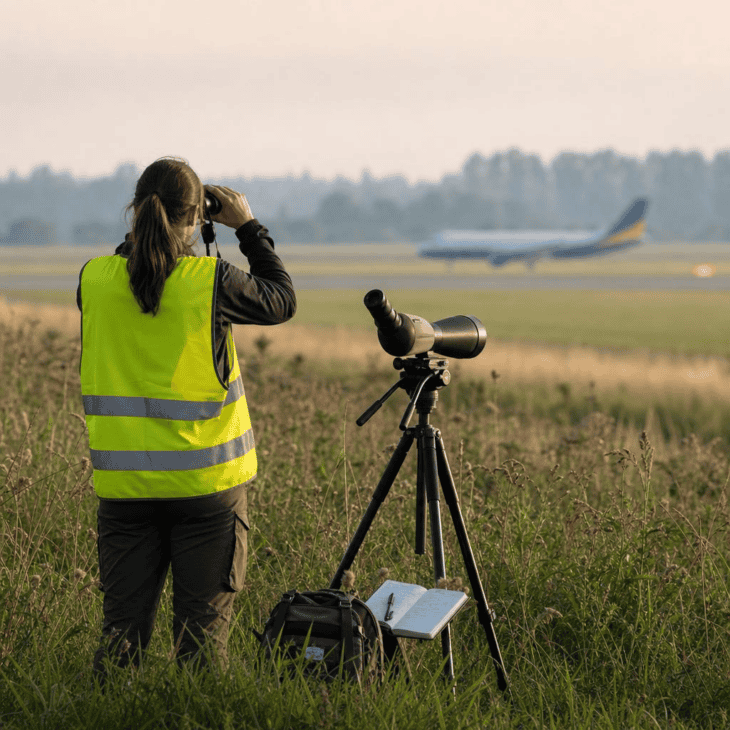
What it is Airport wildlife biologists reduce the risk of bird and animal strikes by studying what lives near the airfield and managing habitat, deterrents, and, when needed, removal. They work for large airports, the USDA, and consultancies. Wildlife biologists earn a median near $71,000.
Why it works It is a genuine science career that most people never knew existed, and after high-profile bird strike accidents the role is taken more seriously than ever. You spend real time outdoors on the airfield rather than at a desk.
How to get it Earn a degree in wildlife biology, ecology, or a related field, and get field experience with surveys and habitat work. USDA Wildlife Services is the largest employer and a common route to an airport posting. Knowledge of aviation operations makes you far more useful on day one.
Sources and references used for research and fact-checking.
- U.S. Bureau of Labor Statistics, Occupational Outlook Handbook: Air Traffic Controllers
- U.S. Bureau of Labor Statistics, Occupational Outlook Handbook: Aircraft and Avionics Equipment Mechanics and Technicians
- U.S. Bureau of Labor Statistics, Occupational Outlook Handbook: Flight Attendants
- U.S. Bureau of Labor Statistics, Occupational Outlook Handbook: Aerospace Engineers
- Federal Aviation Administration, Become an Air Traffic Controller
- Federal Aviation Administration, Become a Drone Pilot
Get the Newsletter
The latest aviation news and stories sent to your inbox.
About the Author

Hanna writes AeroCorner's aviation-lifestyle and decor guides, turning a love of flight into ideas for your home, celebrations, and gift lists.