Light Business Jets
Cessna Citation Encore
ICAO: C560
The twinjet trainer and business aircraft built for military and civil service
The latest aviation news and stories sent to your inbox.
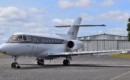
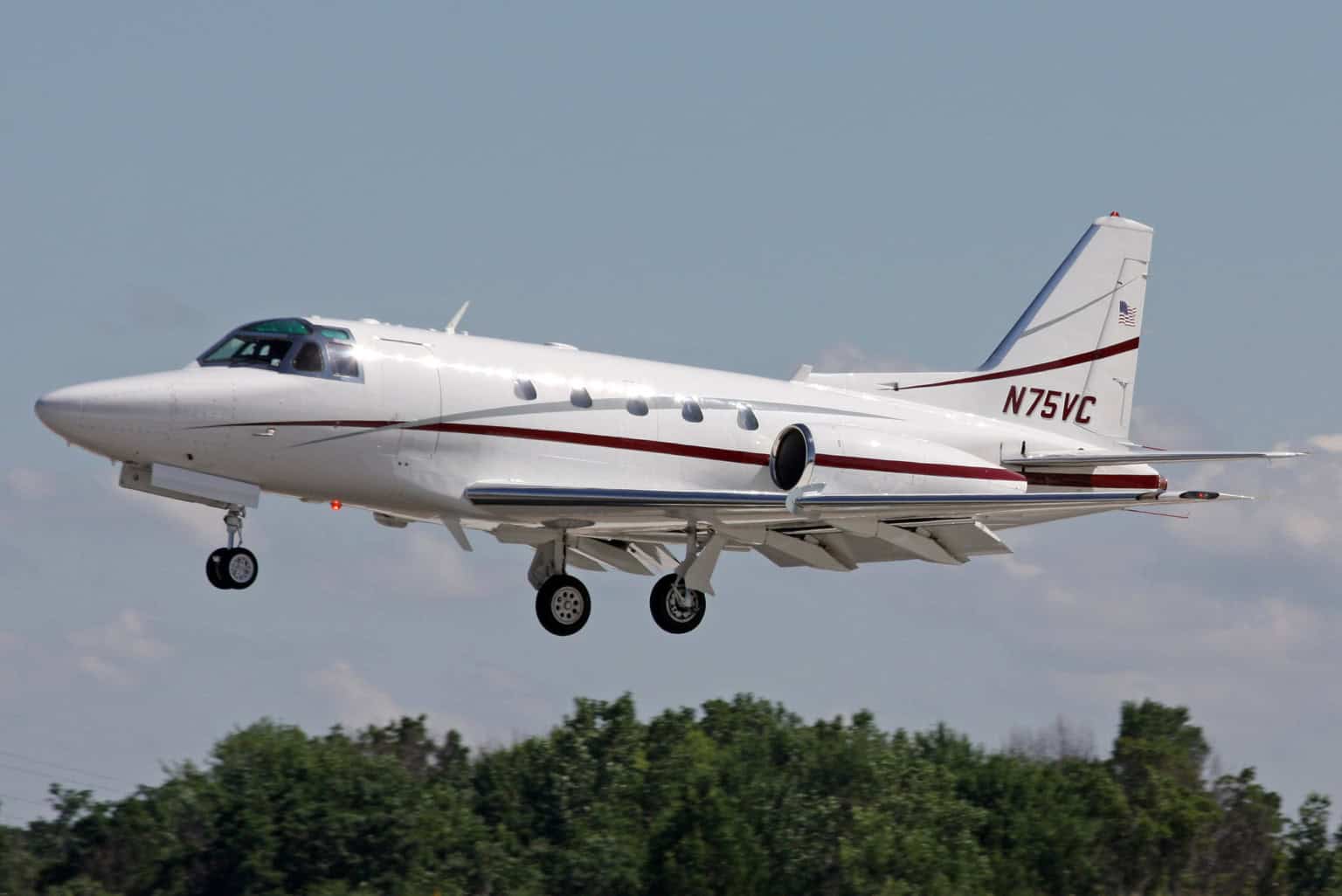
The Rockwell Sabreliner is a twin-engine jet originally developed as a military trainer and later adapted for business aviation. Designed in the late 1950s, it served both government and civilian operators for decades. The aircraft became one of the early pioneers of business jet travel.
Live Fleet Activity (SBR1)
Fetching live data…


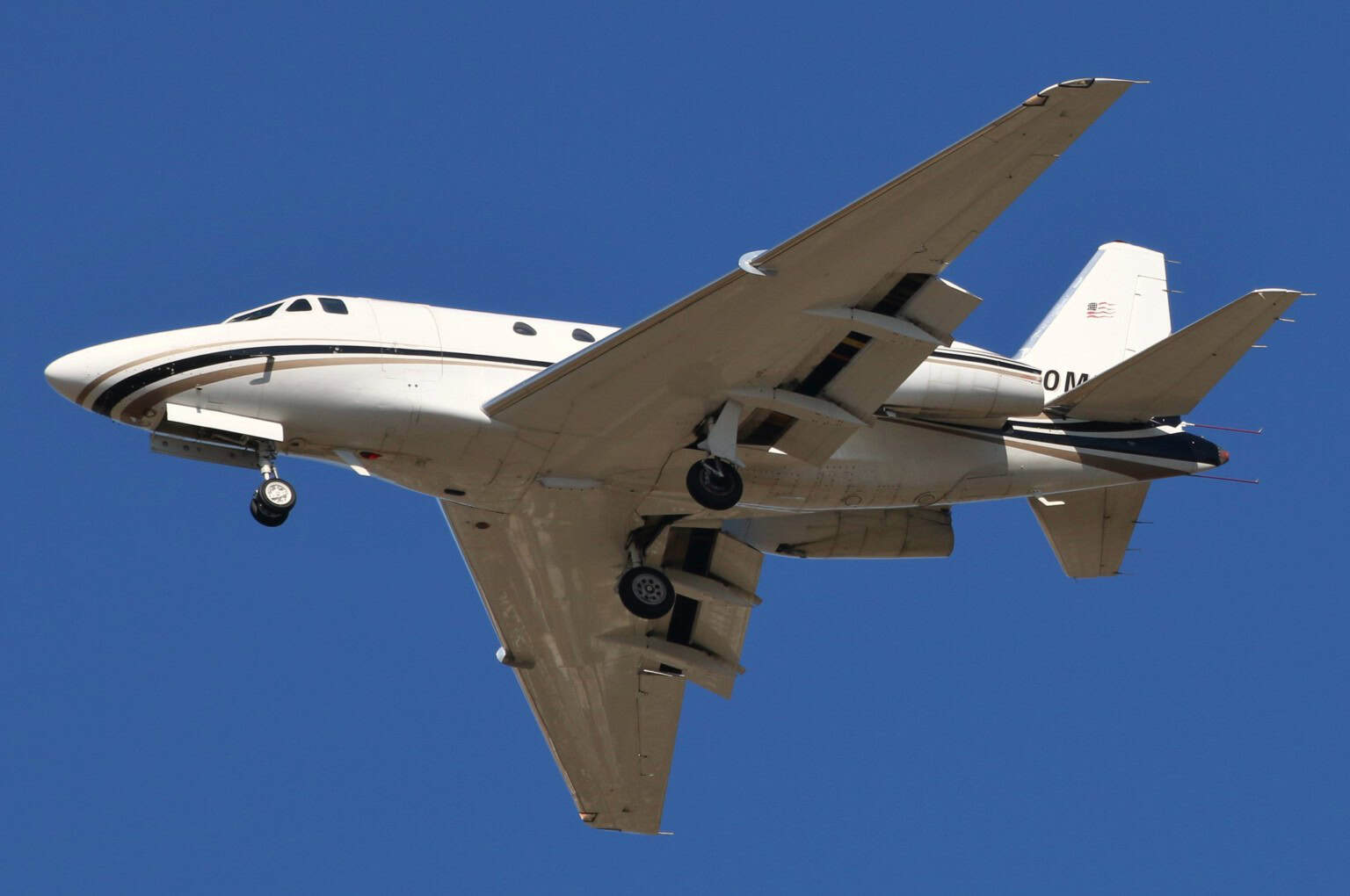

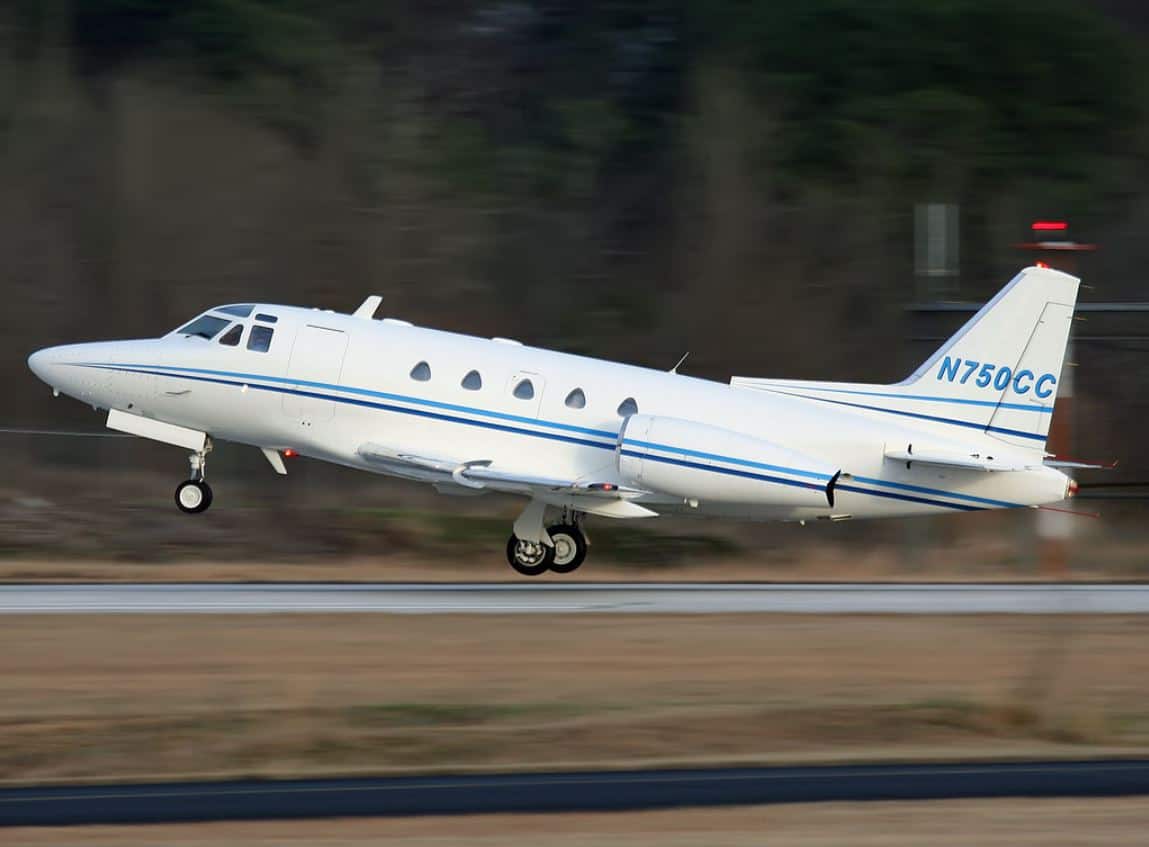

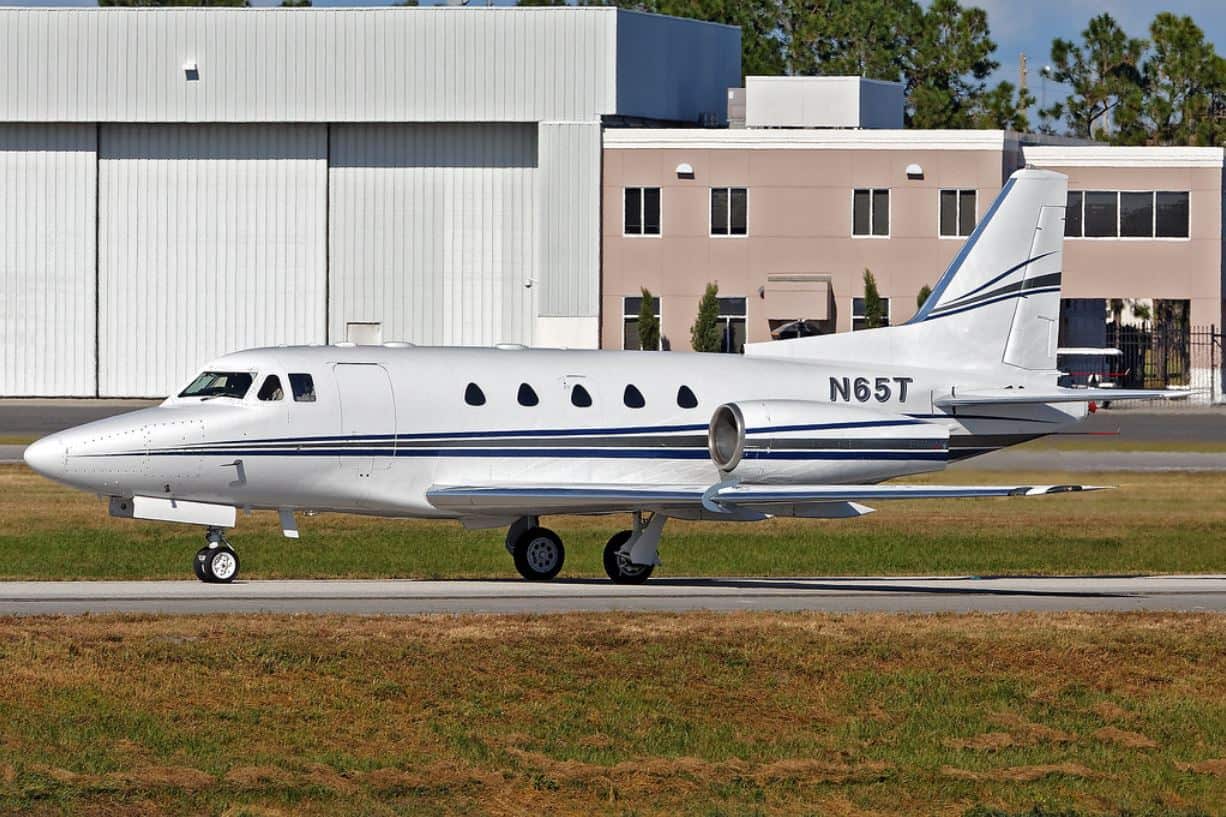

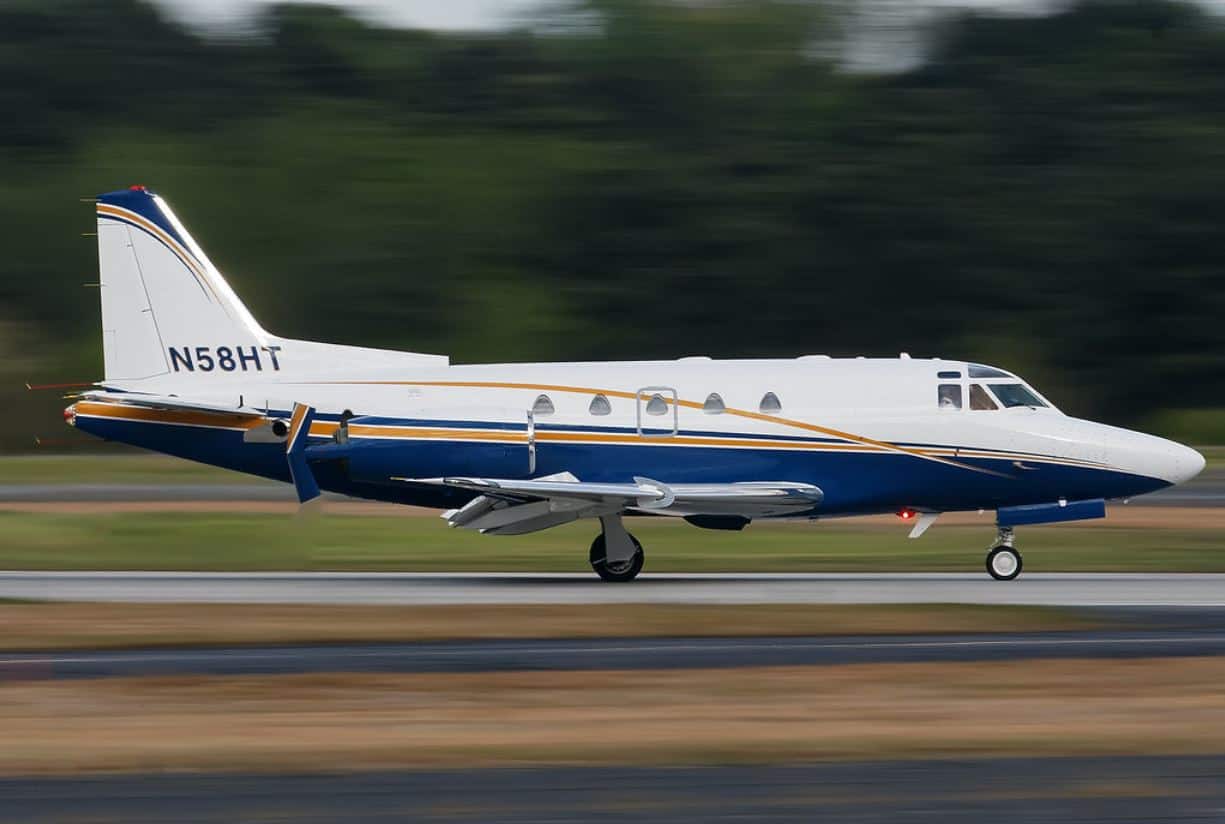


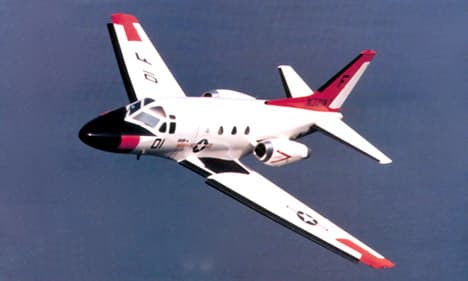
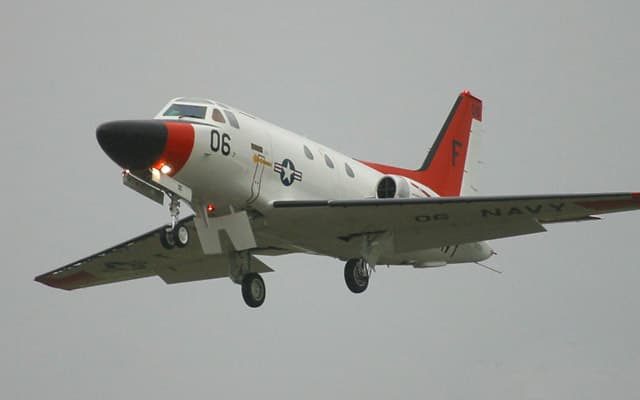
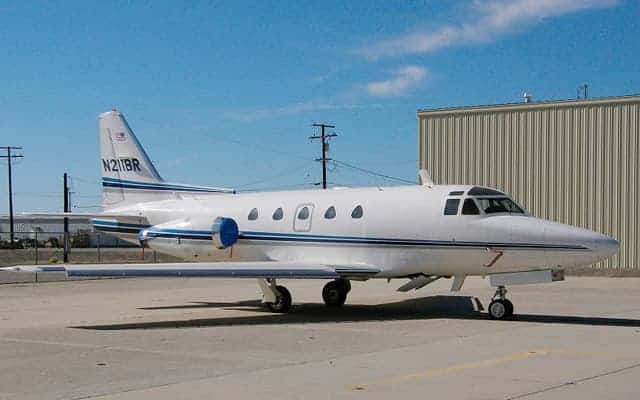
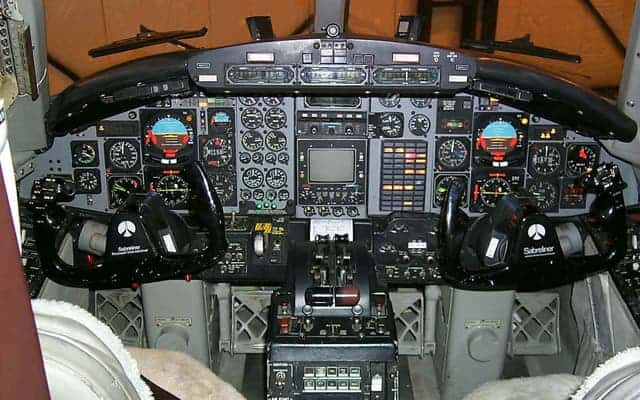
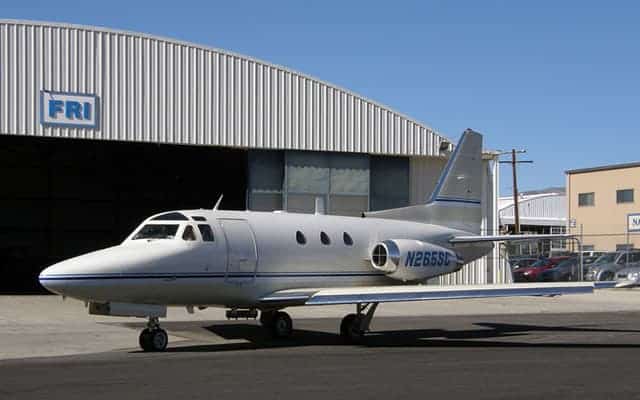
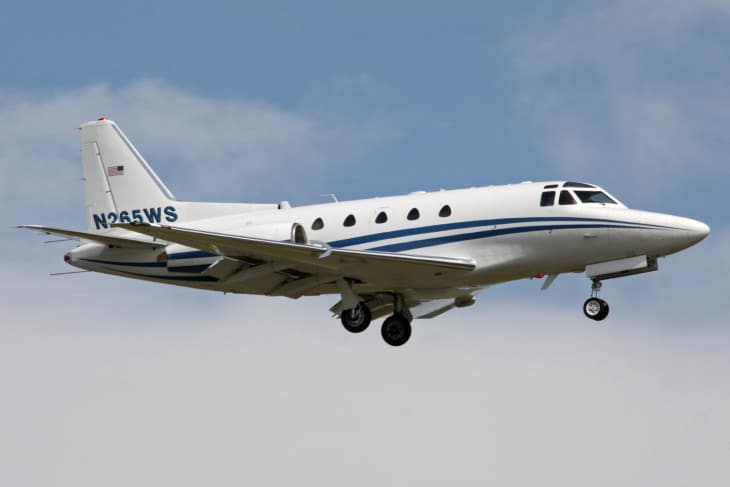
The Sabreliner first flew in 1958 as the North American NA-265 and entered U.S. Air Force service as the T-39 trainer in 1960. Civil versions soon followed, offering a pressurized cabin and swept-wing performance derived from military jet design. Over time, numerous variants were introduced with upgraded engines and avionics.
Powered by twin turbojet or later turbofan engines producing between 3,000 and 4,000 pounds of thrust (13 to 18 kN) each depending on model, the Sabreliner cruised at around 430 knots (800 km/h). Maximum takeoff weight typically ranged between 20,000 and 23,000 pounds (9,070 to 10,430 kg). The cabin accommodated up to eight passengers in executive layouts.
The Sabreliner served in training, liaison, and corporate transport roles for many years. Its adaptability and solid performance contributed to more than three decades of production. The aircraft helped establish the early business jet market in North America.
Sources and references used for research and fact-checking.