
Midsize Business Jets
Gulfstream G800
ICAO: GA8C
The classic long-range business jet that established Gulfstream’s global reputation.
The latest aviation news and stories sent to your inbox.
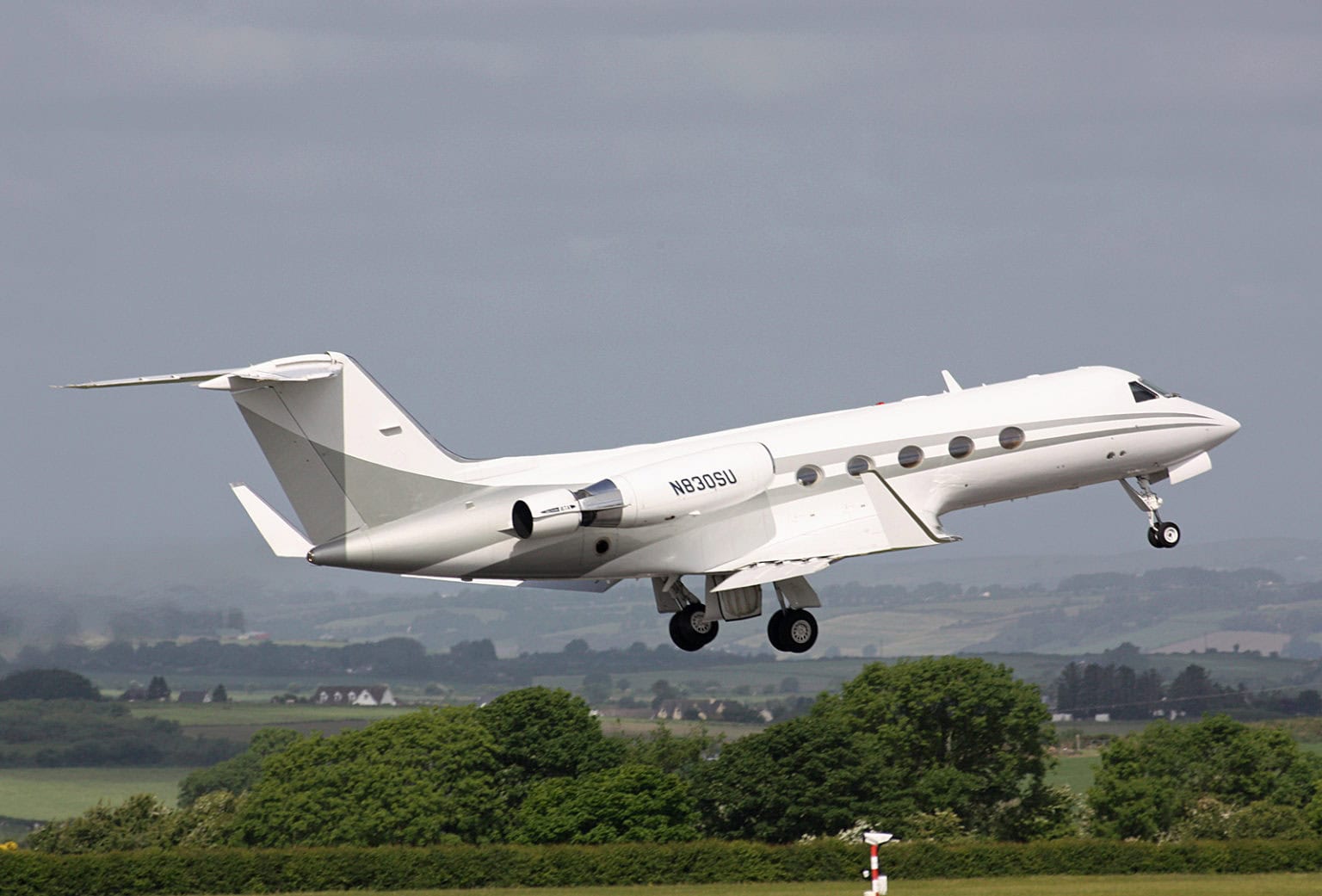
The Gulfstream III was introduced in 1979 as a long-range executive jet. Building on earlier Gulfstream models, it offered increased range and improved aerodynamics. The aircraft became a foundation for later Gulfstream designs.
Live Fleet Activity (GLF3)
Fetching live data…
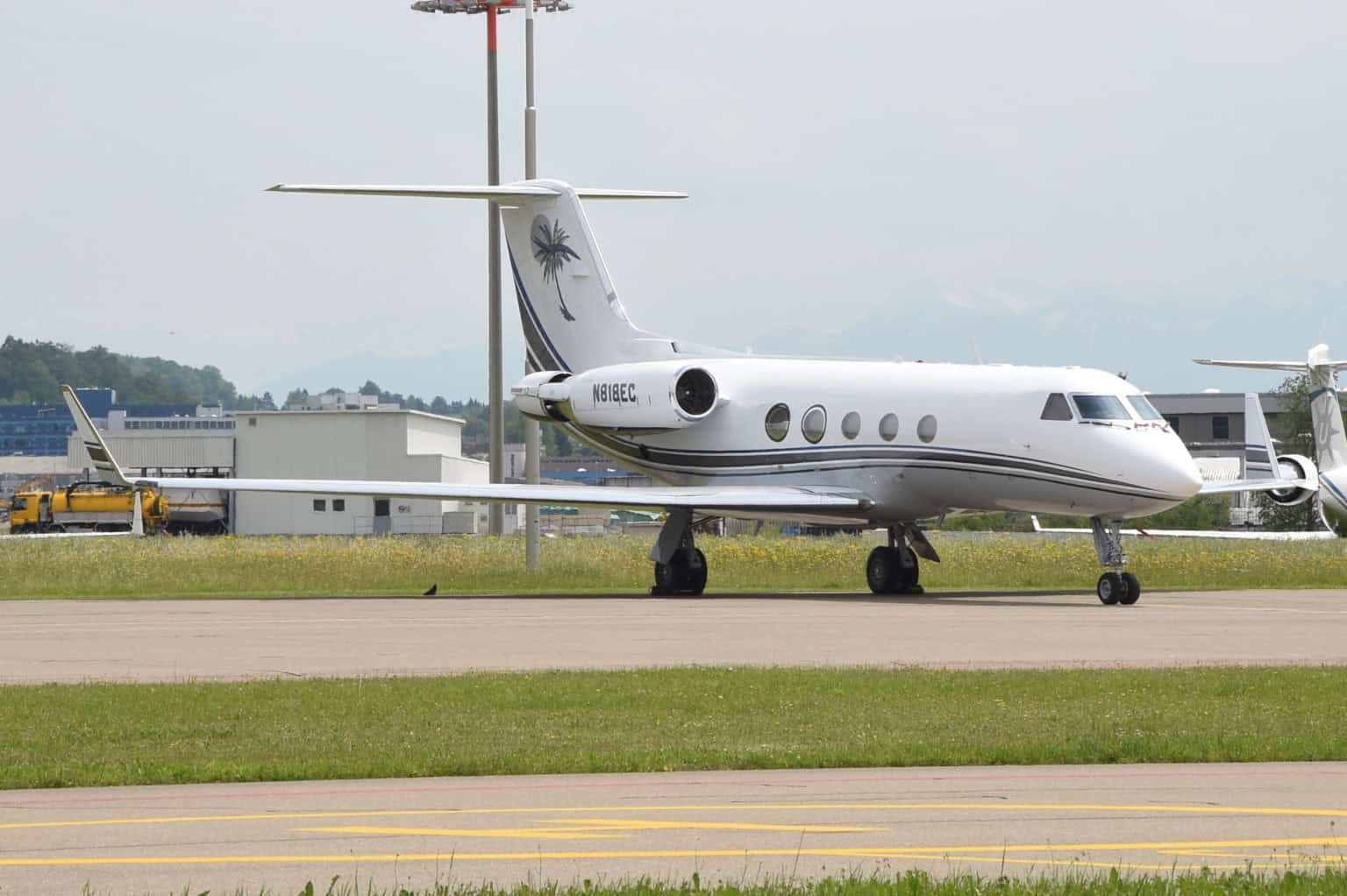


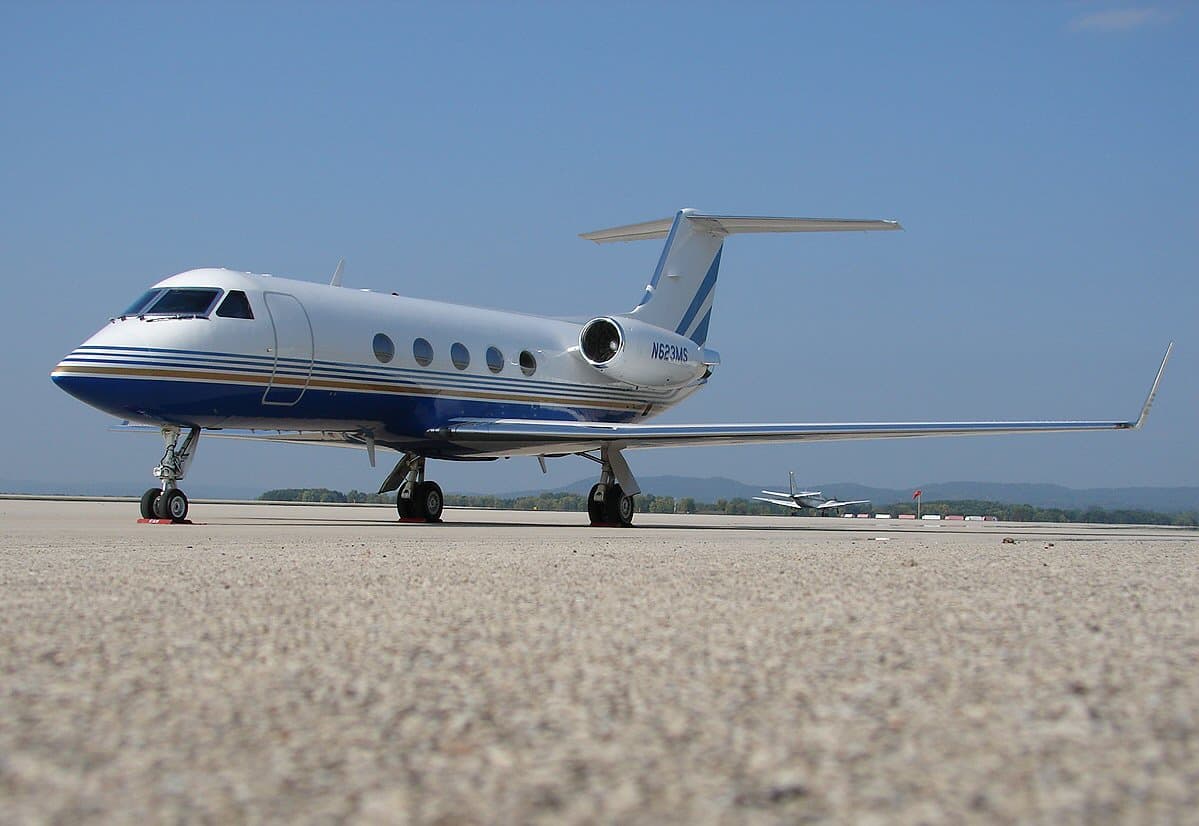
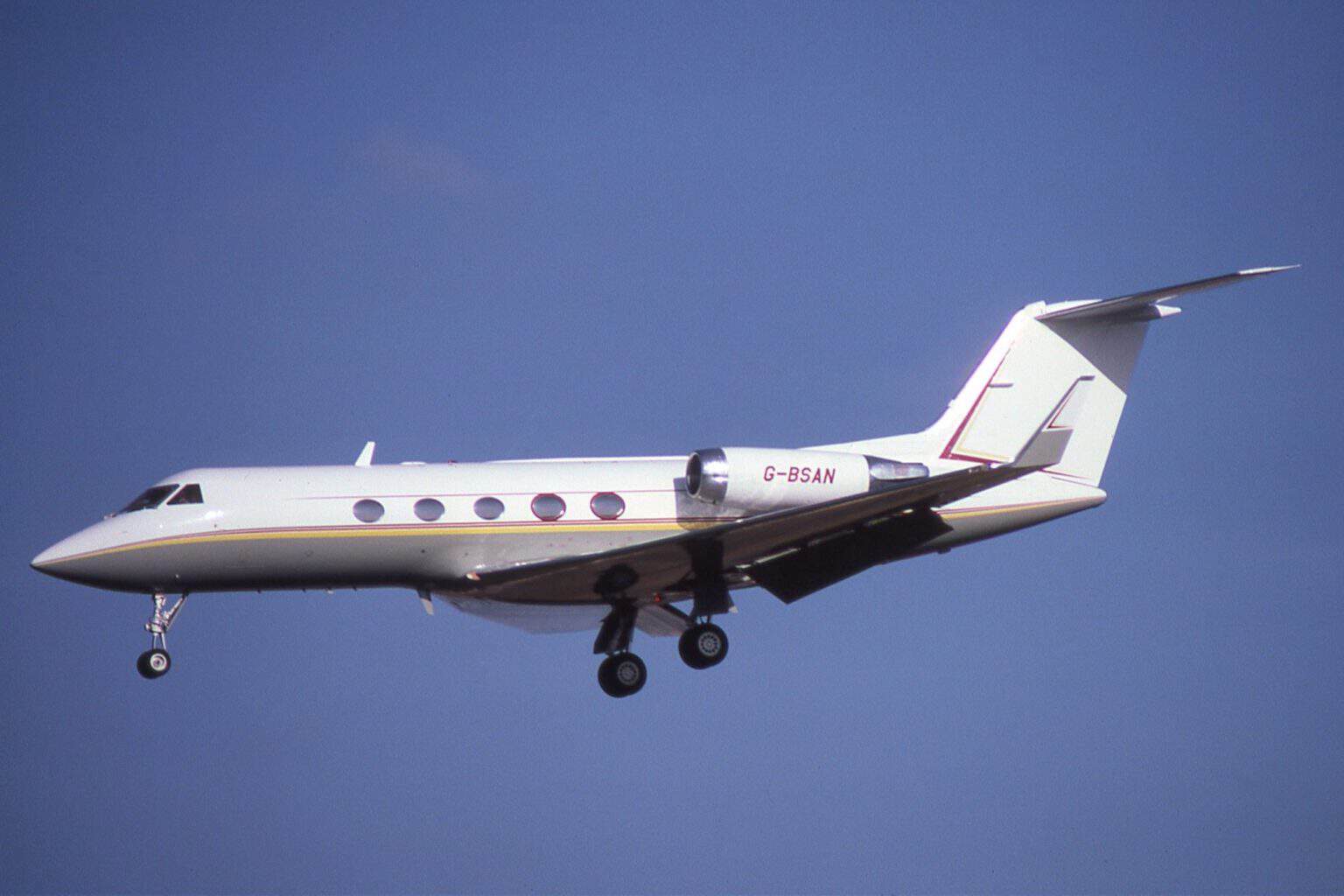


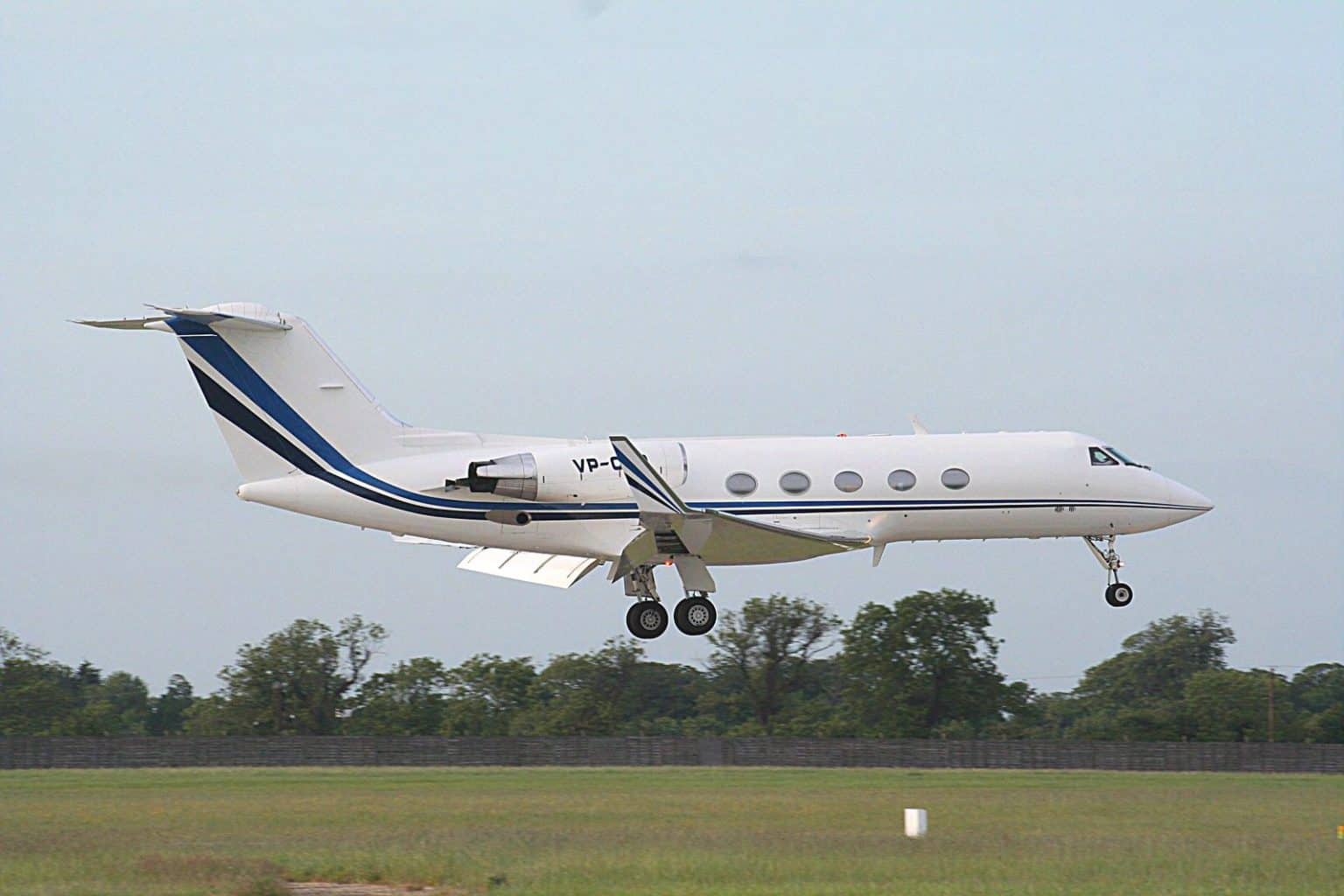



The Gulfstream III first flew in 1979 and entered service the same year. It featured a swept wing and T-tail configuration typical of business jets of the era. The aircraft was designed for transcontinental and transoceanic missions.
Powered by two Rolls-Royce Spey turbofan engines producing approximately 11,400 pounds of thrust (50.7 kN) each, the Gulfstream III cruises at around Mach 0.85, approximately 488 knots (904 km/h). Maximum takeoff weight exceeds 68,000 pounds (30,840 kg). Seating typically accommodates 10 to 19 passengers depending on configuration.
The Gulfstream III achieved strong market success and established the company’s reputation for long-range capability. Many airframes were later upgraded with modern avionics. The aircraft remains an important milestone in business aviation development.
Sources and references used for research and fact-checking.