
Midsize Business Jets
Gulfstream G800
ICAO: GA8C
The large-cabin jet built for dependable intercontinental travel.
The latest aviation news and stories sent to your inbox.
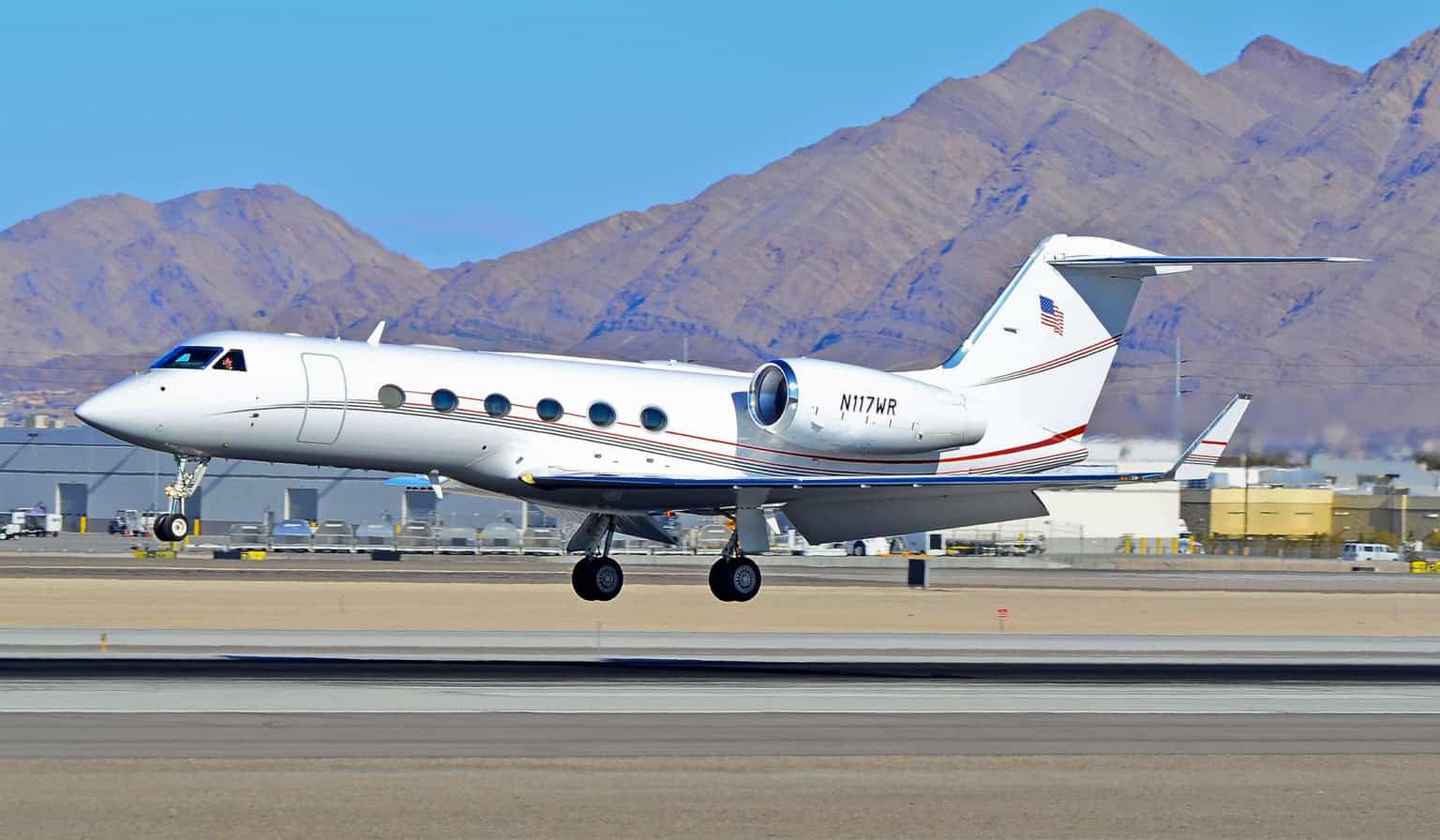
The Gulfstream G350 was introduced as a shorter-range variant of the G450 platform. Entering service in the mid-2000s, it offered large-cabin comfort with slightly reduced range. The aircraft targeted operators prioritizing cabin space over maximum distance.
Live Fleet Activity (GLF4)
Fetching live data…
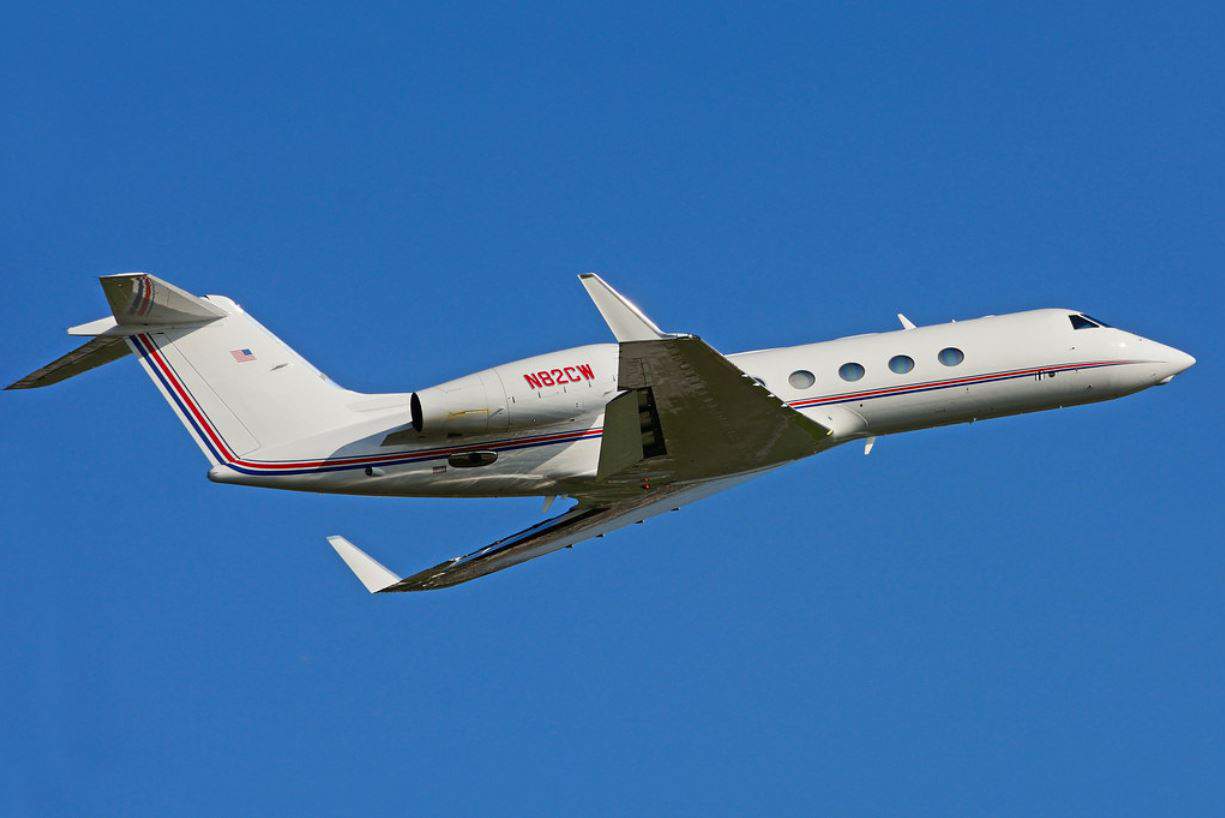

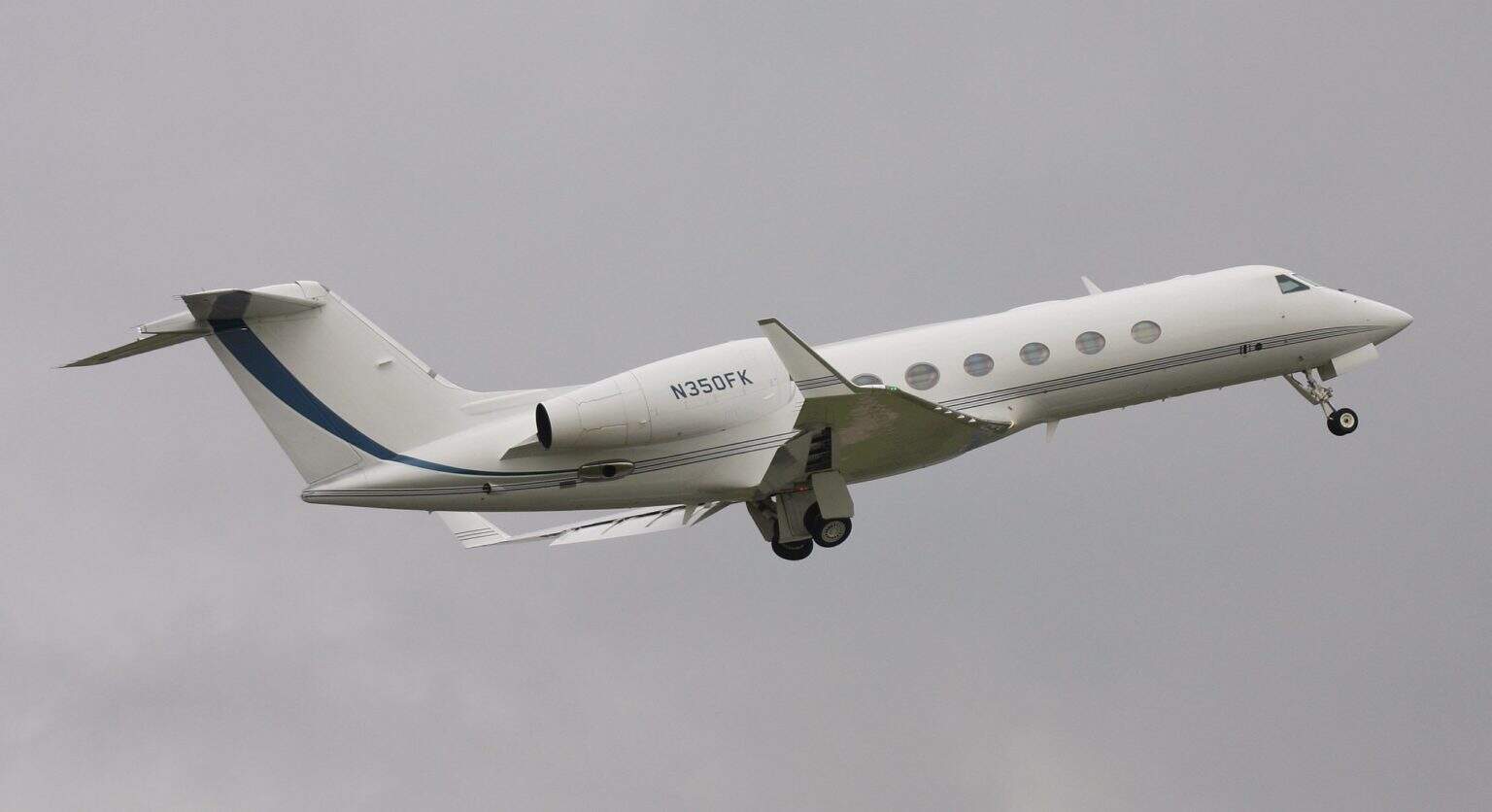

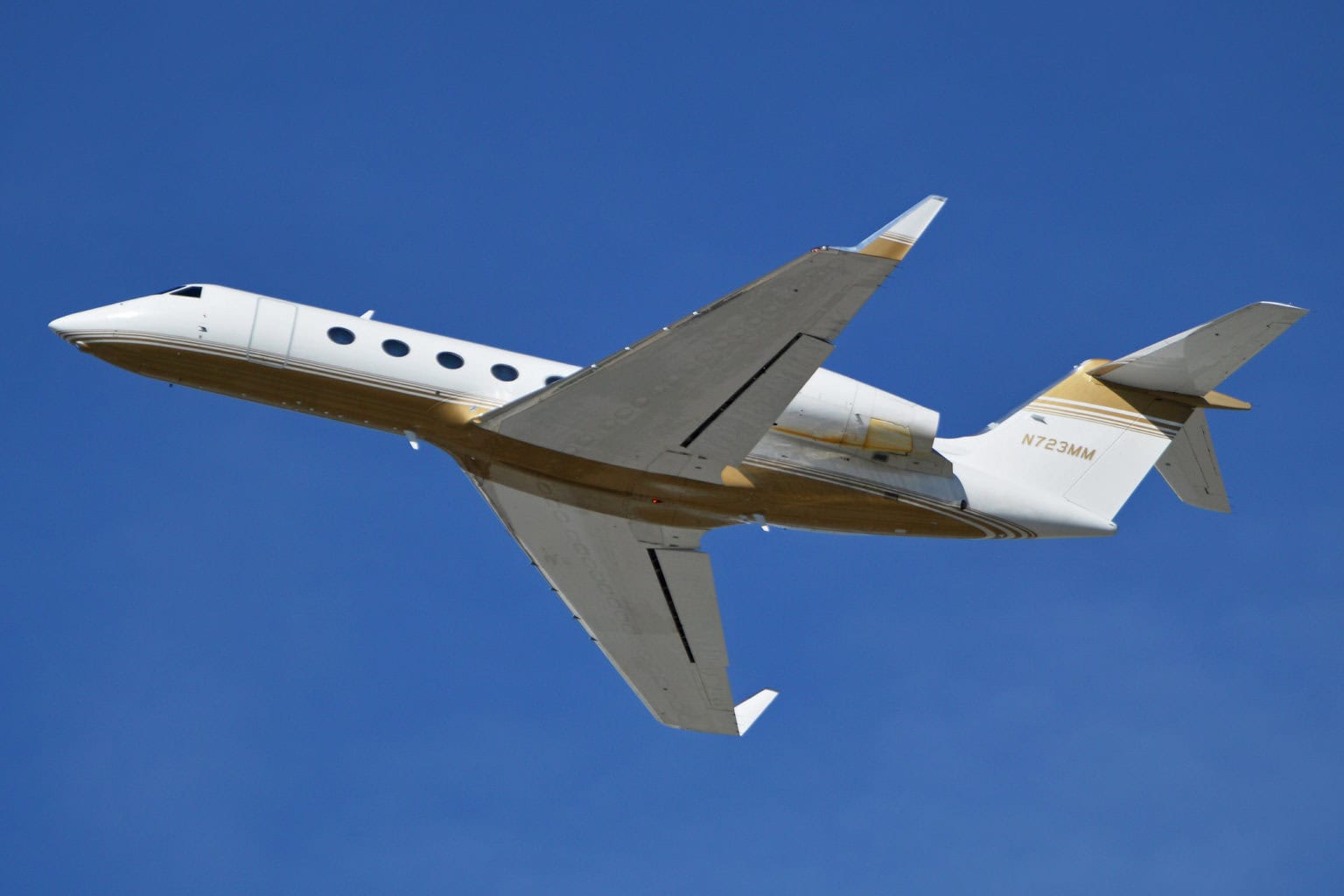
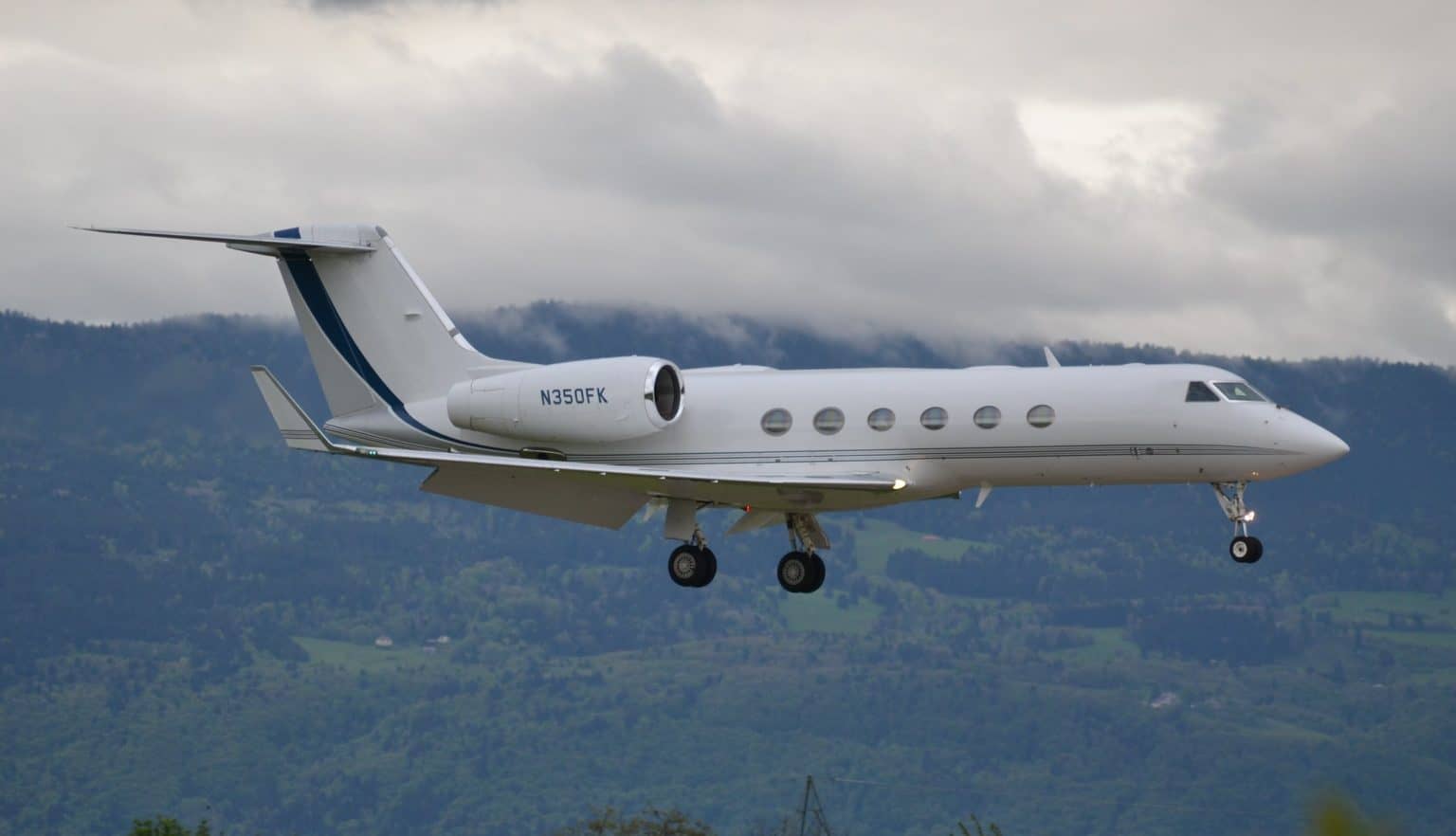
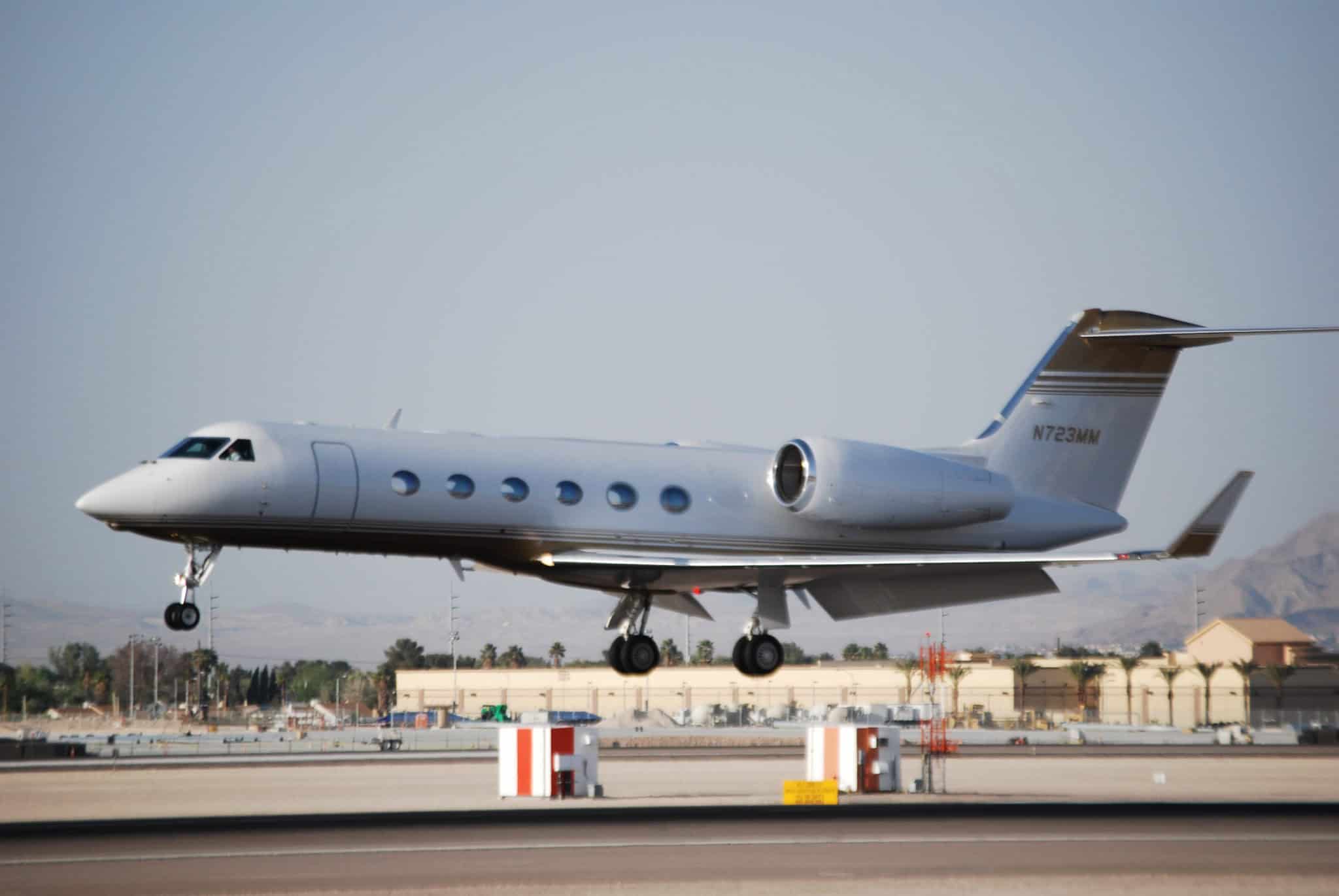

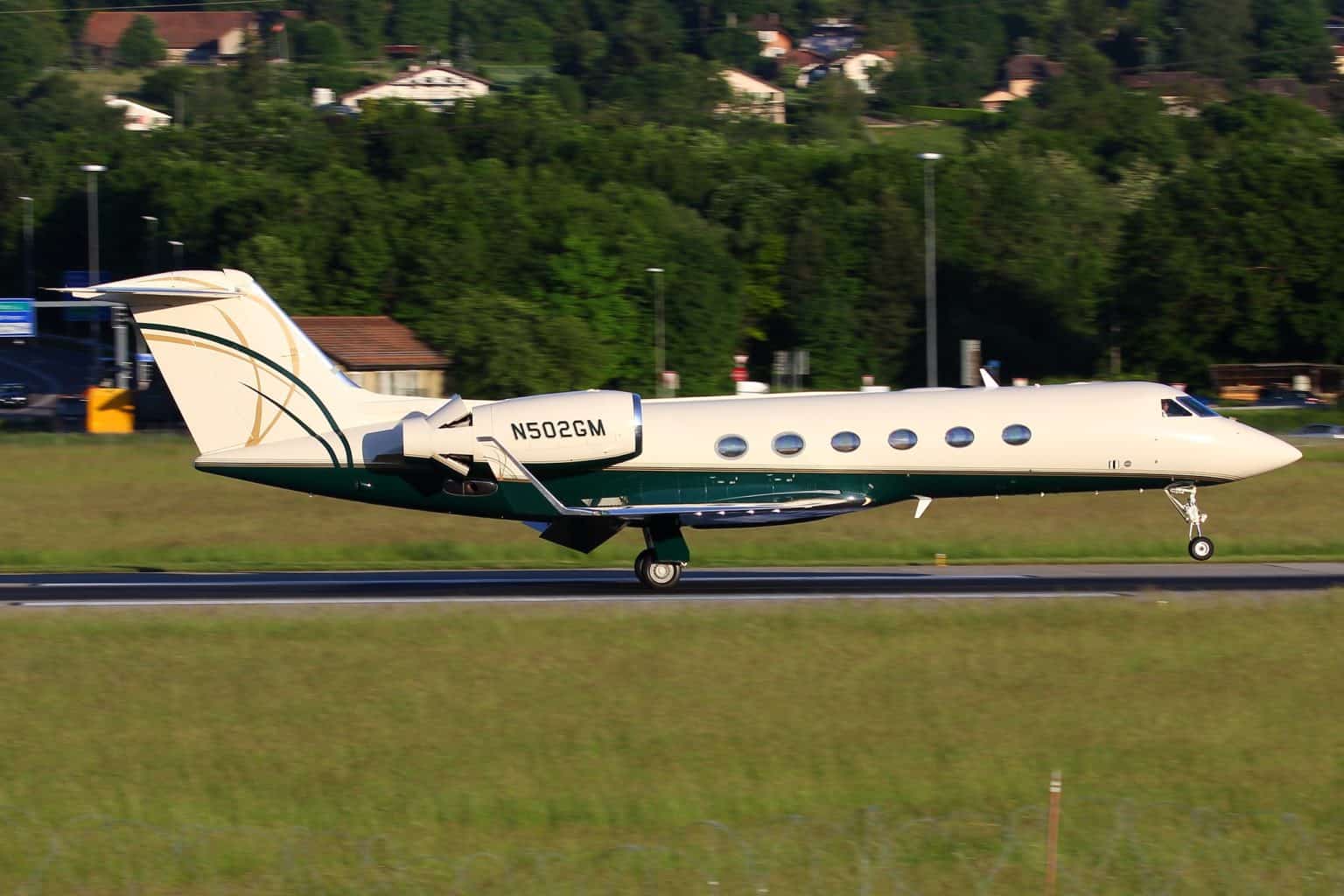

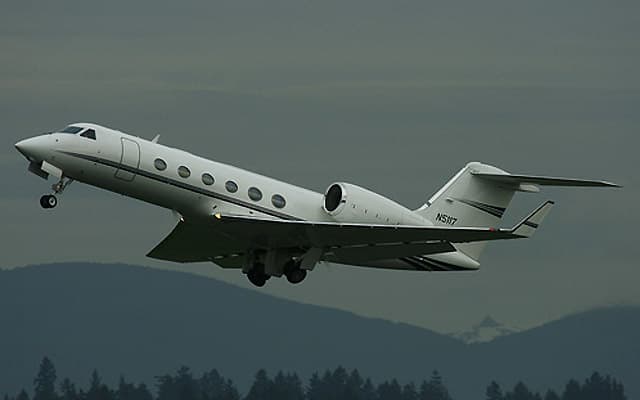



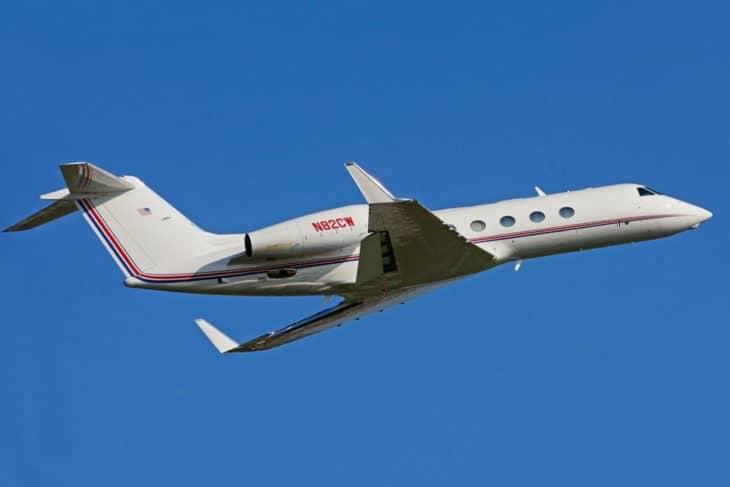
The G350 first flew in 2003 and entered service in 2004 alongside the G450. It shared structural and systems architecture with its sibling while carrying less fuel capacity. The aircraft maintained Gulfstream’s signature cabin layout.
Two Rolls-Royce Tay turbofan engines producing approximately 13,850 pounds of thrust (61.6 kN) each power the jet. Cruise speed approaches Mach 0.80. Maximum takeoff weight exceeds 70,000 pounds (31,752 kg), with range around 3,800 nautical miles (7,038 km).
The G350 served corporate and government operators requiring transcontinental performance. Production ended in the late 2010s as newer models replaced it. The aircraft remains active in large-cabin fleets worldwide.
Sources and references used for research and fact-checking.