Light Passenger Jets
British Aero BAe 146
ICAO: B462
The compact regional jet built for lower-density short-haul routes.
The latest aviation news and stories sent to your inbox.
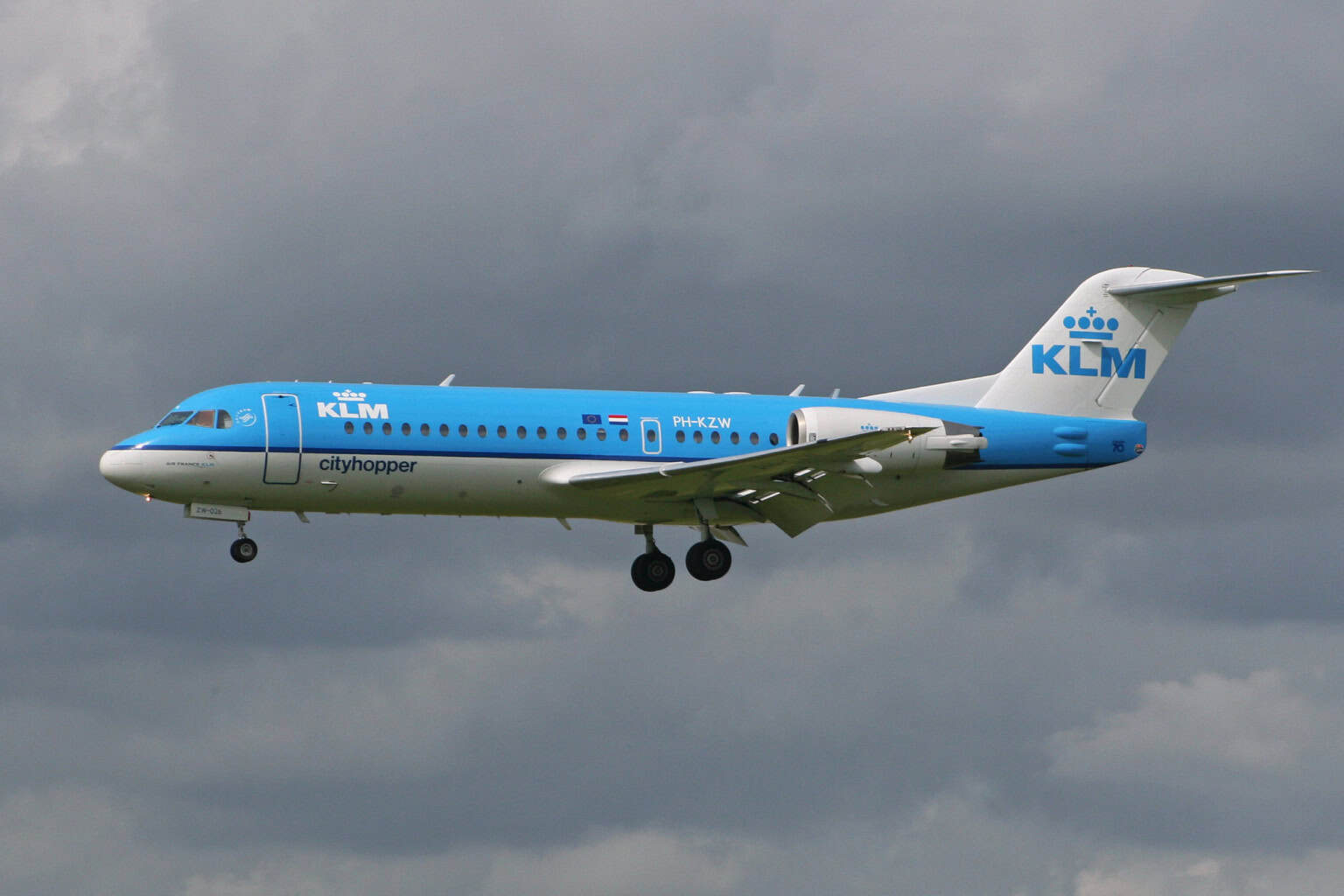
The Fokker 70 is a shortened derivative of the Fokker 100 designed for smaller markets. Introduced in the 1990s, it provided jet performance with reduced seating capacity. The aircraft served regional airlines across Europe and elsewhere.
Live Fleet Activity (F70)
Fetching live data…


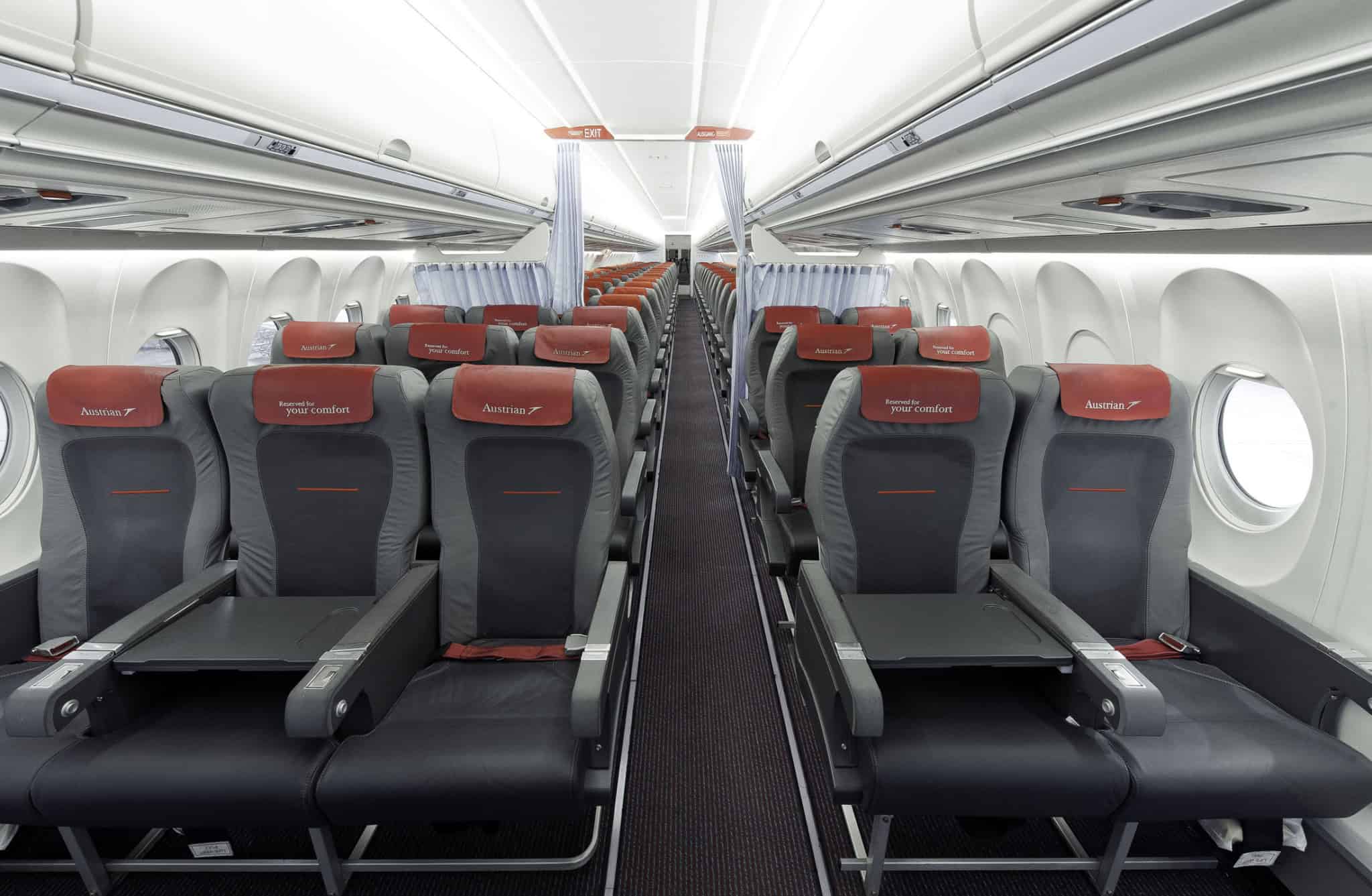
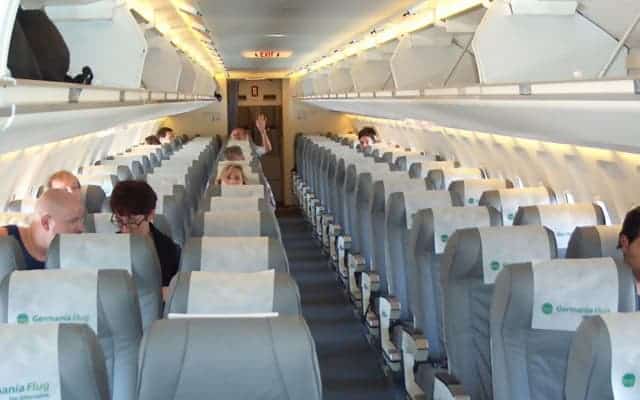


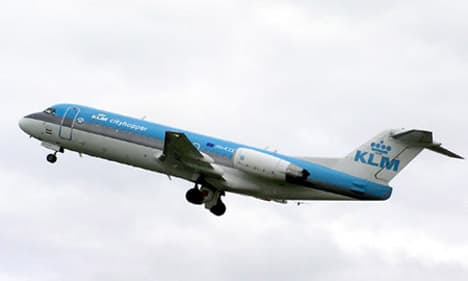
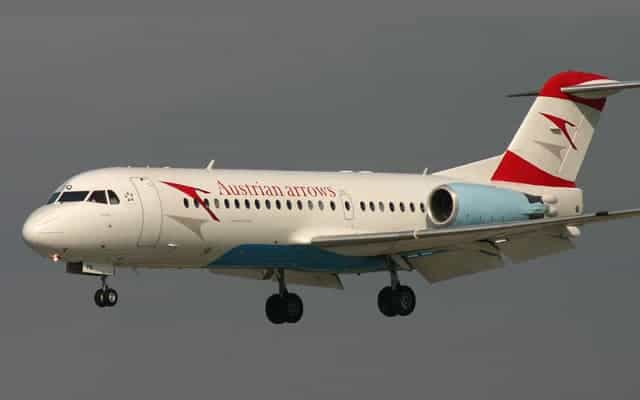
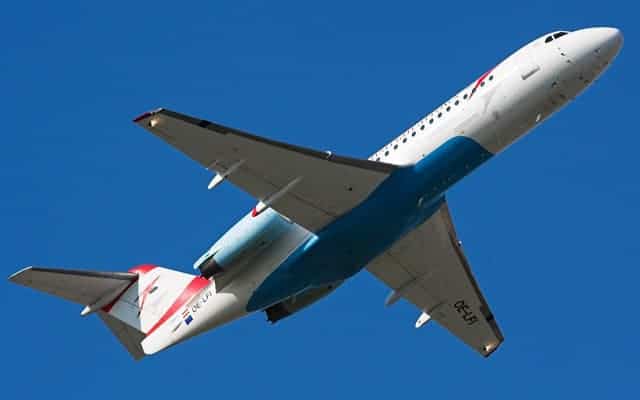
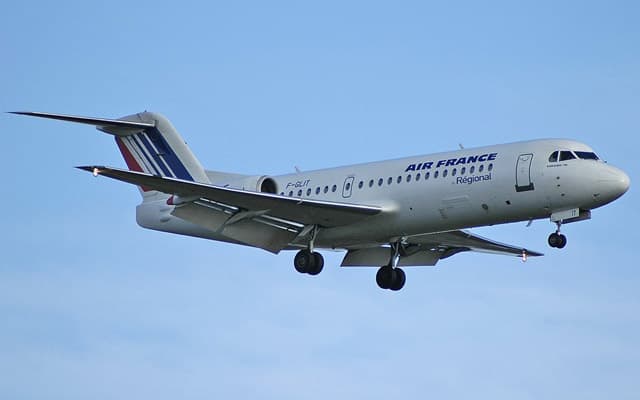
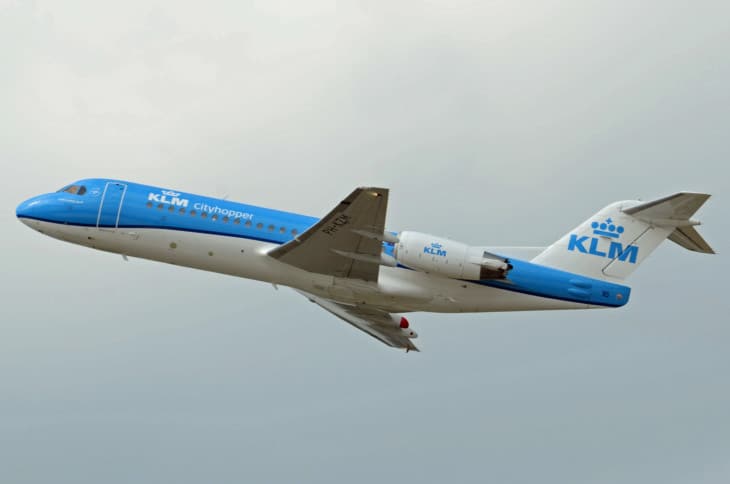
The Fokker 70 first flew in 1993 and entered service in 1994. It was designed to complement the larger Fokker 100 in markets requiring fewer seats. The aircraft retained the rear-mounted engine layout and T-tail configuration.
Powered by two Rolls-Royce Tay turbofan engines producing approximately 13,850 pounds of thrust (62 kN) each, the Fokker 70 cruises at around 460 knots (850 km/h). Maximum takeoff weight is roughly 84,000 pounds (38,100 kg). Seating capacity typically ranges from 70 to 80 passengers.
The Fokker 70 achieved modest production numbers before Fokker’s closure. Many examples remain active in Europe and Australia. The aircraft provided efficient service on short and medium-haul routes.
Sources and references used for research and fact-checking.