Mid Size Passenger Jets
Ilyushin Il-62(M)
ICAO: IL62
The short-haul jet built for efficient regional and trunk routes.
The latest aviation news and stories sent to your inbox.
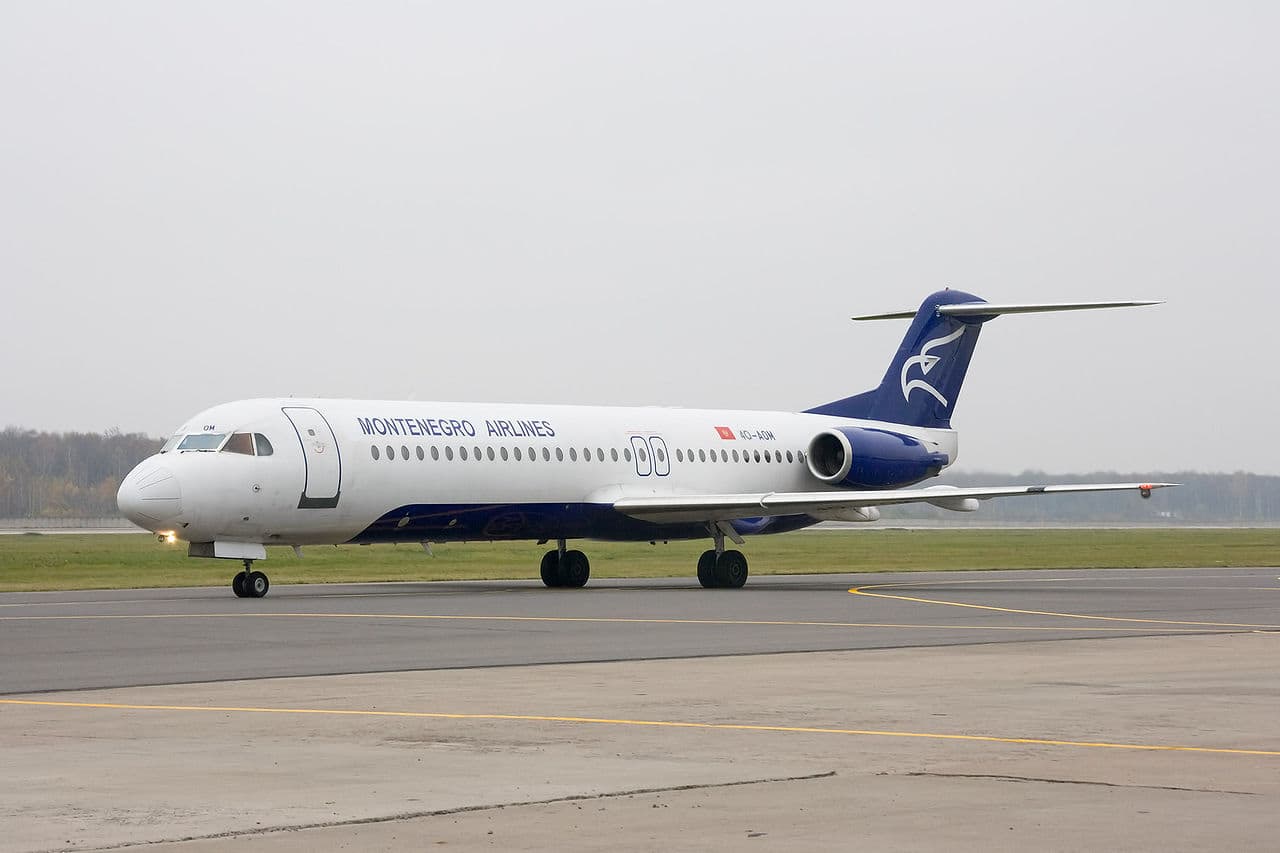
The Fokker 100 is a twin-engine regional jet developed in the Netherlands as a successor to the F28 Fellowship. Introduced in the 1980s, it offered improved fuel efficiency and a modernized cabin. The aircraft became a common sight on European and Australian routes.
Live Fleet Activity (F100)
Fetching live data…
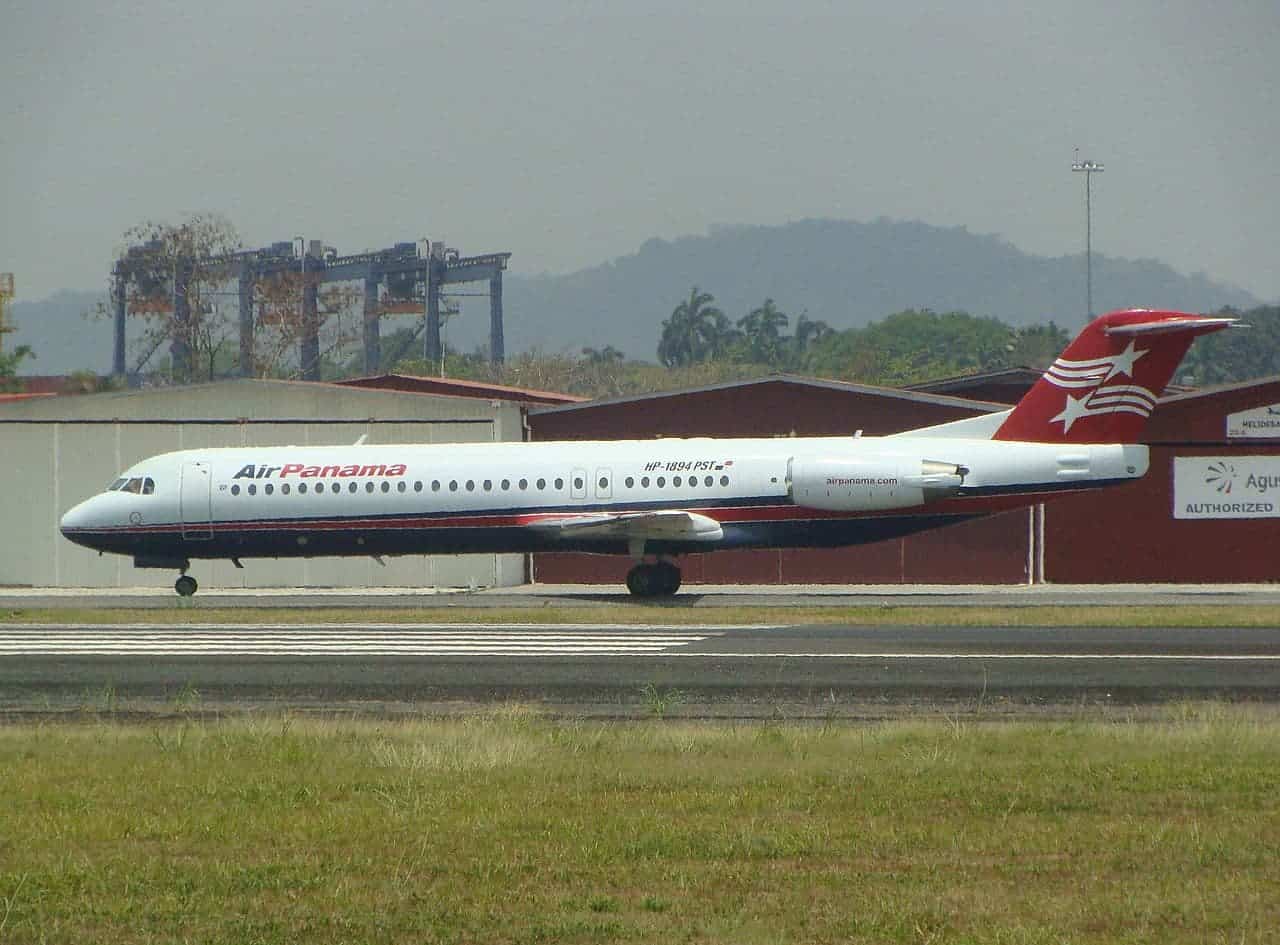

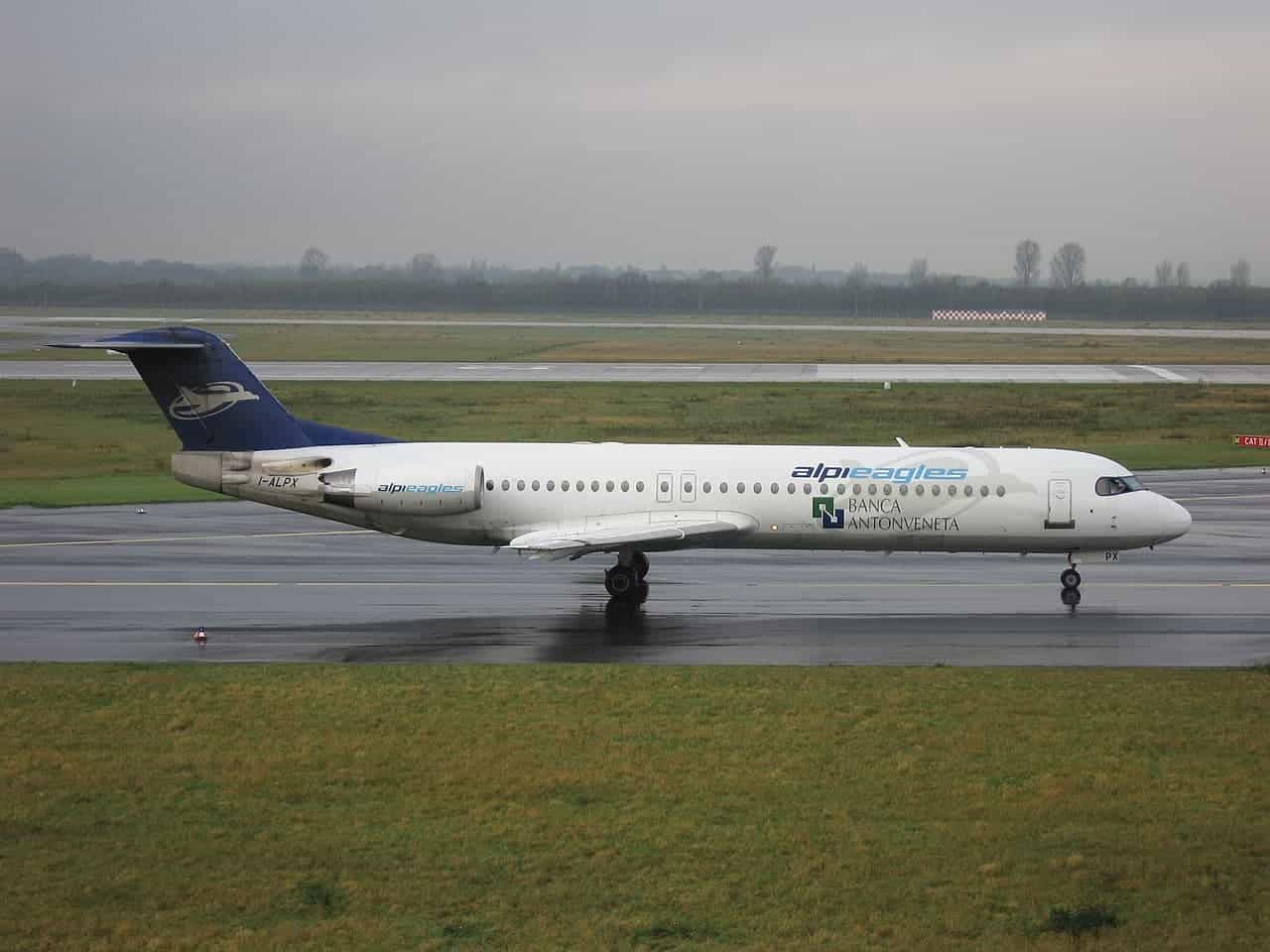

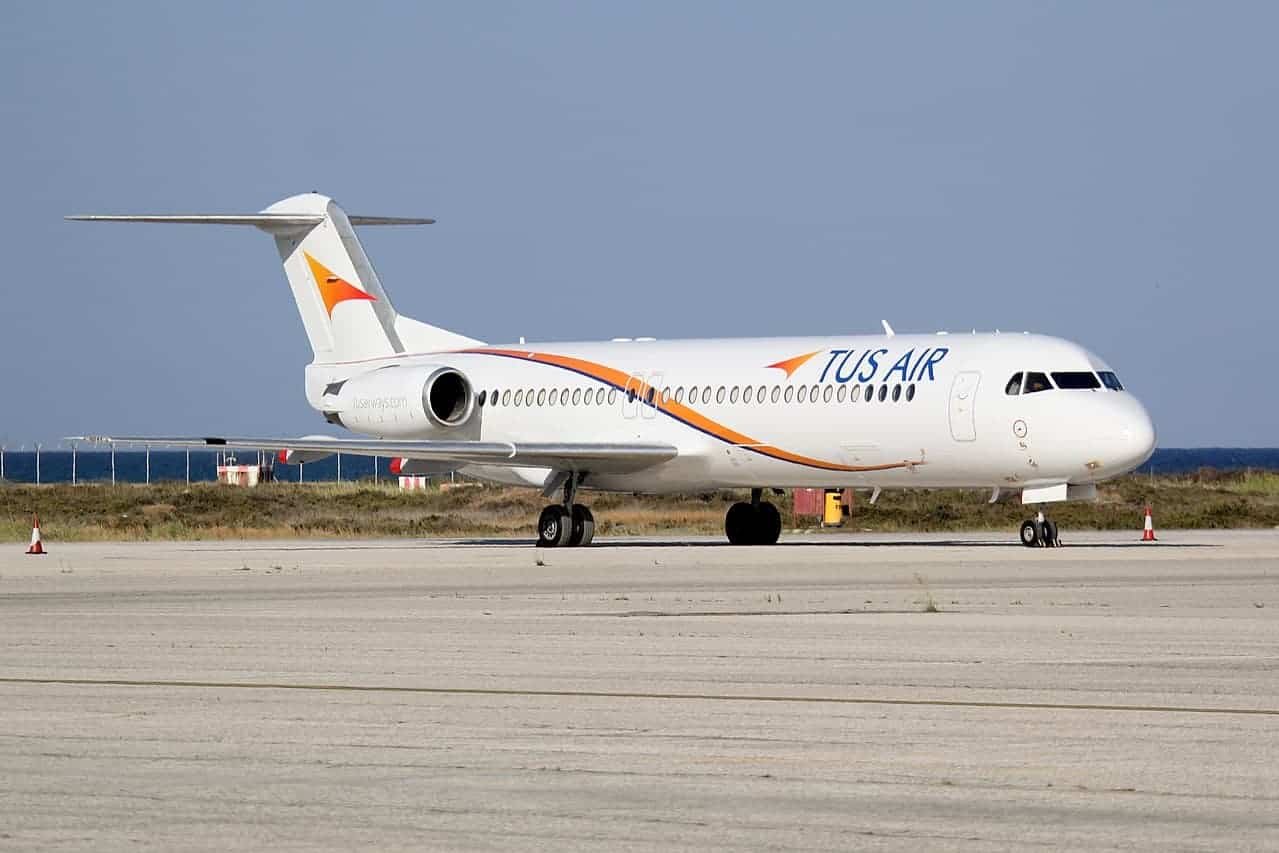
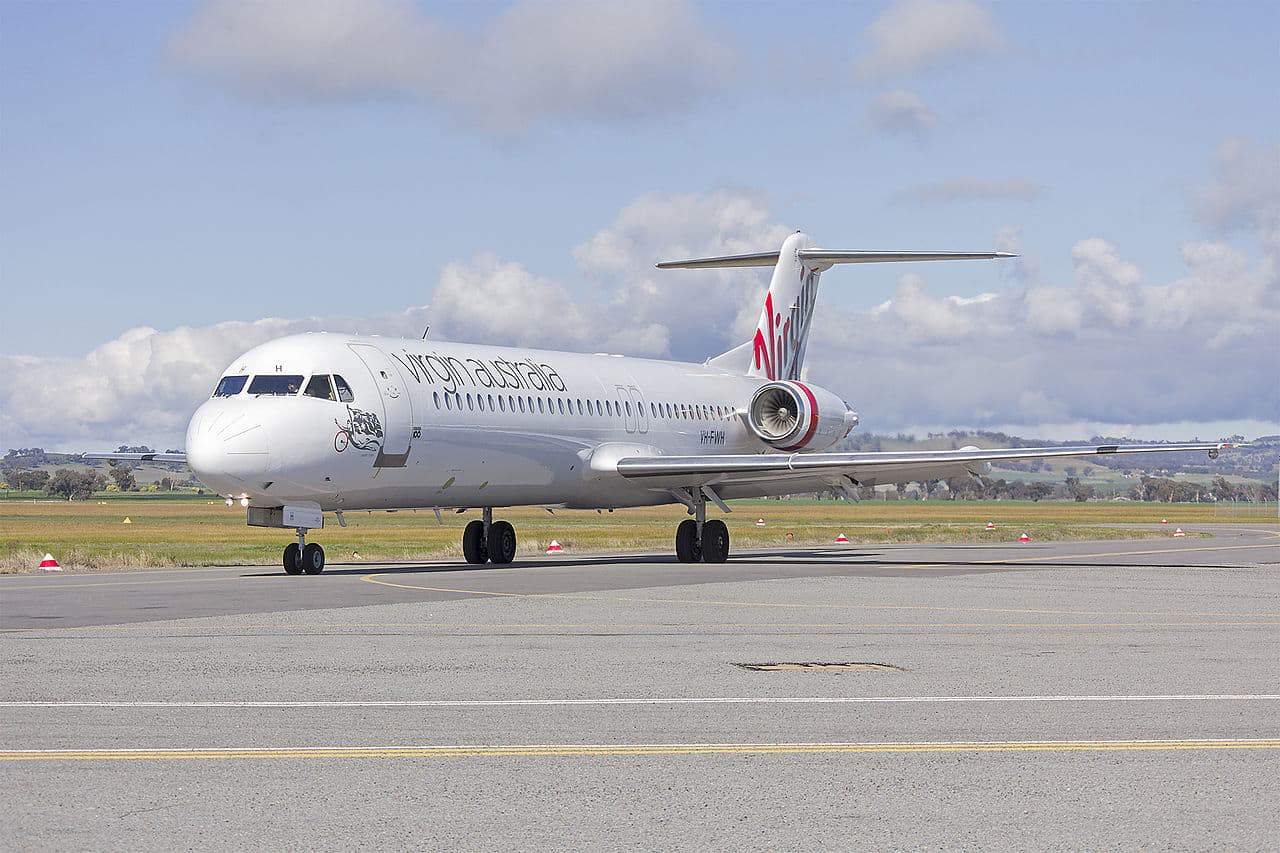
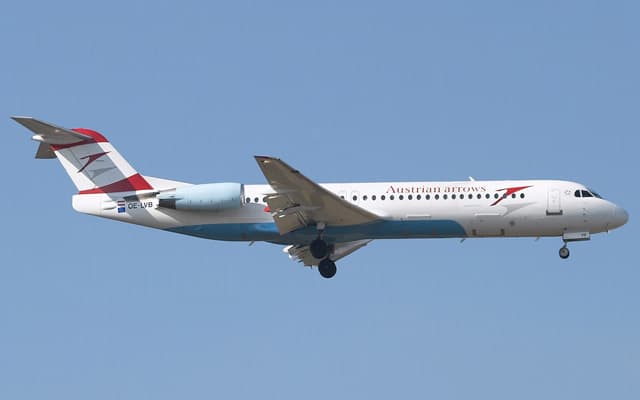
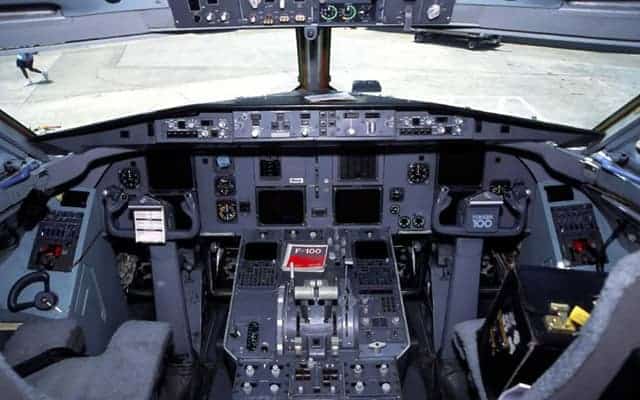
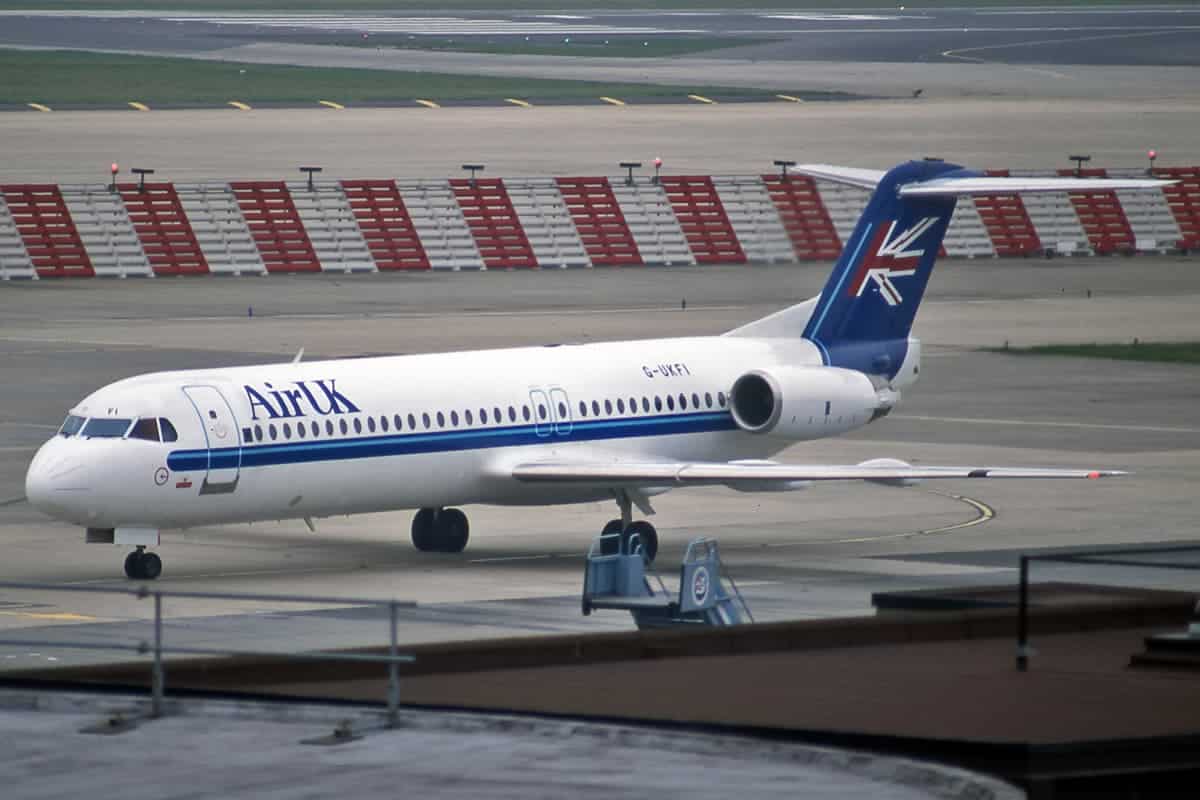
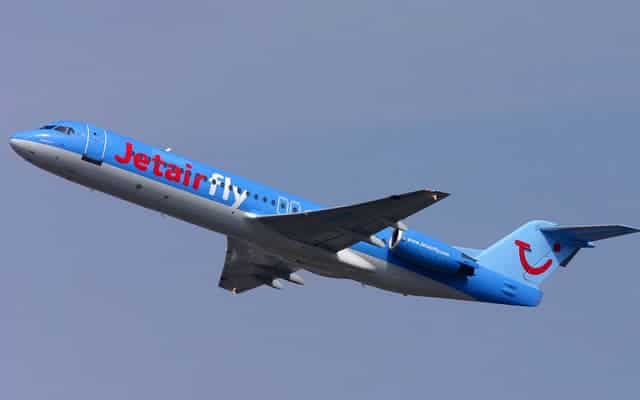
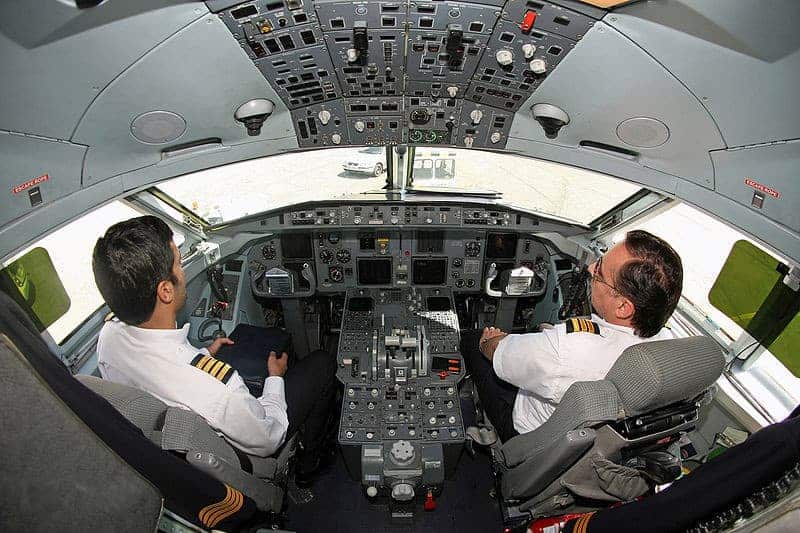
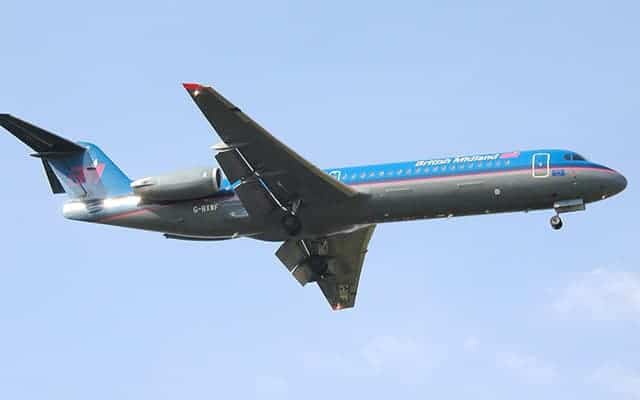
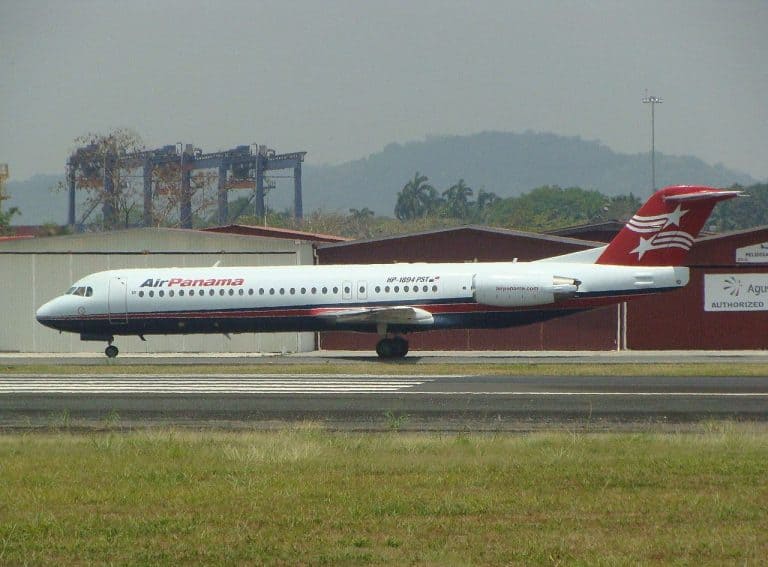
The Fokker 100 first flew in 1986 and entered service in 1988. It was designed as a stretched and updated development of the earlier F28, featuring more efficient turbofan engines and improved avionics. The aircraft adopted a low-wing configuration with rear-mounted engines and a T-tail.
Powered by two Rolls-Royce Tay turbofan engines producing approximately 13,850 pounds of thrust (62 kN) each, the Fokker 100 cruises at around 460 knots (850 km/h). Maximum takeoff weight is roughly 100,000 pounds (45,360 kg). Typical seating capacity ranges from 85 to 109 passengers.
The Fokker 100 achieved strong sales before Fokker’s bankruptcy in the mid-1990s ended production. Many aircraft remain in service, particularly in Australia and parts of Europe. The type is regarded as one of the most successful regional jets of its generation.
Sources and references used for research and fact-checking.