Military Propellor Planes
Focke-Wulf Ta 152
ICAO: TA152
The second most produced German fighter of WWII
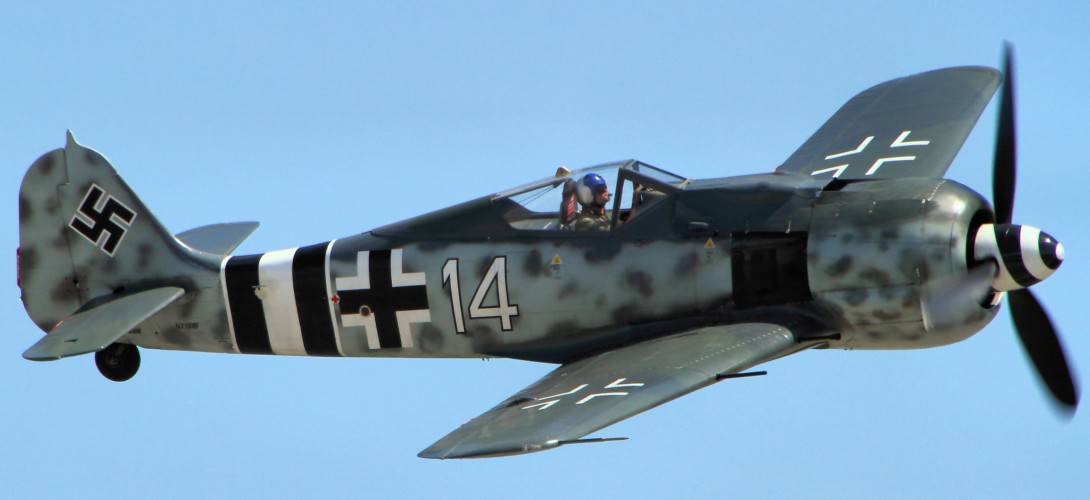
The Focke-Wulf Fw 190 was designed by Kurt Tank and manufactured by Focke Wulf as a single-seat fighter aircraft powered by a single-engine. It was developed during the late 1930s and extensively used throughout the Second World War. The aircraft first flew in June 1939 and was introduced in 1941. It was produced from 1941 to 1945 with a total number of over 20,000 aircraft built.
Live Fleet Activity (FW190)
Fetching live data…
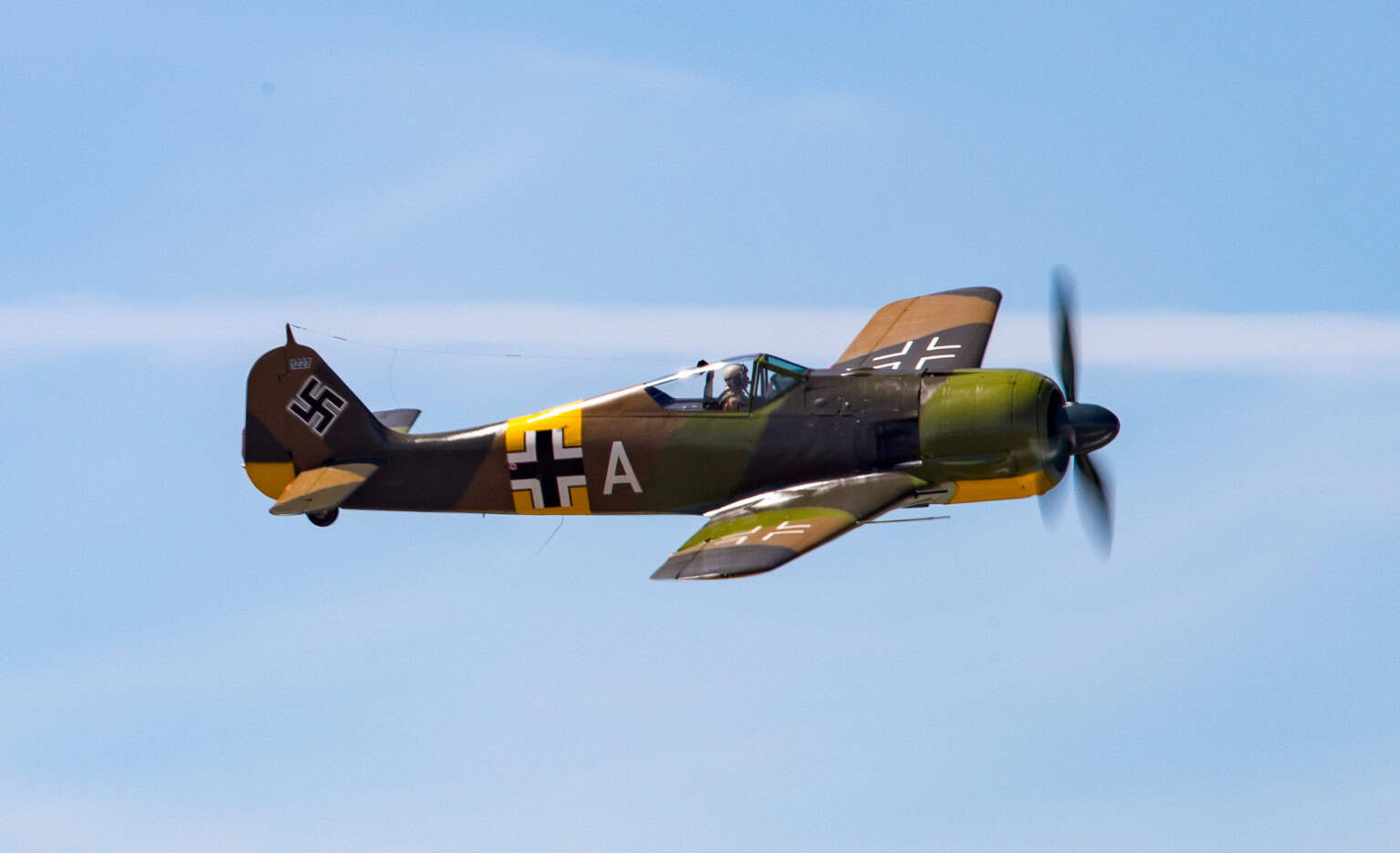


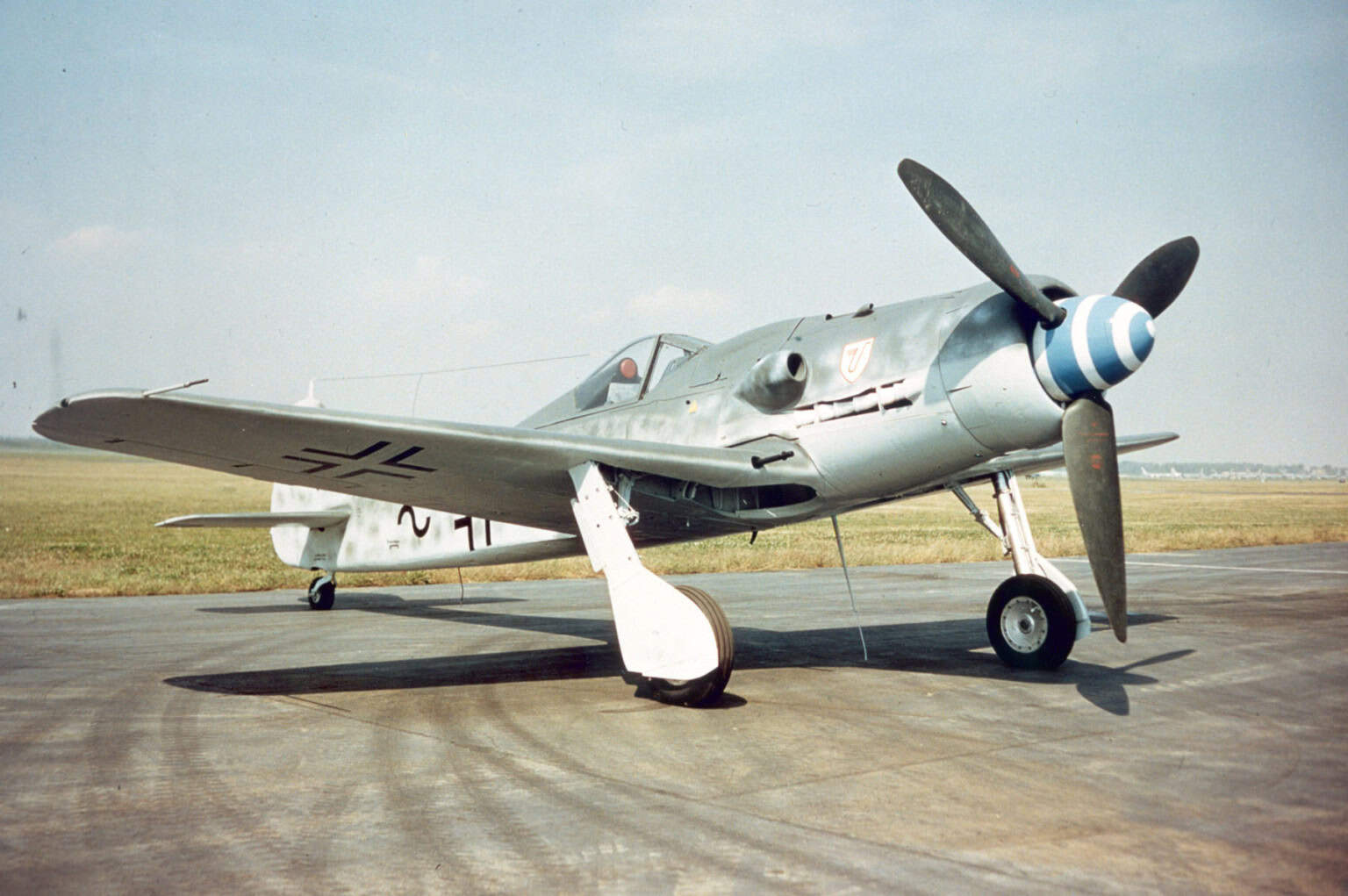
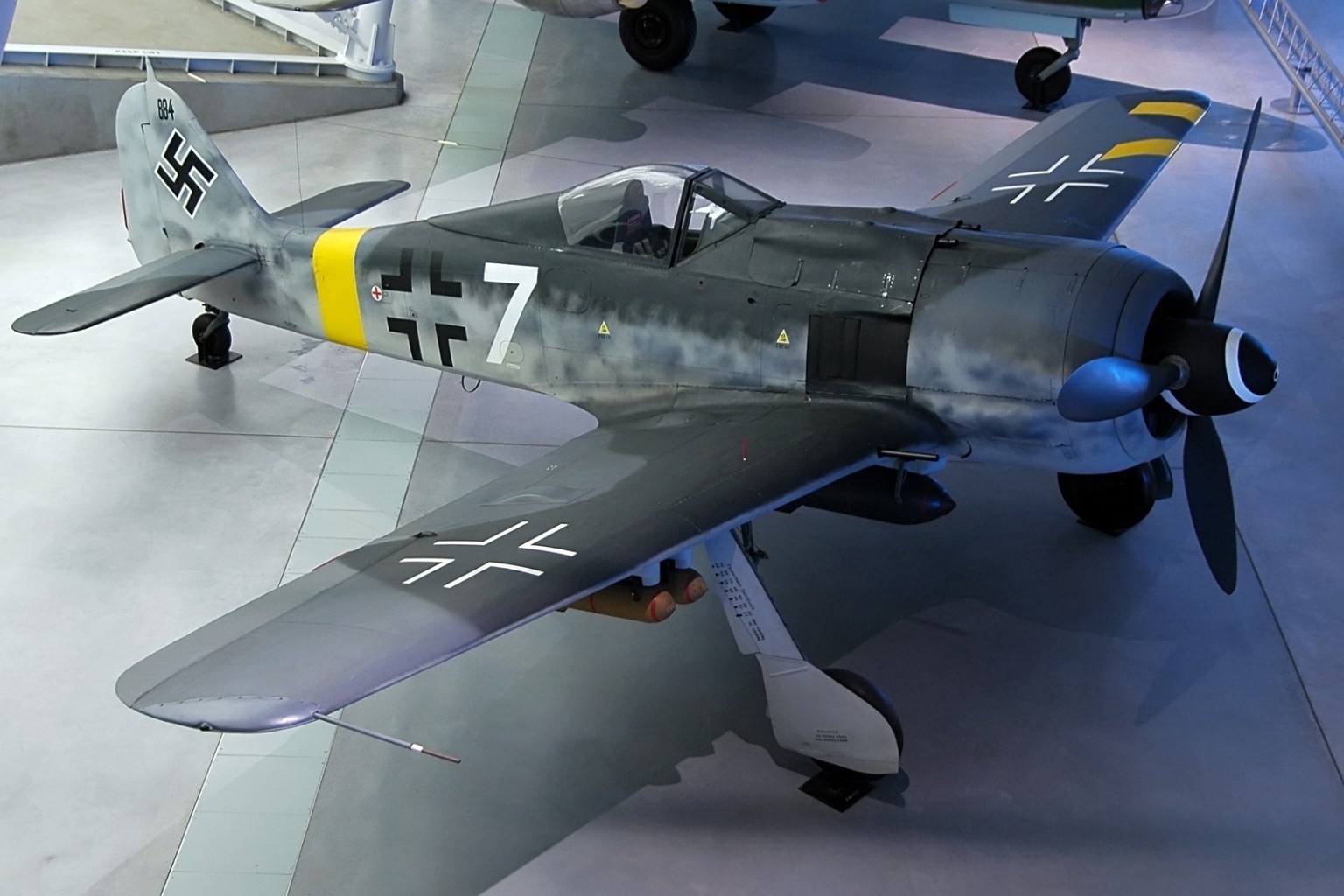
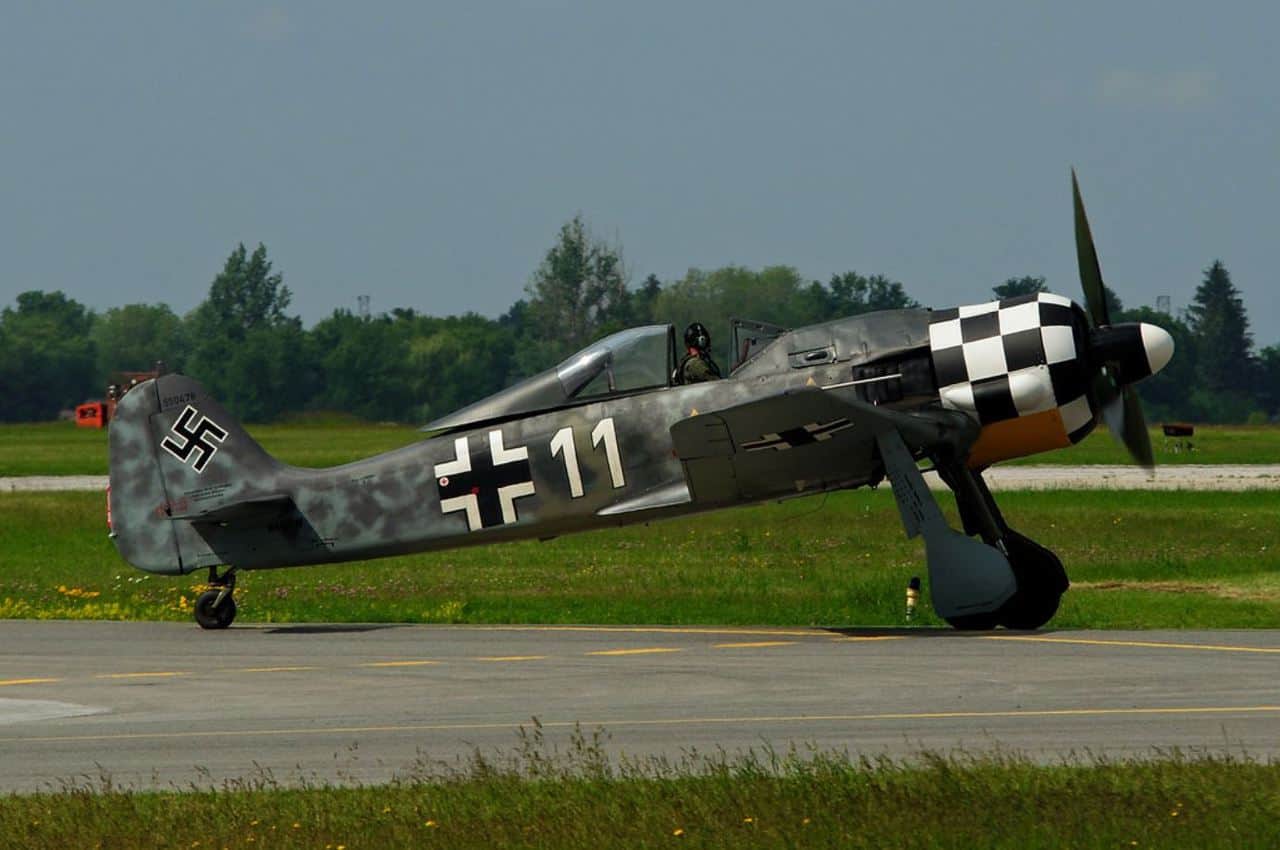

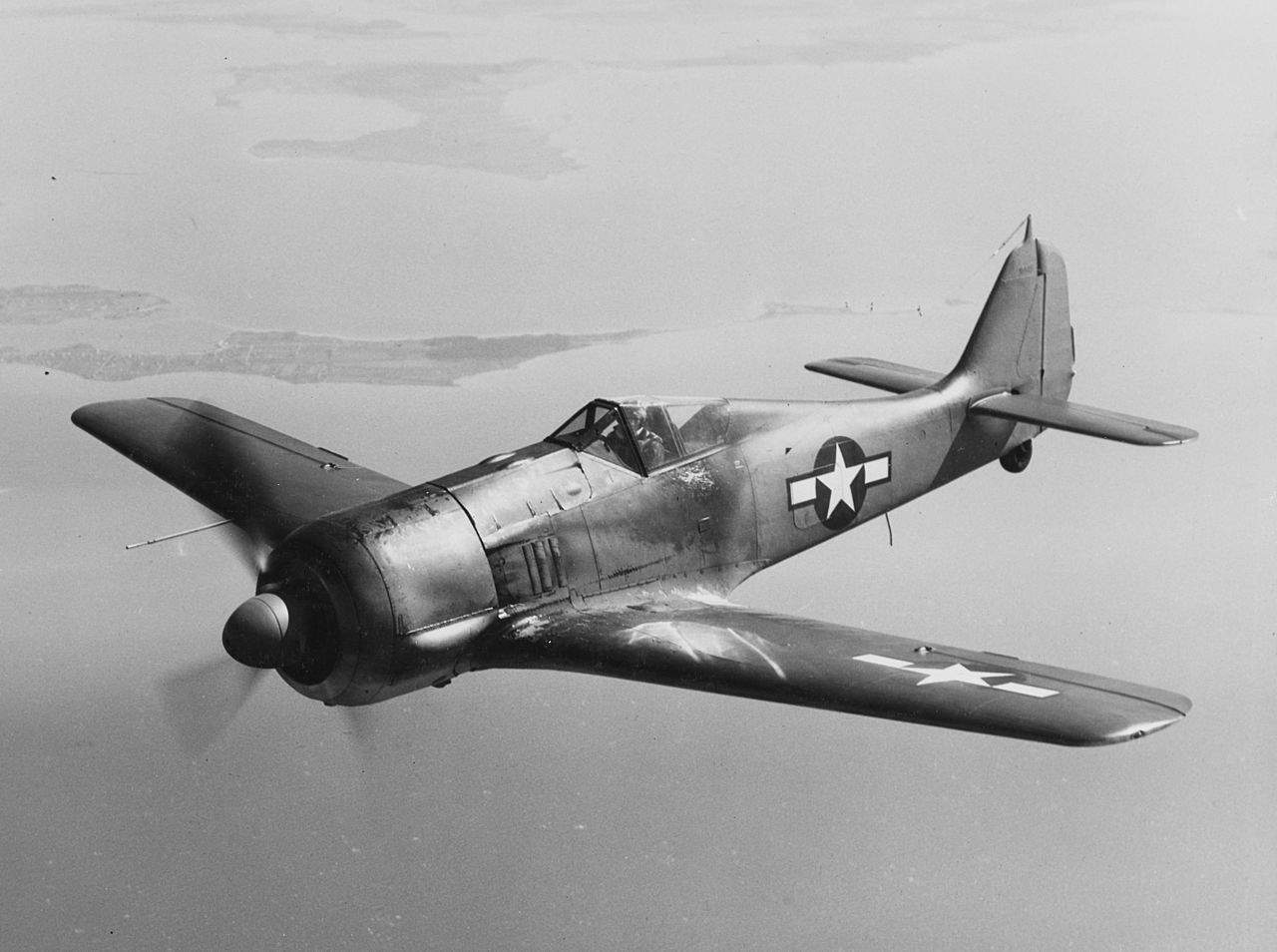
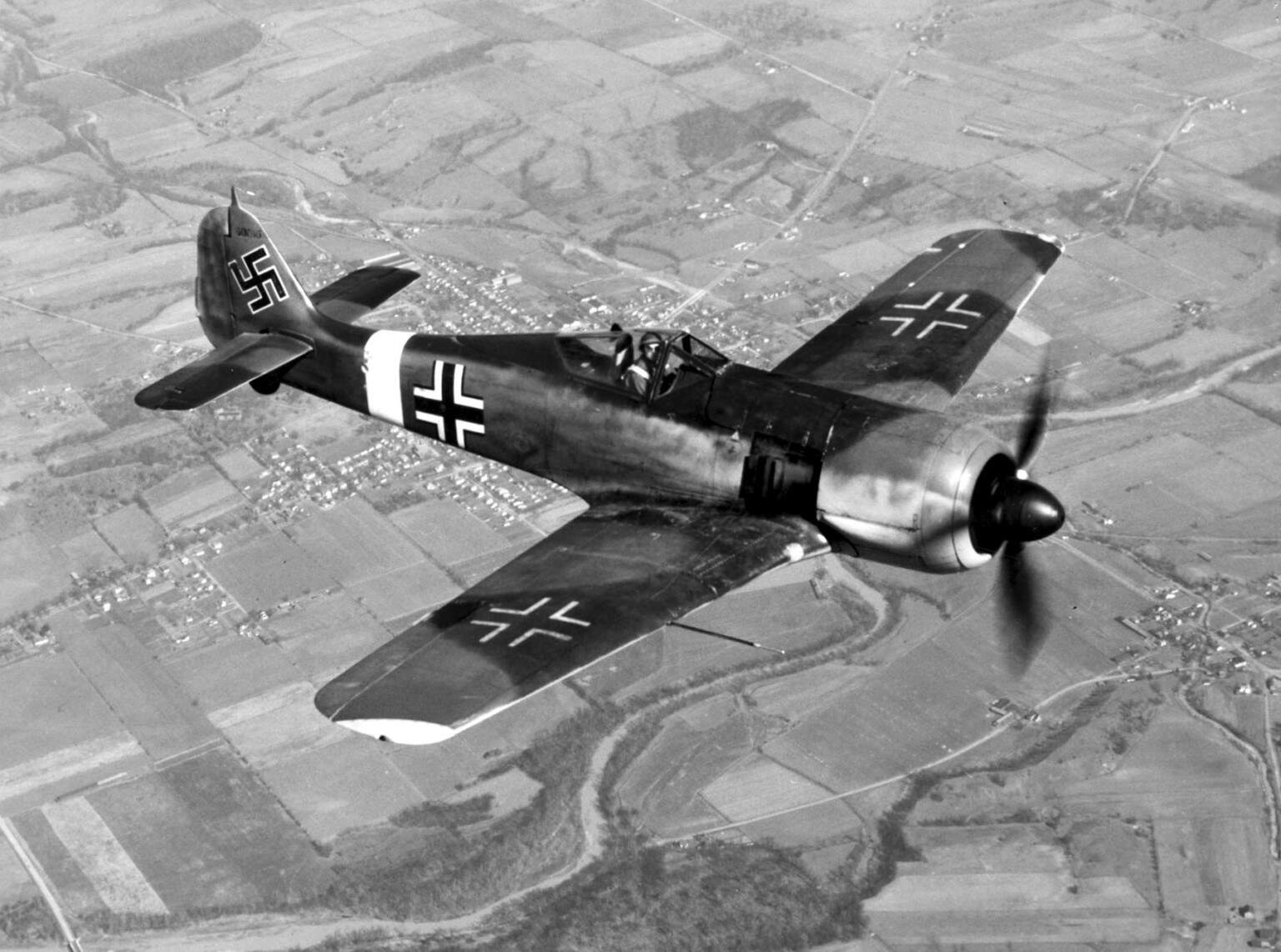

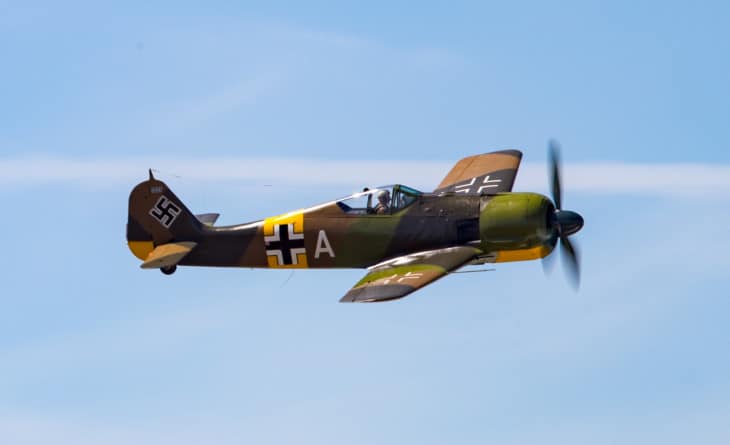
On June 1, 1939, the Fw 190 V1 prototype with civil registration D-OPZE performed its maiden flight. In August 1941, the aircraft entered operational service over France. The Fw 190 was produced in numerous variants from 1941 until 1945.
In February 1944, the Fw 190 A-8 variant entered production. It is a single-seat aircraft with an external length of 8.95 meters, an external height of 3.35 meters, and a fuselage diameter of 1.3 meters. The tail height is 3.96 meters and the wheelbase is 6.6 meters. It has a wingspan of 10.5 meters and a wing area of 18.3 square meters. The empty weight is 3,200 kg, the gross weight is 4,417 kg, and the maximum takeoff weight is 4,900 kg. It has a maximum payload of 1,000 kg and a fuel tank capacity of 169 US gal.
The aircraft is powered by a single BMW 801D-2 engine. It is a fourteen-cylinder supercharged two-row air-cooled radial engine with one intake and one sodium-cooled exhaust valve per cylinder, a gear-driven single-stage two-speed supercharger, a direct fuel injection, and an air-cooling system with an oil cooler integrated into the forward cowl. The engine produces a maximum thrust of 1,677 hp and up to 1,953 hp and drives a three-bladed constant-speed propeller. The aircraft has a maximum speed of 352 knots at 19,420 feet. It has a standard range of 490 to 540 nautical miles, a combat range of 220 to 270 nautical miles, and a ferry range of 490 to 540 nautical miles. It can fly up to 33,960 feet and can climb at a rate of 3,000 feet per minute.
The Fw 190 is armed with various guns such as two 13 mm synchronized MG 131 machine guns with 475 rounds per gun, two 20 mm MG 151/20 E cannons with 250 rounds per gun, synchronized in the wing roots, and two 20 mm MG 151/20 E cannons with 140 rounds per gun free-firing outboard in mid-wing mounts. It is also loaded with bombs under the fuselage or under the wings.

World War II brought the fastest advance in aviation ever seen. With the invention of the jet engine and rocket propulsion, planes became more powerful and pilots could reach speeds they had only imagined. But which of these brilliant warbirds takes the trophy for the fastest plane of WW2? Find out in the list below. […]
From the start, Germany expected its air force to play a major role in its goals during World War II. In fact, the entire idea of blitzkrieg was largely predicated on the ability of the Luftwaffe to maintain control of the air. Additionally, German engineers created some of the most advanced designs of the war. […]