Mid Size Helicopters
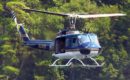
Bell CH-146 Griffon
ICAO: B142
214 · 214ST
The Heavy-Lift Huey — Power and Performance Taken to the Next Level.
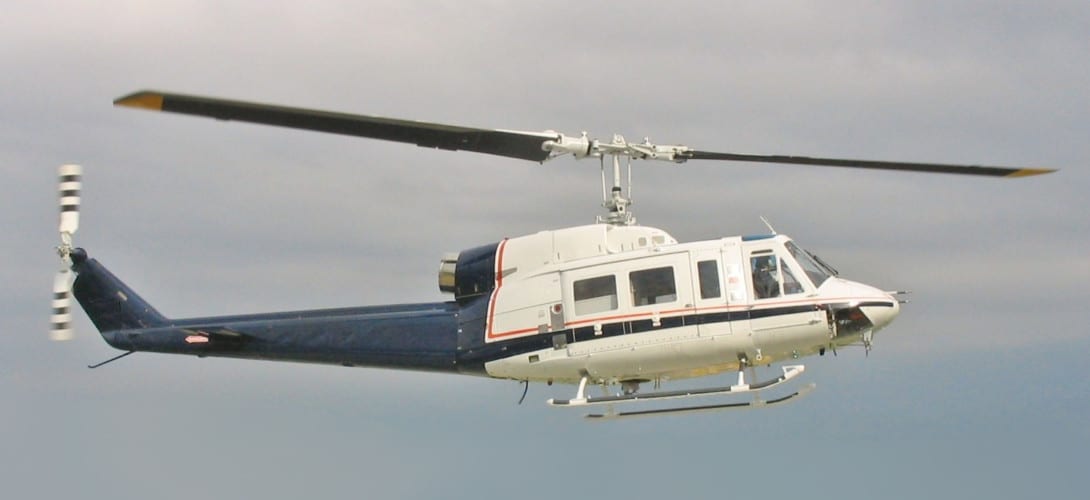
Evolving from the legendary UH-1 Huey family, the Bell 214 was built to deliver more power, lift, and versatility in demanding environments. With its rugged design and upgraded engine, it became a favorite for operators needing a helicopter that could do it all — from troop transport to disaster relief.
Live Fleet Activity (B214)
Fetching live data…
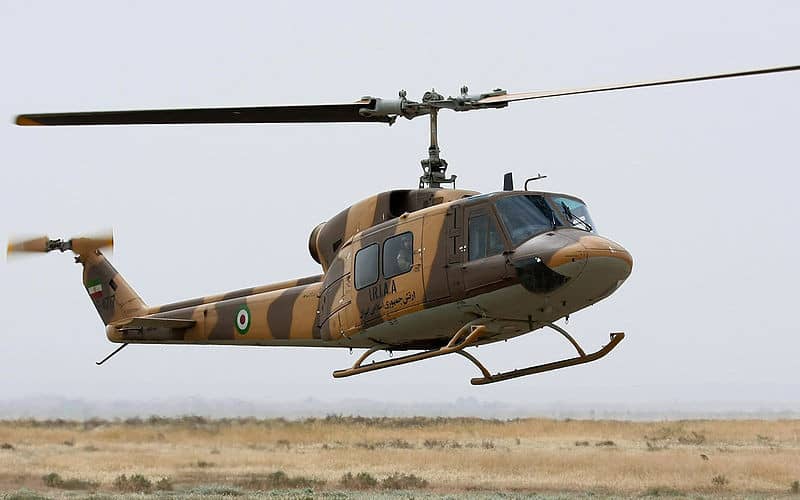


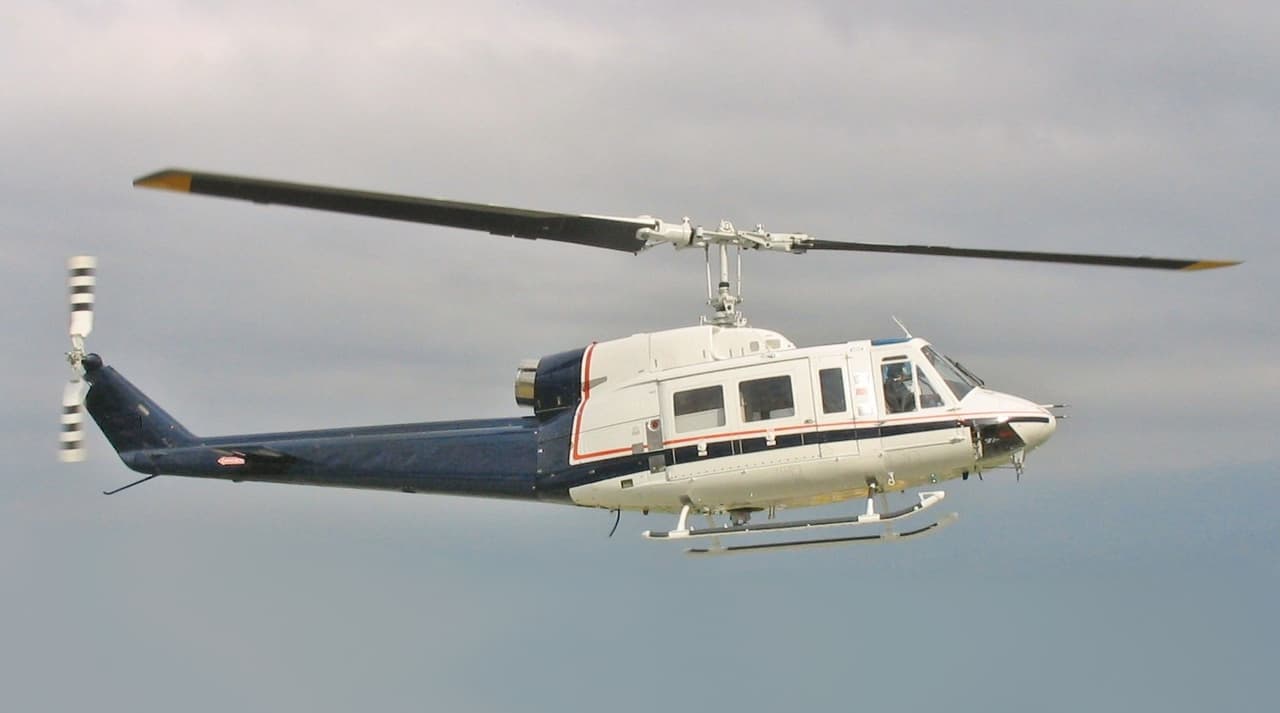

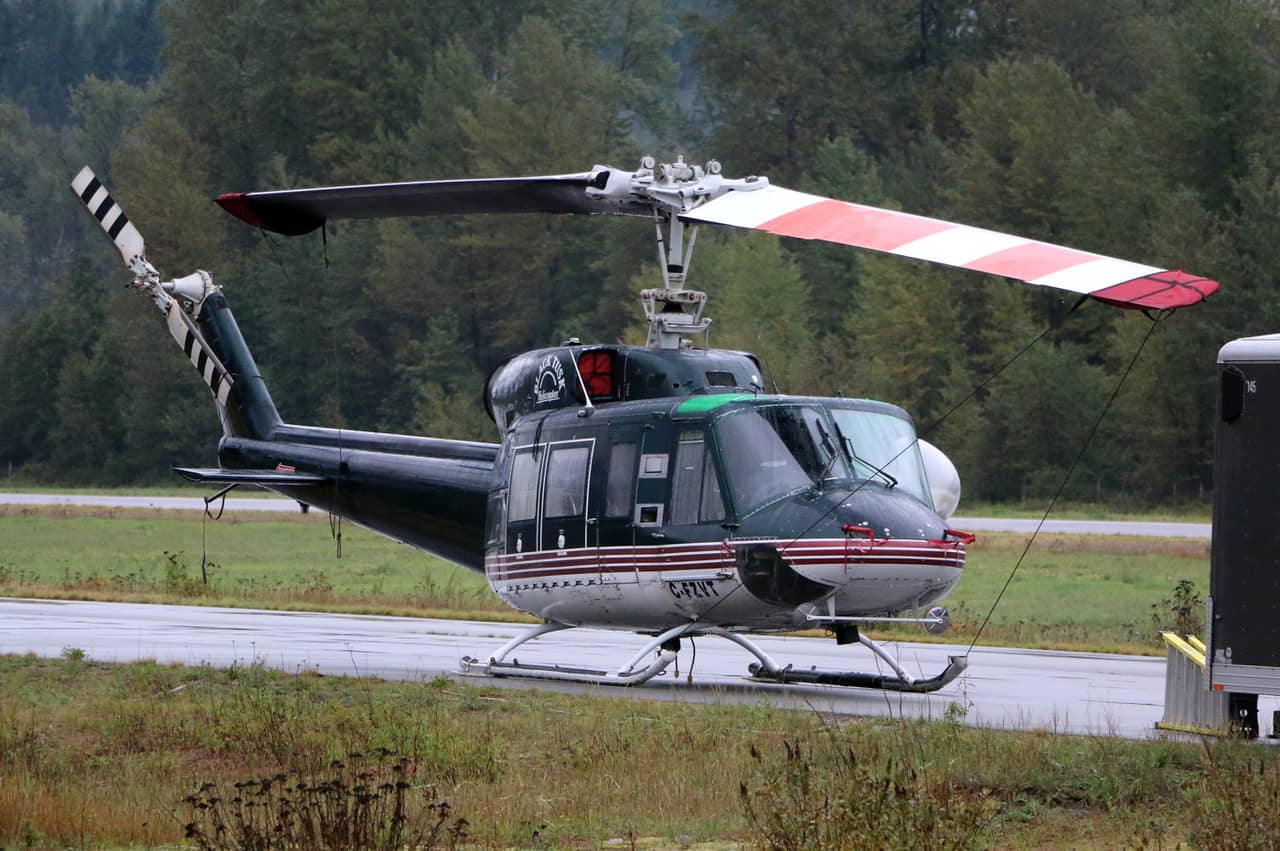
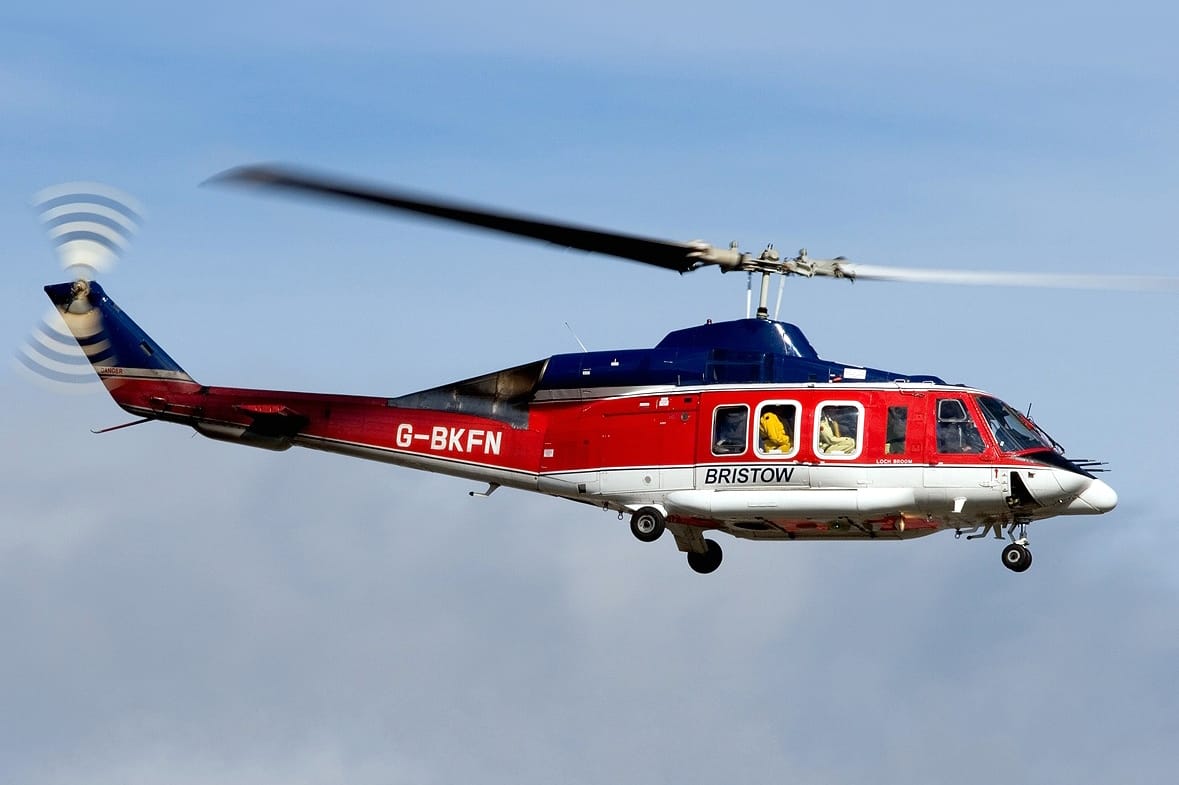


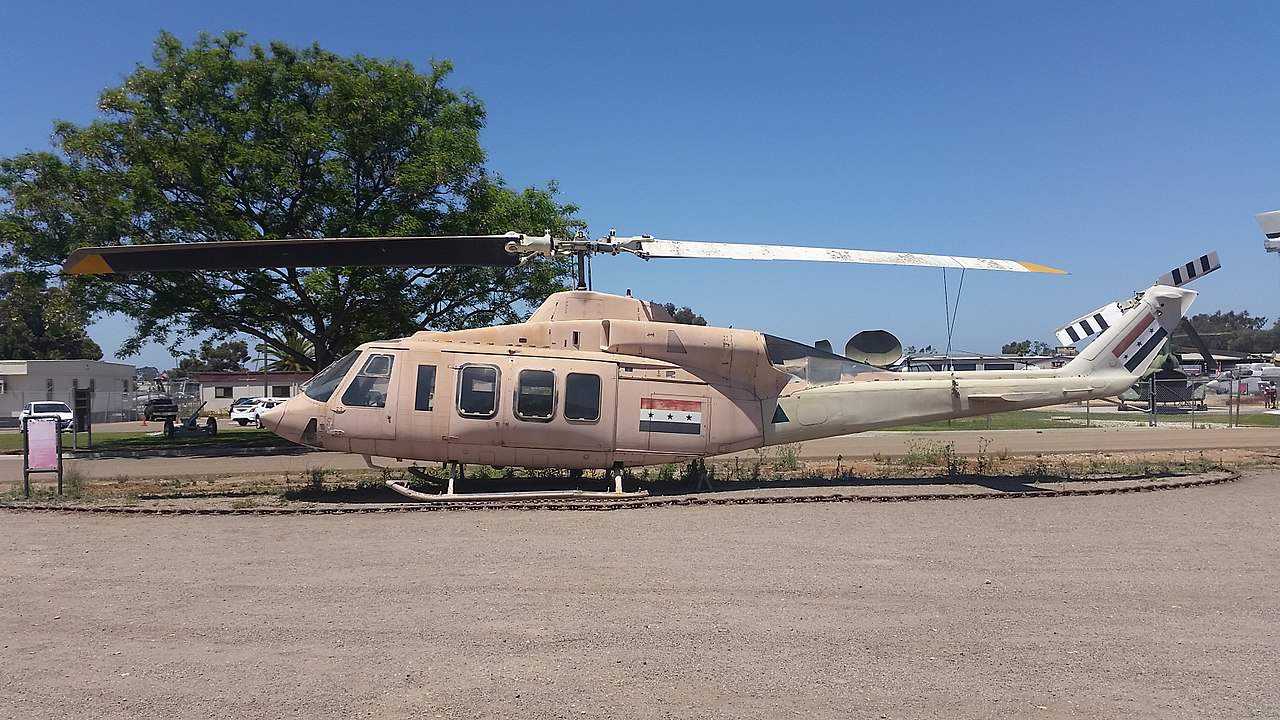

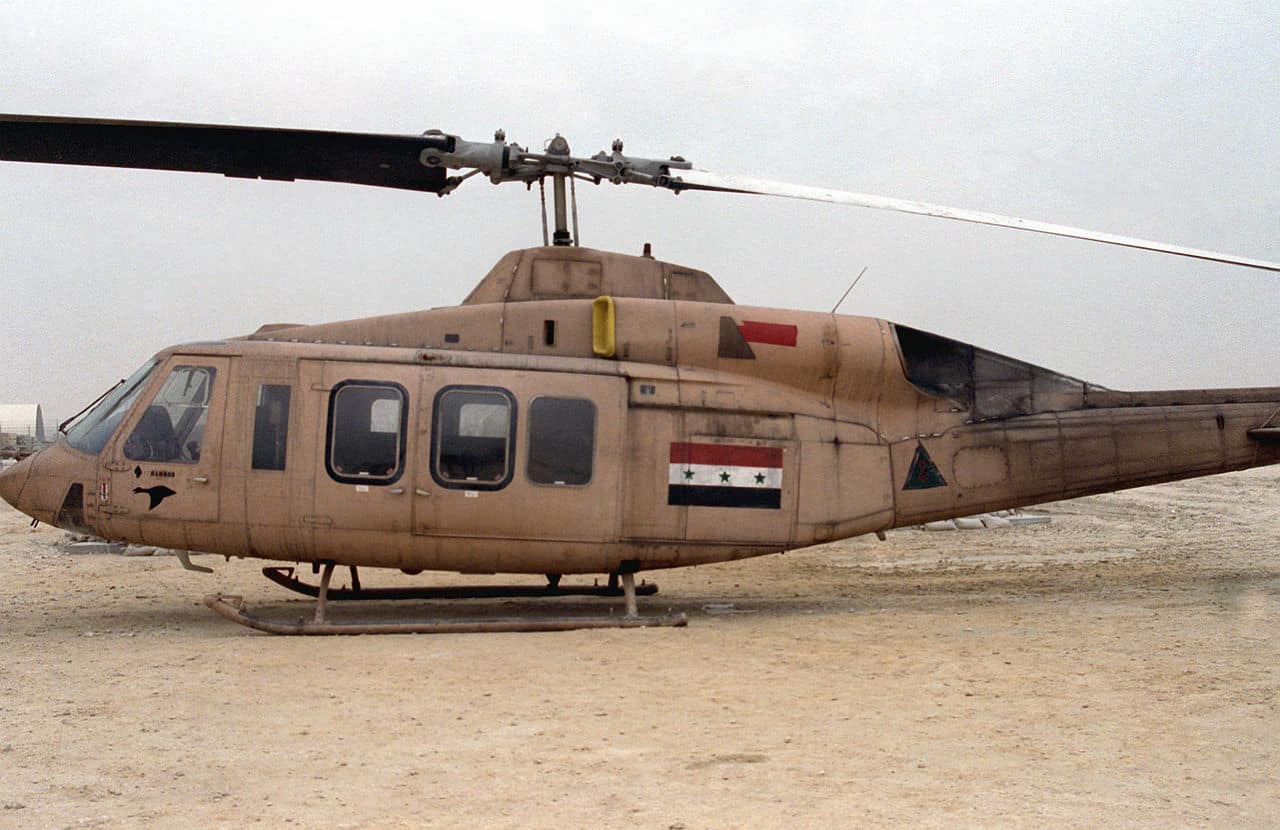


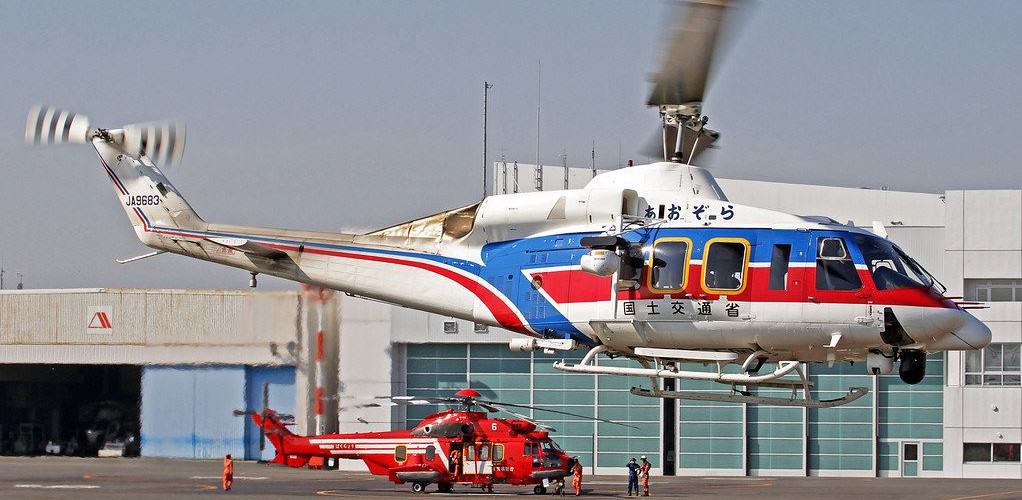
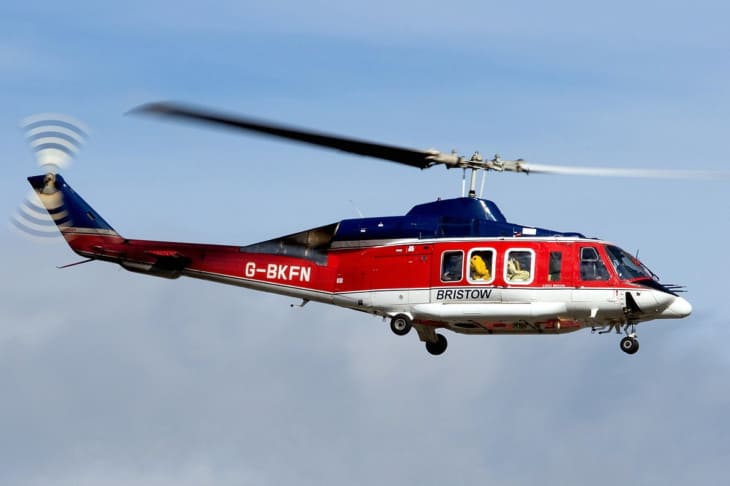
The Bell 214 is a medium-lift utility helicopter developed by Bell Helicopter Textron in the early 1970s as a more powerful derivative of the iconic UH-1 Iroquois (“Huey”). Designed for both civil and military use, it retained the proven Huey airframe concept but incorporated a larger rotor system, strengthened transmission, and a much more powerful engine to handle heavy loads and hot, high-altitude conditions.
The prototype first flew in 1970, powered by a Lycoming T55-L-7C turboshaft engine producing around 2,900 shaft horsepower — nearly double that of earlier Huey variants. This gave the Bell 214 exceptional lifting capacity and stability, allowing it to perform missions in mountainous terrain or extreme climates.
The helicopter could carry up to 14 passengers or about 4,000 pounds (1,800 kg) of cargo, making it ideal for transport, medevac, and firefighting. Its success in trials led to production primarily for export customers, most notably the Imperial Iranian Armed Forces, which became the main operator under a large contract in the mid-1970s.
Although its U.S. military adoption was limited, the Bell 214 gained a strong reputation internationally for its powerful performance and reliability. It later evolved into the Bell 214ST (Super Transport) — an enlarged, twin-engine version that further extended the design’s legacy.
Today, the Bell 214 remains a testament to Bell’s engineering philosophy: take a proven platform, give it more muscle, and let it conquer tougher missions with confidence.

The Bell 214ST, short for “Super Transport,” was the ultimate evolution of the Bell 214 series — a twin-engine, heavy-lift helicopter that transformed the rugged Huey lineage into a modern, high-capacity transport platform. Developed in the late 1970s and first flown in 1979, the 214ST was created to meet the growing demand for larger, faster, and safer helicopters for both civil and military operations.
Unlike the single-engine Bell 214, the 214ST was powered by two General Electric CT7-2A turboshaft engines, each producing about 1,625 shaft horsepower, driving a larger five-blade main rotor system for improved lift, stability, and reduced vibration. The aircraft featured an advanced transmission system, crashworthy fuel tanks, and extensive soundproofing — all designed to meet emerging international safety and comfort standards.
With a typical crew of two and seating for up to 18 passengers, the 214ST quickly found roles in offshore oil transport, search and rescue, and military utility missions. It offered a maximum takeoff weight of nearly 17,000 pounds (7,700 kg) and excellent performance in “hot and high” conditions, making it especially popular in the Middle East and Southeast Asia.
Production began in 1982, with helicopters built both in the United States and under license in Iran, though the 1979 revolution curtailed Iranian involvement. Despite limited total production, the Bell 214ST earned a reputation for power, reliability, and versatility, serving with civilian operators and defense forces well into the 21st century.
The 214ST remains one of Bell’s most capable twin-engine helicopters — a bridge between its Huey heritage and the advanced medium transports that followed, such as the Bell 412 and 525.