


Light Business Jets
Cessna Citation Encore
ICAO: C560
The sleek French regional jet that arrived ahead of its time
The latest aviation news and stories sent to your inbox.
The Aérospatiale Corvette was one of Europe’s earliest attempts to enter the small regional jet market. Developed in the late 1960s, it combined compact size with jet speed, targeting short-haul routes that were traditionally served by turboprops. Although production numbers were limited, it played an important role in the evolution of European regional aviation.
Live Fleet Activity (S601)
Fetching live data…

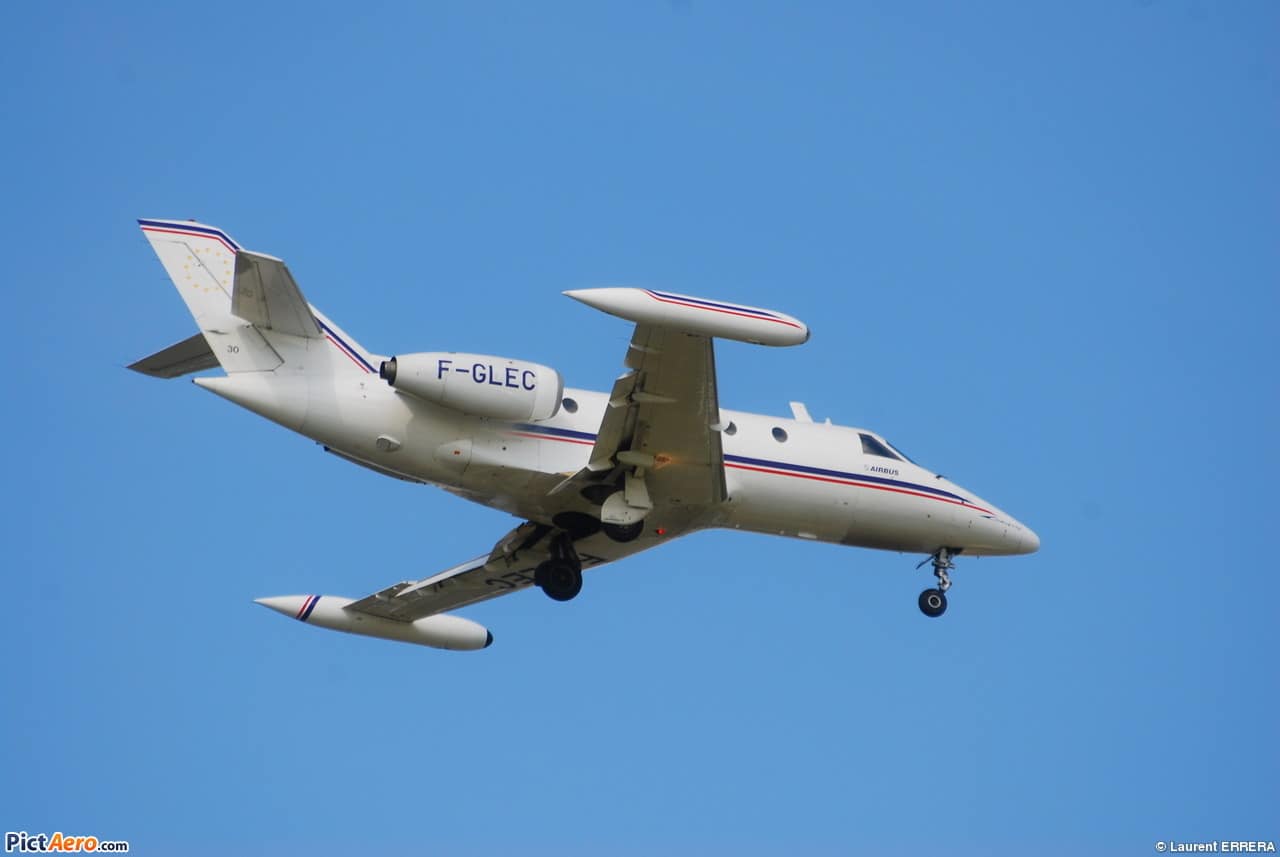


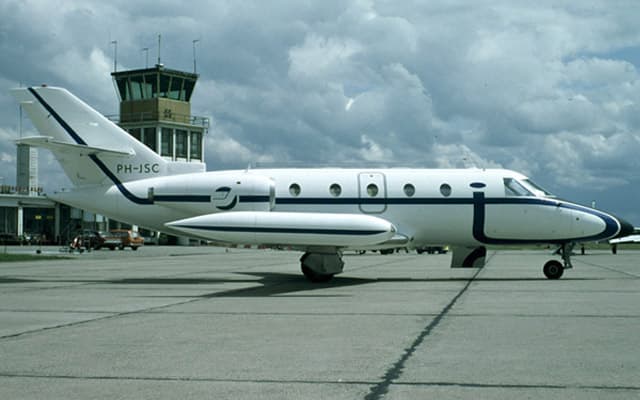


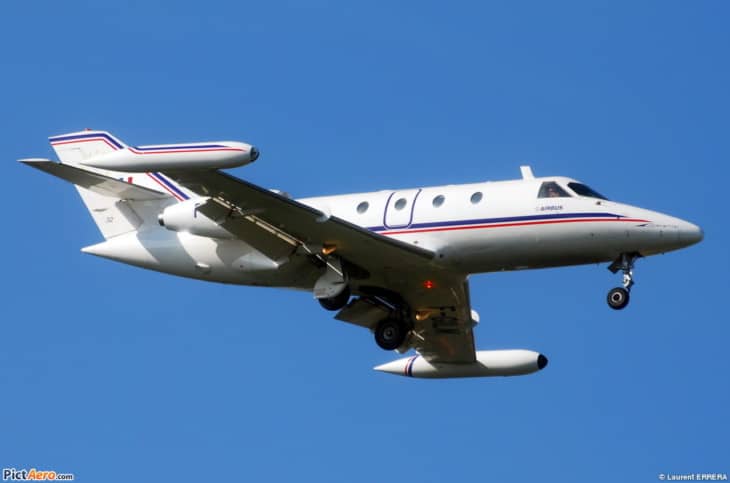
The Aérospatiale SN 601 Corvette was developed in France as a small twin-engine jet intended for both regional airline and corporate use. The program began under Sud Aviation before transitioning to Aérospatiale following corporate restructuring. The aircraft first flew in 1970 and entered service in the mid-1970s.
Designed to seat around 10 to 14 passengers in corporate configuration and more in commuter layouts, the Corvette featured a low-wing design with rear-mounted turbofan engines. It was powered by Pratt & Whitney Canada JT15D engines, which provided reliable performance for short- to medium-range operations. The aircraft was capable of cruising at speeds significantly higher than turboprop competitors, offering time savings on regional routes.
Despite its modern appearance and jet performance, the Corvette struggled commercially. Production costs, limited market demand, and growing competition from other regional aircraft constrained sales. Only a small number were built before production ended in the late 1970s.
Although not a commercial success, the Corvette represented an important step in European aerospace development. It demonstrated the feasibility of small regional jets and contributed experience that would later benefit European aircraft programs. Today, the Aérospatiale Corvette remains a notable example of early regional jet innovation.
Sources and references used for research and fact-checking.



.jpg)