

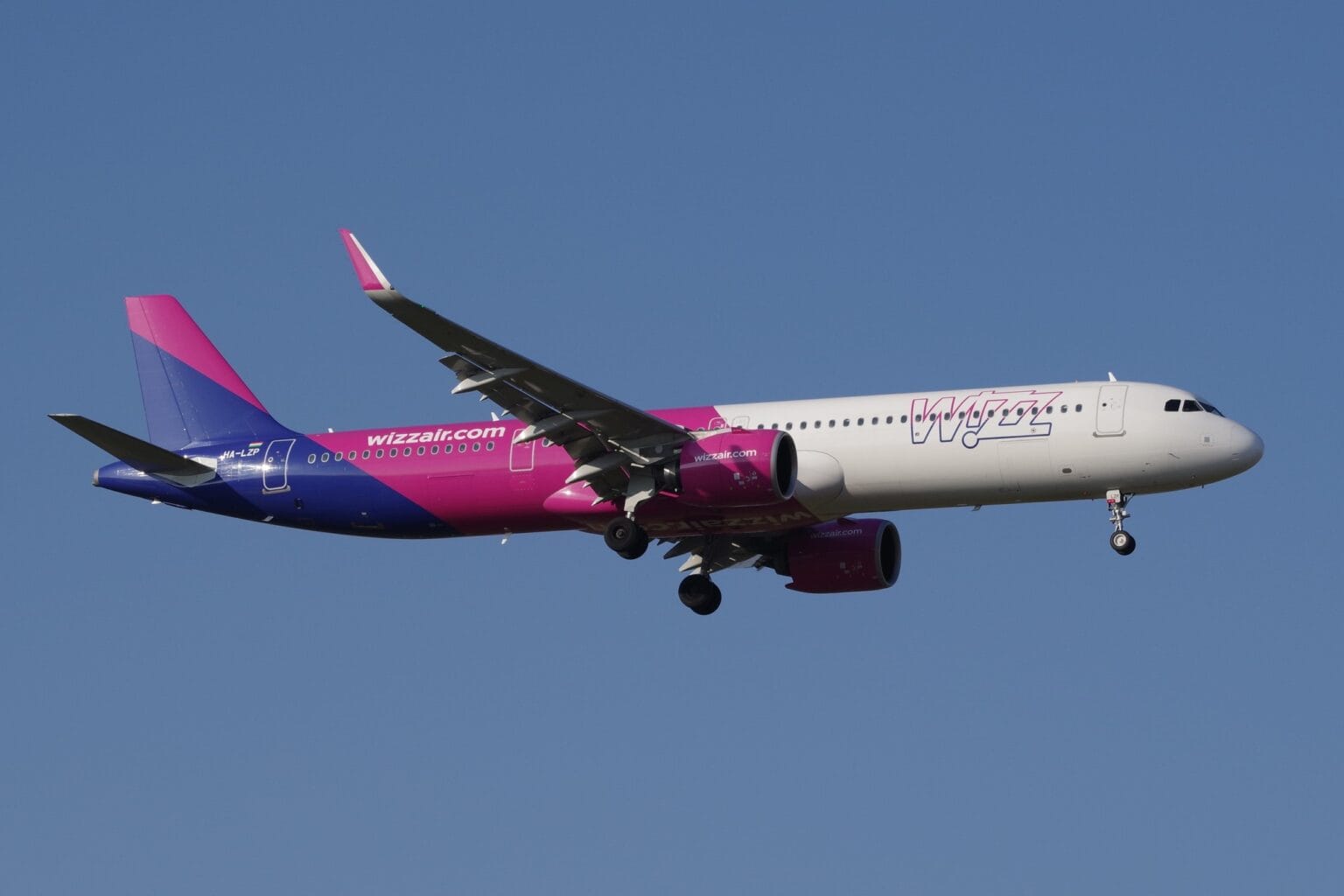
Wizz Air flight W64402 from Madrid to Sofia diverted to Barcelona on the evening of November 23, 2026, after its left engine made a loud noise and began to vibrate severely in the climb. The Airbus A321neo, registered HA-LZP, landed safely and its passengers reached Sofia the next afternoon on a replacement jet.
Passengers said they saw flames coming from the engine. Wizz Air has not said what failed, and the aircraft was still on the ground in Barcelona the following day.
What happened on the climb out of Madrid
The jet was climbing through flight level 330, about 33,000 feet, when the left engine, a Pratt & Whitney PW1133G, produced a loud noise followed by severe vibrations, The Aviation Herald reported. The crew turned for Barcelona and landed on runway 24L about 25 minutes later.
Flightradar24 data lists the flight as diverted to Barcelona after 52 minutes in the air. Passengers told the Bulgarian broadcaster NOVA that the trouble began 20 to 30 minutes after takeoff, Novinite reported.
Those passengers described a loud noise, then heavy shaking, and were told the left engine had a problem. “I was seated on the right side, but fire came out of the left engine,” one of them said.
In a statement to NOVA, Wizz Air said the crew followed all standard procedures and the aircraft landed safely and without complications. The airline said the jet was undergoing unscheduled maintenance and that the safety of passengers and crew was its highest priority.
A replacement jet from Sofia
Passengers spent the night in a Barcelona hotel. Wizz Air told the Bulgarian outlet TravelNews it was sending a replacement aircraft from its Sofia base, Sega reported.
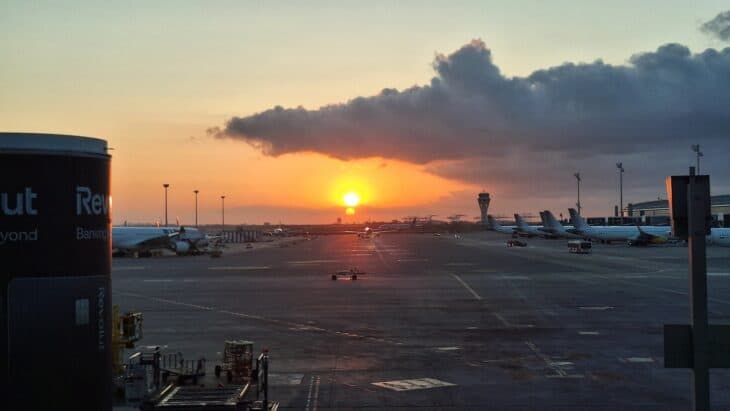

Flight tracking data shows that jet was Wizz Air Malta A321neo 9H-WNX. It flew from Sofia to Barcelona on the morning of November 24, left Barcelona at about 11:30 a.m. and landed in Sofia at 2:43 p.m. local time, roughly 13.5 hours after the original flight was due.
HA-LZP had not flown again by November 25, according to its Flightradar24 history. The Aviation Herald reported it was still in Barcelona about 19 hours after it landed.
What is not known yet
Wizz Air has not named the cause, and we found no announcement of an investigation at the time of writing. The airline has not said how many people were on board, or whether the crew shut the engine down. Nothing published so far links this event to the known powder metal problem in the PW1100G engine family.
Why a bang and flames do not always mean a fire
A loud bang, visible flames and heavy vibration is a familiar set of symptoms to engine specialists. An FAA and airline industry training report on turbofan malfunctions explains that in a compressor surge, the airflow through the engine breaks down and high-pressure air escapes from both ends at once.
The report says there are usually visible flames from both ends of the engine and one or more very loud bangs. Observers who saw such flames have reported an engine fire when there was none.
The same report lists bird strikes, internal engine failures and bleed air faults among the causes of a surge. It also lists vibration and surge among the signs of a major internal failure, and says any one symptom alone could come from a more benign fault.
Several together are a good indication of severe engine damage. Which of those HA-LZP’s crew saw is not public, but they chose a prompt flight diversion to Barcelona.
The GTF engine behind Wizz Air’s groundings
The engine on HA-LZP belongs to Pratt & Whitney’s PW1100G geared turbofan family, the GTF option on the Airbus A321neo. Wizz Air had 199 A321neos in a fleet of 276 jets on September 30, 2026, according to its half-year results.
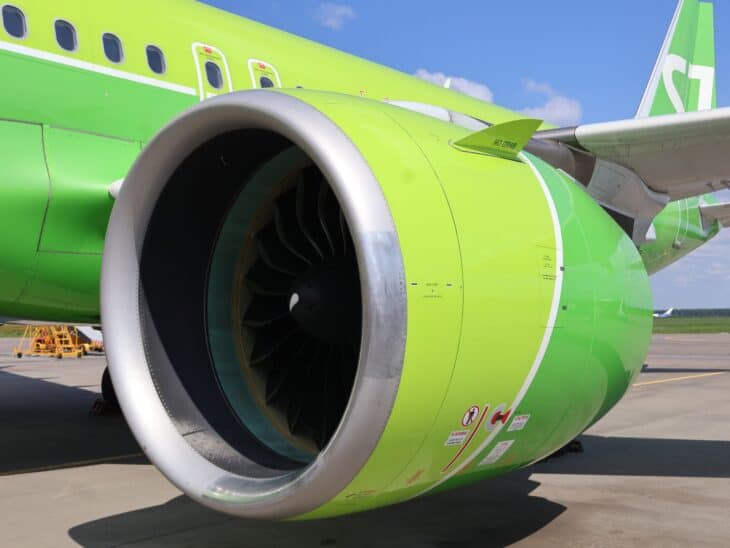

That fleet has been short of jets because of GTF inspections. A December 2023 FAA proposed directive on the PW1100G said certain powder metal parts were susceptible to failure significantly earlier than previously determined, and that a failure could release high-energy debris.
On September 30, 2026, Wizz Air had 22 aircraft grounded for GTF engine-related inspections, down from 35 a year earlier. It expects 15 to 20 at the end of its financial year in March 2027 and none by the end of 2027.
The squeeze has led to unusual fixes. In September, the airline pulled the engines off three A321XLRs to keep its regular A321neos flying.
Whether the November 23 event is connected to any of that is unknown. Only an inspection of the left engine will show what failed, and whether this was a one-off or part of the wider GTF story.
Sources and references used for research and fact-checking.
- Wizz Air Holdings Plc, Unaudited results for the six months to 30 September 2026 (H1 F27 report, 12 November 2026)
- FAA (Federal Register), Airworthiness Directives; International Aero Engines, LLC Engines (NPRM, Docket FAA-2023-2401, 88 FR, Dec 28, 2023)
- FAA / ATA, Turbofan Engine Malfunction Recognition and Response, Final Report (2009)
Get the Newsletter
The latest aviation news and stories sent to your inbox.
About the Author

AeroCorner News is the aviation news desk of AeroCorner.com. It covers accidents and incidents, safety rulings, airline and airport disruption, and new aircraft. It works from primary sources such as the NTSB, FAA, EASA and the manufacturers' own announcements.