

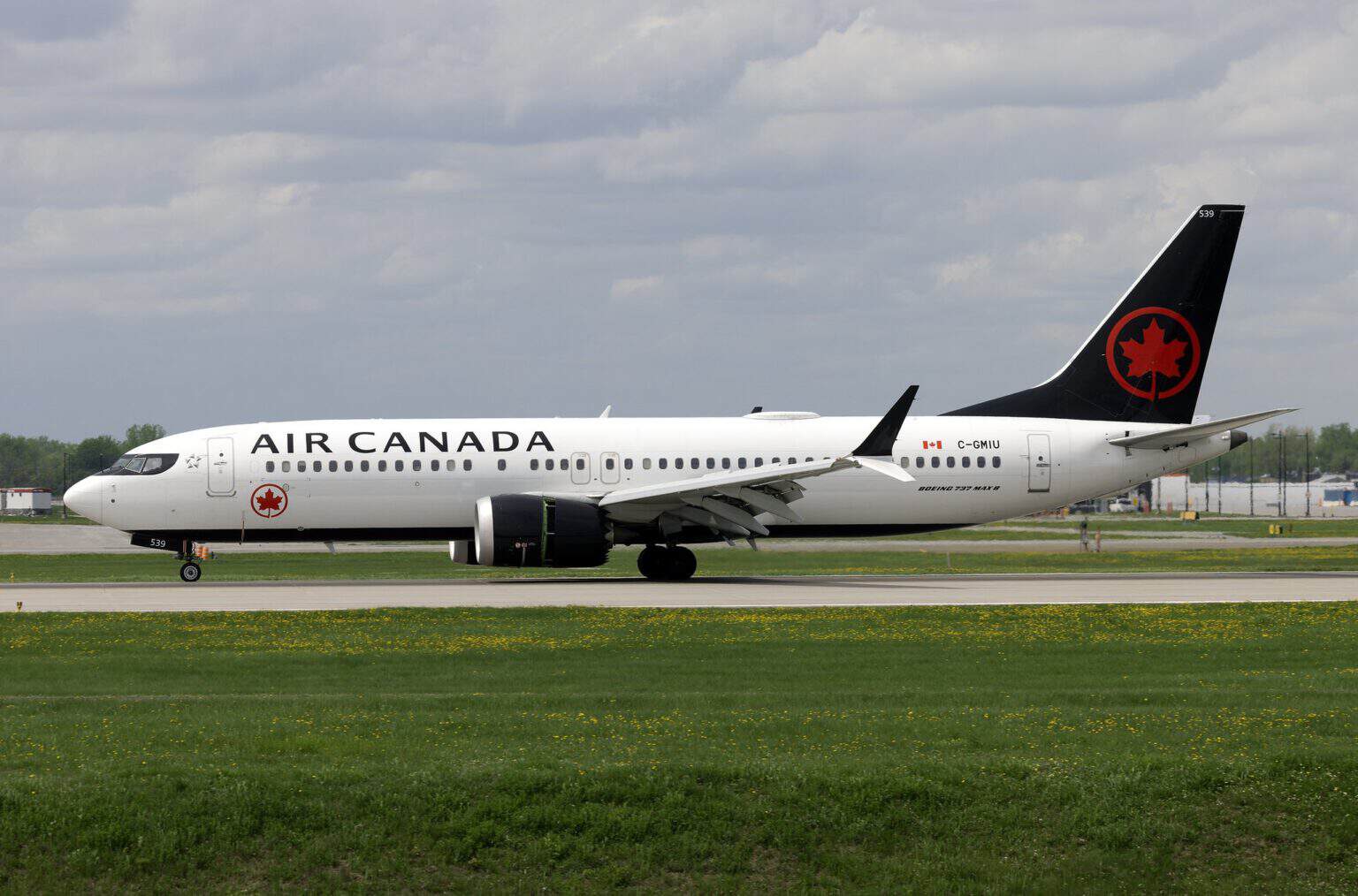
Air Canada flight AC1898 from Toronto to Port of Spain, Trinidad and Tobago, diverted to Bermuda on the night of Sunday, November 22, 2026, after an electrical problem on board. The Boeing 737 MAX 8 landed at L.F. Wade International Airport at about 11 p.m. local time, and all 121 passengers and six crew members left the aircraft safely.
Air Canada traced the fault to the aircraft’s circuit breakers, in a problem that affected the galleys and the in-flight entertainment system, according to a statement the airline gave to The Royal Gazette, which first reported the diversion.
What happened on AC1898
Flight-tracking data from Flightradar24 shows the jet, registered C-GMIU, leaving Toronto Pearson at 6:49 p.m. Eastern time. It flew under the ROU1898 callsign of Air Canada Rouge, the group’s leisure carrier, and was due in Port of Spain at 1 a.m. local time.
The Royal Gazette reported that the crew turned toward Bermuda about two and a half hours into the flight. The tracking data puts the time from takeoff to landing in Bermuda at about three hours and 10 minutes.
One passenger told the paper that the entertainment screens and the onboard Wi-Fi went dark shortly before the descent began, and that the captain then announced an electrical failure. He said the descent “seemed unusually rapid.”
Several fire trucks met the aircraft after landing, according to the paper. The jet stayed on the runway for about 25 minutes before it taxied to the terminal under escort, and fire officers walked through the cabin before passengers got off.
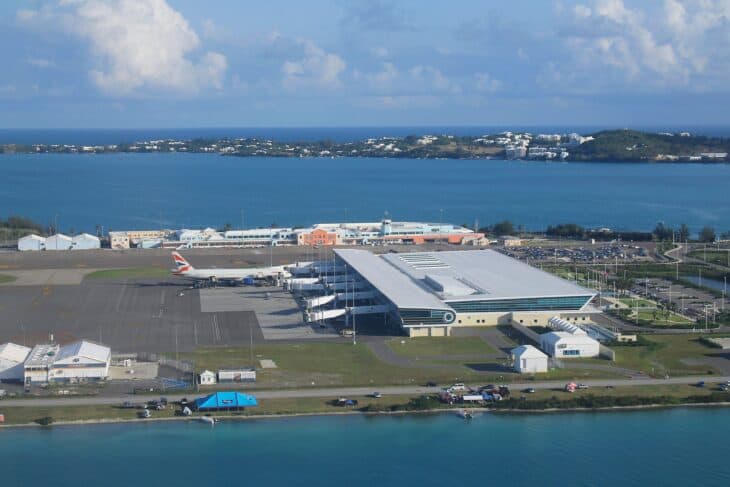

Skyport, the airport’s operator, said the passengers and crew were put up overnight after landing safely, with transport from the airport. No source has reported any injuries.
A night in Bermuda and a replacement jet
Air Canada sent a replacement aircraft to the island on Monday, November 23. That flight left for Trinidad and Tobago shortly before 5 p.m., The Royal Gazette reported, roughly 18 hours after the diverted jet touched down.
An Air Canada spokeswoman told the paper that its customer care teams booked rooms at several Bermuda hotels and issued meal vouchers. She said the airline’s customer relations staff would contact passengers about goodwill compensation, and she apologized for the disruption.
The passenger who spoke to the paper described the night differently. He said transport took hours to arrange, taxi drivers were unsure who would pay, the rooms involved long walks and stairs that were hard for older travelers, and he paid for his own food.
A spokesman for Grotto Bay Beach Resort & Spa said the hotel gave more than 80 rooms to passengers and crew, including 24 rooms and suites with elevator access in its new Castle Lodge.
Flightradar24 still listed C-GMIU on the ground in Bermuda on the evening of November 23, with a flight to Montreal scheduled. Air Canada has not said what tripped the breakers or whether any flight-critical system was affected.
Why Bermuda, and what passengers are owed
Toronto and Port of Spain are about 2,535 miles (4,080 km) apart by great-circle distance, much of it over open Atlantic water, and Bermuda sits close to that line. The island is about 1,125 miles (1,810 km) from Toronto and about 1,520 miles (2,445 km) from Trinidad.
That puts Bermuda’s runway within reach of many flights between eastern North America and the Caribbean. In October, Delta flight DL1780 stopped there for a medical emergency on its way from San Juan to Boston.
Air Canada has not explained the crew’s choice, but pressing on would have meant several more hours over water with the fault unresolved. Our guide to how flight diversions work covers how that call is made.
Canada’s Air Passenger Protection Regulations cover flights to and from Canada. When a disruption is within an airline’s control but required for safety, the cash compensation for inconvenience does not apply.
The airline still has to provide food and drink once passengers have waited two hours, and a hotel plus transport when it expects them to wait overnight. Air Canada has not said how it classifies the AC1898 disruption, and its offer of goodwill compensation is separate from those rules.
The diversion follows another Air Canada emergency in late October, when AC138 squawked 7700 and returned to Calgary.
Sources and references used for research and fact-checking.
Get the Newsletter
The latest aviation news and stories sent to your inbox.
About the Author
AeroCorner News is the aviation news desk of AeroCorner.com. It covers accidents and incidents, safety rulings, airline and airport disruption, and new aircraft. It works from primary sources such as the NTSB, FAA, EASA and the manufacturers' own announcements.