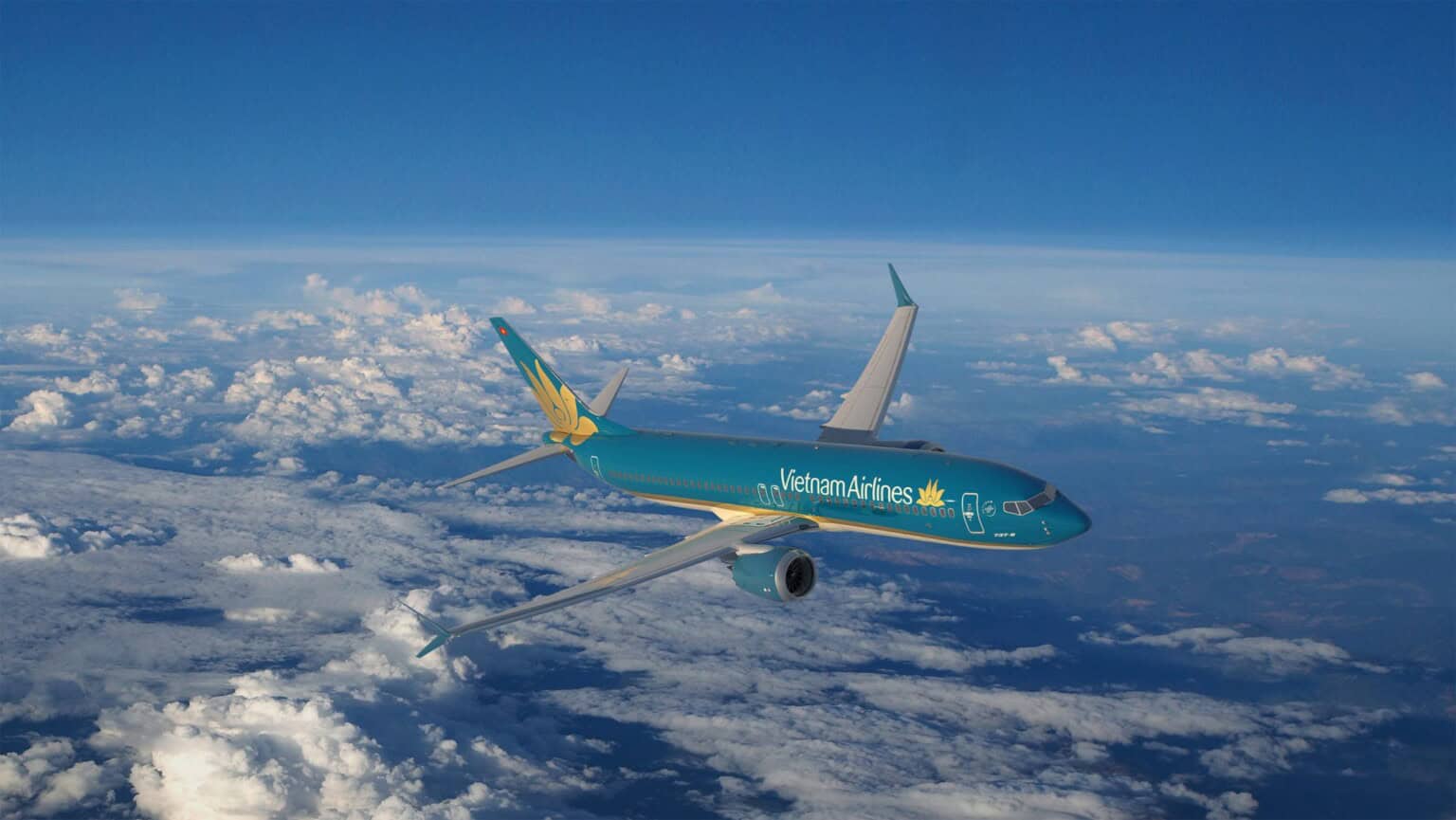
Vietnam Airlines announced at the Farnborough International Airshow on July 22, 2026, that it will add 19 more Boeing 737 MAX 8 jets to its fleet. Instead of buying them, the flag carrier is taking all 19 through leasing arrangements with three of the world’s largest aircraft lessors.
The deal, and the fleet it builds
According to the airline, the 19 aircraft are split across three lessors: ten from SMBC Aviation Capital, four from Avolon, and five from Phoenix Aviation Capital, which is managed by AIP Capital. The leased jets are scheduled to begin arriving from 2028.
The lease deal comes on top of an earlier direct purchase. Vietnam Airlines already holds 50 firm orders for the 737 MAX 8 placed directly with Boeing about five months ago. Combined, the owned and leased jets will take its MAX 8 fleet to 69 aircraft.
The airline framed the move as a way to add flexibility as it grows, spreading incoming deliveries across a mix of owned and leased aircraft rather than relying on direct purchases alone.
Why airlines lease instead of buy
Leasing is one of the quiet engines of modern aviation. Lessors such as SMBC and Avolon own aircraft outright and rent them to airlines under multi-year contracts, and together they now hold roughly half of the world’s commercial fleet.
These are operating leases, a form of dry lease where the airline gets the aircraft but supplies its own crew, maintenance, and insurance. That is different from the wet lease, where a whole aircraft plus crew is provided as a package.
The appeal for an airline is speed and flexibility. A lessor typically holds delivery slots that a carrier can tap sooner than joining the back of a manufacturer’s order queue, which for the 737 MAX now stretches years out. Leasing also keeps a large purchase off the balance sheet and lets the airline hand the jet back at the end of the term instead of carrying the risk of reselling it.
The trade-off is cost over time. An airline that leases pays for that flexibility through lease rentals rather than owning an asset it can eventually sell. Most large carriers run a deliberate blend, and Vietnam Airlines’ split of 50 owned and 19 leased is a textbook example of that balance.
Lessor-driven fleets
Aircraft leasing companies own close to half of all commercial jets in service. When an airline announces new aircraft, the frames often come from a lessor rather than straight from Boeing or Airbus, even when the type is the same.
For Boeing, the deal is another sign of steady 737 MAX demand as the program works through its backlog. It also lands during a busy Farnborough, where the same lessor, SMBC, was part of a large opening-day order for the MAX earlier in the week.
Reality check
Leasing arrangements are not the same as a manufacturer order. The 19 jets were already built or ordered by the lessors; this deal moves them onto Vietnam Airlines’ books, so it grows the airline’s fleet without adding fresh aircraft to Boeing’s order total.
Sources and references used for research and fact-checking.