

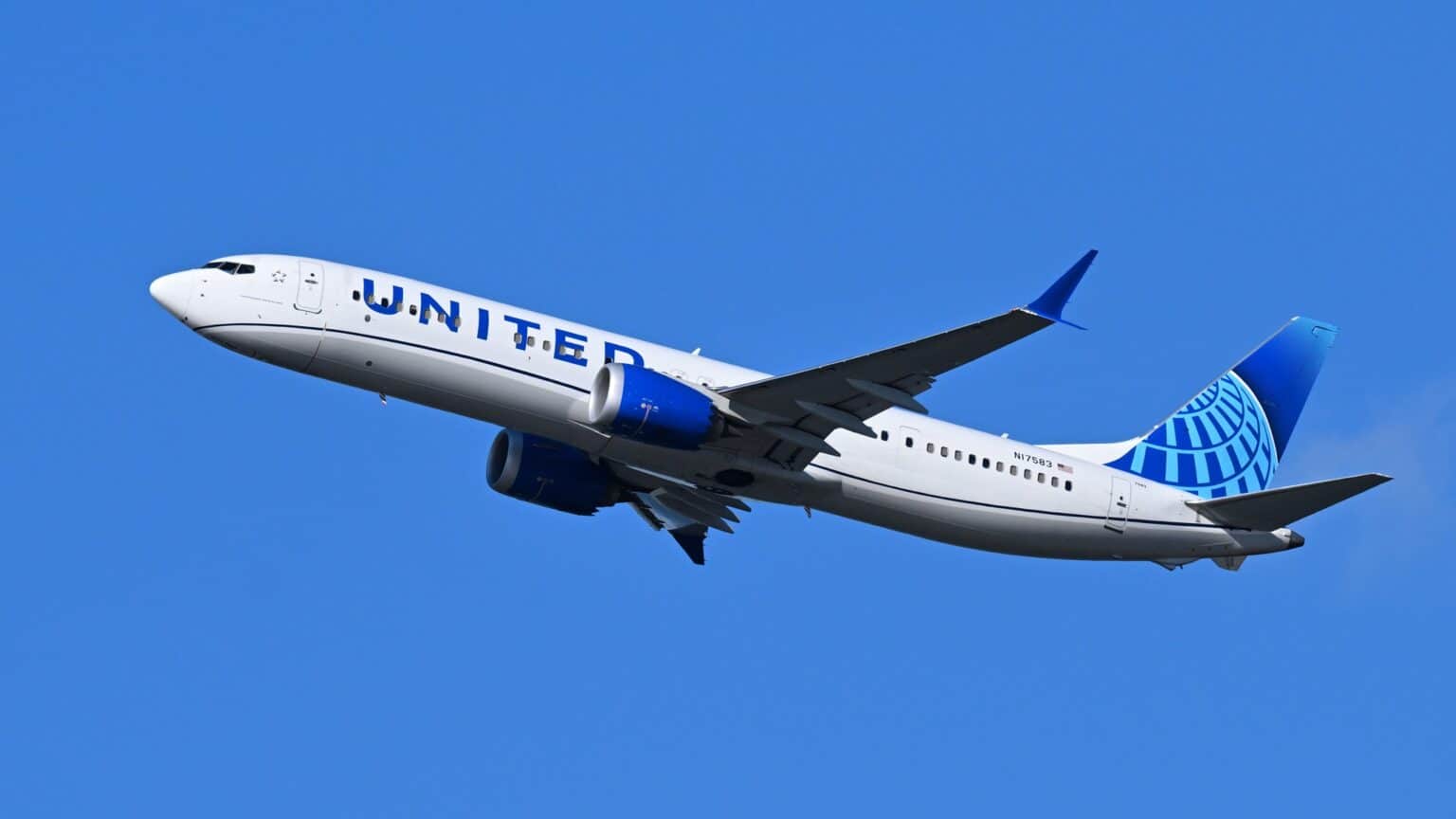
United Airlines flight UA726 from Los Angeles declared an emergency on Saturday, November 28, 2026, as it approached Seattle-Tacoma International Airport. The Boeing 737 MAX 9 landed safely just before 11:30 a.m. with 149 passengers and six crew members on board.
United blamed a “mechanical issue” and said passengers got off normally at the gate. In in-flight audio, a pilot cited an “APU fire indication,” a warning about the small engine in the jet’s tail.
What happened over Puget Sound
The crew made the emergency call at about 6,000 feet (1,800 m) over Puget Sound, The Seattle Times reported from in-flight audio. After landing, a pilot said fire crews would “probably need” to look at the tail of the plane.
The Port of Seattle Fire Department inspected the aircraft once it was on the ground. Port of Seattle spokesperson Kassie McKnight-Xi said the flight “landed without incident.”
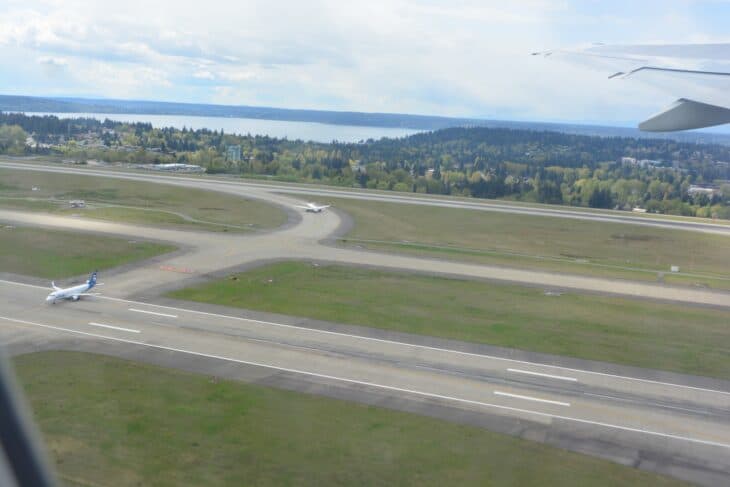

United’s statement said the plane “landed safely and passengers deplaned normally at the gate.” The airline gave no further detail on the fault, and it has not said whether crews found any sign of an actual fire.
The aircraft and its day
Flightradar24 data lists the aircraft on UA726 that morning as N17491, a Boeing 737 MAX 9. It left Los Angeles International Airport at 8:44 a.m. Pacific time, about half an hour behind its 8:15 a.m. schedule.
FAA registry records list N17491 as a Boeing 737-9, serial number 43498. Its current registration certificate was issued on November 24, 2026, four days before the flight.
The same jet flew again that afternoon, the tracking data shows. It left Seattle for Los Angeles as UA1027 at about 1:35 p.m., more than an hour after its scheduled 12:20 p.m. departure.
The data does not show what work, if any, was done on the APU during that turnaround. United has not commented on the aircraft’s status.
Why an APU warning gets an emergency call
An auxiliary power unit is a small engine, typically mounted in the tail. On the 737 MAX it is a Honeywell 131-9B, the company says.
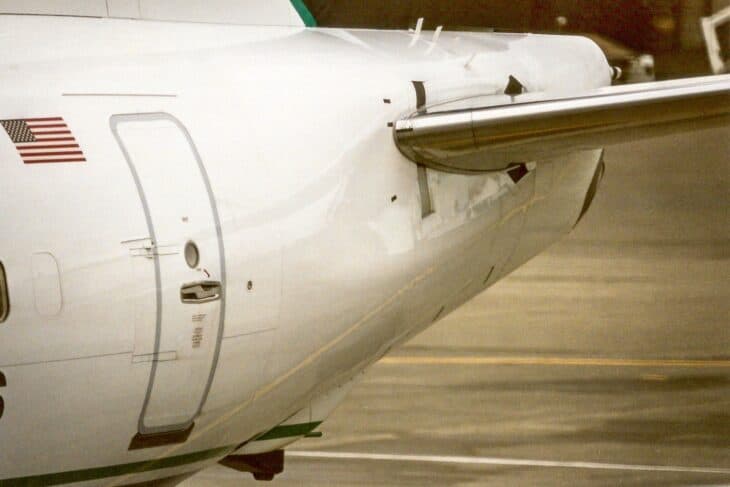
Honeywell says the APU provides electrical power and air conditioning while the plane is on the ground, and supplies the power to start the main engines. Federal rules treat it much like a main engine when it comes to fire protection.
FAA certification rules for airliners, in 14 CFR 25.1181, list any APU compartment as a designated fire zone. Each such zone must have quick-acting fire or overheat detectors and a fire extinguishing system serving it.
An indication is a warning from those detectors, not proof of flames. The pilots cannot see the tail from the cockpit, so confirming what actually happened back there falls to the fire crews on the ground.
The FAA’s Aeronautical Information Manual names fire and mechanical failure as distress conditions, and tells pilots not to hesitate to declare an emergency when they face one. It adds that any pilot who becomes apprehensive for their safety should request assistance immediately.
United had a similar West Coast emergency a month earlier. On October 28, UA1372 from Seattle made the call over a cabin odor and landed at San Francisco.
At the time of writing on November 30, neither United nor the FAA had said what triggered the APU warning on UA726.
Sources and references used for research and fact-checking.
- FAA Registry, N-Number inquiry: N17491
- Honeywell, Honeywell Upgrade for Aircraft Auxiliary Power Unit Lowers Fuel Consumption and CO2 Emissions
- eCFR, 14 CFR 25.1181 Designated fire zones; regions included
- FAA, Aeronautical Information Manual 6-1-2, Emergency Condition - Request Assistance Immediately
Get the Newsletter
The latest aviation news and stories sent to your inbox.
About the Author

AeroCorner News is the aviation news desk of AeroCorner.com. It covers accidents and incidents, safety rulings, airline and airport disruption, and new aircraft. It works from primary sources such as the NTSB, FAA, EASA and the manufacturers' own announcements.