

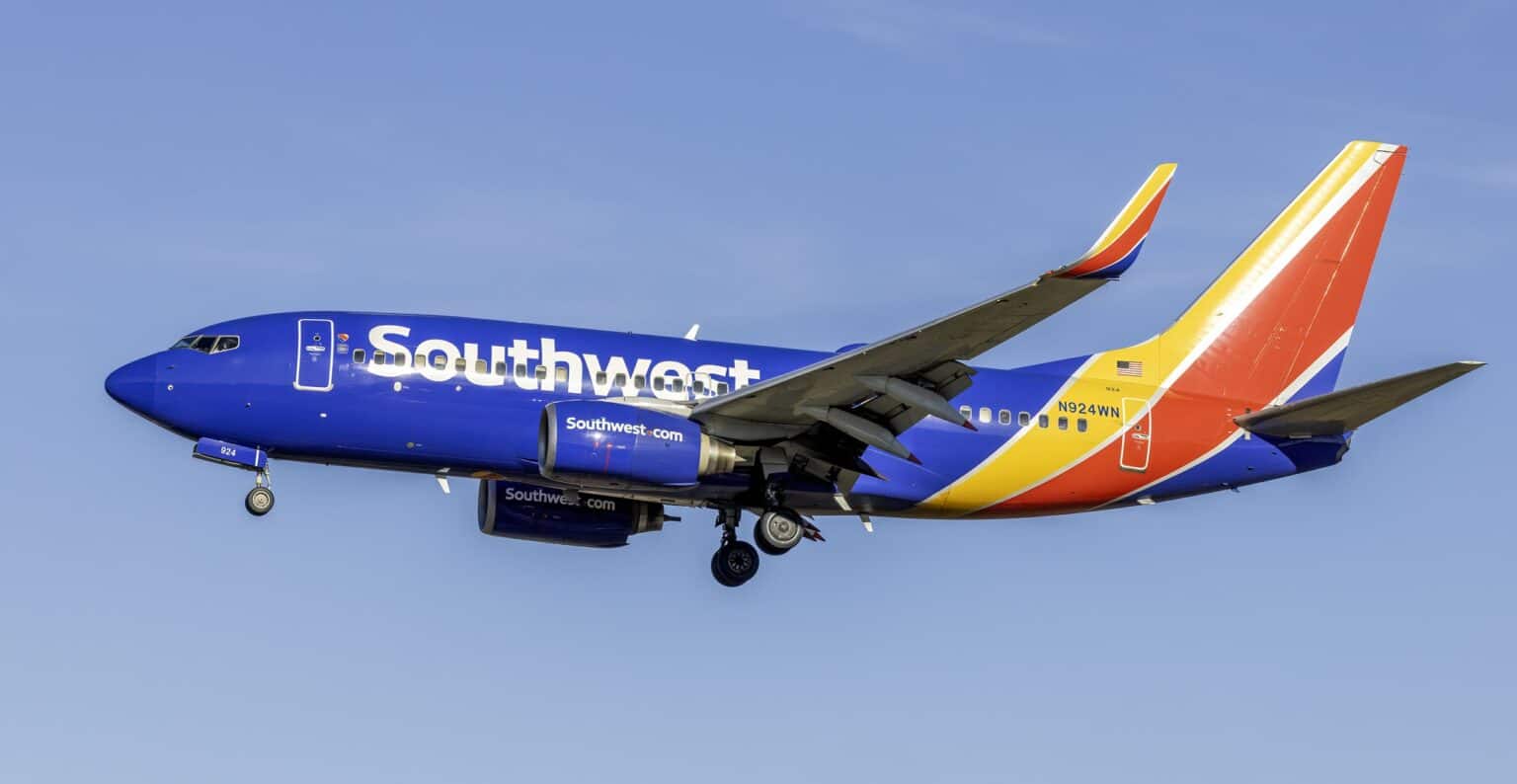
Southwest Airlines flight WN3052 from Fort Lauderdale was at the center of a security investigation at Buffalo Niagara International Airport on Saturday evening, November 28, 2026, after a possible threat was reported aboard the aircraft. All 128 people on board are safe, a spokesperson for the Niagara Frontier Transportation Authority (NFTA), which runs the airport, told WGRZ and WIVB.
New York Governor Kathy Hochul described the incident as “a reported bomb threat involving a plane” in a statement posted at 9:13 p.m. Eastern. Officials have not said what the threat was, how it was made, or whether anything was found on board.
What officials have said
In its statement, the NFTA said it was aware of “an active investigation at the Buffalo Airport involving a possible threat aboard an aircraft.” It added that it was taking every step to keep those involved safe “in an abundance of caution,” and that the investigation was not affecting airport operations.
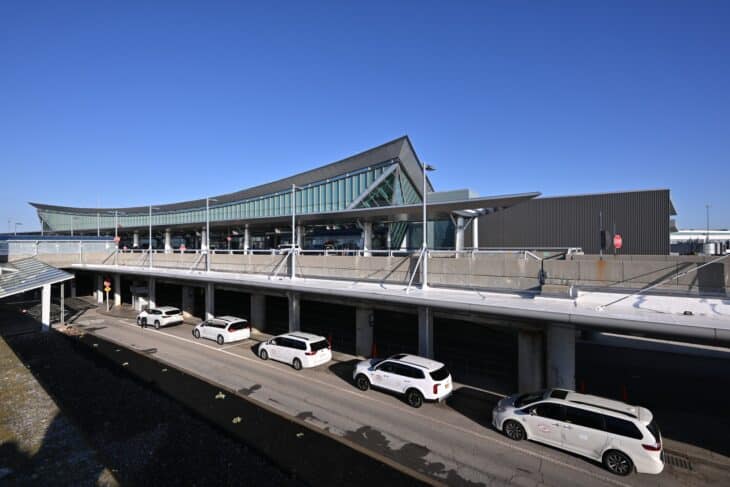

Erie County Executive Mark Poloncarz said in a Facebook post that the county’s Department of Homeland Security and Emergency Services was on scene for “a potential threat involving an in-bound flight.” He said the flight had landed safely and that the airport’s own police were in charge, working with federal law enforcement.
Hochul thanked law enforcement and first responders for what she called their swift response. She said her office would stay in close contact with them “as the investigation continues.”
Southwest had not commented publicly at the time of writing, late on Saturday evening Eastern time. No agency has named a suspect or said whether anyone was detained.
The flight and the aircraft
Flight-tracking data from Flightradar24 shows WN3052 leaving Fort Lauderdale at about 2:35 p.m. and landing in Buffalo at about 5:10 p.m. Eastern, close to its scheduled arrival. The aircraft was N924WN, a Boeing 737-700 in the Southwest fleet.
The same jet was due to continue to Baltimore as WN3052 at 5:40 p.m. Shortly before 10 p.m. Eastern, Flightradar24 still listed that onward flight as not yet departed.
Early reports differed on which flight was involved. The Mirror US linked the threat to American Airlines flight AA1542 from Charlotte, next to a social media post about a diversion to Rochester. That flight did divert to Rochester the same evening, according to Flightradar24, but no official has connected it to the Buffalo investigation, and the NFTA identified the Southwest flight as the one in question.
What is known, and what is not
The confirmed picture is narrow: a possible threat, a flight that landed safely, 128 people on board reported safe, and airport police leading the case with federal partners. The wording also differs by source, with the NFTA speaking of a “possible threat” and the governor of a “reported bomb threat.”
Still unknown are when and how the threat reached the authorities, whether it came from on board or from outside, and when passengers left the aircraft. None of the statements says whether the aircraft was searched or what such a search found.
Poloncarz’s account puts the airport’s own police in charge of the scene, alongside federal law enforcement. No federal agency had commented publicly by late Saturday.
The stakes for whoever made it are high. Under federal law, 49 U.S.C. 46507, knowingly giving false information about an attack on an aircraft, or threatening one, carries up to five years in prison and a fine.
The incident came during the Thanksgiving holiday weekend. A similar scare earlier this month, aboard a United flight to New Orleans, ended with a passenger’s arrest after landing.
This is a developing story. AeroCorner will update it if Southwest, the NFTA or federal investigators release more details.
Sources and references used for research and fact-checking.
Get the Newsletter
The latest aviation news and stories sent to your inbox.
About the Author

AeroCorner News is the aviation news desk of AeroCorner.com. It covers accidents and incidents, safety rulings, airline and airport disruption, and new aircraft. It works from primary sources such as the NTSB, FAA, EASA and the manufacturers' own announcements.