

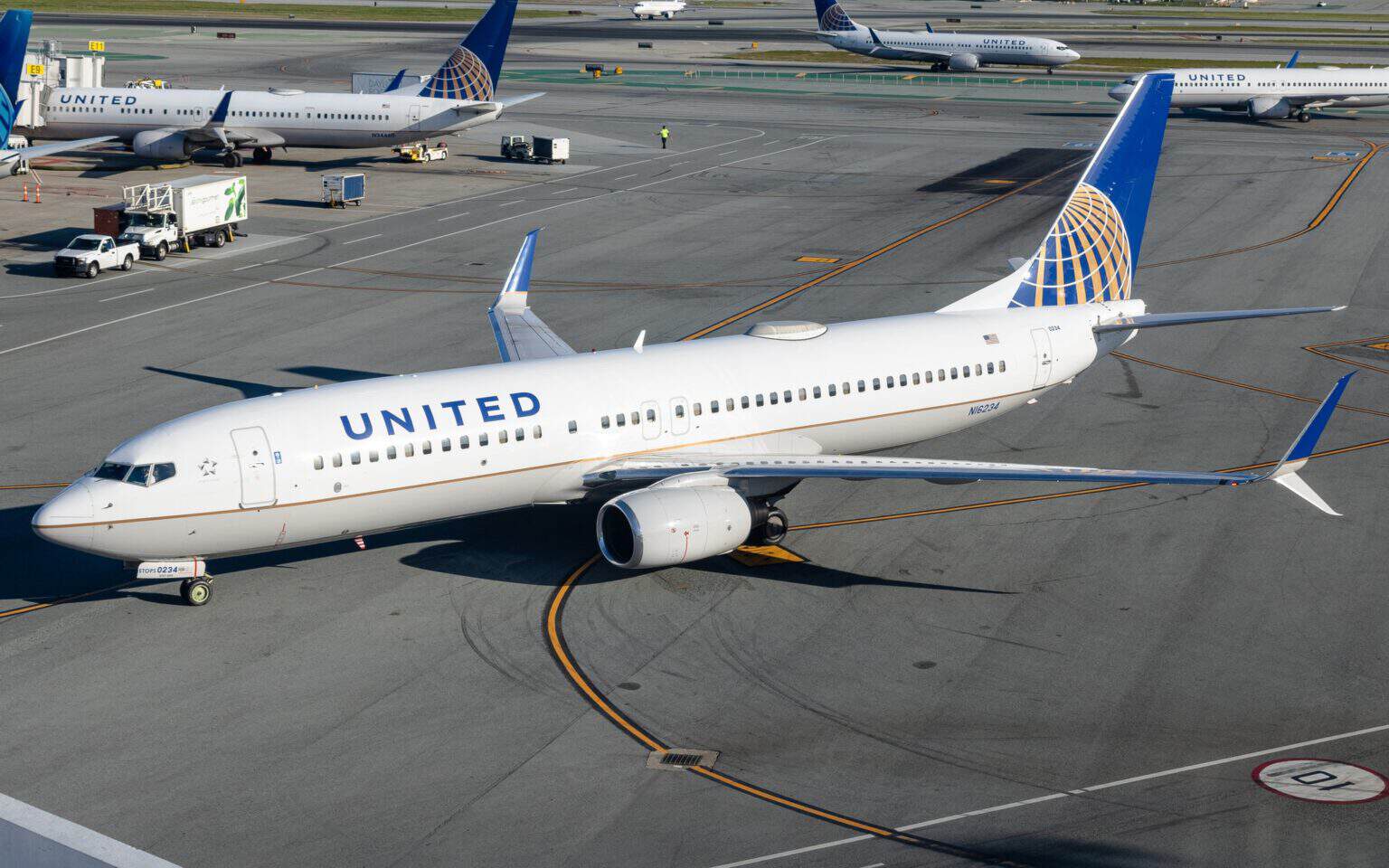
On Monday, November 16, 2026, a technology outage at United Airlines left pilots at airports across the US unable to get the final weight-and-balance figures they need before pushback, holding mainline departures at the gate through the late afternoon. United called it a “widespread system outage” and said flights already in the air and United Express flights were not affected.
The first crew report came at about 4:02 p.m. ET, when United flight 2787 in Denver told controllers it could not get its final weights, according to air traffic control audio reviewed by AirlineGeeks. Radio traffic named at least 30 United flights at 12 airports, the outlet reported.
What United and its pilots said
“We are troubleshooting a technology issue affecting departing flights,” United said in a statement carried by CBS News. “There is no impact on flights in progress, or on United Express flights.”
The airline also said there was “no indication that this is a cybersecurity-related issue.” In a post on X, it apologized and said its teams were “working hard to get things back up and running as soon as possible.”
An internal memo from the Air Line Pilots Association, the union for United’s pilots, was more specific, according to Reuters. It said a company-wide, web-based outage had hit several applications pilots use, including crew communications, and that United could not provide final aircraft weights for departing flights.
The memo advised pilots to follow airport station guidance on whether to leave their gates.
How it played out at the hubs
At Chicago O’Hare, the system crews use to request pushback also went down, and at Newark the outage affected how ramp crews received gate changes, AirlineGeeks reported from the radio audio. One O’Hare ramp controller described an outage that was affecting “pretty much all of our mainline departures at this point.”
In Houston, a United pilot asked the tower for permission to stay at the gate until the system was working again, according to a recording cited by CBS News. Some passengers posted that their aircraft had returned to the gate after reaching the runway, Reuters reported.
Some crews at O’Hare and Los Angeles reported receiving final weights between 4:40 and 5:09 p.m. ET, though at 5:11 p.m. an O’Hare ramp controller canceled one United flight’s pushback after a wait of about 20 minutes, AirlineGeeks reported.
As of 5:30 p.m. ET, United had delayed 418 flights, about 13% of its schedule, and canceled 21 on Monday, according to FlightAware figures cited by Reuters. Those counts cover delays from any cause, not only the outage.
The FAA’s Air Traffic Control System Command Center issued no United-specific ground stop in its advisories through 5:51 p.m. ET. The ground stops it did run on Monday, at Austin, LaGuardia, Teterboro and San Francisco, cited runway construction, traffic volume or low ceilings.
Why one missing number keeps a jet at the gate
Before an airliner leaves the gate, the crew needs its final figures: the actual weight and center of gravity once passengers, bags, cargo and fuel are all counted. NBC Chicago reported that the missing “takeoff numbers” included weight-and-balance information and the performance data needed for a safe takeoff.
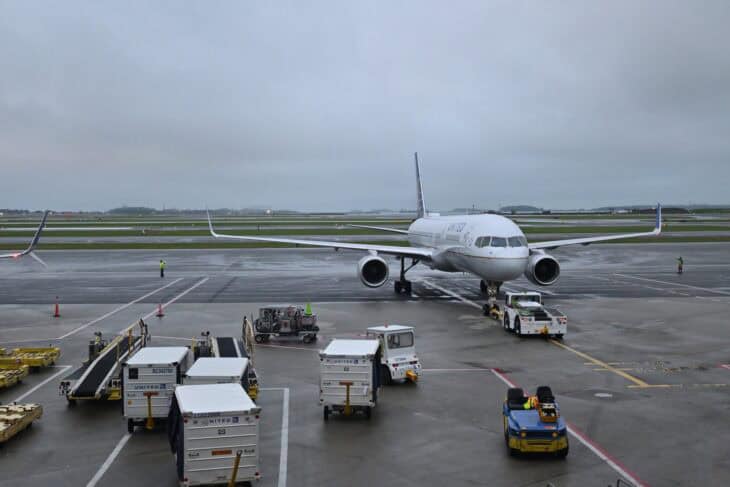

Those figures feed the takeoff performance calculation for that runway on that day. At United they reach the cockpit from flight dispatch, NBC Chicago reported, which is why a fueled, boarded and fully crewed aircraft can still sit at the gate when that link fails.
Not United’s first IT halt
On September 5, 2023, United asked the FAA to stop its departures nationwide after what the agency called an “equipment outage.” United later blamed a software update that slowed its technology systems, and the stop lasted a little more than an hour, Fortune reported.
On the evening of August 6, 2025, a failure in the airline’s weight-and-balance system, which the Associated Press identified as Unimatic, again held United mainline flights at their departure airports. FAA notices showed United requested ground stops at hubs including Newark, San Francisco, Chicago, Denver and Houston, and more than 1,000 flights were delayed and over 40 canceled, according to FlightAware figures reported at the time.
Monday’s outage also landed three days after the FAA halted every US departure on Friday, November 13, when a telecommunications failure hit its en route centers. NBC News reported that Monday’s problem did not appear to be related, and that other airlines did not appear to be affected.
What it means for delayed passengers
The Department of Transportation defines a controllable delay or cancellation as one caused by the airline, and it holds carriers to the care commitments in their customer service plans for those. Friday’s disruption, by contrast, began in the FAA’s own network, a distinction covered in our look at refund rules after the ground stop.
Whatever the cause, the DOT says a passenger whose flight is canceled or significantly changed is owed a prompt refund if they decline the alternative offered. After its August 2025 outage, United said it was covering meals and hotels for affected customers.
At the time of writing, about 6 p.m. ET on Monday, United had not said which system failed or when it expected its operation to be back to normal.
Sources and references used for research and fact-checking.
Get the Newsletter
The latest aviation news and stories sent to your inbox.
About the Author

AeroCorner News is the aviation news desk of AeroCorner.com. It covers accidents and incidents, safety rulings, airline and airport disruption, and new aircraft. It works from primary sources such as the NTSB, FAA, EASA and the manufacturers' own announcements.