

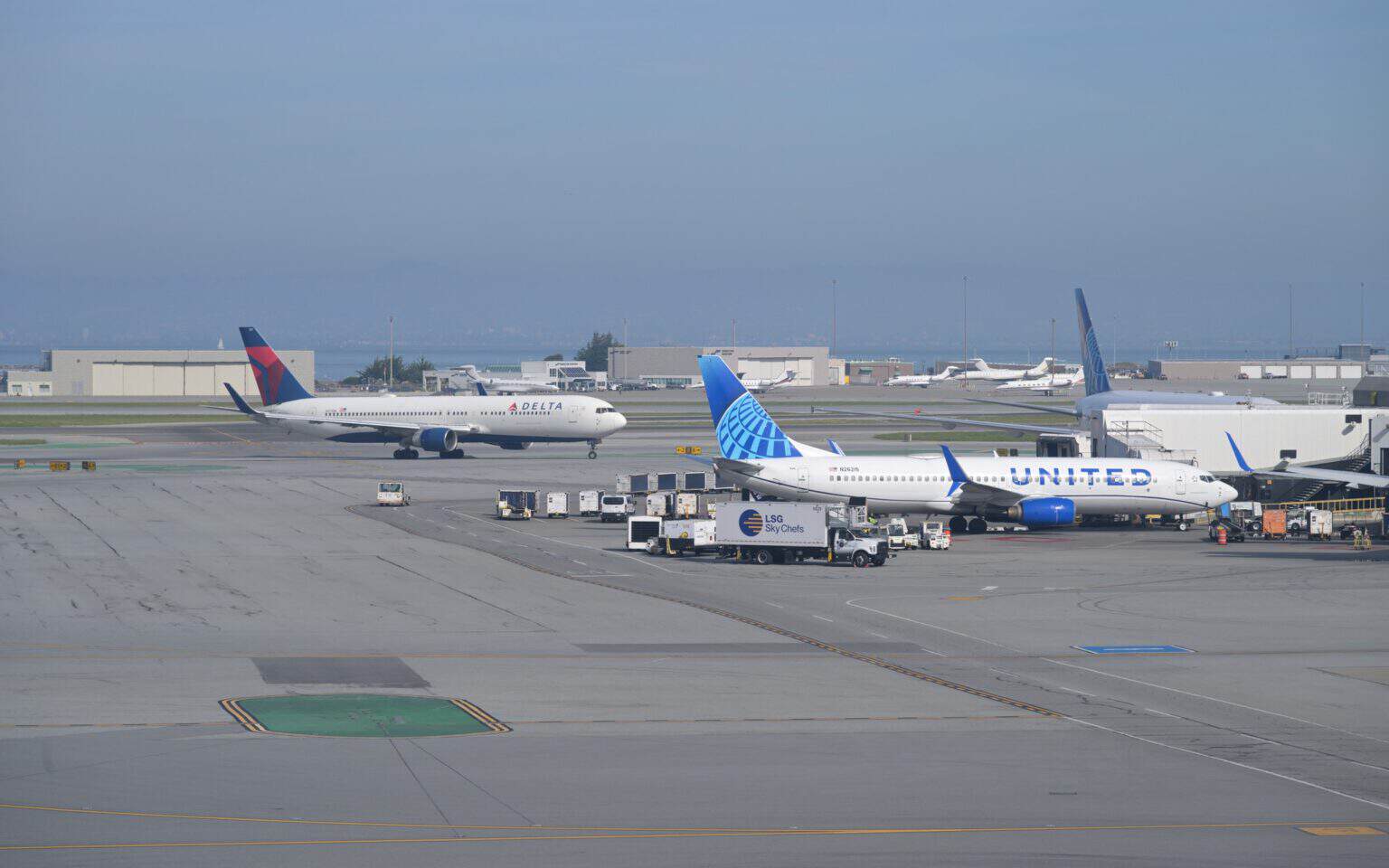
The nationwide FAA ground stop of Friday, November 13, 2026, could cost American Airlines, Delta Air Lines, United Airlines and Southwest Airlines about $345 million before tax combined, the brokerage Bernstein estimates. The figure was reported by Reuters on Monday, November 16.
Bernstein gave what it called an 80% range of roughly $270 million to $430 million. It is an analyst estimate, not an airline disclosure.
What the estimates say
The disruption behind the bill was large. More than 18,500 flights within, into or out of the US had been canceled since the ground stop as of 8:47 a.m. ET on Monday, according to FlightAware-based calculations cited by Reuters, which called it one of the longest shutdowns since the September 11, 2001, attacks.
The stop itself followed a failure in the FAA’s telecommunications network that hit its en route control centers. American Airlines described it in a customer update as a “five-hour nationwide ground stop” and an “incredibly disruptive industry-wide event.”
A second analyst firm puts the exposure higher. Raymond James estimated losses for nine major US and Canadian carriers, Bloomberg reported, and Bloomberg said the grounding threatens to cost airlines more than $1 billion.
Raymond James put American’s potential lost profit at $136 million to $354 million, the largest of the nine. It estimated Delta at $94 million to $244 million and United at $88 million to $229 million.
Two estimates, one wide gap
Raymond James’s top-end figure for American alone, $354 million, is higher than Bernstein’s central estimate for all four of the largest carriers combined. Both are outside forecasts made within days of the event, before any airline has put a figure on it in its own results.
Why the airlines recovered at different speeds
The cost will not fall evenly. On Sunday, two days after the stop, American canceled 22% of its schedule and JetBlue 28%, while Delta canceled 5%, Southwest 4% and United 3%, according to a Bank of America note cited by Reuters.
JetBlue shares fell nearly 2% in Monday morning trading, while shares of the other airlines rose between 1% and 2%, Reuters reported.
By late Sunday American said it was ready to fly a “largely normal schedule” on Monday, with crews and aircraft back in position. Its travel alert still let customers change plans or request a refund, an option it first offered on Friday evening. Refunds for canceled flights are one of the costs any estimate has to include, and the refund rules and waivers set out what passengers can claim.
The airlines are not the only ones counting. Transportation Secretary Sean Duffy said on CNBC on Monday that the stoppage cost the US economy “billions of dollars,” The Next Web reported, citing Bloomberg.
How it compares with past meltdowns
Two well-known airline meltdowns of recent years make a useful yardstick. Each was one airline’s own failure, and each was measured in that airline’s results rather than an analyst model.
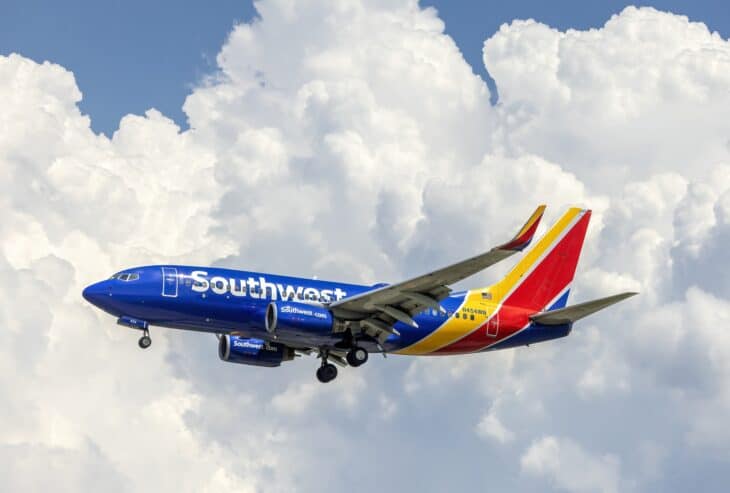
Southwest’s late-December 2022 meltdown brought more than 16,700 cancellations and a fourth-quarter pre-tax hit of about $800 million, the airline said in its results. That included about $410 million of lost revenue and a net rise of about $390 million in operating expenses.

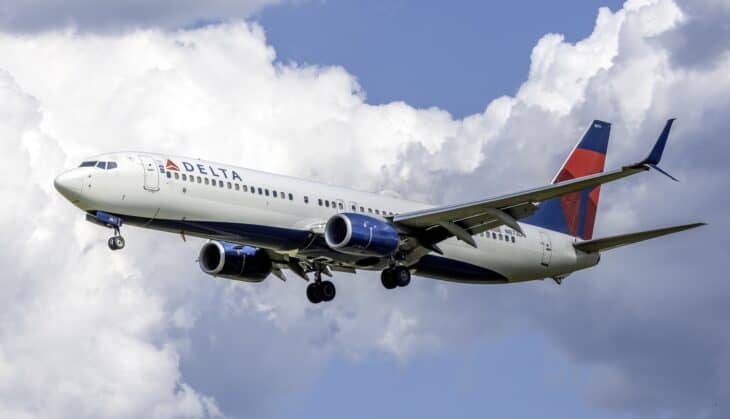
Delta’s July 2024 outage, which it calls the CrowdStrike-caused outage, canceled 7,000 flights over five days. Delta put the direct revenue impact at about $380 million, mostly refunds and compensation in cash and SkyMiles, plus $170 million in extra non-fuel costs, partly offset by $50 million of fuel it did not burn.

| Event | Cancellations | Cost figure |
|---|---|---|
| Southwest meltdown, December 2022 | More than 16,700 (Southwest) | About $800 million pre-tax (Southwest, reported) |
| Delta CrowdStrike outage, July 2024 | 7,000 over five days (Delta) | $380 million revenue plus $170 million costs, less $50 million fuel (Delta, reported) |
| FAA nationwide ground stop, November 2026 | More than 18,500, all carriers (FlightAware via Reuters) | About $345 million pre-tax for four airlines (Bernstein, estimate) |
The last nationwide departure halt, in January 2023, was much shorter. After an overnight outage of its NOTAM system, the FAA announced a pause in all domestic departures at 7:15 a.m. EST on January 11 and lifted it at 8:50 a.m., later finding that contract personnel had unintentionally deleted files.
Measured in cancellations, the November stop is bigger than either airline meltdown, yet Bernstein’s estimate for four carriers is smaller than either single-airline bill. The reports did not detail Bernstein’s method, but the recovery offers one clue: by Sunday, three of the four were canceling 5% or less of their schedules.
Who pays in the end is still open. The FAA’s investigation has narrowed to two routers, one at an Arkansas site where contractor L3Harris was replacing copper lines with fiber. Any figures the airlines later disclose may differ from both analysts’ estimates.
Sources and references used for research and fact-checking.
Get the Newsletter
The latest aviation news and stories sent to your inbox.
About the Author

AeroCorner News is the aviation news desk of AeroCorner.com. It covers accidents and incidents, safety rulings, airline and airport disruption, and new aircraft. It works from primary sources such as the NTSB, FAA, EASA and the manufacturers' own announcements.