

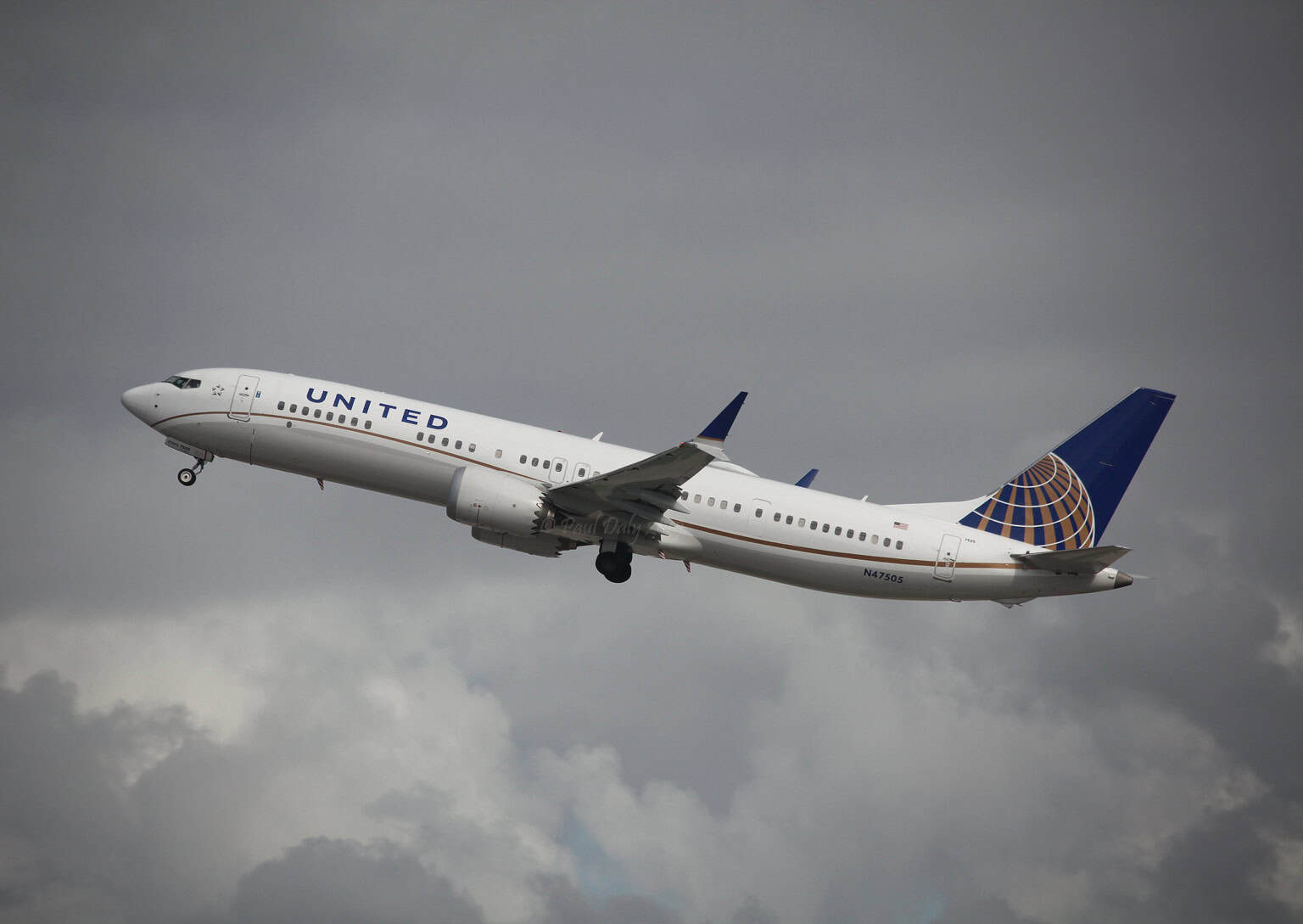
On the night of July 21, 2026, United Airlines Flight 2078 declared a minimum fuel state and diverted to Luke Air Force Base west of Phoenix after severe thunderstorms forced the closure of its intended destination. The Boeing 737-900, inbound from Houston, landed safely at the military base with all 154 passengers and six crew members unharmed.
What happened over Phoenix
Flight UA2078, a 737-900 registered N71411, left Houston George Bush Intercontinental at about 8:11 p.m. local time bound for Phoenix, according to reporting by AeroXplorer. It was a routine domestic run until the weather turned.
As the flight neared Arizona, a line of storms carrying heavy rain, hail, and winds gusting near 68 mph swept across the valley, and Phoenix Sky Harbor was closed to traffic. The crew entered a holding pattern to wait out the weather, and the extended delay steadily ate into the aircraft’s fuel reserves.
With reserves running low and Sky Harbor unavailable, the pilots told controllers they needed to land promptly and asked for the nearest suitable field. On a recording cited by Arizona’s Family, the pilot can be heard asking a controller, “anywhere else would you suggest going, sir?” after being told nearby Goodyear Airport could not take the jet.
Goodyear was ruled out as unsuitable for a 737 and Glendale’s airport was too small, leaving Luke Air Force Base, roughly 25 miles west of Sky Harbor, as the only viable runway. The 737 landed there without incident.
Passengers could not deplane at the active military installation and waited on the tarmac for about two hours before United bused them to Sky Harbor to complete their journey. The airline later flew the empty aircraft the short hop to Phoenix.
United thanked the base and its ground staff for accommodating the flight, saying it was “grateful for the support from the Air Force” and describing the diversion as the safest course of action given the conditions.
What “minimum fuel” actually means
The phrase “minimum fuel emergency” appeared in much of the coverage, but the term deserves a closer look. Airliners never take off with only the fuel needed to reach their destination. Crews load the trip fuel plus reserves for holding, a diversion to an alternate airport, and a fixed final buffer, which is a large part of how much fuel to load before every departure.
Declaring “minimum fuel” is an advisory to air traffic control, not a mayday. It tells controllers the crew can accept no further delay and expects a priority routing to a landing. A genuine fuel emergency, in which the aircraft would land below its required reserves, is a separate and more serious declaration.
Reality check
Minimum fuel does not mean the tanks are nearly empty. It means the margin the crew planned for has been spent on unexpected holding, so they need to land soon rather than accept more delay. It is a warning to controllers, not a sign the engines are about to quit.
What makes this diversion notable is the cause. Recent headline diversions have involved mechanical fuel problems, such as a suspected fuel leak on another 737. This one was purely weather driven: a closed airport and a full holding pattern, not a fault on the aircraft.
Diverting to a military base is unusual but not unheard of when weather closes the civilian options. The bigger picture is that the system worked as designed: the reserves bought the crew time to hold, and when that time ran short they declared their status early and put the aircraft down safely, which is exactly what a diversion is for.
Get the Newsletter
The latest aviation news and stories sent to your inbox.
About the Author

Tim is the owner and lead editor of AeroCorner since 2019, overseeing aviation content covering aircraft, airlines, airports, and the broader aviation industry. Through years of researching, writing, editing, and publishing aviation-focused content, he has developed extensive practical knowledge of commercial aviation and air travel. Based in Asia and a frequent traveler himself, Tim also brings firsthand passenger experience to AeroCorner’s coverage. Outside of publishing, he has also explored aviation firsthand through hands-on flight training in New Zealand.